Five hours in a bowl, 30 minutes at a boil: dried kidney beans ask you to start dinner long before the table is set. Those are the FDA’s minimum soaking and boiling times, while the CDC sets a 4-day refrigerated limit for homemade garlic or herb oils. From beans to berry preparations, these 10 examples highlight ingredient selection, cooking, and storage. Think of the details as the quiet choreography behind the meal.
Dried red kidney beans
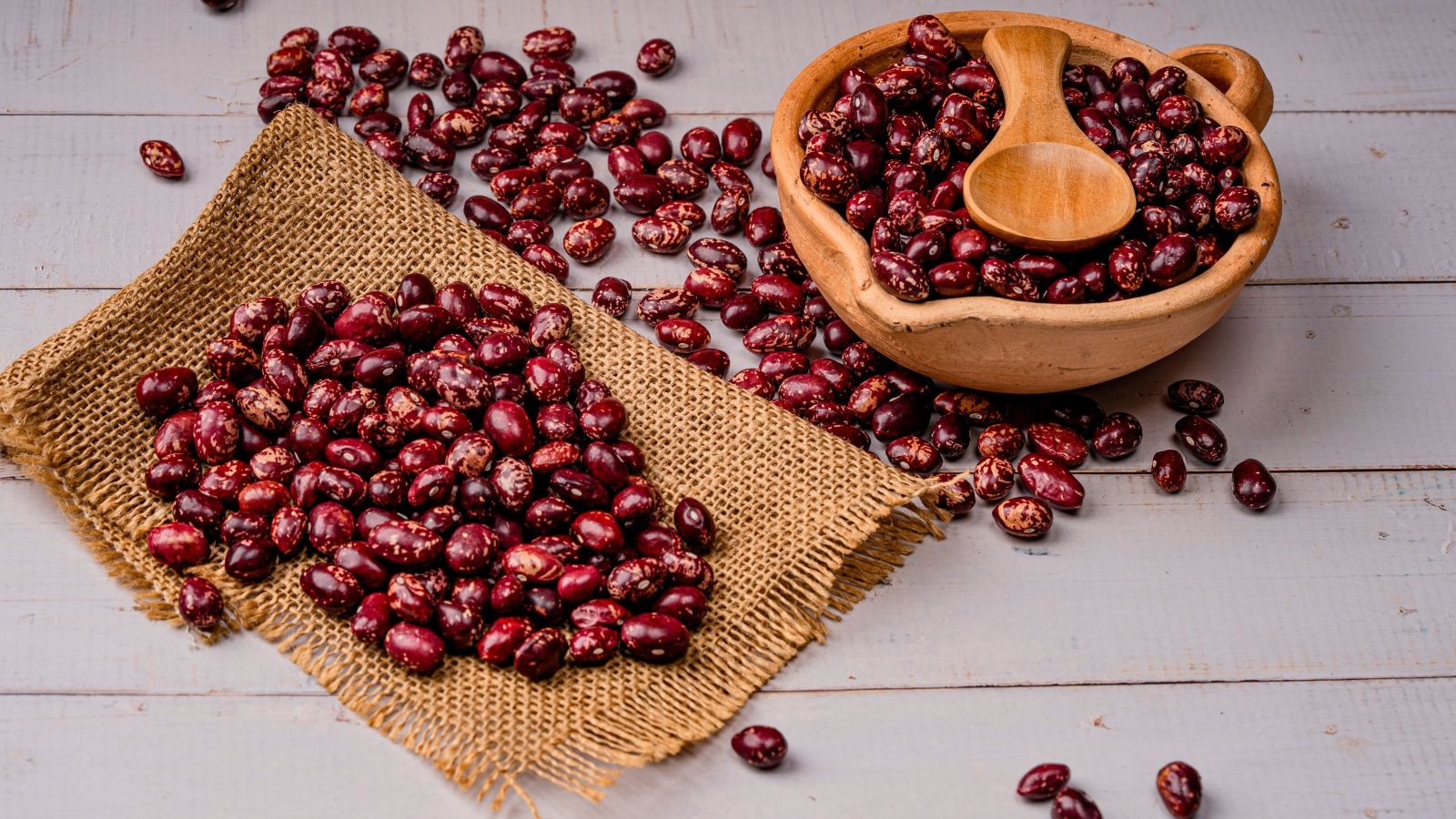
Put dried red kidney beans on the schedule early. FDA advises soaking them for at least 5 hours, draining and boiling in fresh water for at least 30 minutes; New Zealand’s Ministry for Primary Industries also advises against cooking raw kidney beans at low temperatures in a slow cooker. Commercially canned beans have already been processed, so this schedule applies to dried beans. Read your starting ingredient as carefully as your recipe.
Cassava
Cassava needs a preparation plan before it leaves the pan. Hong Kong’s Center for Food Safety describes 4 steps: peeling, soaking, cutting into small pieces, and thoroughly boiling; New Zealand’s ministry says frozen cassava also requires preparation and thorough cooking. The exact process must suit the variety and product you bought.
Fresh bamboo shoots
Start by checking which form is on your counter. For fresh bamboo shoots, Hong Kong’s Center for Food Safety describes a 4-part preparation: peeling, soaking, cutting into small pieces, and thorough boiling. Commercially canned, ready-to-use shoots start from a different point, so follow their directions instead of automatically repeating the fresh-shoot process.
Green, sprouted or damaged potatoes.
Check potatoes before you start cutting. Hong Kong’s Center for Food Safety identifies 3 conditions to check for: green coloration, sprouting, and damage, and recommends discarding the affected potato. It recommends choosing another potato rather than working around the affected areas. Make that selection before you start planning the rest of the dish.
Cooked rice
Rice has a second chapter after you remove the lid. University of Maine Cooperative Extension recommends refrigerating cooked rice within 2 hours, or within 1 hour when the room is 90°F or hotter. For properly stored rice, reheat to 165°F and check with a food thermometer. When you plan tomorrow’s meal around tonight’s rice, schedule refrigeration alongside cooking.
Related: 8 Kitchen Tasks You’re Making Way Harder Than They Need To Be
Homemade garlic or herb oil
Give homemade garlic or herb oil a date and a place in the refrigerator. The CDC recommends refrigerating it and discarding unused portions after 4 days. Write the preparation date on the container so that the instruction stays visible when dinner gets busy. For commercially formulated oils, follow the product’s label rather than automatically applying the homemade batch’s timetable.
Home-canned vegetables
Choose the process before lining up the jars: CDC defines low-acid foods as having a pH above 4.6 and recommends pressure canning for low-acid vegetables. Follow current, tested instructions that match the food, packing method, jar size, and altitude, as CDC and USDA guidance directs. A boiling-water canner or an electric multicooker’s “canning” button does not substitute for the recommended pressure-canning process. If you cannot establish how a jar was processed, CDC advises discarding it without tasting its contents.
Foil-wrapped baked potatoes
Once the potatoes leave the oven, decide what happens next. CDC recommends holding foil-baked potatoes at 140°F or hotter until serving, or refrigerating them at 40°F or colder with the foil loosened to allow air around them. This entry concerns handling after baking; the earlier potato entry concerns selecting the uncooked ingredient. Include both stages in your meal plan, right down to how you handle the foil.
Elderberries
For a homemade elderberry preparation, pause before turning a basket of berries into a recipe. Following NCCIH’s guidance, leave raw or unripe fruit out of uncooked preparations and keep stems and leaves out of your cooking. Its overview supplies no validated home-processing time or temperature, so it cannot serve as a complete recipe.
Rhubarb
With rhubarb, decide which part belongs on the cutting board before doing anything else. MedlinePlus distinguishes the edible stalks from the leaves, which should be excluded from food preparation. Remove the leaves rather than adding them to the recipe as greens, and use the stalks your recipe calls for. Make that simple distinction at the beginning of preparation, before measuring, chopping, or reaching for a pan.
Place the instructions beside the ingredients, and start cooking with a clear plan.