Even familiar foods can hide risks that make improper handling or preparation hazardous. While supermarkets provide convenient access, safety depends on knowledge and care. From meats to vegetables, nuts, and exotic delicacies, these 10 foods require caution to avoid illness or even death.
Chicken and Poultry
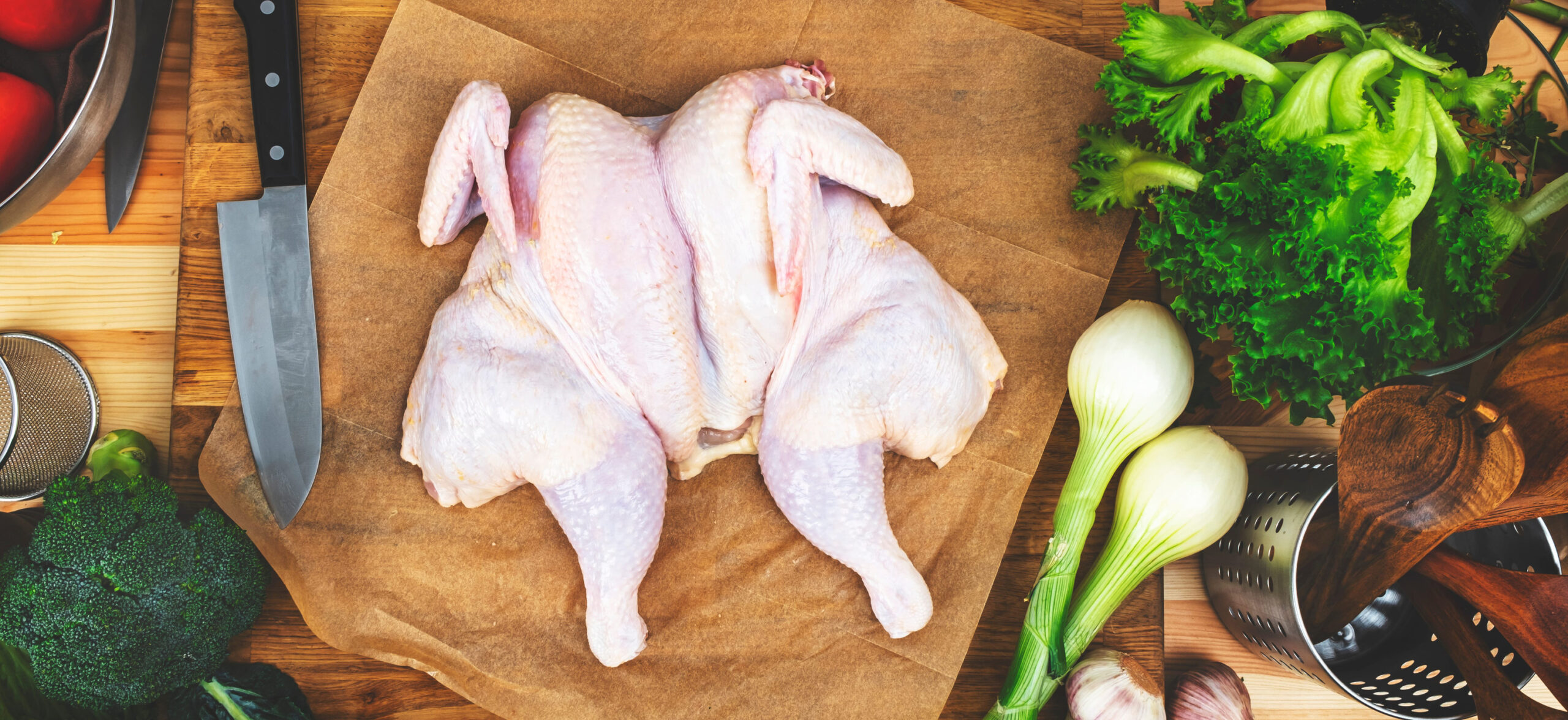
Chicken is a staple worldwide, yet raw or undercooked poultry is a breeding ground for harmful bacteria like Salmonella and Campylobacter.
Cooking to a minimum internal temperature of 165°F kills these pathogens. In Japan, torisashi, a raw chicken dish, is served in specialized restaurants, but the practice is risky elsewhere. Safe handling, including using separate cutting boards and thoroughly cooking, is critical to preventing foodborne illness.
Similarly, other poultry meats should always reach safe cooking temperatures. Cross-contamination can occur when raw juices come into contact with other foods, making hygiene and proper storage essential. Even cooked leftovers need prompt refrigeration to avoid bacterial growth.
Pork and Trichinella Risk
Raw or undercooked pork can contain the parasite Trichinella spiralis, which can cause trichinosis. Cooking pork to medium or higher effectively neutralizes this risk. Modern farming has reduced parasite prevalence, but caution is still warranted.
Certain specialty dishes may use raw pork, but only when sourced from carefully controlled, vegetarian-fed pigs.
Proper freezing and cooking practices remain vital. Handling pork with clean utensils and washing hands thoroughly reduces the risk of cross-contamination, particularly in households with children or immunocompromised members.
Eggs and Salmonella

Raw eggs, sometimes consumed in homemade mayonnaise or desserts, can contain salmonella. While the risk is low, infection can cause nausea, vomiting, and fever. Cooking eggs until both the yolk and the white are firm ensures safety.
Pasteurized eggs provide an alternative for recipes that require uncooked eggs.
Egg handling also requires careful storage. Keep eggs refrigerated, avoid cracked shells, and discard any eggs that have been out of refrigeration for extended periods.
Raw Honey and Infant Botulism
Raw honey contains botulinum spores that can cause infant botulism in children under one year. Adults typically resist these spores, but infants’ underdeveloped gut flora makes them vulnerable. Pasteurized honey eliminates this risk, making it safe for general consumption.
Even adult consumption of raw honey should take into account the source and handling. Contaminated honey can occasionally harbor pathogens, making trusted brands a safer choice.
Potatoes and Glycoalkaloids
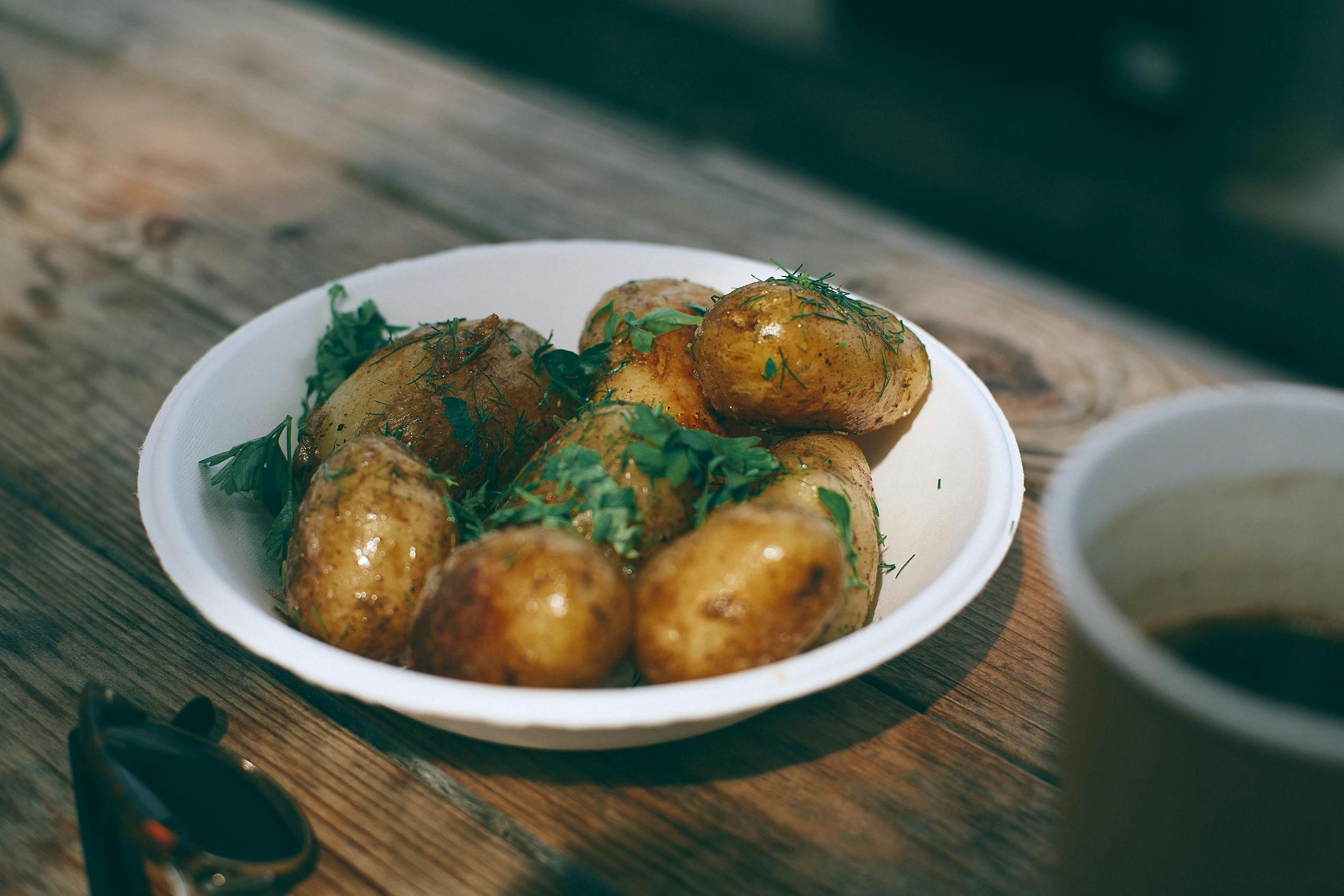
Aged potatoes produce sprouts and green patches containing glycoalkaloids. These compounds can cause vomiting, diarrhea, and even coma in high doses. Discard any potatoes that are green, sprouted, or damaged. Cooking does not fully neutralize these toxins.
Storing potatoes in cool, dark, and dry conditions slows sprouting. Avoid eating potato skins from greened tubers, as toxins concentrate there.
Toxic Fish and Organs
Fish such as silver stripe blaasop have poisonous liver, skin, and reproductive organs that can cause respiratory failure. Similarly, red scorpionfish deploy venom through spines, causing severe pain.
Consumption of these fish requires expert knowledge, removal of toxic parts, or culinary techniques that neutralize toxins.
Consumers should rely on trusted seafood sources and avoid unfamiliar fish species without guidance.
Cassava and Cyanide
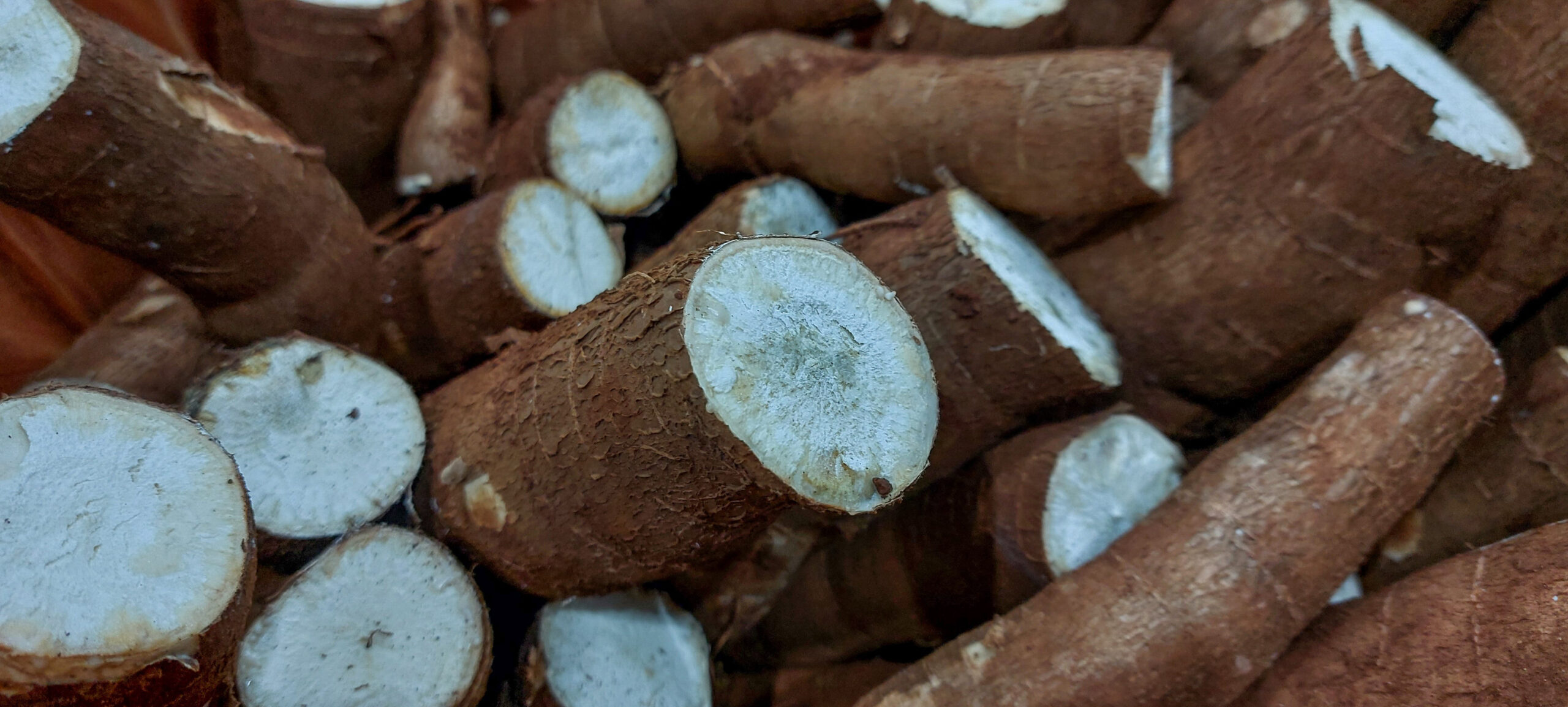
Cassava roots must be soaked and cooked to remove cyanogenic compounds. Bitter varieties, particularly during drought, can contain lethal levels of cyanide. Long-term exposure from insufficient preparation can cause goiter or death.
For safe consumption, adhere to traditional processing methods, ensure proper drying, and avoid raw ingestion.
Raw Nuts and Seeds
Bitter almonds, raw cashews, and Brazil nuts contain cyanide, urushiol, or aflatoxins. Heat treatment, roasting, and proper storage mitigate risks. Overconsumption or raw ingestion can lead to poisoning, allergic reactions, and even cancer.
Consumers should purchase commercially processed nuts and avoid foraged or homemade raw varieties.
Mushrooms and Alcohol Interactions
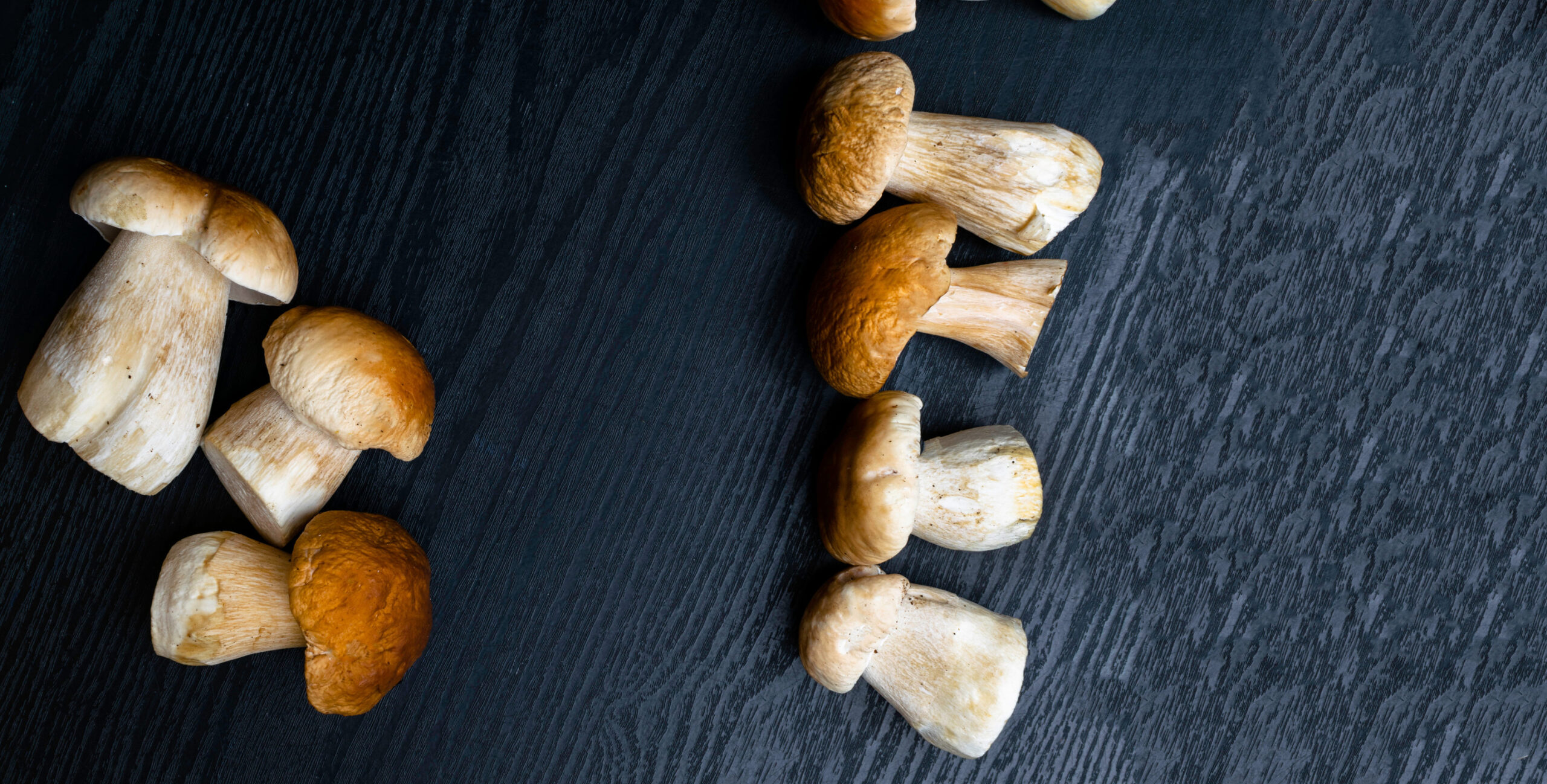
Inky cap mushrooms are harmless alone but induce disulfiram-like reactions with alcohol. Other wild mushrooms may be outright poisonous, causing organ failure or death. Accurate identification and cooking are essential.
Even experienced foragers risk fatal mistakes; when in doubt, avoid consumption.
Dairy and Raw Milk
Raw milk can harbor E. coli, Listeria, and salmonella. Pasteurization effectively eliminates these pathogens. Consumers opting for raw milk must accept the heightened risk of gastrointestinal illness or severe infection, particularly for children, pregnant women, and the elderly.
Strict refrigeration, hygiene, and certified sources reduce risk but do not eliminate it entirely.
Conclusion
These foods demonstrate that safety hinges on preparation, knowledge, and sourcing. Understanding toxic compounds, bacterial risks, and proper cooking methods transforms hazardous foods into safe, enjoyable meals. Even global delicacies with centuries of tradition require informed handling to prevent illness and ensure the culinary experience remains rewarding.