Lab-grown meat was once something most Americans only heard about in discussions of futuristic food technology. Today, companies are producing chicken, salmon, and pork products using animal cells instead of raising and slaughtering animals. But while federal regulators have allowed certain products to move toward commercial sales, several states have decided they do not want them on their menus.
As of November 2026, eight U.S. states have enacted laws restricting the commercial sale or production of cultivated meat. The list includes Alabama, Florida, Indiana, Mississippi, Montana, Nebraska, Texas and South Dakota.
Interestingly, some of these restrictions were introduced before cultivated meat had a documented grocery-store debut in the United States. Now that limited retail sales have happened, the debate over who should control America’s food supply is becoming harder to ignore.
Eight States Have Put Restrictions on Lab-Grown Meat
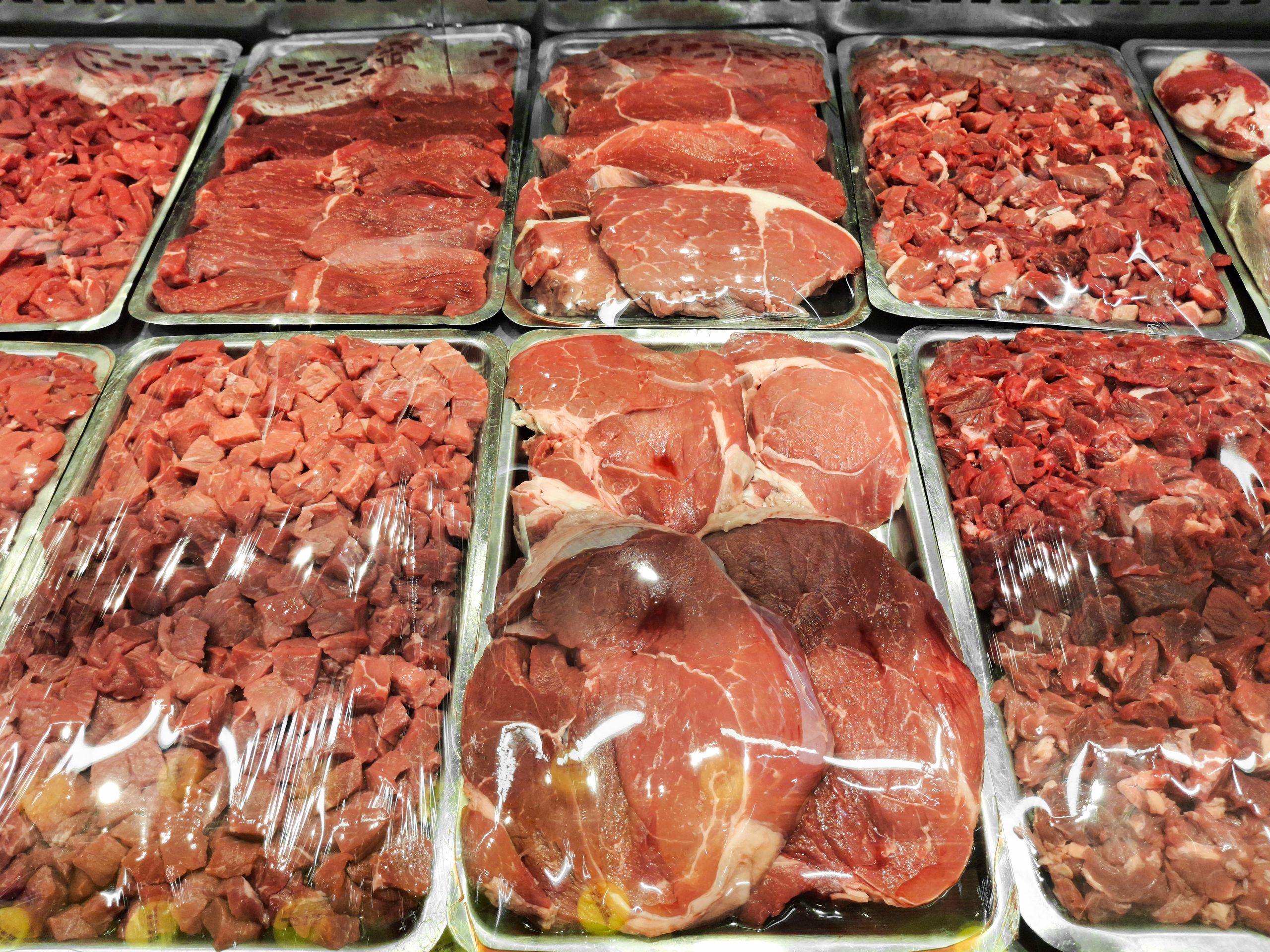
The original wave of restrictions involved seven states, but South Dakota joined the list in 2026.
Here is how the laws break down:
- Florida: Passed SB 1084 in 2024, prohibiting the manufacture for sale, sale, holding for sale, and distribution of cultivated meat. The law took effect July 1, 2024.
- Alabama: Enacted SB 23 in 2024, restricting the manufacture, sale, and distribution of cultivated food products. Its prohibition took effect October 1, 2024.
- Mississippi: Passed HB 1006 in 2025, making the commercial manufacture, sale, and distribution of food produced from cultured animal cells a misdemeanor offense.
- Montana: Enacted HB 401 in 2025, prohibiting the manufacture, sale, and distribution of cell-cultured edible products. The law took effect October 1, 2025.
- Indiana: Passed HB 1425 in 2025, creating a temporary moratorium on selling, offering for sale, or manufacturing cultivated meat. It runs through June 30, 2027.
- Nebraska: Approved LB 246 in 2025, treating cultivated-protein food products as adulterated food and restricting their commercial production, distribution and sale.
- Texas: Passed SB 261 in 2025, prohibiting the sale and offering for sale of cell-cultured protein for human consumption. The restriction took effect September 1, 2025, and expires September 1, 2027.
- South Dakota: Enacted SB 124 in 2026, establishing a five-year moratorium from July 1, 2026, through June 30, 2031.
These laws are not identical. Some have expiration dates, while others have no specified sunset. They also differ in the activities they prohibit, so it would be misleading to suggest that all eight states have banned simply possessing or eating cultivated meat.
Why Are States Pushing Back Against Lab-Grown Meat?
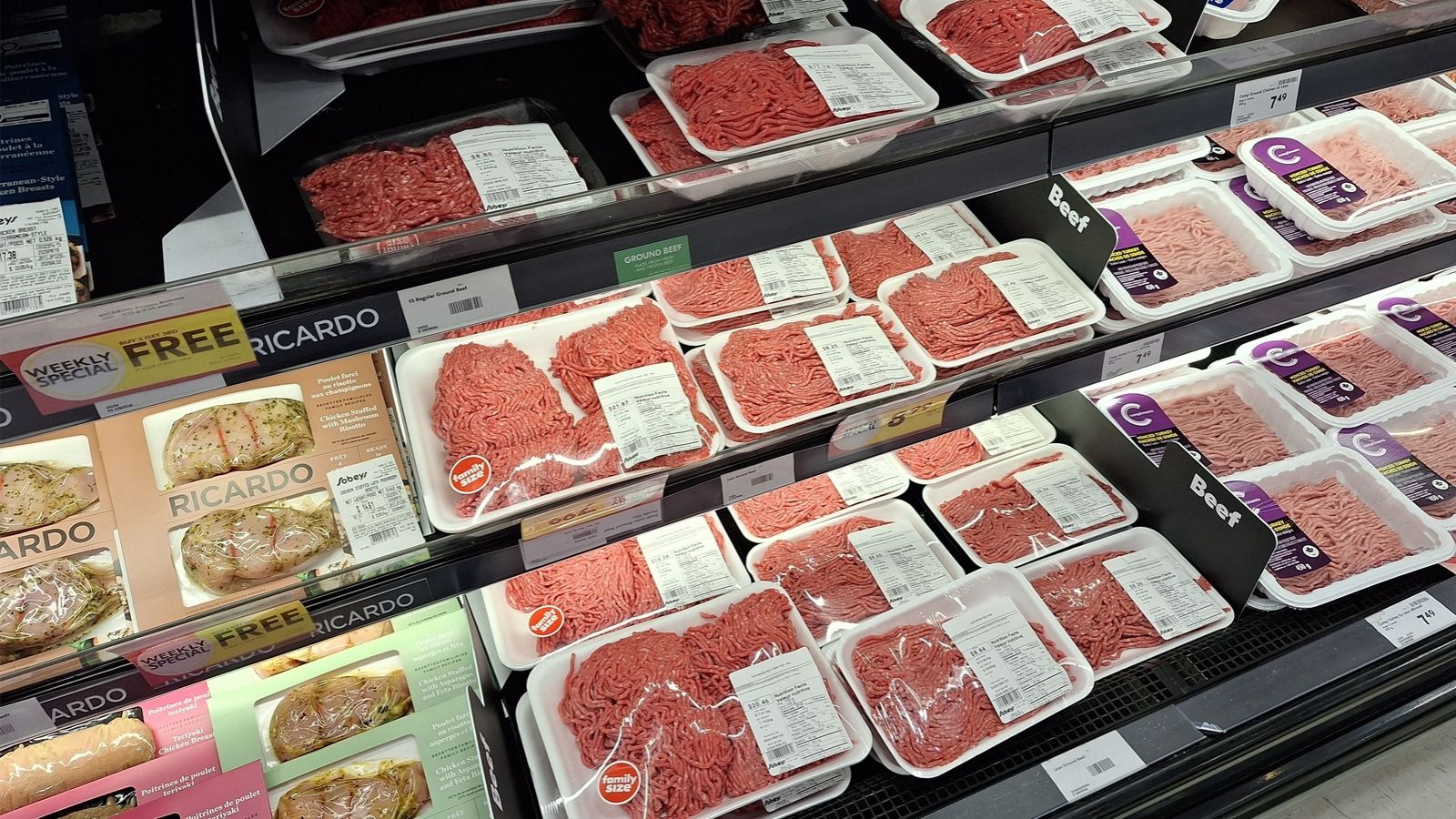
One major concern among lawmakers is protecting traditional agriculture.
In Florida, Agriculture Commissioner Wilton Simpson publicly supported the restriction, saying, “We must protect our incredible farmers and the integrity of American agriculture.”
Montana Governor Greg Gianforte also connected his state’s prohibition to protecting ranchers and traditional agricultural practices.
The argument is that conventional farmers and ranchers should not have to compete against an emerging food industry that operates through a completely different production system.
Food safety has also entered the discussion. Some lawmakers have expressed concerns about how cultivated products are produced, what they contain, and whether consumers fully understand the technology.
Labeling is another issue. Agricultural organizations have called for cultivated products to be clearly distinguished from conventional meat so shoppers know what they are buying.
However, these concerns should not be confused with scientific findings that approved cultivated products are unsafe. They represent different policy arguments, and not every agricultural organization supports an outright ban.
Federal Regulators Have Already Cleared Several Products
Here is where things get interesting.
The federal government has not treated cultivated meat as automatically prohibited. Instead, the Food and Drug Administration (FDA) and the U.S. Department of Agriculture (USDA) share regulatory responsibilities for certain products.
The FDA oversees important early production stages, including cell collection, banking, and growth. For covered meat and poultry products, USDA oversight takes over at harvest, including inspection and labeling requirements.
Several companies have completed FDA pre-market consultations.
These include UPSIDE Foods and GOOD Meat, which received responses for cultivated chicken, Mission Barns for cultivated pork-fat cells, Wildtype for cultivated salmon, and Believer Meats for cultivated chicken.
But there is an important distinction: FDA’s completed consultation does not mean blanket approval for every cultivated-meat product.
In fact, the FDA has explained that its voluntary pre-market consultation is not an approval process. A completed consultation means the agency reviewed the company’s submitted safety information and had no further questions at that time.
Companies must still meet other applicable federal requirements before bringing products to market.
Lab-Grown Meat Has Already Reached American Diners
Although cultivated meat is not widely available in ordinary supermarkets, Americans have already had opportunities to try it.
In July 2023, UPSIDE Foods introduced cultivated chicken at Bar Crenn in San Francisco. GOOD Meat followed with cultivated chicken at China Chilcano in Washington, D.C., later that month.
Wildtype introduced cultivated salmon at Kann in Portland, Oregon, in 2025.
Mission Barns also introduced products combining cultivated pork fat with plant-based ingredients.
Perhaps the biggest milestone came on November 1, 2025, when Mission Barns’ cultivated-pork-fat meatballs appeared in a limited retail sale at Berkeley Bowl West in California.
The reported price was $13.99 for eight meatballs.
That sale matters because it demonstrated that cultivated-meat products could move beyond restaurant tastings and reach a grocery retailer. However, it was a limited offering, not evidence that cultivated meat had become a regular supermarket staple.
What Do American Consumers Think About It?
Not everyone is rushing to try meat grown from animal cells.
A 2023 Associated Press-NORC survey of 1,247 U.S. adults found that 18% were extremely or very likely to try lab-grown meat. Another 30% were somewhat likely, while 50% said they were not very or not at all interested.
A separate 2025 Morning Consult survey commissioned by the Good Food Institute found that 30% of respondents were extremely or very likely to try a free sample. However, only 19% said they were extremely or very likely to purchase cultivated meat.
These findings suggest that curiosity and willingness to buy are different.
Some consumers may want to try a new food technology without making it part of their regular grocery shopping.
The Legal Fight Over Who Controls the Food Supply Continues
Cultivated-meat companies are not simply accepting the state restrictions.
UPSIDE Foods challenged Florida’s law in federal court, arguing that it conflicted with federal regulations and unfairly restricted interstate commerce.
In March 2026, the Eleventh Circuit upheld the denial of the company’s request for a preliminary injunction. That meant Florida’s prohibition remained enforceable. However, the decision did not resolve every constitutional argument raised in the broader lawsuit.
Texas is also facing a legal challenge from UPSIDE Foods and Wildtype. The Fifth Circuit heard arguments on November 4, 2026, but no decision had been issued by November 11.
For now, the debate remains far from settled.
Could Cultivated Meat Become a Regular Grocery Item?
The technology has moved beyond laboratory demonstrations, and limited commercial sales have already happened. Still, regulatory clearance does not guarantee that shoppers will find cultivated chicken, salmon, or pork in their local supermarkets.
Production capacity, supply, state laws and consumer demand will all influence how quickly the industry develops.
For traditional farmers, the restrictions represent an attempt to protect an established agricultural system. For cultivated-meat companies, they create additional barriers to reaching potential customers.
And for shoppers, the question is surprisingly simple: Should a product that has completed federal regulatory reviews be available wherever consumers want to buy it, or should individual states have the final say?
That question could shape the future of America’s grocery stores for years.