America has turned fitness into a loud marketplace where every scroll promises a better body, a tighter waist, and a brand new life by next month. The problem is that many of those promises sound exciting, but they leave people sore, discouraged, hungry, confused, and quietly blaming themselves when the magic does not happen.
Before another flashy workout trend convinces you to punish your body for attention, these are the alarming lies many Americans keep falling for.
Sweat Means You Had A Great Workout

Sweat can make a workout feel dramatic, but it does not always prove the session was effective. Some people sweat heavily during light movement, and others barely sweat during serious strength training. Heat, room temperature, stress, clothing, and hydration can all change how much sweat appears on your skin.
The real measure is not how soaked your shirt looks in the mirror. A useful workout should improve strength, stamina, mobility, balance, or confidence over time. Chasing sweat alone can push people toward exhausting routines that feel intense but offer little lasting progress.
Pain Means Progress Is Happening
Many Americans still treat pain like a badge of honor, especially in gym culture. A little muscle soreness can happen after a challenging session, but sharp pain, joint pain, or pain that changes how you move is not a trophy. Your body uses pain as a warning, not as applause.
This lie becomes hazardous because people ignore their own signals, allowing small problems to grow into bigger setbacks. Fitness should challenge the body, not punish it into silence. A smarter routine makes you stronger without making daily life feel like a punishment.
Cardio Is The Only Way To Lose Weight

Cardio has a place in fitness, but it is not the only path to a healthier body. Many people run, cycle, or climb stairs for long stretches, then wonder why they still feel weak, tired, or frustrated. Movement helps, but strength training, diet, sleep, stress, and consistency matter too.
The cardio-only mindset can lead people to fear weights or avoid building muscle because they think it will slow their progress. In reality, a stronger body often handles daily movement better and feels more capable. When cardio becomes the whole plan, people may miss the balanced approach their bodies actually need.
Lifting Weights Will Make You Look Bulky
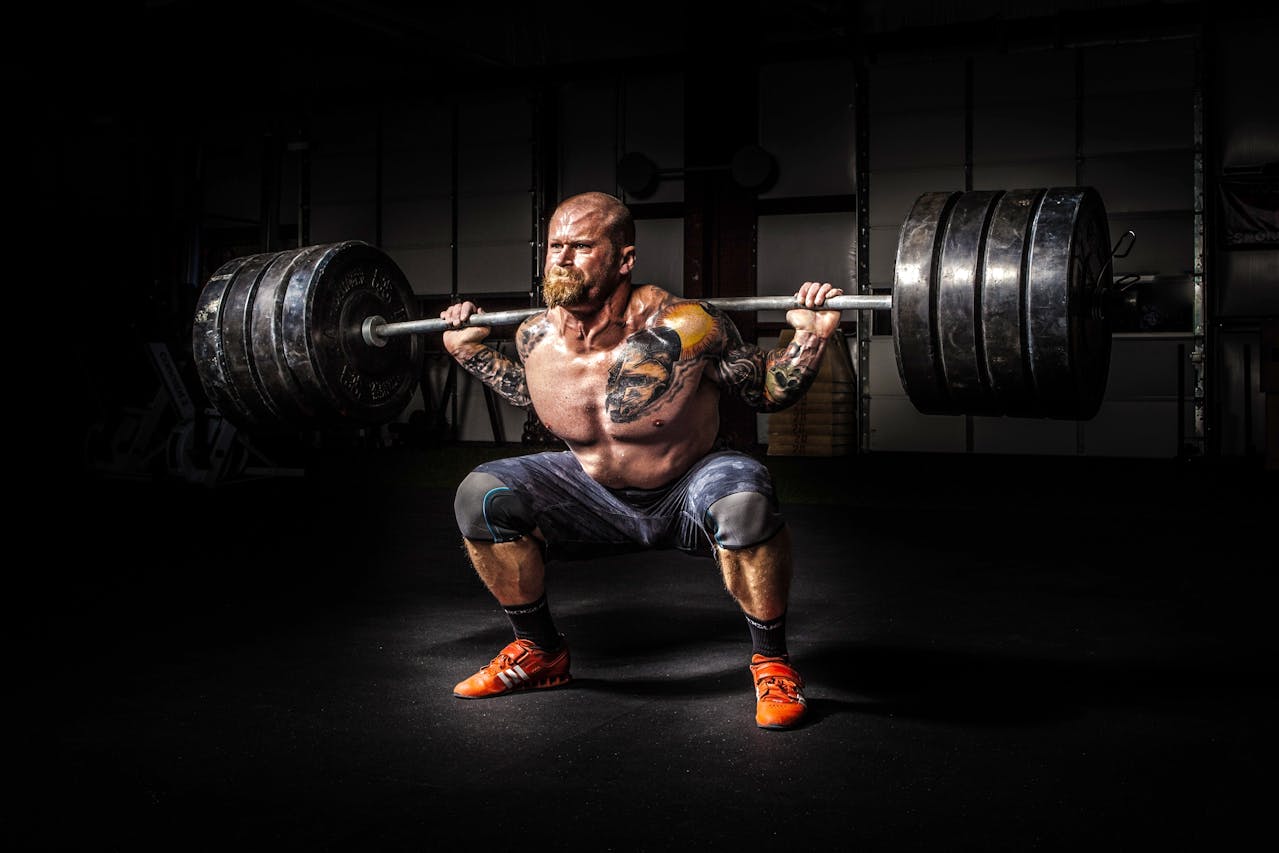
This lie has chased many people, especially women, away from the weight room for years. The fear is that picking up dumbbells will suddenly create a body they do not want. Real strength building takes time, food, recovery, patience, and steady effort.
Weights do not automatically make anyone bulky. They can help build muscle tone, improve posture, support joints, and make everyday tasks feel easier. Avoiding strength training out of fear can leave people stuck doing workouts they do not enjoy and missing the confidence that comes with feeling powerful.
You Must Work Out Every Day
Daily movement can be healthy, but daily hard training is not a requirement for progress. Many Americans get trapped in the idea that rest is laziness and skipping the gym means failure. That belief can turn fitness into guilt instead of growth.
The body needs time to recover to adapt, repair, and come back stronger. Rest days, gentle walks, stretching, or lighter sessions can support progress rather than ruin it. A person who trains with wisdom often lasts longer than someone who burns out chasing a perfect streak.
More Time In The Gym Means Better Results
Long workouts can look impressive, but time alone does not determine success. Some people spend hours moving from machine to machine without a clear plan, then leave feeling drained rather than improved. A focused session can do more than a scattered routine that simply eats up the day.
This lie also makes fitness feel impossible for busy people. Parents, workers, students, and caregivers may think they have already failed because they cannot live inside a gym. The truth is that smart movement done consistently can fit into real life without demanding that life disappear.
You Can Outwork A Poor Diet

A hard workout can make people feel like they have earned anything on the menu. The trouble begins when exercise becomes a permission slip for habits that leave the body undernourished, sluggish, or constantly craving more. Fitness and food are connected, even when people want them to live in separate rooms.
This does not mean eating has to become joyless or strict. It means the body needs enough protein, fiber, fluids, and steady meals to support the work being done. When people try to outrun poor eating patterns, they often end up tired, frustrated, and confused by their own lack of results.
A Trendy Workout Must Be Better
Every season seems to bring a new fitness obsession that claims to be the missing answer. It might be a celebrity routine, a viral challenge, a spiritual movement trend, or a brutal class that makes people feel tough for surviving it. Trendy does not always mean safe, useful, or right for your body.
A workout should align with your goals, fitness level, schedule, and your actual body. Something can look exciting online and still be wrong for your knees, back, energy, or mental health. The best routine is often less glamorous than the trend, but more honest and easier to keep.
Supplements Can Replace Discipline

Fitness marketing often sells hope in a bottle, a powder, a gummy, or a bright little scoop. Many Americans want the shortcut because discipline feels slow and ordinary compared with a product that promises transformation. Supplements may support some routines, but they cannot replace movement, sleep, balanced meals, and patience.
The danger is that people spend money before they build habits. They collect products, follow influencers, and keep waiting for energy or results to arrive from the outside. Real change usually begins with daily choices that look boring but quietly build a stronger life.
The Scale Tells The Whole Story
The scale can be useful, but it is not the full story of fitness. A person can gain strength, improve endurance, sleep better, feel steadier, and move with more confidence before the scale shows the number they want. Bodies are more complex than a single morning measurement.
This lie creates emotional whiplash because people let a number decide their mood. A higher reading can come from water, hormones, food timing, soreness, or normal body changes. Fitness should be measured by energy, strength, consistency, clothing fit, health markers, and how your body carries you through life.
Conclusion
The most alarming workout lies are dangerous because they often sound like discipline. They tell people to suffer more, rest less, buy more, sweat harder, and ignore the quiet wisdom of their own bodies. That message may sell programs, but it does not always build a healthier person.
A better fitness life starts when people stop chasing punishment and start building trust with their bodies. You can train hard without treating pain as proof, eat well without becoming miserable, and move consistently without handing your whole life over to the gym.
The goal is not to become perfect by next week, but to become stronger, steadier, and more honest with yourself.
Americans do not need another loud fitness lie dressed up as motivation. They need routines that respect real bodies, real schedules, real stress, and real progress. Once the noise fades, the truth is simple enough to remember: the workout that helps you live better is more valuable than the workout that only looks impressive online.