A wedding day carries a strange kind of magic. Months of planning, saving, tasting, fitting, booking, confirming, and dreaming all pour into one emotional day that seems to move faster than anyone expects. We imagine the aisle, the vows, the first dance, the flowers, the photos, and the faces of the people we love. Then real life walks in wearing uncomfortable shoes, carrying a delayed cake, and checking the weather app with bad news.
The truth is simple. Wedding day problems are common, but most of them do not become disasters when we plan with sense instead of panic. A late bridesmaid, a sudden downpour, a missing boutonniere, a tight timeline, family tension, or a hungry couple can all be handled with the right systems in place. The best weddings are not the ones where nothing goes wrong. They are the ones in which the couple feels protected, prepared, and free to enjoy the day, even when something unexpected happens.
Forgotten Wedding Items Can Create Morning Panic

One of the most common wedding day problems is forgetting something small that suddenly feels enormous. Rings, vows, marriage license documents, perfume, cufflinks, comfortable shoes, lipstick, a veil, a phone charger, or family heirlooms can easily get left behind because the wedding morning is busy and emotional. Nobody forgets these things because they are careless. They forget them because the brain is trying to manage excitement, nerves, relatives, vendors, messages, photos, and time pressure all at once.
Bad Weather Can Disrupt Outdoor Wedding Plans
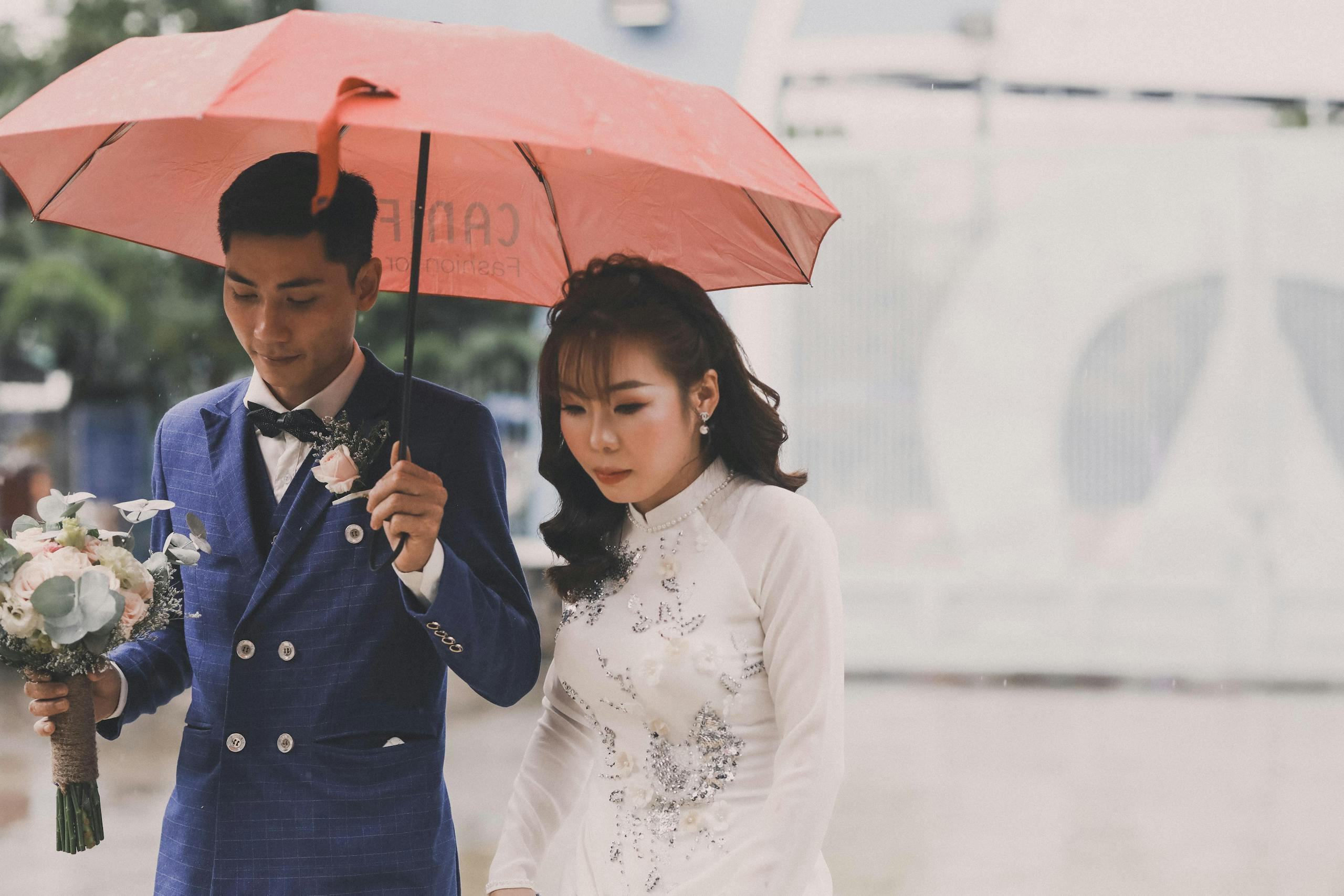
Rain, wind, heat, cold, humidity, dust, and sudden temperature drops can quickly change the mood of an outdoor wedding. Many couples plan their ceremony around a perfect weather fantasy, especially when the venue has a garden, beach, rooftop, vineyard, or courtyard. Then the forecast shifts, guests become uncomfortable, hair reacts badly to moisture, chairs get wet, and the aisle suddenly looks less romantic than expected. The weather is one of the few wedding details nobody can control, but we can control how ready we are for it.
The smartest solution is to build a weather backup plan into the wedding from the beginning. A tent, indoor room, covered terrace, chapel, reception hall, or quick flip setup should be confirmed before the wedding day. We should never treat the backup location as a sad second choice. It should be styled, measured, photographed, and included in the timeline so the team knows exactly how to move if the weather changes. When the backup plan is intentional, guests experience smooth coordination rather than chaos.
Hair and Makeup Delays Can Break the Entire Timeline

Beauty delays are among the easiest wedding-day problems to underestimate. Hair and makeup often take longer than planned because there are more people, more touch-ups, more opinions, and more emotional interruptions than expected. A bridesmaid may arrive with wet hair. A mother may request a style change. A makeup artist may need extra time for lashes, skin prep, or corrections. By the time the couple realizes the schedule is slipping, photography, first look, transportation, and ceremony timing may already be under pressure.
We solve this with a realistic beauty timeline that starts earlier than feels necessary. The bride or main person getting married should never be last in the chair. We should place them near the middle or early final phase, leaving enough time for dressing, portraits, private moments, and unexpected fixes. Every person receiving beauty services should know their exact time slot before the wedding morning. Late arrivals should understand that their delay affects everyone, not just themselves.
Family Drama Can Steal Attention From the Couple
Family tension is one of the most delicate issues on the wedding day because it often begins long before the wedding. Divorced parents, seating disputes, unresolved arguments, jealous relatives, difficult in-laws, opinionated siblings, or guests who feel ignored can bring emotional pressure into the celebration. The couple may want peace, but weddings gather history in one room. If nobody manages that history, small comments and awkward moments can grow quickly.
We solve family drama by creating boundaries before the wedding day. Sensitive seating arrangements should be handled early and reviewed carefully. People who should not sit together should be separated deliberately, not by hope. The couple should also choose a drama manager, such as a trusted friend, planner, sibling, cousin, or coordinator, who can intercept tension before it reaches them. The couple should not spend their wedding day resolving arguments created by other adults.
Hunger and Dehydration Can Make the Couple Feel Miserable
Many couples forget to eat on their wedding day. They wake up nervous, move straight into hair and makeup, answer messages, take photos, greet people, and suddenly realize they’ve been surviving on coffee, champagne, and adrenaline. Hunger creates headaches, dizziness, mood swings, low energy, and short tempers. Dehydration can make things even worse, especially during warm weather, long ceremonies, heavy outfits, or outdoor portraits.
We solve this by planning meals into the timeline rather than hoping the couple will find time. Breakfast should be simple, filling, and gentle on the stomach. Protein, fruit, toast, eggs, yogurt, smoothies, or oatmeal can help sustain energy without feeling too heavy. During the getting-ready period, we should keep easy snacks nearby, such as protein bars, crackers, nuts, fruit, and sandwiches, along with water bottles. The couple should not have to ask for food. Someone should bring it to them.
Late People and Vendor Delays Can Shift the Whole Day
Wedding timelines often look perfect on paper and fragile in real life. A bridesmaid hits traffic. A groomsman cannot find parking. The florist arrives later than expected. The cake delivery gets delayed. Transportation takes longer because guests are confused. The officiant needs extra time. The photographer is ready, but the family members needed for portraits have wandered off. One delay can push the next event back, leaving the entire day feeling rushed.
We solve delays by building buffer time into every major transition. The timeline should not assume perfect movement. It should allow extra minutes for getting dressed, walking between locations, loading vehicles, gathering relatives, fixing clothing, refreshing makeup, and moving guests. We should tell key people to arrive earlier than the actual required time. If family portraits begin at 2:00, the family should be told to arrive at 1:45. Wedding time works best when it respects human behavior.
Wardrobe Malfunctions Can Happen at the Worst Moment
Wedding clothing is beautiful, but it is not always practical. Zippers stick, buttons pop, straps loosen, bustles break, veils catch, heels sink into grass, suits feel too tight, and dresses can become difficult to walk in after hours of movement. These problems feel dramatic because they happen in front of cameras, guests, and family. A wardrobe issue can also make the couple feel self-conscious, especially when the outfit has been carefully chosen for months.
We solve wardrobe emergencies with preparation and practice. Every wedding party should have access to a clothing emergency kit that includes safety pins, fashion tape, a mini sewing kit, stain remover wipes, a lint roller, scissors, extra buttons, clear nail polish, static spray, heel protectors, and comfortable backup shoes. The outfit should also be tested before the wedding day. We should practice walking, sitting, hugging, dancing, using stairs, getting in and out of cars, and moving through narrow spaces.
Missing Couple Photos Can Become a Lasting Regret
A wedding day can produce hundreds of photos and still miss the images that matter most. Couples often take pictures with parents, bridesmaids, groomsmen, extended family, guests, decor, cake, rings, and table settings, then realize they barely had quiet portraits together. This happens because the couple becomes the center of everyone else’s requests. People pull them into conversations, group photos, hugs, and reception moments until the day disappears.
We solve this by protecting dedicated time for couple portraits. A private 15 to 30-minute photo session should be built into the timeline, ideally during golden hour when the light is soft and flattering. This session should not be treated as optional. It is often the only quiet part of the day where the couple can breathe, touch, laugh, and remember that the wedding is about their relationship. The photographer should know the must-have shots in advance, but the schedule should also allow natural moments.
Wedding Day Anxiety Can Make the Celebration Feel Overwhelming
Even happy weddings can feel emotionally intense. The couple may feel pressure to look perfect, greet everyone, stay on schedule, satisfy family, smile for photos, remember vows, and absorb the meaning of the day. Loud music, crowded rooms, tight clothing, constant attention, and nonstop decisions can overwhelm even calm people. Wedding day anxiety does not mean something is wrong. It means the moment is big.
We solve overwhelm by scheduling private pauses. The couple should take short breaks together throughout the day, even if they last only five minutes. A private first look, a quiet room after the ceremony, a hidden dinner moment, or a short walk before the reception can help them reset. During these pauses, they do not need to perform for guests or cameras. They can breathe, drink water, hold hands, and remember why the day matters.
Ceremony Mistakes Can Feel Embarrassing in the Moment
Ceremony mistakes are common because emotions run high when everyone is watching. Someone may trip slightly, forget a line, laugh at the wrong moment, cry harder than expected, drop a ring, mispronounce a name, or stand in the wrong place. Music may start late. A child in the wedding party may freeze. A phone may ring. These moments can feel embarrassing in real time, but they often become the stories people remember with affection.
We solve ceremony stress through rehearsal and mindset. A rehearsal helps the wedding party understand where to stand, when to walk, how slowly to move, who holds what, and what happens after the vows. The officiant should guide the couple through the flow so nobody feels lost. Music cues, ring handling, microphone placement, and processional order should be checked before the ceremony. A little practice creates a lot of calm.
Conclusion
Wedding day problems are not signs that the celebration has failed. They are signs that a real event is happening with real people, real emotions, real weather, real timelines, and real moving parts. Something may run late. Someone may cry at the wrong time. A zipper may misbehave. The sky may change its mind. A guest may complain. A speech may wander. None of that has to define the day.