The review of ICE’s employee vetting process has placed renewed attention on how federal immigration officers are screened, investigated, and cleared for duty following allegations involving an agent connected to a fatal shooting in Maine.
The controversy has intensified after White House border czar Tom Homan said Immigration and Customs Enforcement’s hiring and background review procedures must be examined amid questions about whether potentially disqualifying information was missed before the officer joined the agency.
The case has sparked a broader debate about federal law enforcement accountability, employee screening standards, and whether agencies have sufficient safeguards in place when reviewing the backgrounds of officers entrusted with significant authority.
Tom Homan Calls for Review of ICE Background Screening Procedures
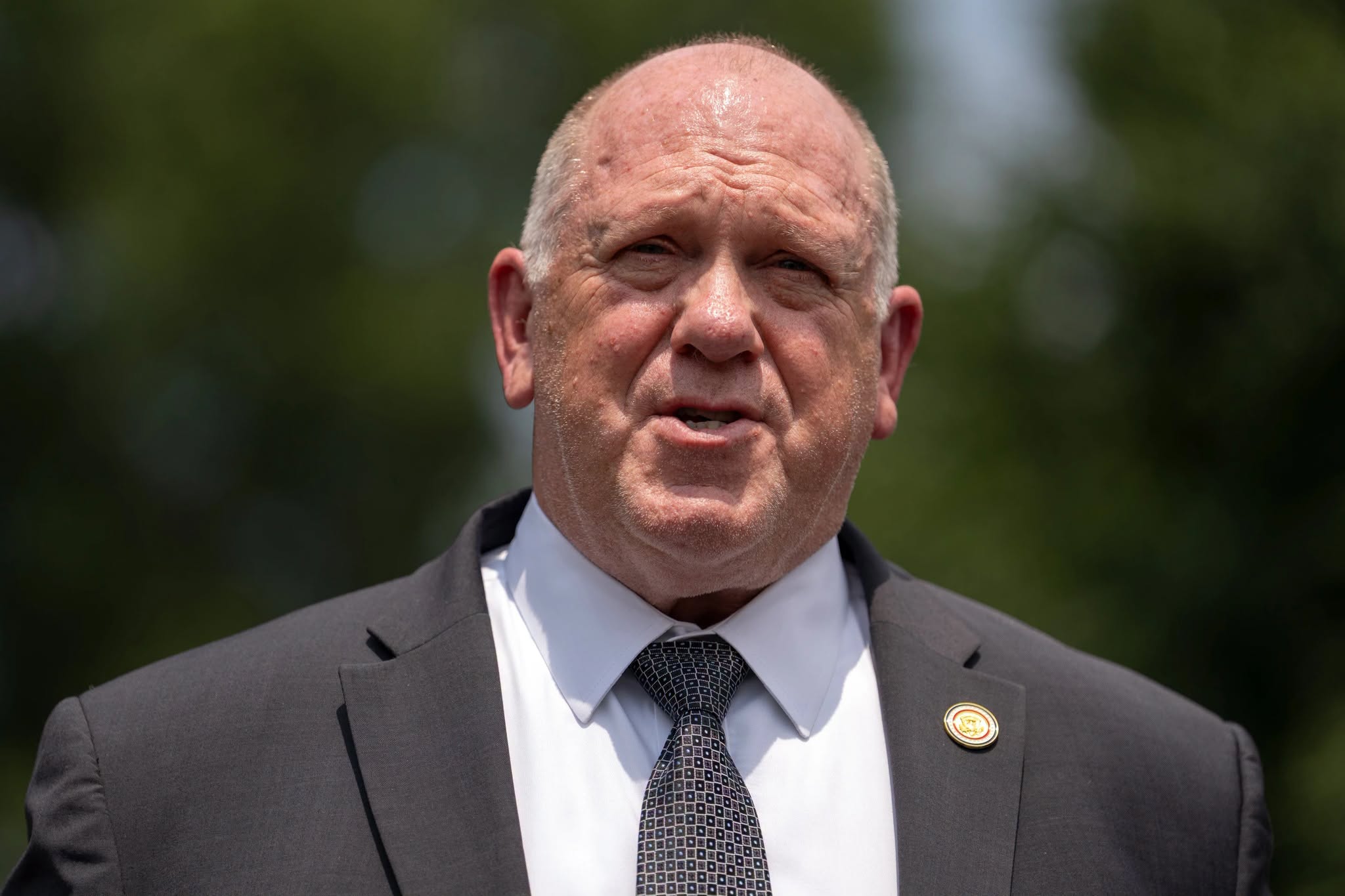
Tom Homan addressed concerns about ICE’s vetting process during an appearance on CNN’s State of the Union, where he discussed allegations involving an ICE officer accused of having a history of domestic abuse claims.
During the interview, host Dana Bash presented court documents showing allegations involving the officer, including claims from two former spouses. The documents indicated that a judge had previously ordered the individual to surrender firearms.
Homan said that if the allegations are accurate, the situation raises serious questions about how the officer passed the agency’s screening process.
“If those are facts, I don’t think he should ever have cleared vetting,” Homan said.
The border czar questioned whether the information was available to investigators at the time of hiring or whether gaps existed within the review system.
The comments triggered an administrative review focused not only on the individual case but also on whether ICE’s broader hiring procedures are identifying warning signs before officers receive federal authority.
Fatal Maine Shooting Puts ICE Accountability Under Spotlight
The review follows the fatal shooting of Joan Sebastian Guerrero, a Colombian national who was legally permitted to live and work in the United States.
The incident occurred on July 13 during an attempted traffic stop involving ICE personnel. Officials from the Department of Homeland Security said the officer involved opened fire while fearing for public safety.
Guerrero was not reportedly the individual targeted by the immigration enforcement action that led officers to the scene.
The circumstances surrounding the shooting have drawn attention because questions remain about the events leading up to the gunfire, the officer’s decision-making, and the procedures followed during the encounter.
Security footage later obtained by Newsweek showed Guerrero’s vehicle moving through an intersection after multiple shots were fired. Officers then removed him from the vehicle, placed him in handcuffs, and provided medical assistance.
The absence of body camera footage from the officers involved has also fueled criticism and calls for greater transparency in immigration enforcement operations.
Allegations Against ICE Officer Raise Questions About Hiring Standards
The officer involved in the shooting was publicly identified by an ex-wife, Ashley Brouillette, who said she recognized him as the ICE agent involved in the incident.
Brouillette later described past allegations of abuse during their marriage and said the officer contacted her after the shooting, asking her to support his reputation publicly.
She told NPR that he asked her not to discuss the allegations and instead provide positive statements about his character.
Brouillette said she refused to hide information about the relationship.
The allegations have become central to questions surrounding ICE’s internal screening process. Federal law enforcement agencies typically conduct background investigations that may include criminal records checks, employment history reviews, interviews, and assessments of an applicant’s suitability for public service.
However, the effectiveness of those systems depends heavily on whether investigators can access accurate information and whether relevant records are properly reviewed before hiring decisions are made.
How Federal Law Enforcement Vetting Processes Typically Work
Federal agencies rely on extensive background investigations designed to evaluate whether applicants meet standards for integrity, judgment, and reliability.
A typical review process may involve several stages:
Investigators may examine:
- Criminal records
- Financial history
- Previous employment
- Military service records
- References and personal contacts
- Past disciplinary issues
- Legal proceedings
- Conduct that could affect public trust
For agencies responsible for immigration enforcement, these reviews are especially significant because officers frequently carry firearms, conduct arrests, and make decisions affecting people’s legal status and freedom.
ICE Faces Growing Pressure Over Transparency and Oversight
The shooting investigation comes at a time when immigration enforcement agencies are facing increased scrutiny over operational practices.
Critics argue that stronger oversight mechanisms are necessary to ensure officers are held accountable and that misconduct concerns are addressed before they lead to serious consequences.
Supporters of immigration enforcement maintain that officers often operate in unpredictable and dangerous environments where they must make rapid decisions under pressure.
The debate has increasingly centered on finding a balance between officer safety, public safety, and accountability.
The Maine shooting has brought that discussion into sharper focus by raising questions about whether existing safeguards are strong enough.
The Broader Debate Over Law Enforcement Background Checks
The concerns surrounding the ICE officer have highlighted a larger issue facing law enforcement agencies across the country: how to identify potential risks before someone receives the authority to enforce laws.
Background investigations are designed to prevent unsuitable candidates from entering sensitive positions, but agencies often face challenges when dealing with incomplete records, sealed cases, conflicting information, or allegations that do not result in criminal convictions.
Experts have long emphasized that screening systems must evolve as agencies identify weaknesses.
Possible improvements discussed in law enforcement hiring include:
- More frequent background reviews after hiring
- Better information sharing between agencies
- Expanded psychological evaluations
- Stronger monitoring of complaints and disciplinary records
- Improved accountability systems
What Happens Next for ICE’s Vetting Review
The administrative investigation into the ICE vetting process is expected to examine whether relevant information about the officer was available before employment and whether proper procedures were followed.
The review could determine whether the issue involved an individual failure, a communication breakdown between agencies, or a larger weakness in the hiring system.
For ICE, the outcome could influence future policies surrounding recruitment, screening, and officer accountability.
For lawmakers and the public, the case represents another test of how federal immigration agencies balance enforcement responsibilities with transparency and public trust.
As investigations continue, the central question remains whether existing safeguards successfully identify risks before officers are placed in positions involving life-and-death decisions.