Marriage should not feel like sitting in rush-hour traffic with no exit, no radio, and someone beside you blaming you for the jam. It should not feel like walking into your own home and checking the emotional weather before you speak.
It should not feel like sharing a bed, a grocery list, a Netflix password, and a Costco membership with someone who still makes you feel completely alone.
The truth usually arrives quietly. You feel calmer when they leave the house. You stop sharing good news because their reaction ruins it. You realize peace has started to feel more comforting than closeness. Every marriage has hard seasons, but even in hard seasons, there is care, effort, repair, and hope.
The wrong marriage feels different. It drains you, shrinks you, and teaches you to survive instead of connect.
You feel lonely even when they are beside you.

One of the clearest signs you married the wrong person is feeling lonely inside the marriage. You may share the same bed, the same home, the same bills, and the same weekend plans, yet still feel emotionally invisible.
That kind of loneliness hurts because the person is physically there, but emotionally missing. It is the silence after you share something important and get no real response. It is the ache of being close enough to touch someone, but still feeling like you are living on different planets.
A healthy marriage does not require constant deep talks every night. But it should offer emotional presence. Your spouse should feel like someone who notices when your spirit drops, not someone who only notices when dinner is late or the house is quiet.
Research on marital quality and loneliness shows how spousal support and strain can shape emotional well-being. Loneliness in marriage is not just sadness. It is a warning that the connection has been replaced by routine.
Every conversation turns into a fight.
Arguments happen in marriage. Couples disagree about money, chores, parenting, schedules, in-laws, and who left one spoon in the sink like it was a personal statement. Normal conflict does not mean the marriage is wrong.
The problem starts when every conversation feels like stepping into a courtroom. You ask a simple question, and they hear an accusation. You bring up a concern, and they attack your tone. You explain your feelings, and suddenly you are defending your memory, your timing, and your right to be hurt.
After a while, you stop talking. Not because everything is fine, but because silence feels safer than another emotional war. That is dangerous because unresolved problems do not disappear. They sit in the background and grow into resentment.
Patterns like criticism and stonewalling can make conflict more destructive over time. A marriage cannot heal when honesty keeps getting punished.
You edit yourself to keep the peace.
In the wrong marriage, you may become a smaller version of yourself without noticing. You stop making certain jokes. You stop wearing certain outfits. You stop seeing certain friends. You stop talking about your goals because your spouse always finds a way to mock, question, or dismiss them.
At first, it may feel like a compromise. You tell yourself you are just being mature. Then one day, you realize you are choosing every word like you are writing a legal statement instead of talking to the person you married.
Peace should not require self-erasure. A loving partner may challenge you, but they should not make you disappear. If you have to shrink your personality, hide your joy, or soften your truth just to keep the marriage calm, that calm is not real peace.
It is fear dressed up as patience. The right marriage gives you room to grow, laugh, change, and speak honestly. The wrong one teaches you that the safest version of yourself is the quietest one.
You no longer trust them.

Trust is not only about cheating. It is also about honesty, consistency, emotional safety, and knowing your spouse will not use your pain against you later. Once trust breaks, even ordinary moments start to feel unstable. You may question their stories.
You may notice when their words and actions do not match. You may watch how quickly they hide their phone or change the subject. Even when you want to believe them, your body may no longer relax around their promises.
Trust can be rebuilt, but only with real accountability. Not excuses. Not dramatic apologies followed by the same behavior. Not “you need to get over it” when they caused the wound.
Healthy relationships are built on respect and honesty, not confusion and emotional guessing games. If one person keeps breaking trust and the other keeps carrying the damage, love slowly turns into anxiety.
You feel relieved when they leave.
This sign is hard to admit because it can make you feel guilty. You may still care about your spouse. You may still want the marriage to work. But if your shoulders drop when they leave the house, or the room feels lighter when they are gone, your body may be telling a truth your mind keeps avoiding.
Everyone needs alone time. That is healthy. Space can help people recharge. But relief is different from space. Relief means their presence has become heavy.
Maybe they criticize everything. Maybe their mood controls the house. Maybe you never know which version of them will walk through the door. Marriage should not make solitude feel like your only safe place. Your home should not feel easier to live in when your spouse is absent.
If you feel more relaxed alone than with the person you promised to love forever, that does not automatically mean the marriage is over. But it does mean something in the relationship is costing you peace.
Your values keep pulling you apart.
Small differences can be harmless. One person loves early mornings. The other comes alive at midnight. One saves coupons. The other thinks life is too short to skip dessert. Those differences can even add humor to marriage.
Core values are different. If you disagree deeply about honesty, loyalty, parenting, money, faith, ambition, family boundaries, or respect, the marriage can become a daily tug-of-war. You may love each other, but still be trying to build two different lives under the same roof.
Love is powerful, but it cannot carry everything. Shared values give marriage direction. Without them, every major decision becomes a battle. Over time, resentment can move in quietly. It shows up in eye rolls, cold silences, passive comments, and the painful feeling that your spouse is not your teammate.
A marriage can survive different tastes. It struggles when two people do not share the same idea of what a good life, good partnership, or good future should look like.
They make you feel guilty for having needs.

Everyone has needs in marriage. Affection. Respect. Help. Intimacy. Support. Encouragement. Space. Honesty. These are not luxury upgrades. They are part of a partnership. The wrong spouse can make basic needs feel like unreasonable demands.
You ask for attention, and they call you needy. You ask for help, and they act burdened. You ask for respect, and they say you are too sensitive. Eventually, you may stop asking because the rejection feels worse than the need itself.
This can change how you see yourself. You may start believing you are asking for too much when you are really asking for the bare minimum. You may celebrate crumbs because you have forgotten what a full meal feels like. That is not love.
That is emotional hunger with a wedding ring. A healthy spouse may not meet every need perfectly, but they should care that your needs exist. If your marriage keeps teaching you to feel ashamed for wanting care, affection, or respect, something is deeply wrong.
You keep imagining life without them.
Everyone has dramatic thoughts during a bad argument. Plenty of married people have mentally moved to a quiet beach house for five minutes after a fight about dishes, bills, or family plans. A passing fantasy does not mean the marriage is over.
But if you often imagine life without your spouse and feel peace instead of panic, something deeper may be happening. You may picture your own apartment. Your own routine. Your own quiet mornings. Your own decisions without explaining everything to someone who turns life into tension.
That fantasy may not mean you should make a sudden decision. But it does mean your mind is searching for oxygen. When the idea of freedom feels more comforting than the idea of repair, the marriage needs serious honesty.
Sometimes people do not want a new life because they have stopped loving. They want it because they no longer feel safe, seen, or respected. If your dream life keeps removing your spouse from the picture, it may be time to ask why your peace seems to require their absence.
They never take responsibility.
A marriage cannot grow when one person is never wrong. If your spouse blames you, the kids, money, stress, childhood, work, their ex, or the weather for every problem, nothing gets fixed. The same issues keep coming back because no one is allowed to name the real cause.
Accountability is not a weakness. It is maturity. A spouse who can say, “I hurt you,” or “I handled that badly,” gives the relationship a chance to heal.
But if every issue somehow becomes your fault, you end up doing all the emotional cleanup. You apologize to end fights. You manage their moods. You carry blame that does not belong to you. Taking responsibility can help break the blame cycle and support relationship growth.
A marriage in which only one person reflects, apologizes, and changes is unbalanced. It becomes a cycle in which one person causes pain, and the other maintains peace.
You do not feel safe being honest.
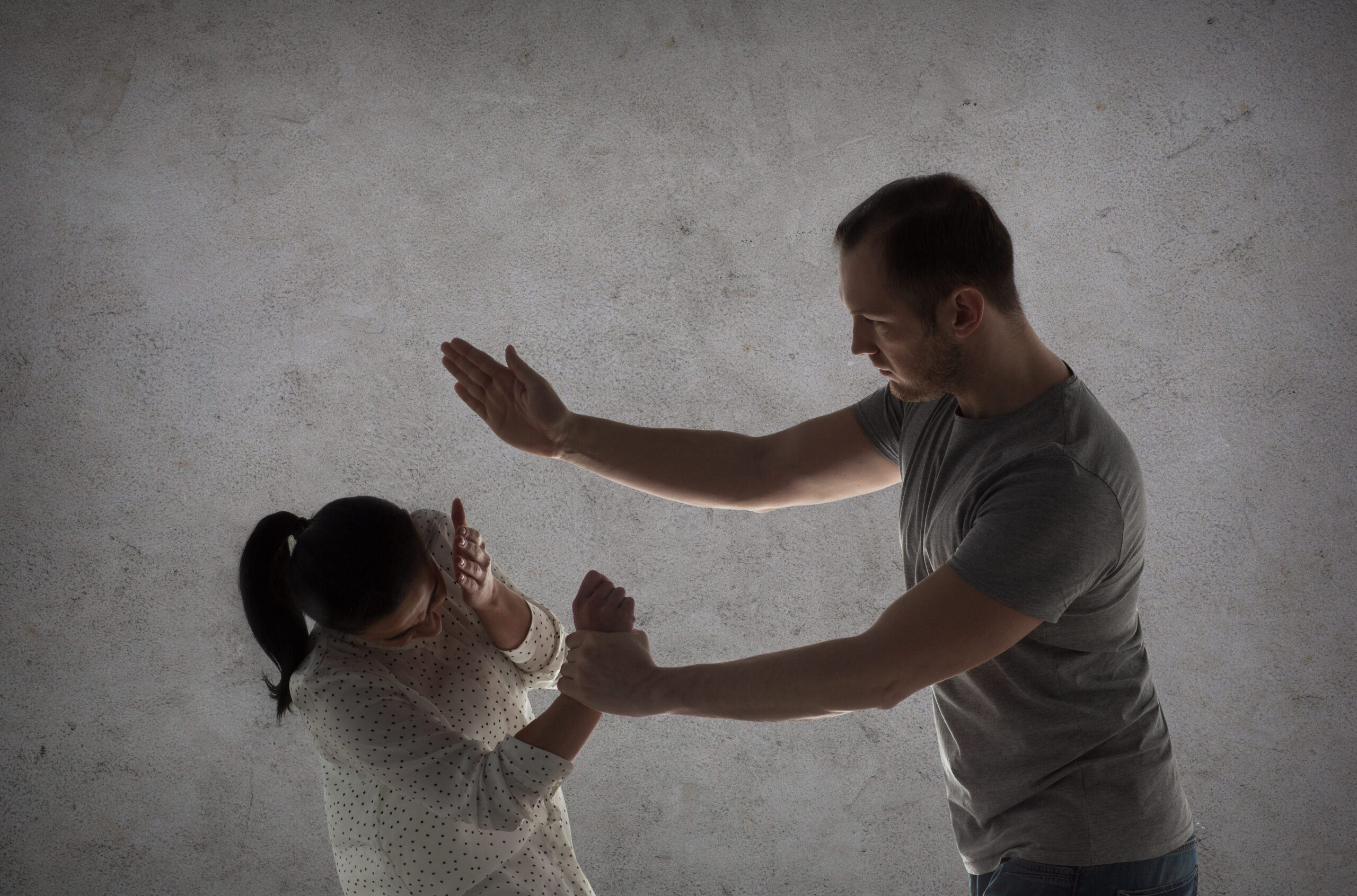
This may be the biggest sign that you married the wrong person. If you cannot tell your spouse the truth about your feelings, fears, needs, doubts, or disappointments, the marriage is not emotionally safe. Love cannot grow where honesty feels dangerous.
Maybe you fear anger. Maybe you fear silence. Maybe you fear being mocked, dismissed, punished, or blamed. So you hide the real you and offer the one that causes the least trouble. You become polite instead of close. You become careful instead of connected.
That kind of marriage can look normal from the outside. It can have family dinners, holiday photos, shared errands, and polite smiles. But inside, it feels lonely and tense. Without emotional safety, love turns into strategy.
Patterns such as control, blame-shifting, isolation, and intimidation can become forms of emotional and psychological abuse. A marriage should be the place where truth can land safely, even when it is uncomfortable.
CONCLUSION
Realizing you may have married the wrong person is painful. It can feel embarrassing, frightening, and deeply confusing. Nobody walks down the aisle expecting to feel lonely beside the person they chose. Nobody imagines building a life with someone only to feel like they are slowly disappearing inside it.
Still, awareness is not failure. It is information. Some marriages can heal when both people are honest, humble, and willing to change. Others keep showing the same painful pattern because only one person is trying to save something that two people broke.
Marriage should not make you disappear. It should not make home feel like a place you recover from. It should not make your quietest dream a life where you can finally breathe.
If the relationship keeps taking your peace, your voice, your confidence, and your sense of self, stop calling that normal. Sometimes the hardest truth is also the beginning of your freedom.