E-sports is no longer just a bedroom hobby with a headset and a half-empty snack bowl. It has moved into schools, friendships, weekend routines, family arguments, and teen identity in a very real way. American teen culture now feels different because competitive gaming keeps changing how young people connect, compete, dream, and spend their time.
The change feels exciting for some families and worrying for others. Teens see teamwork, fame, skill, and community, while parents often see screen fatigue, late nights, and another reason homework looks abandoned. So, let us talk about the brutal ways E-Sports is quietly reshaping teen life before everyone pretends it is still just a game.
Gaming Is Becoming A Social Status Symbol

For many teens, e-sports has turned gaming skill into social currency. A teen who plays well can earn respect in friend groups, school clubs, online circles, and gaming chats. That changes the old stereotype of gaming as something lonely or hidden.
Status no longer comes only from varsity jackets, dance teams, fashion, or who gets invited where. A strong player can become known for fast reflexes, smart strategy, and calm under pressure. Is that surprising, or did adults just miss the memo again?
This new status can build confidence, especially for teens who have never felt seen in traditional spaces. It can also create pressure to perform every time they log in. When a hobby becomes identity, losing can feel painfully personal.
After School Life Is Moving Online
E-sports is changing what after-school life looks like. Instead of meeting only at fields, malls, parks, or local hangouts, many teens gather through screens. Their social world may begin when the headset goes on.
That shift can feel practical and fun. Teens can play with friends from school, connect with distant players, and build routines around shared matches. For shy teens, online teamwork may feel easier than walking into a crowded cafeteria.
Still, online connections can crowd out face-to-face moments. A teen may have plenty of digital friends and still feel awkward in person. FYI, a microphone is useful, but it does not fully replace the experience of reading a real room.
Competition Now Follows Teens Home
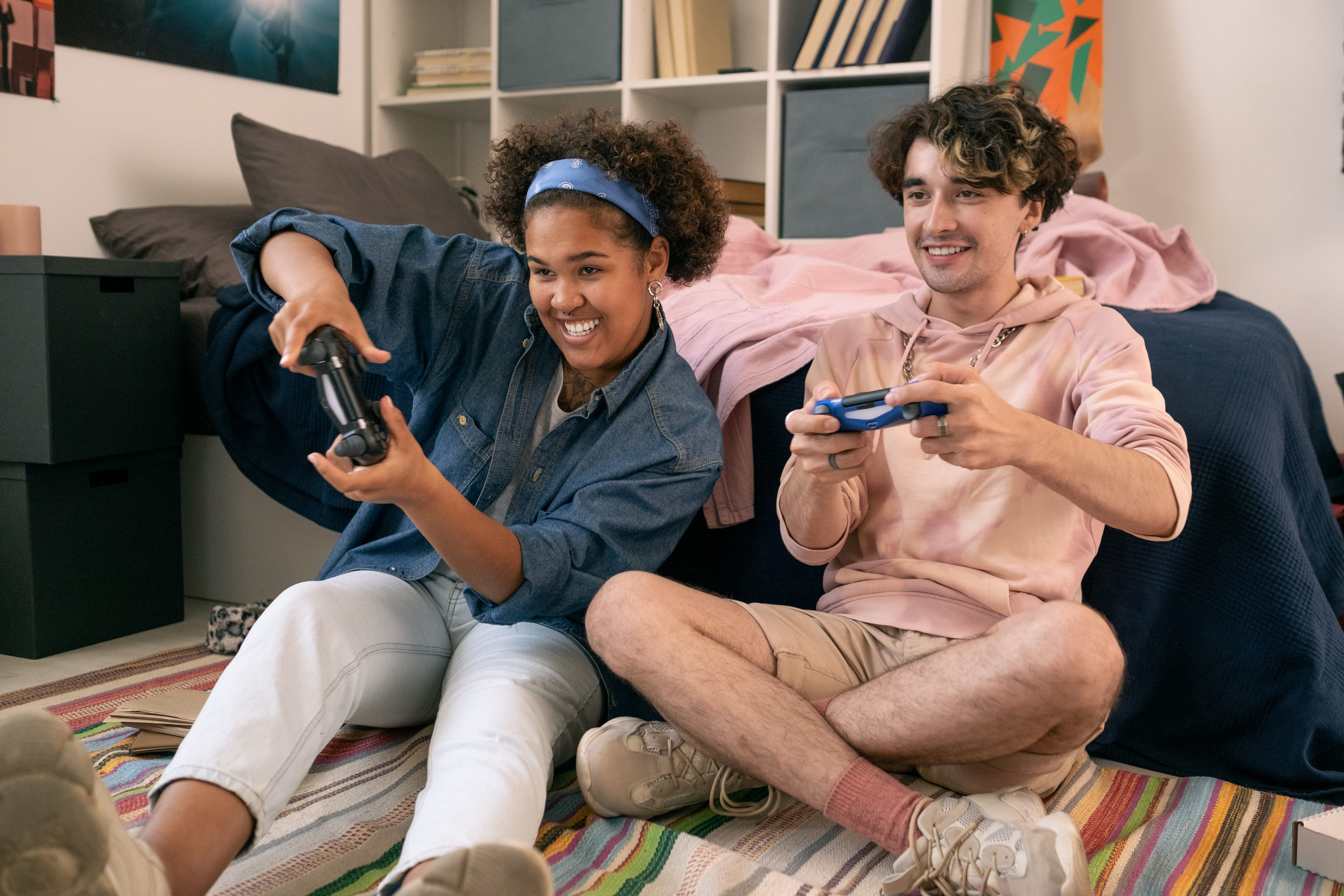
Traditional sports often end when practice ends. E-sports can follow teens into the bedroom, the kitchen, the weekend, and the late-night hours. The game is always there, waiting like a tiny glowing coach with no respect for sleep.
That constant access changes the pressure. Teens can practice, stream, study strategies, watch tournaments, and compare skills almost nonstop. Rest becomes harder when improvement always feels one more match away.
This can create discipline, but it can also feed burnout. Teens may struggle to distinguish between fun and obligation. When every match feels like a test, play starts wearing a serious little suit.
Parents Are Learning A New Language
E-sports has forced many parents to decode a world they did not grow up in. They hear words about ranks, teams, skins, scrims, streams, patches, and metas, then wonder if dinner needs subtitles. Parenting already felt hard, and now the living room has e-sports vocabulary.
This language gap can cause conflict. Teens may feel misunderstood when parents dismiss games as pointless. Parents may feel ignored when teens treat gaming commitments like sacred appointments.
The better path starts with curiosity, not panic. Parents do not need to become pro analysts, but they should understand why the game matters. A teen opens up faster when the adult asks, not when the adult lectures like a dusty instruction manual.
Teen Dreams Are Getting More Digital
E-sports has expanded the futures some teens imagine. They may dream about becoming players, streamers, coaches, editors, designers, commentators, team managers, or content creators. Gaming now looks like a possible career path, not just a hobby.
That can inspire ambition. Teens may learn communication, branding, practice routines, digital production, and teamwork through gaming communities. Those skills can matter beyond the screen.
The brutal part is that dreams can outrun reality. Many teens see fame before they see the grind, instability, and competition. Not every strong player becomes a star, and someone needs to say that without crushing the dream.
Screen Time Arguments Are Getting Messier
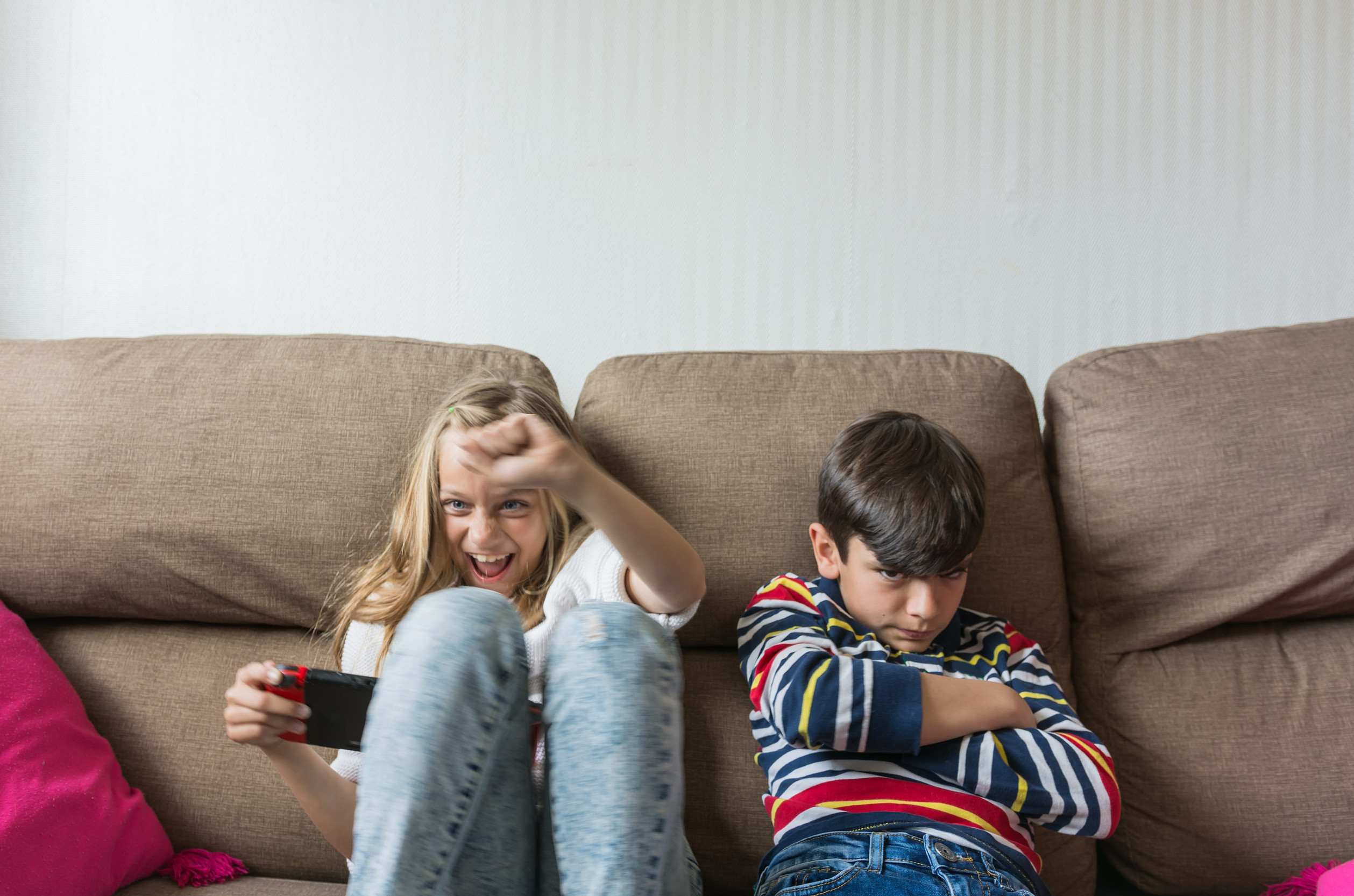
E-sports makes screen time harder to manage because it blends play, social life, competition, and learning. A teen can say they are practicing with a team, not just wasting time. That argument sounds stronger than simply saying they want one more round.
Parents then face a tricky question. Should they treat gaming like a sport, a hobby, a social event, or a distraction? The answer often depends on balance, schoolwork, sleep, mood, and family rules.
This is where clear boundaries matter. Teens need room to enjoy gaming, but they also need meals, movement, rest, chores, and offline friendships. The screen should be part of life, not the landlord of the whole house.
Gaming Communities Shape Teen Behavior
E-sports communities can teach teamwork, patience, humor, and resilience. A good team can help teens communicate more effectively and handle pressure with greater maturity. That side deserves credit because it can be genuinely positive.
The darker side appears when toxic chats, insults, rage, and harassment become normal. Teens may learn to talk harshly because the gaming space rewards quick reactions and loud confidence. Nobody needs a headset to become a personality hazard, but it sure can speed things up.
Culture spreads through repetition. If teens hear cruelty every night, they may start carrying that tone into real life. A healthy gaming culture needs respect, not just rankings and dramatic keyboard energy.
Spending Habits Are Starting Younger

E-sports also changes how teens think about money. Games often bring upgrades, subscriptions, skins, passes, gear, headsets, chairs, and faster equipment into the conversation. What starts as entertainment can become a spending pipeline.
This pressure can grow through friends and online creators. Teens may feel behind if their setup looks basic or their account lacks popular items. Suddenly, a free game can behave like a shopping mall with better lighting.
Families need honest money talks about gaming. Teens should understand value, limits, and impulse buying before the checkout button becomes muscle memory. IMO, no digital outfit should bully a household budget.
Conclusion
E-sports is changing American teen culture by touching identity, friendship, competition, spending, dreams, and family routines. It gives some teens a place to belong, improve, and feel seen. It also brings pressure, screen fatigue, toxic behavior, and new spending habits into everyday life.
The answer is not to treat E-Sports like a monster hiding under the WiFi router. The answer is balance, honest conversation, and better boundaries. Teens need support that respects their world without surrendering the whole house to it.
Parents, teachers, and communities should pay attention now. E-sports will keep growing, and teens will keep building a culture around it. The real question is simple: will adults guide that culture, or will they complain after it has already changed everything?