A household budget should feel like a financial steering wheel, not a punishment sheet. Yet many families build budgets that look good on paper and collapse by the second week of the month because the plan ignores real life. Groceries run higher than expected, the car needs work, a forgotten subscription renews, school fees appear, birthdays arrive, and the budget suddenly starts gasping for air.
That matters even more now because everyday household spending is heavy. U.S. households spent an average of $78,535 in 2024, or about $6,545 per month, with housing and transportation alone taking more than half of that total. A strong household budget does not just track bills. It protects the home from chaos, gives every dollar a job, and keeps small leaks from turning into a flood.
Not Tracking Every Dollar Before Building the Budget
One of the biggest household budget mistakes is trying to create a spending plan before we know where the money is already going. Many people start with guesses. They assume groceries cost less than they do, forget how often they order takeout, underestimate gas costs, and ignore the small payments that leave their account quietly in the background.
A better budget starts with a spending audit. We should review at least one full month of bank statements, card transactions, cash withdrawals, app payments, and automatic deductions. The goal is not shame. The goal is clarity. Once we see the real numbers, we can stop building fantasy budgets and start building a plan that fits the household’s actual lifestyle.
Ignoring Emergency Fund Contributions

Many households build budgets that cover normal months but collapse during abnormal ones. That is risky because abnormal months are guaranteed to come eventually. Cars break down. Medical bills appear. Work hours get cut. A major appliance stops working at the worst possible time.
An emergency fund acts as a shock absorber for the budget. The Consumer Financial Protection Bureau describes emergency savings as money set aside for unplanned expenses such as car repairs, home repairs, medical bills, or income loss.
The Federal Reserve reported that 63% of adults in 2024 said they could cover a $400 emergency expense using cash or its equivalent, meaning many households still had to borrow, sell something, or struggle when a modest emergency appeared. Even a small automatic transfer can help build breathing room over time.
Underestimating Small Purchases
Small purchases rarely feel dangerous on their own. A coffee here, a delivery fee there, a quick snack, an app upgrade, a convenience-store stop, or a sale item tossed into the cart may look harmless. The problem is repetition. Small spending can become expensive when it turns into a habit with no limits.
We should track these purchases as a category rather than pretending they are too small to matter. The issue is not one cup of coffee. The issue is the monthly pattern. If small purchases add up to $200 or $300, that money may be being stolen from savings, debt payoff, or grocery stability. Budgeting works better when we stop judging expenses by size and start judging them by frequency.
Not Prioritizing Savings Before Spending
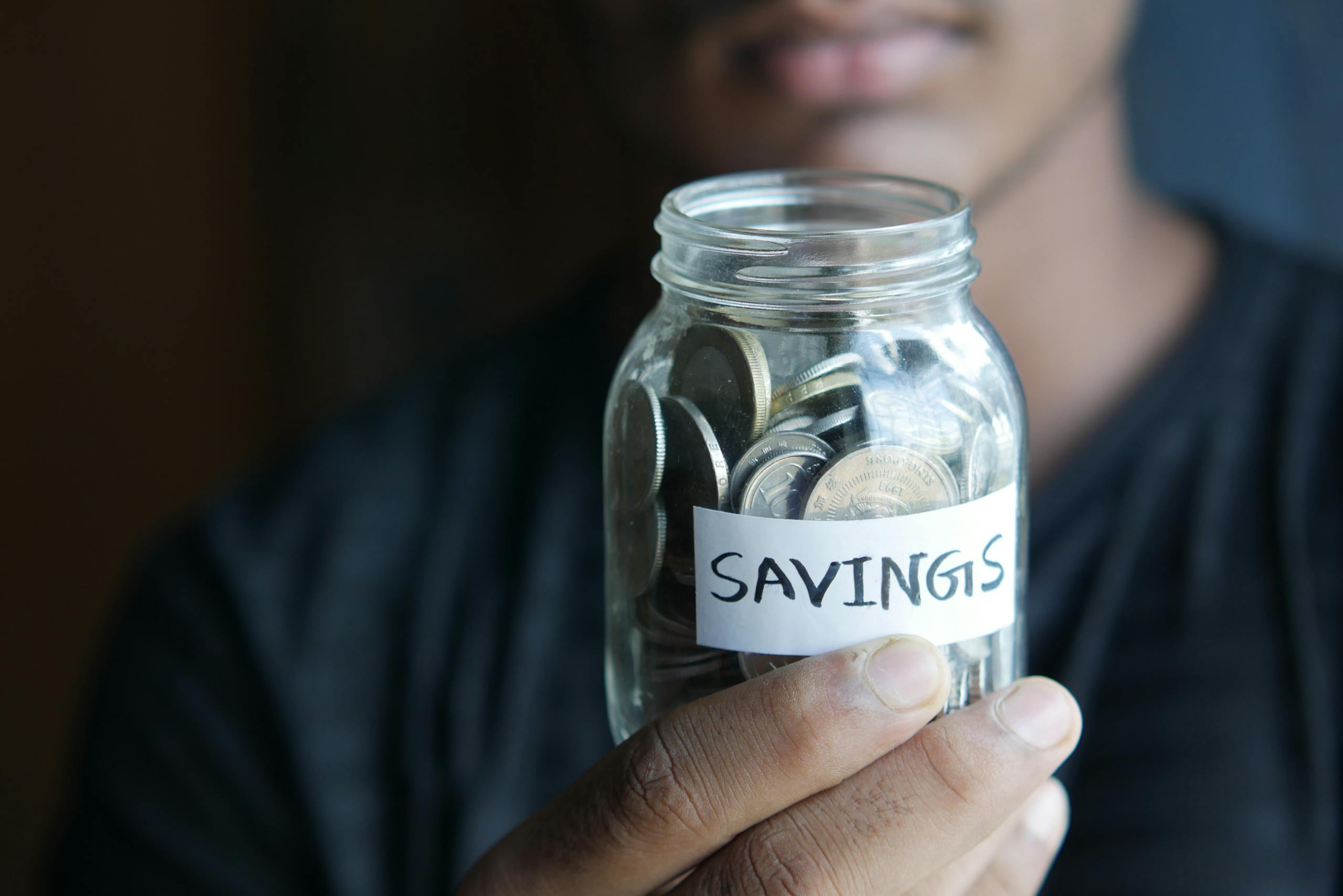
Many people save whatever is left at the end of the month. The problem is that modern spending has a way of swallowing leftovers. Bills, groceries, fuel, kids’ needs, subscriptions, convenience spending, and impulse purchases can drain the account before savings get a chance.
A stronger method is to pay the household first. Savings should be treated as a planned expense, even if the starting amount is small. The FDIC recommends reviewing recent spending, looking for recurring expenses to cut or downgrade, and creating a monthly spending and saving plan that supports financial goals. The amount matters less at the beginning than the habit.
Once saving becomes automatic, the household stops treating it as optional.
Letting Debt Payments Crowd Out the Whole Budget
Debt can quietly take control of a household budget. Credit cards, personal loans, car loans, buy-now-pay-later balances, medical debt, and old balances can turn income into a pass-through account. Money arrives, payments leave, and the family still feels broke.
A realistic budget should separate debt into minimum payments and an extra payoff strategy. We need to know which debts carry high interest, which payments are fixed, and which balances can be attacked first. Ignoring debt does not make the budget easier. It makes the pressure harder to understand.
Once debt has its own clear line in the budget, the household can make progress instead of simply reacting to payment due dates.
Forgetting Subscription Creep
Subscriptions are easy to start and easy to forget. Streaming services, cloud storage, music apps, fitness apps, delivery memberships, software tools, kids’ apps, news sites, and premium phone features can pile up quietly. A household may use only half of them and still pay for all of them.
Subscription reviews should occur monthly or at least quarterly. We should cancel what no one uses, downgrade what is too expensive, rotate streaming services instead of keeping all of them active, and watch for free trials before they become paid renewals. The goal is not to cancel every comfort. The goal is to stop paying for things that no longer earn their place in the budget.
Budgeting Without a Cash Flow Calendar
A monthly budget can still fail if the timing is wrong. A household may earn enough for the month, but if rent, insurance, utilities, and loan payments all hit before the second paycheck arrives, the account can still go negative. Cash flow is about timing, not just totals.
We should map income and bills on a calendar. This shows which weeks are tight, which due dates need adjusting, and which paychecks should cover specific expenses. The CFPB’s cash flow budgeting guidance explains that tracking the timing of income and expenses helps make sure there is enough money from week to week. A budget that ignores timing can look balanced and still cause overdrafts.
Building a Budget With No Clear Financial Goals
A budget without goals feels like a restriction for its own sake. People are more likely to stick with a plan when it is tied to something meaningful: a debt-free date, a home deposit, a vacation, a safer emergency fund, a car replacement, school costs, retirement, or simply one month without financial panic.
Goals give the budget emotional fuel. Instead of saying, “We cannot spend this,” the household can say, “We are choosing this because we want something better.” That shift matters. A goal-based budget turns sacrifice into direction. It also helps the household decide which cuts are worth making and which ones create more misery than savings.
A Better Household Budget Checklist
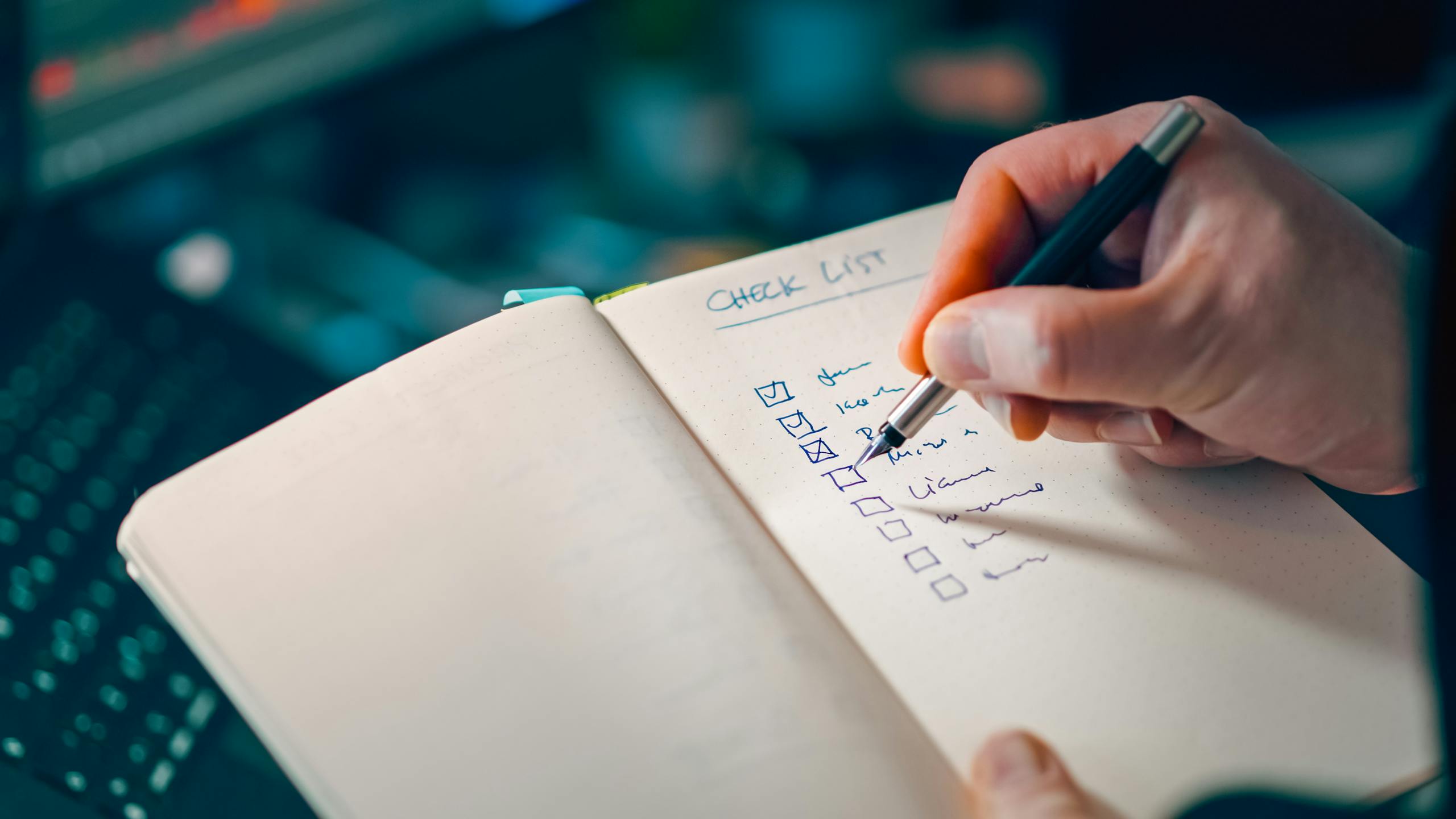
A stronger household budget should include every major money category, but it should still remain simple enough to use. We should track income, fixed bills, variable spending, savings, debt, emergency fund contributions, irregular expenses, subscriptions, and personal spending. Each category needs a realistic number, not a hopeful guess.
The budget should also include a review rhythm. Weekly check-ins help catch overspending early. Monthly reviews help reset the plan. Quarterly reviews help clean up subscriptions, insurance costs, savings goals, and debt strategy. This keeps the budget alive instead of letting it become a forgotten document.
Conclusion
The worst household budget mistakes usually come from pretending life is simpler than it is. We forget irregular costs. We ignore small purchases. We set limits that no one can follow. We leave out fun, skip emergency savings, avoid hard conversations, and hope the numbers somehow work themselves out.
A better household budget is honest, flexible, and specific. It shows where the money goes, protects the household from predictable surprises, and gives savings a permanent seat at the table. When we build the budget around real spending, real goals, and real life, it stops feeling like a financial cage and starts working like a plan.