Fashion has a funny way of rewriting its own history. We walk through stores today and see pink baby clothes, high heels, handbags, stockings, thongs, and slim jeans neatly sorted into feminine categories, as though they were always meant to belong there.
The truth is much messier and far more interesting. Many items now treated as symbols of femininity began in military camps, royal courts, sports fields, work sites, and male wardrobes.
That history matters because it shows how fragile style rules can be. What one generation calls masculine, another generation may call feminine.
What begins as a tool can become a status symbol, then a fashion trend, then a gender rule. These feminine items that were originally made for men prove that fashion rarely follows nature. It follows power, money, comfort, class, marketing, and cultural pressure.
High Heels Started as a Tool for Male Riders
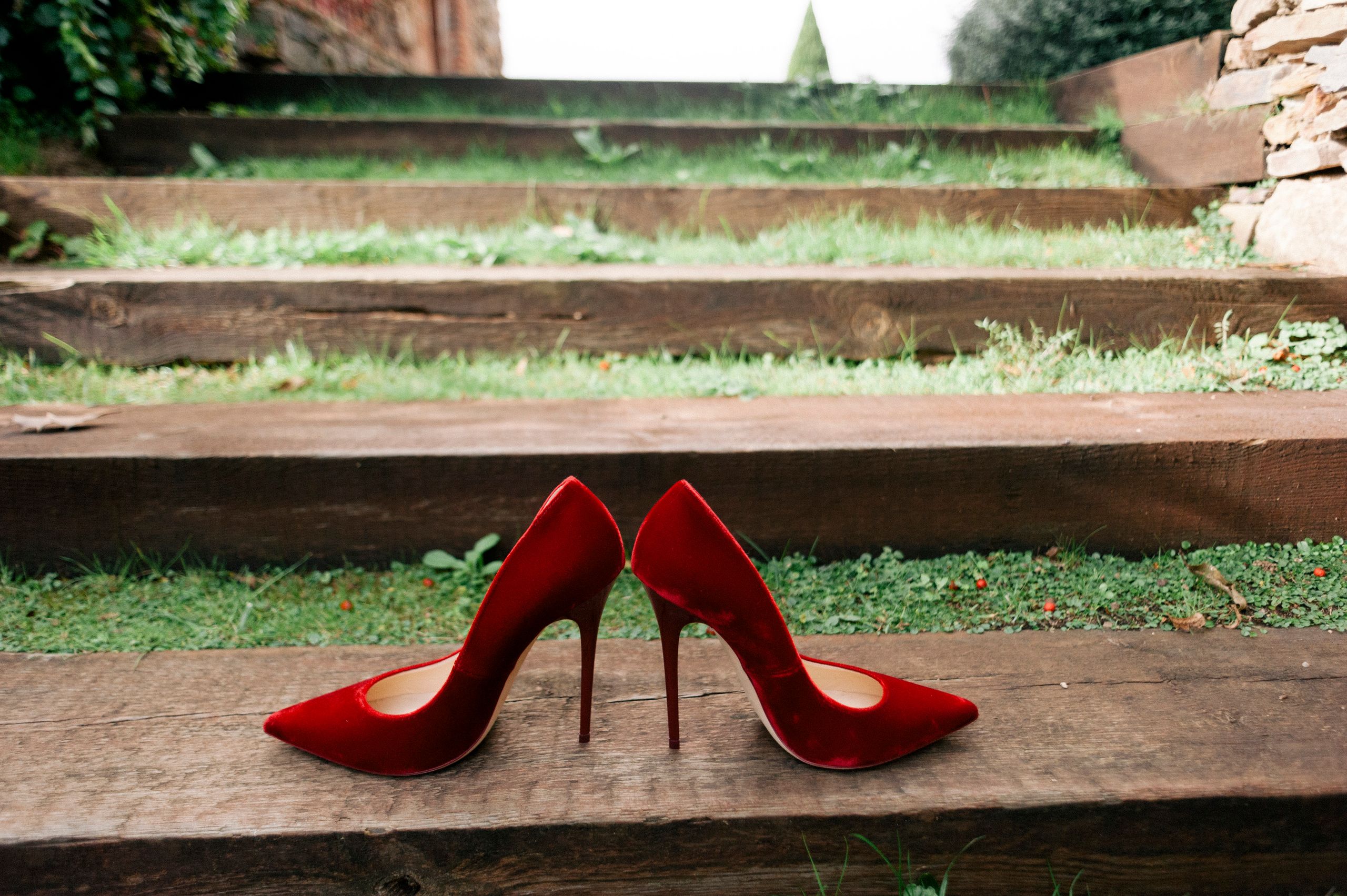
High heels may look like the ultimate symbol of feminine glamour today, but their earliest purpose had nothing to do with red carpets, cocktail dresses, or beauty standards. They were used by male riders who needed a firmer grip in stirrups.
A raised heel helped the foot lock into place while riding, which made it easier to stay balanced on horseback. In military settings, that kind of balance was not decorative. It was practical, useful, and sometimes lifesaving.
The style later moved from the battlefield to European aristocratic fashion. Powerful men wore heels to appear taller, richer, and more commanding. Height carried social meaning, and shoes helped create that illusion before modern tailoring did the same work.
Over time, women adopted heels, and the design changed. Men’s heels stayed wider and sturdier, while women’s heels became slimmer, sharper, and more delicate. By the eighteenth century, high heels had shifted from male status footwear to a feminine fashion staple.
Handbags Were Once Practical Pouches for Men
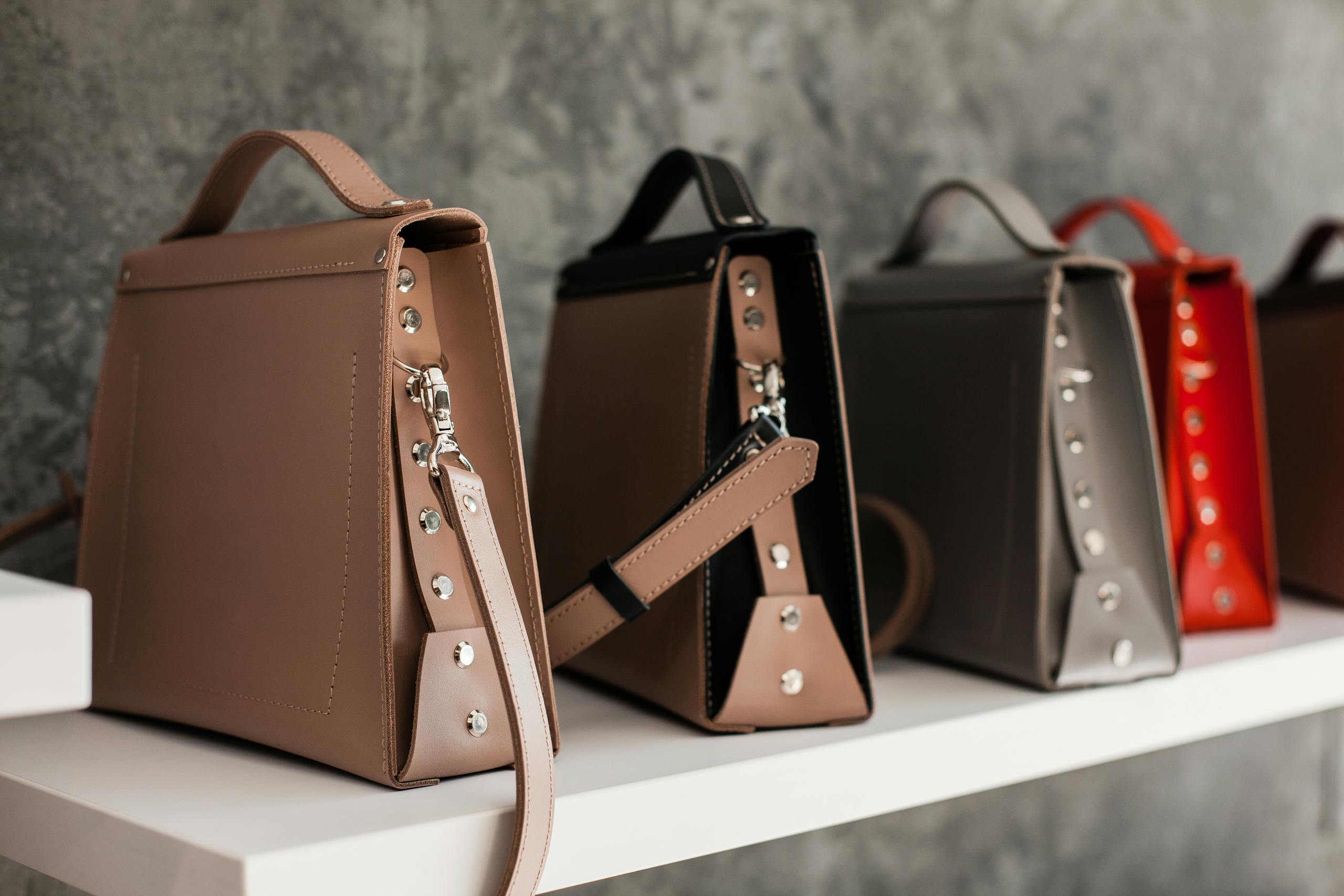
The handbag now sits at the center of women’s fashion, from quiet luxury totes to tiny evening clutches that barely hold a phone. Its early history was far more practical. Before clothing had reliable pockets, people needed small bags to carry coins, keys, documents, tools, and personal items. Men often carried pouches attached to belts, especially in societies where money, trade, and travel required portable storage.
Women later developed their own versions, including reticules and decorative purses, especially as dress styles changed and pockets became less accessible. The modern handbag grew into a fashion object when designers turned practical storage into visible style.
Once women’s clothing became less pocket-friendly, handbags became more necessary. That design gap created a market. What began as a shared or male-leaning utility item gradually became one of the strongest symbols of feminine taste, class, and personal identity.
Bra Clasps Came From a Male Garment Invention
The tiny hooks and fastening ideas behind many bras do not begin with lingerie fantasies. They belong to a broader history of garment engineering. Mark Twain, better known as a writer, patented an adjustable and detachable strap system in the nineteenth century. His goal was not to design women’s underwear. He wanted to improve clothing comfort and replace awkward garment supports that annoyed him.
That invention later became part of the long story of fasteners used in underwear, corsets, and bras. The irony is sharp. A small clothing solution linked to male discomfort found one of its most familiar modern homes in women’s lingerie.
Today, many people recognize the clasp only as a bra feature. Its history shows how an invention can stray far from its original purpose once manufacturers discover a better market or use for it.
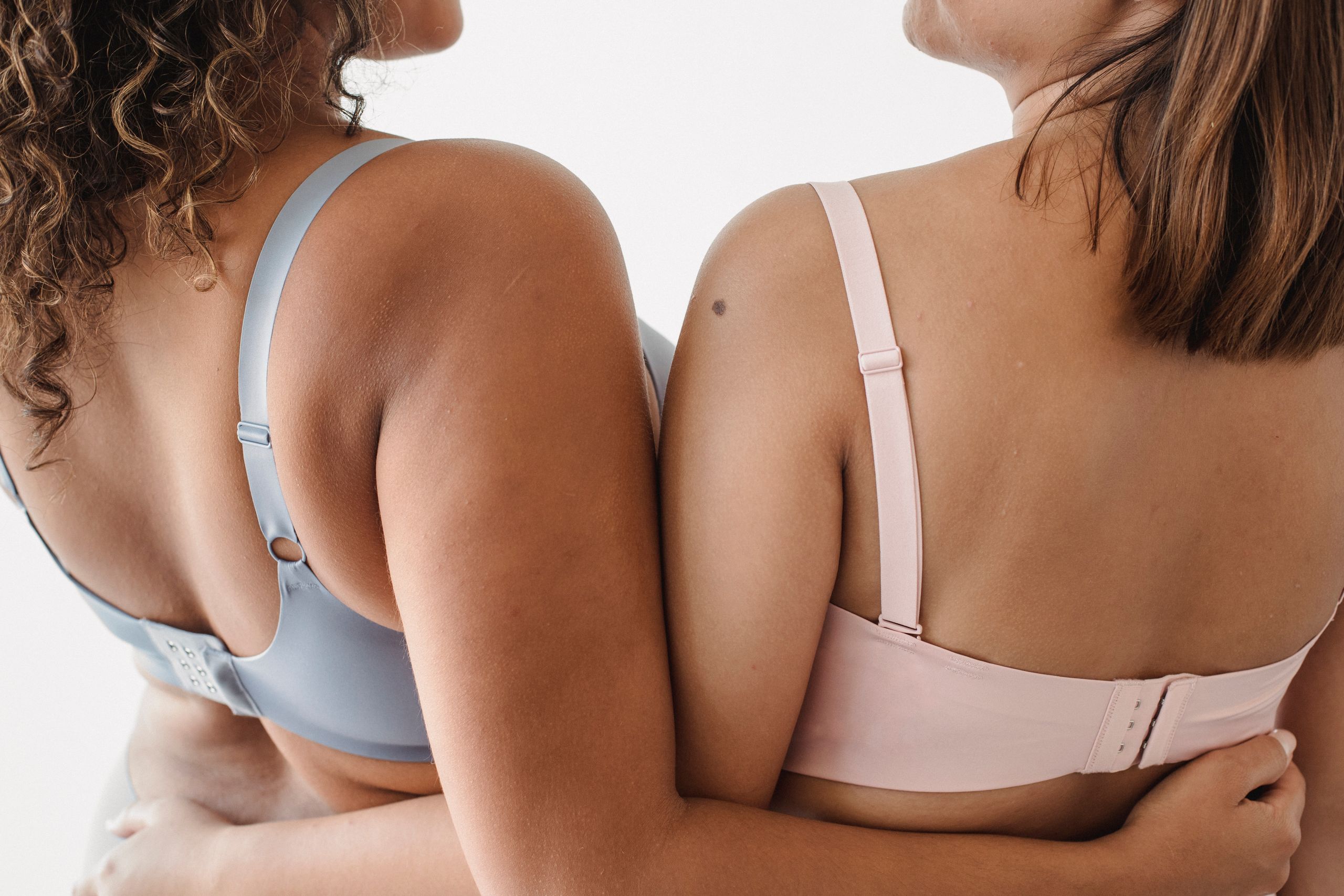
Thongs and G-strings originated in men’s utility and athletic wear.
Modern thongs are often marketed as women’s underwear, swimwear, or lingerie, but narrow cloth garments have a much older and broader history. Many early versions were practical coverings used by men in warm climates, athletic environments, or ritual settings. The purpose was simple. Cover what needs covering, leave the body free to move, and avoid heavy fabric where it makes no sense.
The later jockstrap pushed that idea into organized male sports. It was designed to protect and support men during movement, especially in rough or physically demanding conditions. Over time, fashion stripped away the protective purpose and kept the revealing shape. What started as a function became suggestion, style, and sexuality.
The modern thong’s feminine image is therefore less ancient truth and more modern marketing. The garment did not become feminine because it was born that way. It became feminine because fashion sold it that way.
Disposable Menstrual Pads Began as Wartime Medical Material
Disposable menstrual pads are not exactly a male fashion item, but their origin sits in a male-dominated wartime setting. The absorbent material that helped create early disposable pads was developed for medical dressings during World War I.
It was made to absorb blood from wounded soldiers, and nurses working in battlefield hospitals noticed that the material could serve another urgent purpose. It absorbed menstrual flow better than many older options.
After the war, companies faced a problem. The battlefield demand for medical dressings dropped. That left manufacturers with a product that needed a new consumer market. Menstruation, which had long been handled quietly with reusable cloth and private routines, became a commercial category.
The disposable pad did not begin as a beauty product or a carefully designed feminine lifestyle item. It began with war, blood, medical need, and industrial surplus.
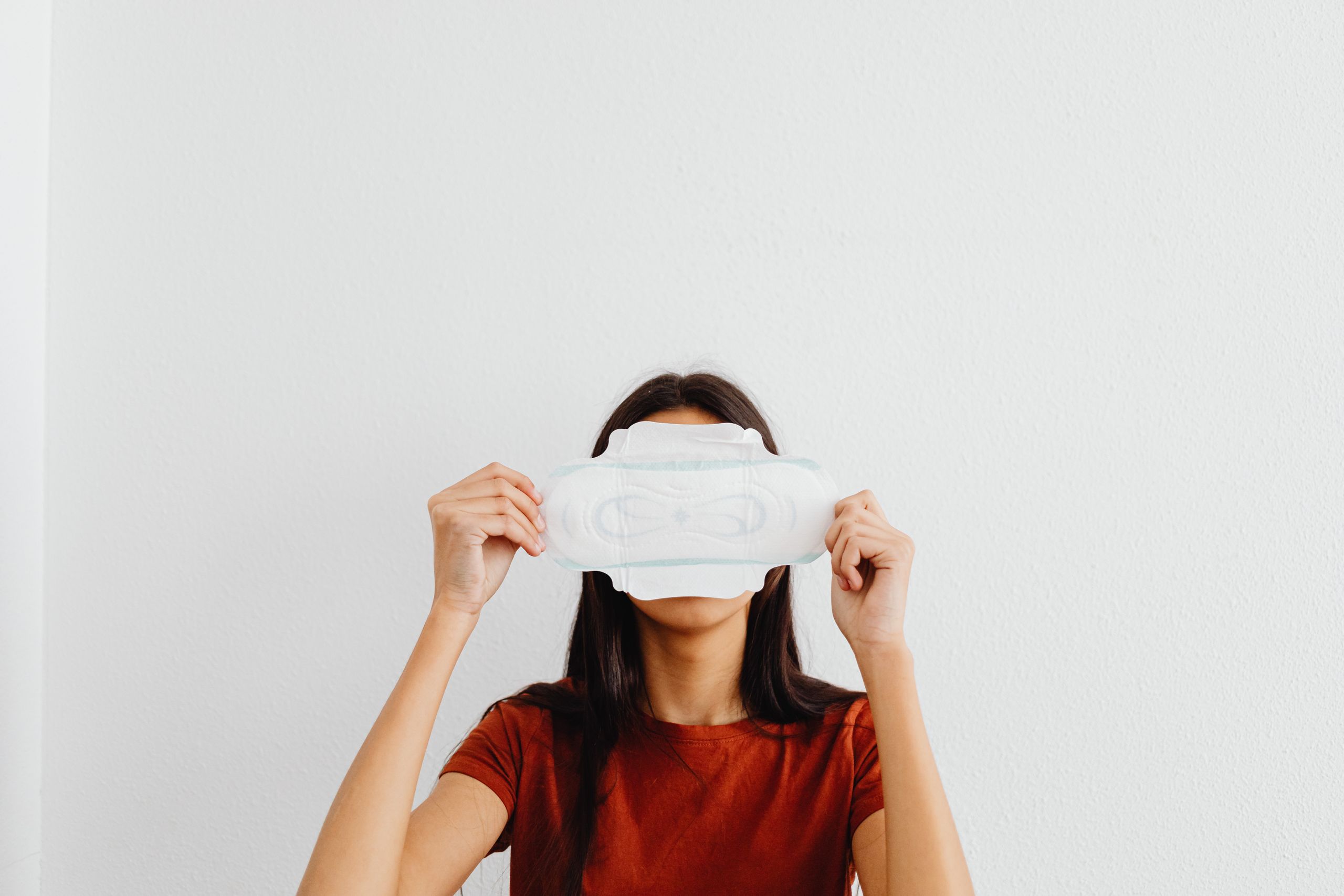
Stockings Were Once a Male Status Symbol
Stockings are now closely associated with women’s fashion, especially in formal wear, office dressing, and classic glamour. Their older history tells a different story. Men wore hose and stockings for centuries, especially in European courts and upper-class society. Well-fitted legwear showed shape, wealth, and refinement. In certain periods, a man’s legs were part of his public style, and stockings helped display them.
As trousers became more common for men, stockings slowly lost their masculine role. Women’s skirts, however, kept the lower leg visible in new ways, especially as hemlines shifted. That gave stockings a new place in women’s fashion.
The same garment that once signified male rank became associated with femininity, modesty, seduction, and polish. The switch was not sudden. It happened as silhouettes changed, social expectations shifted, and men’s fashion moved toward longer, plainer leg coverings.
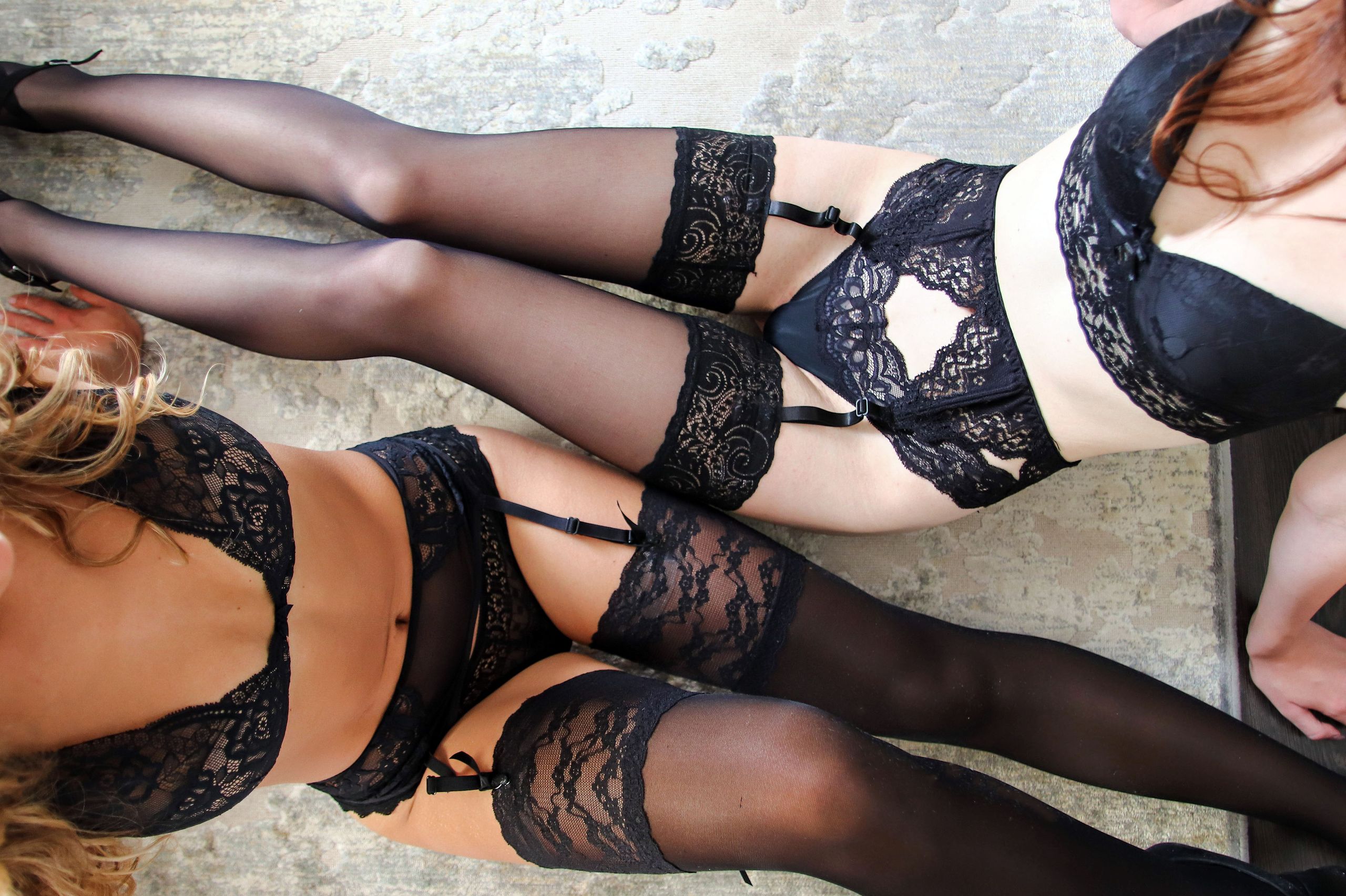
Skinny Jeans Came From Workwear and Male Denim Culture
Skinny jeans feel modern, youthful, and often feminine in many retail spaces, but denim began as tough workwear. Early jeans were designed for miners, laborers, ranchers, and men who needed clothing that could survive hard physical work. Rivets, heavy fabric, and reinforced seams mattered more than body shape. The original denim story was built around durability, not fashion.
Women’s jeans arrived later, and early versions were created for women who worked, rode horses, or spent time on ranches. As jeans moved from work sites to youth culture, designers began adjusting the fit.
Slimmer cuts eventually became fashionable across gender lines, then became especially common in women’s retail. The skinny jean is therefore a descendant of male workwear that got reshaped by fashion, pop culture, and body-conscious styling. It proves that even the most casual feminine wardrobe item may have roots in rugged male labor.
Pink Was Once Treated as a Strong Color for Boys
Pink now gets marketed heavily toward girls, from baby clothes to toys, bedding, accessories, and birthday decorations. Yet, early twentieth-century color rules were far less fixed. Some retailers and style authorities considered pink suitable for boys because it was seen as a stronger, more active color related to red. Blue, by contrast, was sometimes described as softer or more delicate, which made it suitable for girls in those circles.
The color switch was not clean or universal. Different stores and communities gave different advice, and gendered baby colors became stronger as consumer marketing became more sophisticated. By the late twentieth century, pink had become a powerful commercial shorthand for girlhood.
That shift tells us a lot about fashion and business. Color rules were not discovered. They were repeated, sold, packaged, and reinforced until shoppers began to treat them as common sense.

Makeup Was Used by Powerful Men Long Before Beauty Counters Existed
Makeup is now often treated as feminine, but cosmetics have a long history among men in royal, military, religious, and elite settings. Ancient rulers, priests, performers, and aristocrats used pigments, powders, oils, and eye decoration to signal status, spirituality, power, or refinement. In some societies, the use of cosmetics protected the skin or eyes. In others, it created authority and distance between elites and ordinary people.
Modern gender rules narrowed makeup into a women’s category, especially as industrial beauty companies built massive markets around feminine appearance. Men did not disappear from cosmetics entirely, but male makeup became more restricted, often limited to stage, screen, subculture, or grooming products that avoided the word makeup.
Today, that boundary is loosening again. The older history makes the modern rule look temporary. Cosmetics were never naturally feminine. They became feminine through culture, advertising, and social policing.

Earrings Were Once Signs of Male Rank, Wealth, and Rebellion
Earrings are now common in women’s fashion, but men wore earrings in many cultures long before modern jewelry departments divided accessories by gender. Sailors, warriors, nobles, merchants, and religious figures used earrings to show identity, wealth, travel, belief, or status. In some contexts, a man’s earring carried practical or symbolic meaning. It could mark a journey, a rank, a group, or simply the ability to afford precious metal.
The feminine coding of earrings grew stronger in modern Western fashion, especially as women’s jewelry became a major commercial category. Men’s earrings never vanished, but they moved in and out of respectability depending on class, race, sexuality, music, and youth culture.
The same object could look noble in one century, rebellious in another, and feminine in another. That proves how unstable accessory rules can be. Jewelry does not carry one permanent gender. Culture keeps rewriting the label.
Skirts Were Once Normal Male Clothing in Many Cultures
Skirts and skirt-like garments have been worn by men across many societies, from ancient tunics and robes to kilts, sarongs, dhotis, and ceremonial garments. The idea that bifurcated trousers are naturally masculine is historically narrow.
In many warm climates and premodern societies, open lower garments were practical, comfortable, and easy to produce. They allowed movement and required less complex tailoring than fitted trousers.
Western fashion eventually codified trousers as masculine and skirts as feminine, but that rule never applied everywhere. Even today, many traditional male garments challenge the idea that skirts belong only to women.
The modern feminine association comes largely from Western dress codes, school uniforms, workplace expectations, and retail categories. Skirts show the bigger lesson behind this entire history. Clothing does not become masculine or feminine because fabric says so. People decide, repeat the rule, and punish anyone who breaks it.
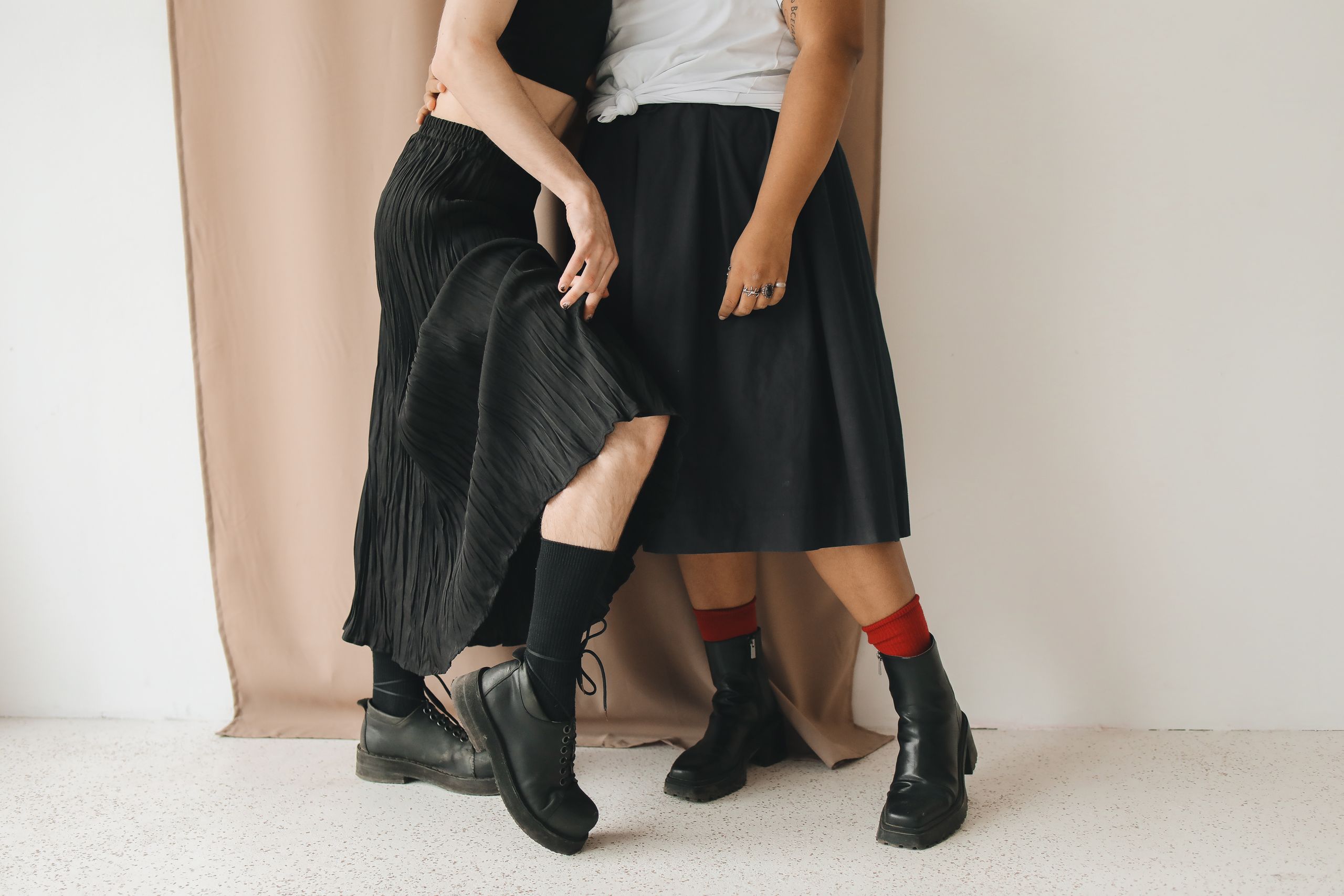
Why Feminine Items Originally Made for Men Keep Switching Sides
The gender switch behind these items usually follows a pattern. First, an object solves a practical problem. It helps someone ride, carry, fasten, protect, absorb, display wealth, or move through daily life. Next, elites or manufacturers turn it into fashion.
After that, marketing narrows the audience and tells shoppers who the item belongs to. Over time, the public forgets the practical origin and remembers only the gender label.
That is how high heels travel from cavalry to couture. It is how handbags move from storage to status. It is how pink becomes a girl’s color after decades of inconsistency. It is also how stockings, lace, jeans, and earrings move through class, gender, and commerce. The item itself rarely changes as much as the story around it. Once the story changes, the meaning changes with it.
Final Thoughts on Feminine Items That Were Originally Made for Men
The history of women’s items originally made for men proves that fashion rules are rarely permanent. They are built, sold, repeated, and eventually mistaken for tradition. High heels did not begin as women’s glamour. Handbags did not begin as feminine luxury. Pink did not always belong to girls. Stockings, lace, earrings, and slim jeans all carried different meanings before modern retail sorted them into familiar categories.
That is what makes fashion so fascinating. It pretends to be fixed, but it keeps changing behind our backs. The items we call feminine today may look completely different to future generations. If history has taught us anything, it is that clothing does not obey gender for long. It obeys whoever has the power to make the next trend feel normal.