Most people do not think about emergency supplies until something goes wrong. A power outage, severe storm, wildfire, or unexpected evacuation can quickly turn an ordinary day into a stressful situation. Suddenly, the things you usually take for granted, including clean water, working phones, food, and access to a pharmacy, become much harder to manage.
That is why emergency preparedness officials continue encouraging Americans to keep basic supplies at home. The Federal Emergency Management Agency recommends having enough essentials to support your household for several days.
This does not mean filling your garage with canned food or spending a fortune on survival equipment. It means understanding what could happen when normal services are interrupted and making sure your household has a few necessities ready.
A Power Outage Can Disrupt More Than Your Electricity
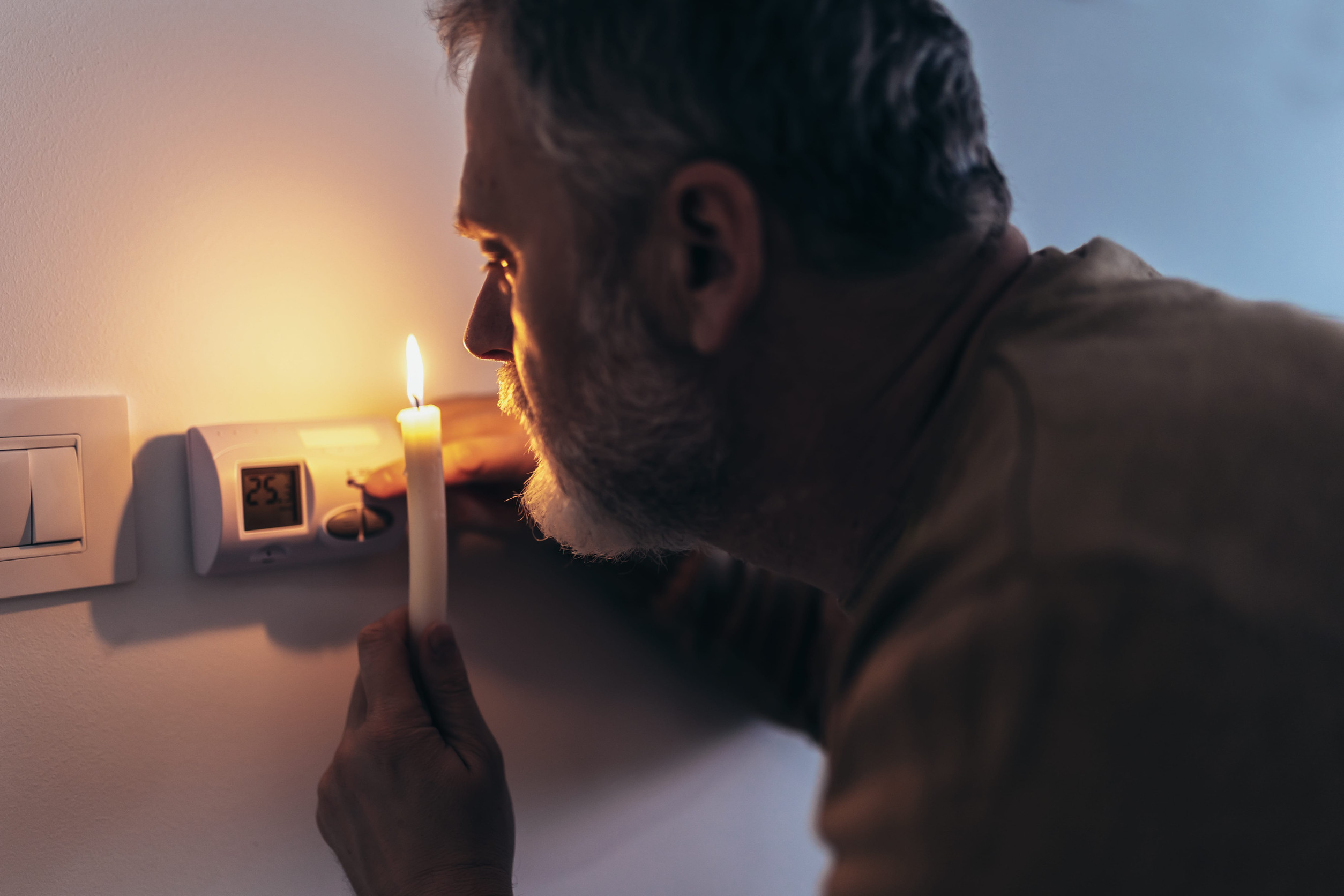
Losing electricity for a few hours is annoying enough. You cannot charge your phone, prepare certain meals, or enjoy your usual evening entertainment. But when an outage lasts for days, the problems can become much more serious.
Electricity keeps many essential household services running, including refrigerators, heating and cooling systems, medical equipment, and some water supplies. The American Red Cross warns that extended outages can also affect transportation, communication, stores, and banking services. Flashlights, spare batteries, portable chargers, drinking water, and food that does not require refrigeration can make a difficult situation much easier to manage.
Severe Weather Can Leave Families Stuck at Home
Americans living in areas prone to hurricanes, tornadoes, wildfires, winter storms, and flooding know how quickly weather conditions can change. A storm can make roads dangerous, damage buildings, interrupt electricity, or force residents to evacuate. Even people who have never experienced a major disaster may face unexpected disruptions.
The National Oceanic and Atmospheric Administration recommends keeping enough food, water, and medication to last at least three days when preparing for hurricanes. It also advises households to keep flashlights, batteries, radios, and phone charging options on hand. Preparing before severe weather arrives is especially important because waiting until a warning is issued can leave people competing for the same limited supplies.
Grocery Stores and Pharmacies May Not Be Available
Imagine heading to the supermarket for bottled water or basic groceries only to find the doors closed. After a major storm or other disaster, businesses may temporarily close because of damaged buildings, unsafe roads, power outages, or difficulty receiving deliveries. Even stores that remain open may run low on popular essentials when large numbers of people start shopping at once.
The U.S. Department of Agriculture recommends keeping shelf-stable foods such as canned vegetables, dried fruit, peanut butter, crackers, and canned meats at home. A manual can opener is also useful because an electric one will not help much during a power outage. Having a modest supply on hand means you depend less on stores during the first few days of an emergency.
Emergency Assistance May Not Arrive Immediately
Many people assume that help will be available as soon as a disaster occurs. Emergency responders work hard to assist affected communities, but widespread damage can make it difficult to reach everyone immediately. Blocked roads, damaged infrastructure, severe weather, and a high number of emergency calls can all slow response efforts.
FEMA encourages households to prepare to manage on their own for several days following an emergency. Its recommended emergency kit includes water, food, a flashlight, batteries, a first aid kit, a radio, and basic sanitation supplies. These items are not a replacement for emergency services, but they can help families handle essential needs while waiting for conditions to improve.
People Who Depend on Medication Need Extra Preparation
An emergency can be particularly difficult for anyone who takes prescription medication or relies on medical equipment. A closed pharmacy, an inaccessible road, or a prolonged power outage can disrupt treatment and daily care. Someone who uses an electrically powered medical device may also need a reliable backup plan if electricity becomes unavailable.
The National Institute on Aging advises older adults to include medications, medical information, and necessary equipment in their emergency preparations. Families should also consider prescription glasses, hearing aid batteries, mobility aids, and copies of important medical records. If a household member needs refrigerated medication or electricity-dependent equipment, it is worth discussing an emergency plan with their healthcare provider before a crisis occurs.
Phones and Internet Connections May Become Unreliable
Most people rely on their phones for almost everything, from checking weather forecasts to contacting relatives and finding directions. During a disaster, however, mobile networks can become congested, electricity may be unavailable, and internet connections can be interrupted. A phone with a nearly empty battery is not particularly helpful when you need important information.
FEMA recommends keeping a battery-powered or hand-crank radio in an emergency kit so households can receive updates when other communication methods are unavailable. A portable power bank, spare charging cables, and a written list of important phone numbers can also be useful.
It is a good idea to agree on a family meeting place and an out-of-area contact before an emergency happens, rather than trying to organize everything while conditions are already stressful.
Children, Older Adults, and Pets Have Additional Needs
An emergency supply kit should reflect the people and animals who actually live in the household. A family with a baby may need formula, diapers, wipes, and other feeding supplies, while someone caring for an older relative may need extra medication or mobility equipment. Pets also need food, drinking water, leashes, carriers, and copies of relevant vaccination records.
FEMA advises households to customize their emergency kits according to individual needs, including those of children and pets. The National Institute on Aging also recommends preparing supplies that meet older adults’ medical and daily living needs. Having these items ready can prevent an already stressful situation from becoming even more complicated when a family needs to leave home quickly.
Preparing Now Can Make an Emergency Less Overwhelming
Emergency preparedness is not about expecting something terrible to happen tomorrow. It means recognizing that storms, fires, outages, and other disruptions can happen without giving households much time to react. A few basic supplies can make a meaningful difference when ordinary services are temporarily unavailable.
Americans do not need to buy everything at once or spend hundreds of dollars building an elaborate emergency kit. Start with drinking water, shelf-stable food, a flashlight, batteries, basic first aid supplies, and essential medication. Check expiration dates regularly, replace used items, and make sure everyone in the household knows where the supplies are kept. Being prepared may not prevent an emergency, but it can make the first few difficult days much easier to handle.