Hunter Biden has offered one of the most sobering public descriptions yet of his father’s battle with prostate cancer, saying former President Joe Biden’s disease has spread into his bones and “further” and has become deeply painful.
Speaking to the BBC’s Newsnight in an interview reported on August 8, Hunter described watching his 83-year-old father endure an advanced illness that has changed daily life for the Biden family. “I wish he would complain more,” Hunter said, explaining that the cancer had metastasized into his father’s bones and beyond. He described the condition as “very painful” and “very debilitating.”
Hunter did not specify what he meant by “further,” and no publicly available medical statement reviewed for this story identifies additional sites beyond the bones. That distinction matters because the comment is serious enough without adding assumptions that doctors or the Biden family have not confirmed.
A diagnosis that was serious from the beginning

Joe Biden’s office announced his prostate cancer diagnosis on May 18, 2025, several months after he left the White House. The announcement followed urinary symptoms and the discovery of a prostate nodule that prompted further testing.
Doctors gave the cancer a Gleason score of 9, Grade Group 5, indicating a highly aggressive form of prostate cancer. By the time it was diagnosed, the disease had already metastasized to the bone. Biden’s office nevertheless pointed to one potentially important treatment factor: the cancer appeared to be hormone-sensitive, meaning treatments that reduce or block male hormones could help control its growth.
The National Cancer Institute explains that hormone-sensitive prostate cancers depend on androgens to grow. Treatments designed to lower those hormones or block their activity can slow the disease, including in patients whose cancer has already spread beyond the prostate.
Biden publicly acknowledged the diagnosis shortly after it was revealed, writing that cancer “touches us all” and thanking supporters for their encouragement. His family knows that reality especially well. Biden’s eldest son, Beau, died from brain cancer in 2015.
Treatment moved into a new phase
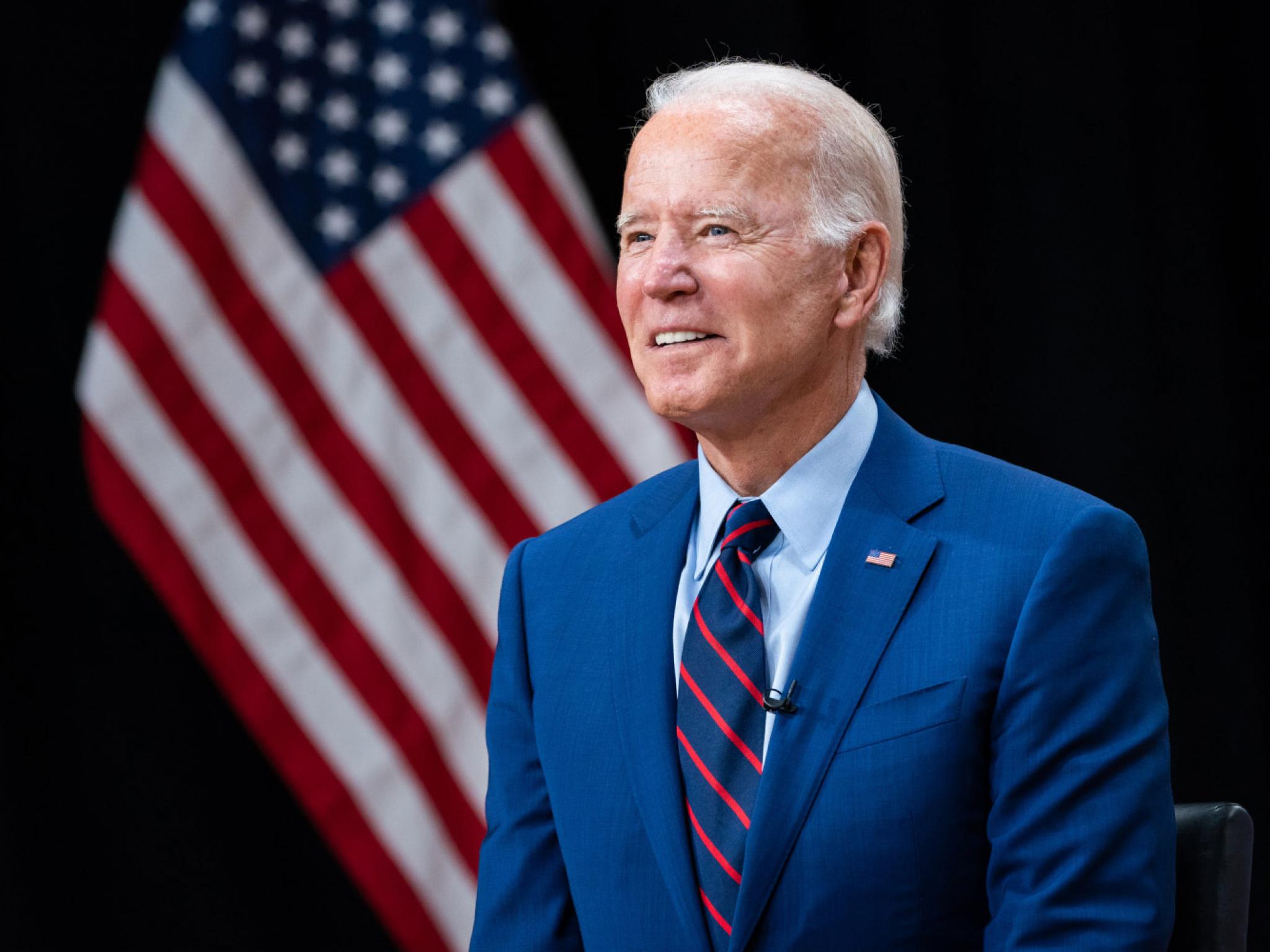
By October 2025, Biden’s treatment had expanded to include both hormone therapy and radiation. His spokesperson confirmed that he was undergoing a course of radiation expected to last several weeks while continuing hormone treatment. A person familiar with his care told CBS News at the time that he was responding well.
On October 20, Biden completed that radiation course and rang the traditional treatment bell at Penn Medicine Radiation Oncology in Philadelphia. His spokesperson said at the time that it was not yet clear whether he would need additional radiation treatments.
The American Cancer Society says prostate cancer that has reached distant bones is classified as stage IVB. Such cancers generally cannot be cured with current treatments, but they can often be treated with the goal of controlling the disease, reducing symptoms and maintaining quality of life. Treatment can include hormone therapy, radiation, chemotherapy and other medications depending on the patient’s circumstances.
That broader medical context makes Hunter’s description of his father’s pain significant, but it does not establish Biden’s individual prognosis. Only his medical team could make that assessment.
Hunter Biden reveals the private toll behind the diagnosis
Hunter’s latest interview shifts attention away from medical terminology and toward what the illness looks like inside the Biden family.
“Cancer is really hard,” Hunter said. “It’s really sad to watch.” Despite his father’s declining health, Hunter described him as still being the emotional center of the family and praised him as a father, husband and grandfather.
Former first lady Jill Biden has also recently spoken publicly about her husband’s condition. In an August 5 interview with Kelly Ripa, she said Joe Biden was “doing OK” but described cancer as something the family expects to manage continuously. She said he undergoes regular testing as doctors keep track of the disease.
Hunter’s interview also touched on his own troubled history with addiction and the strain it placed on his father. He acknowledged that his behavior during those years added stress to the family but said Joe Biden never abandoned him, even during his lowest periods.
For decades, Joe Biden’s public life has been shaped by political victories, brutal losses and deeply personal family tragedies. His latest challenge is playing out largely away from the political stage.
Hunter’s words now offer a rare glimpse behind that curtain. The former president’s cancer was already known to be aggressive and metastatic. What is new is the stark description from his son of just how painful and debilitating that fight has become.
And while Hunter’s reference to the cancer spreading “further” will inevitably raise questions, the publicly confirmed facts remain narrower: Joe Biden has metastatic prostate cancer that spread to his bones, has received hormone and radiation treatment, and continues to live with a serious disease that his family says has become a daily battle.