Somehow, Grandma could turn a handful of ordinary ingredients into a meal you would remember for the rest of your life.
Think about it. You could follow a recipe exactly, buy the same ingredients, and spend an entire afternoon in the kitchen, yet the result still would not taste quite like hers. Her roast chicken had crispier skin, her gravy was richer, and her homemade biscuits seemed to disappear before they even reached the table.
Was it a secret ingredient? A special cooking technique? Or was there something else happening in those kitchens that made everything taste so unforgettable?
The truth is, several small habits may explain why traditional home cooking feels so special. Here are ten reasons your grandmother’s food might have tasted better than anything you can recreate from a recipe book.
She Never Rushed the Cooking Process
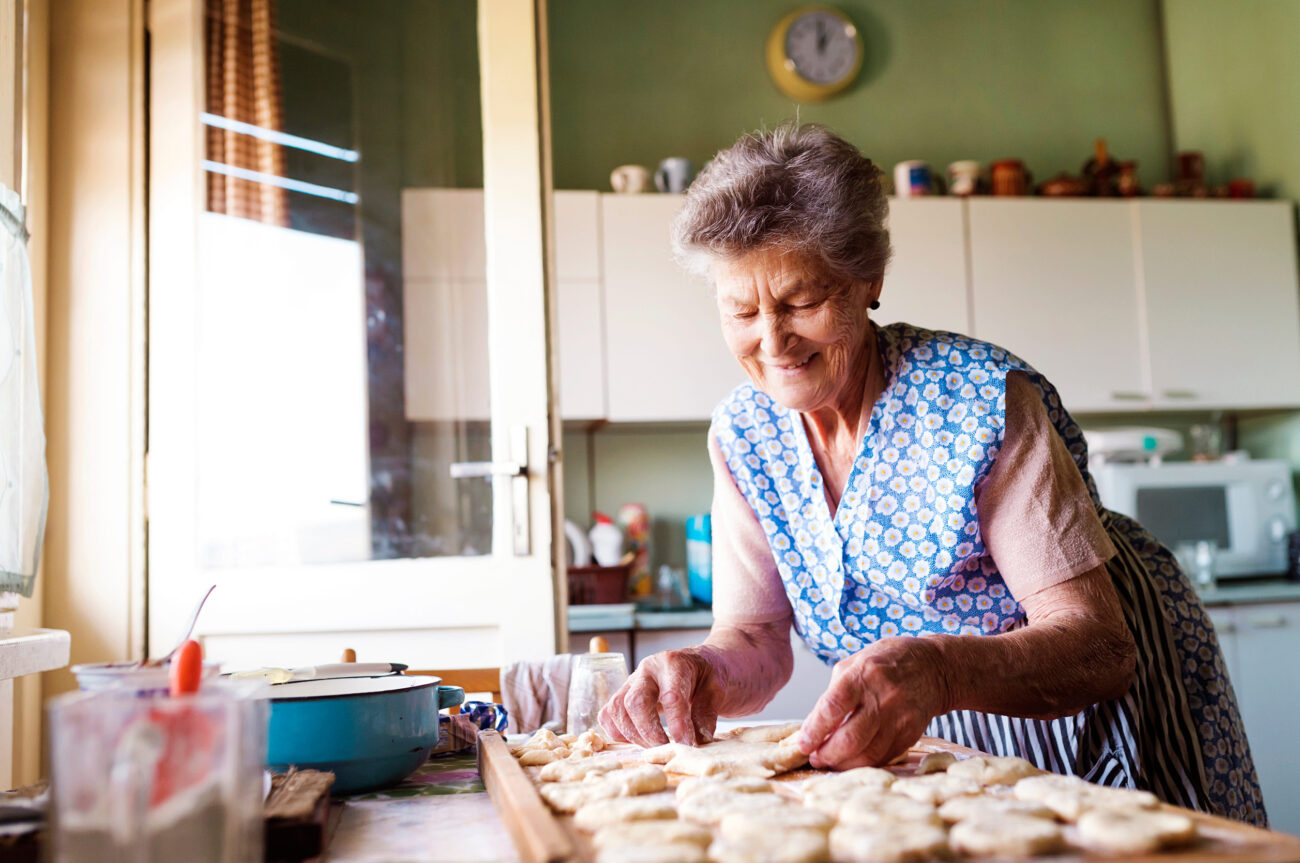
Grandma knew some of the best flavors can’t be rushed.
Remember those pots of soup or stew that seemed to simmer for hours? Slow cooking gives ingredients time to soften and allows flavors to develop together. Tougher cuts of meat can become tender, onions grow sweeter as they cook, and sauces gradually develop a richer taste.
Modern kitchens offer plenty of shortcuts, but rushing certain dishes can leave them tasting flat or underdeveloped. A homemade beef stew, for example, often benefits from gentle simmering rather than aggressive boiling.
You do not need to spend the entire day cooking. Give dishes that benefit from slow cooking enough time to develop their flavors, and you may notice a remarkable difference.
Season Food in Layers
The secret was not necessarily more salt, but knowing when to add each ingredient.
Many experienced home cooks season throughout the cooking process rather than waiting until the end. A little seasoning added to sautéed onions, another adjustment when the broth goes in, and a final taste before serving can create a more balanced result.
Grandma may not have measured every pinch, but years of experience helped her recognize when a dish needed more pepper, herbs, acidity, or salt.
You can build the same instinct by tasting as you cook. A squeeze of lemon can brighten a heavy sauce, while black pepper or fresh herbs can give a familiar dish a more interesting finish.
She Made Her Own Stock and Gravy
That rich, comforting flavor often began long before dinner was served.
Homemade stock made from chicken bones, vegetables, herbs, and water can provide a flavorful foundation for soups, gravies, sauces, and casseroles. Compared with plain water, well-made stock adds savory depth.
Grandma may have saved chicken bones, simmered leftover vegetables, or used roast drippings to create something delicious. Those small habits helped stretch ingredients while making ordinary meals taste more substantial.
Try this at home by making a simple chicken or vegetable stock and freezing it in convenient portions. When you make mashed potatoes, soup, or gravy, having homemade stock ready can make cooking easier and more flavorful.
She Used Ingredients at Their Best
Fresh, ripe ingredients can make a simple recipe taste extraordinary.
A perfectly ripe tomato, freshly picked herbs, sweet seasonal corn, or a crisp apple can bring plenty of natural flavor to a meal. Traditional home cooks often relied on seasonal produce and learned which ingredients were best at different times of the year.
That does not mean everything must come straight from a garden. Frozen vegetables can be nutritious and convenient, and canned tomatoes work well in many sauces. What matters is choosing ingredients that suit the dish and storing them properly.
For example, ripe tomatoes make a wonderful fresh salsa, while canned tomatoes may suit a long-simmered pasta sauce. Understanding each ingredient’s strengths can improve your cooking without increasing your grocery bill.
She Knew How to Brown Food Properly
That golden crust on Grandma’s roast chicken or fried potatoes did more than make dinner look good.
Browning creates new flavor compounds through chemical reactions that occur when food cooks at sufficiently high temperatures. This process, known as the Maillard reaction, contributes to the savory, roasted flavors found in seared meat, toasted bread, and golden potatoes.
One common mistake is overcrowding a pan. When too much food is added at once, moisture can build up and cause ingredients to steam instead of brown.
Cook ingredients in batches when needed, pat meat dry before searing, and let a hot pan do its work. Those simple adjustments can help you achieve more flavorful results without complicated equipment.
She Understood the Power of Butter and Other Fats
A little fat can carry flavor and give food that satisfying, rich finish.
Butter, olive oil, and other cooking fats contribute texture, aroma, and flavor. They can also help distribute fat-soluble flavor compounds throughout a dish, making herbs and spices more noticeable.
Grandma might have finished vegetables with butter, brushed melted butter over biscuits, or used roasted-meat drippings to make gravy. These techniques added richness to otherwise simple ingredients.
The key is balance. Too much fat can make a dish greasy, while too little may leave certain recipes dry or less satisfying. Start with the amount your recipe calls for, then adjust as you gain experience.
She Made Comfort Food From Scratch
Some of the most memorable meals began with ordinary ingredients and a little patience.
Homemade biscuits, mashed potatoes, meatloaf, chicken soup, and fruit cobblers often taste special because their textures and flavors are tailored to the cook’s preferences.
Store-bought versions can be convenient, but making a dish yourself lets you control seasoning, sweetness, consistency, and freshness. You can make mashed potatoes creamier, biscuits less sweet, or a fruit cobbler with just the right amount of cinnamon.
You do not have to prepare every component from scratch, either. Using ready-made pastry with homemade fruit filling, or serving homemade gravy alongside a convenient main dish, can still add a personal touch to dinner.
Related: Grandma’s Old-Fashioned Recipes Are Making a Comeback, and These Are Worth Saving
She Knew When to Add Fresh Herbs and Spices
A handful of herbs at the right moment can change a meal’s character.
Dried herbs often benefit from being added earlier, giving them time to release their flavors. Fresh herbs such as parsley, basil, and coriander are frequently added near the end because prolonged heat can dull their aroma.
Grandma may have learned these differences through years of cooking rather than written instructions. She knew when a pot of soup needed bay leaves, when rosemary would benefit roasted vegetables, and when a little fresh parsley would finish the dish beautifully.
Start experimenting with one or two herbs at a time. Rosemary works well with roasted potatoes, thyme complements chicken and soups, and basil pairs naturally with tomatoes.
She Let Certain Dishes Rest Before Serving
Sometimes, the final step was putting the spoon down and waiting.
Resting can improve certain dishes in different ways. Roasted meat benefits because its temperature and juices redistribute during the resting period, while casseroles and baked pasta dishes become easier to slice as they settle.
Some sauces and stews also taste more integrated after resting and reheating, although not every dish improves overnight. Fresh salads, crispy fries, and delicate fried foods are often best enjoyed immediately. If you are preparing a roast, allow it to rest before carving. For lasagna, let it rest after baking so the layers hold together more neatly.
She Cooked With Experience, Not Just Instructions
Perhaps Grandma’s greatest advantage was knowing what to do when a recipe did not go according to plan.
A written recipe can tell you how much flour to use, but experience helps you recognize when dough feels too dry. It can provide a cooking time, but observation tells you when a roast is ready. Those small judgments develop through repetition.
Experienced cooks also learn to adapt. They know when a sauce needs thinning, when vegetables need another few minutes, and when a dish would benefit from a little extra acidity.
You can build these skills by paying attention to your food rather than following instructions mechanically. Keep notes on recipes you enjoy, notice what works, and do not be afraid to make small adjustments the next time you cook.
The Real Secret Behind Grandma’s Cooking
It was rarely one magical ingredient; it was a collection of little habits that made ordinary food memorable.
Slow cooking, thoughtful seasoning, homemade stock, good browning, fresh ingredients, and years of experience all contribute to delicious meals. But another part of the story is worth remembering: food is often tied to the people, places, and memories around it.
A familiar soup may remind you of cold afternoons at home, while the smell of freshly baked biscuits might take you straight back to a childhood kitchen. Those associations can make familiar dishes especially comforting.
You can recreate many of Grandma’s techniques in your own kitchen without expensive ingredients or professional equipment. Start with one recipe, give it the attention it deserves, and gradually develop your own cooking traditions.
Now tell us: which dish did your grandmother make that nobody else has ever managed to recreate quite the same way?