The Alabama nitrogen gas execution ban has turned one death row case into a national test of how far a state can go when carrying out capital punishment. A federal judge has permanently blocked Alabama from executing Jeffery Lee by nitrogen gas, ruling that the method violates the Eighth Amendment ban on cruel and unusual punishment.
The ruling does not erase Lee’s conviction. It does not end Alabama’s death penalty. It does something narrower but far more explosive: it tells the state that its nitrogen hypoxia protocol cannot be used on Lee because it carries an unconstitutional risk of serious suffering.
That makes this case bigger than one scheduled execution. Alabama tried to make nitrogen gas the future of executions after years of fights over lethal injection. A federal court has now turned that experiment into a constitutional warning sign.
Alabama Nitrogen Gas Execution Ban Creates a Major Legal Turning Point
The Alabama nitrogen gas execution ban matters because it strikes at the method Alabama has promoted since becoming the first state to use nitrogen hypoxia in an execution. The state argued that the method was lawful, workable, and a valid alternative to lethal injection.
The court reached a different conclusion in Lee’s case. U.S. District Judge Emily Marks permanently barred Alabama from executing him by nitrogen gas after an appeals court found the protocol created a substantial risk of serious harm.
That language is powerful because challenges to execution methods are hard to win. Courts have repeatedly said the Constitution does not guarantee a painless death. Still, this ruling says Alabama’s nitrogen protocol crosses the line from unavoidable pain into unconstitutional cruelty.
The Real Issue Is Conscious Suffocation
The most disturbing part of the case is not simply that nitrogen gas causes death by removing oxygen. The deeper legal question is whether the condemned person remains conscious long enough to experience suffocation.
The appeals court focused on the possibility that a person could remain aware for one to three minutes under Alabama’s nitrogen hypoxia protocol. In ordinary life, three minutes can sound short. In the context of oxygen deprivation, the court treated it as intolerable.
That detail gives the case its emotional force. The constitutional question is not only whether nitrogen gas kills. It is whether the state can use a method that may leave a person conscious while the body fights for air.

Why Alabama’s Nitrogen Execution Method Became So Controversial
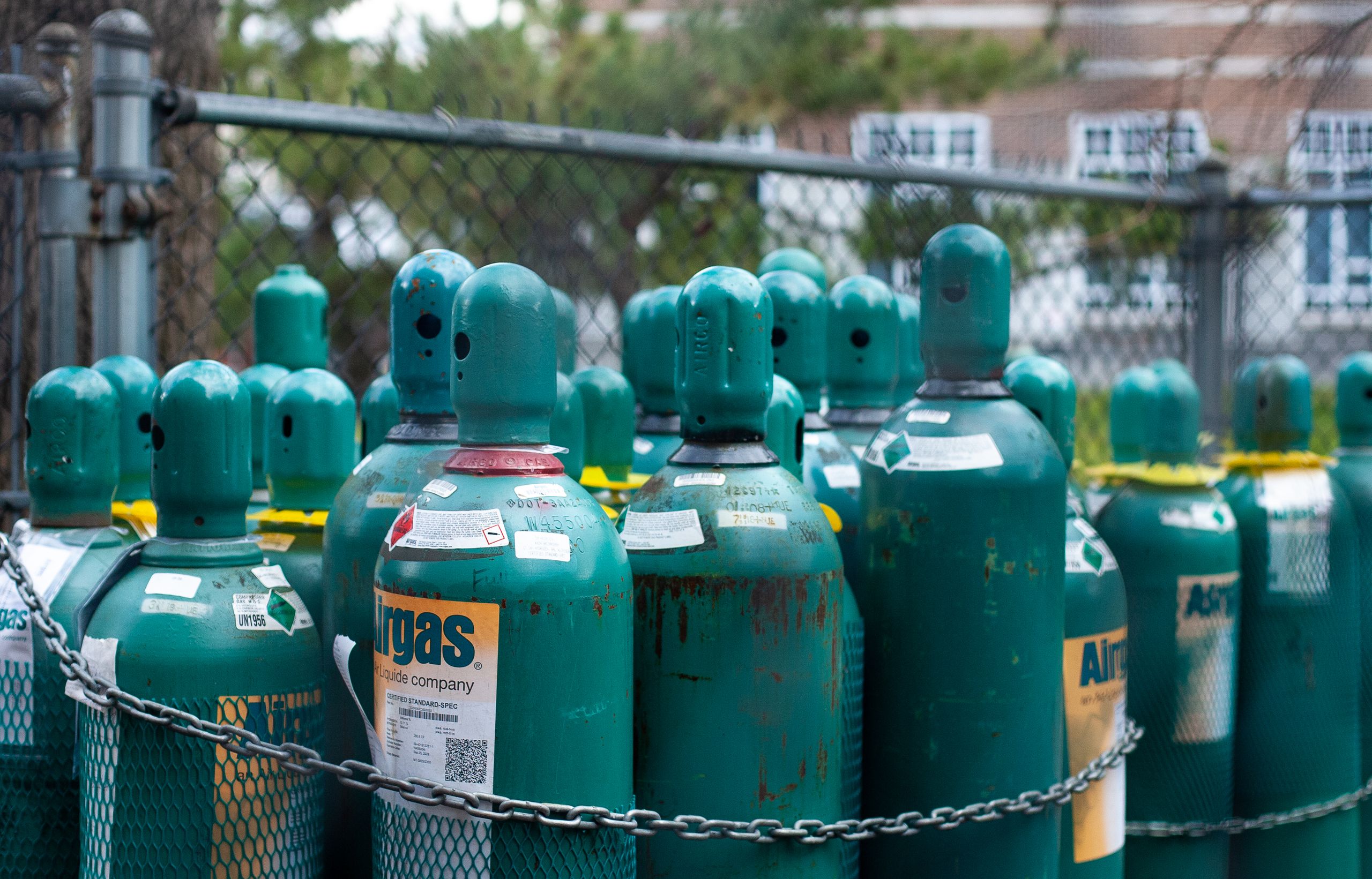
Nitrogen hypoxia involves placing a mask over the condemned person’s face and replacing breathable air with pure nitrogen. Without oxygen, the body eventually loses consciousness and dies.
Alabama has defended the method as constitutional. Critics have described it as experimental and cruel, especially because early nitrogen executions drew public concern over visible distress, prolonged movement, and questions about how long the person remained aware.
This is where the legal fight becomes sharp. Supporters focus on the final medical outcome. Opponents focus on the suffering before unconsciousness. The court’s ruling shows that the experience before death can matter as much as the cause of death itself.
Jeffery Lee’s Case Has a Jury Override Shadow
Lee’s case is especially striking because his jury did not vote for death. The jury recommended life imprisonment by a seven-to-five vote, but the trial judge overrode that recommendation and sentenced him to death.
Alabama later ended judicial override in death penalty cases in 2017. Judges in the state can no longer disregard a jury’s life recommendation and impose death. Lee, however, remains on death row under the old system.
That history adds another layer of controversy to the case. The fight is not only about how Alabama wants to execute Lee. It is also about a death sentence imposed through a practice Alabama no longer allows.
The Victims Remain Central to the Case
Lee was convicted of killing Jimmy Ellis and Elaine Thompson during a 1998 pawnshop robbery. Prosecutors said Lee entered Jimmy’s Pawnshop with a sawed-off shotgun and shot both victims.
Those facts remain central. The ruling does not question the seriousness of the crime or erase the pain connected to the victims’ deaths. It does not declare Lee innocent or cancel the sentence.
The legal question is narrower. Even when a crime is horrific, the government must still obey constitutional limits when carrying out punishment. That is why execution method cases become so difficult, emotional, and closely watched.

Alabama Still Has Other Execution Options
The ruling blocks Alabama from executing Lee by nitrogen gas. It does not bar the state from using every execution method available under Alabama law.
The judge noted that Alabama still has other authorized methods, including lethal injection and the electric chair. Alabama law also addresses what happens if one execution method is ruled unconstitutional, keeping the sentence in place while pointing the state toward another lawful method.
That makes the ruling both powerful and limited. It is powerful because it brands Alabama’s nitrogen protocol unconstitutional in Lee’s case. It is limited because it does not preclude the state from pursuing execution through another authorized route.
Why the Firing Squad Became Part of the Legal Fight
One of the strangest parts of the case is the firing squad issue. Lee identified the firing squad as his preferred alternative method.
That matters because prisoners challenging an execution method generally must name another feasible option that would reduce the risk of severe pain. In other words, a condemned person cannot simply say one method is cruel. Under modern death penalty law, he often must point to another way the state could carry out the sentence.
That creates a grim legal reality. The prisoner must challenge one method of death by naming another. In Lee’s case, the court found that Alabama had the ability to move away from nitrogen gas rather than proceed with a protocol found to carry serious constitutional risk.

Why This Ruling Is Rare Under Supreme Court Standards
Execution method lawsuits are difficult because the Supreme Court has set a demanding standard. The prisoner must show that the challenged method creates a substantial risk of severe pain and that a feasible alternative exists.
That is why Lee’s win stands out. The court did not merely express discomfort with nitrogen gas. It concluded that the protocol violated the Eighth Amendment as applied to him.
The state will likely argue on appeal that the ruling is too broad, too speculative, or too focused on contested evidence. Lee’s side will argue that the court recognized the obvious danger of conscious suffocation. That clash could push the case toward the Supreme Court.
Alabama’s Appeal Could Shape the Future of Nitrogen Executions
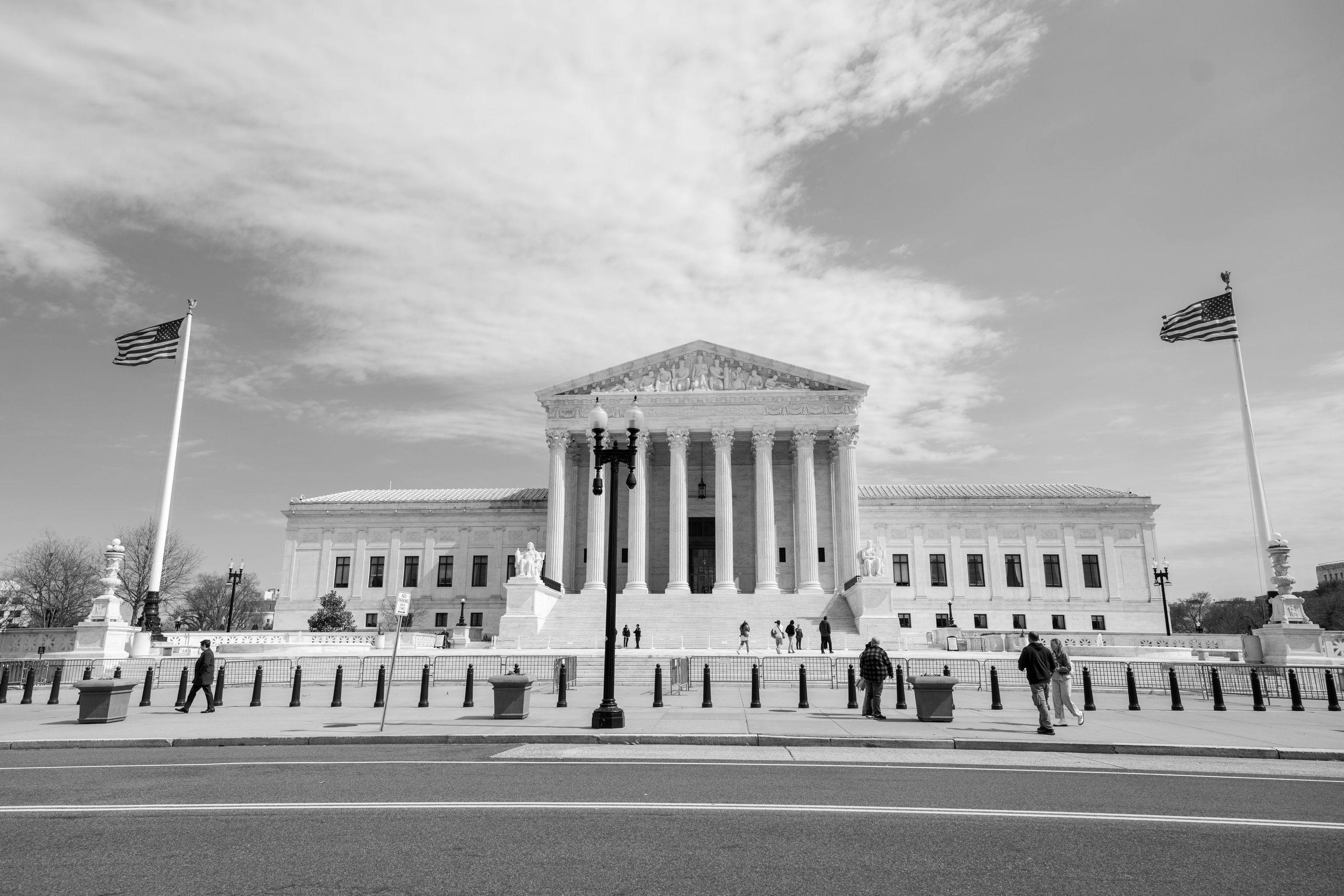
Alabama officials are appealing the decision, which means the legal fight is not over. A higher court could reverse the injunction, narrow it, or allow it to stand.
If Alabama wins on appeal, the state may treat the decision as a green light to continue using nitrogen gas. If Alabama loses, other death row prisoners may use the ruling as a roadmap to challenge the same protocol.
That is why this case matters beyond Lee. Other states have watched Alabama’s nitrogen executions closely. A major appellate ruling against the method could slow or discourage similar efforts elsewhere.
This Is Not a Nationwide Nitrogen Gas Ban
The Alabama nitrogen gas execution ban should not be misunderstood as a national ban. The ruling applies to Lee and prevents Alabama from using nitrogen gas to execute him.
Still, the decision has national weight. It gives death penalty lawyers, judges, and state officials a fresh legal marker. For the first time, Alabama’s nitrogen execution protocol has been placed under a serious federal constitutional restriction.
That distinction is important for readers. Nitrogen gas executions have not disappeared from American law, but their future now looks much less certain than it did before this ruling.
Why the Ruling Damages Alabama’s Death Penalty Strategy
Alabama turned to nitrogen hypoxia in part because lethal injection has become harder to defend and carry out. Across the country, states have faced drug shortages, secrecy fights, botched procedures, and years of litigation over lethal injection protocols.
Nitrogen gas was supposed to offer a new path forward. Instead, it has created a new constitutional battlefield. Rather than solving Alabama’s execution problem, it has triggered one of the most intense execution fights in the country.
That is the deeper story. Alabama did not simply adopt a new procedure. It became the state most closely associated with a method critics call suffocation and supporters call lawful execution. Now a federal court has sided, at least in Lee’s case, with the argument that the risk is constitutionally too high.
What Happens Next in the Alabama Nitrogen Gas Execution Ban Fight
The next stage will likely move through the appeals process quickly because execution cases often involve urgent deadlines. Alabama wants the ruling overturned. Lee’s lawyers will fight to keep the injunction in place.
If the ruling survives, Alabama may have to use another authorized method if it continues seeking Lee’s execution. If the ruling is reversed, the state may try again to proceed with the use of nitrogen gas.
Either way, the case has already changed the debate. The question is no longer whether nitrogen gas is merely controversial. The question is whether it can survive full constitutional review.
Conclusion: Alabama’s Nitrogen Gas Execution Ban Opens a Bigger Death Penalty Fight
The Alabama nitrogen gas execution ban is more than a courtroom setback for one state. It is a direct challenge to the idea that nitrogen hypoxia can become the clean, reliable answer to America’s execution problems.
The ruling places the fear of conscious suffocation at the center of the Eighth Amendment debate. It forces Alabama to defend not just the legality of death sentences, but the specific physical process used to carry them out.
For now, Alabama’s nitrogen gas experiment has hit its most serious legal wall. The state can appeal, but the damage is already done: a federal court has reviewed the protocol and ruled that, in Lee’s case, the method is not just disputed or disturbing, but unconstitutionally cruel.