Have you ever opened your refrigerator only to discover a bag of wilted spinach, forgotten leftovers, or fruit that spoiled before anyone could eat it? You’re not alone. Food waste is a common household problem, and it can quietly drain your grocery budget.
According to the U.S. Environmental Protection Agency (EPA), the average American family of four spends nearly $3,000 annually on food that never gets eaten. That’s money that could go toward household bills, savings, or other necessities.
The good news? Reducing food waste doesn’t require expensive storage containers or a complete kitchen makeover. A few changes to how you shop, store, cook, and serve food can make a noticeable difference.
Here are 12 practical ways to waste less food and make your groceries last longer.
Check Your Refrigerator Before Grocery Shopping
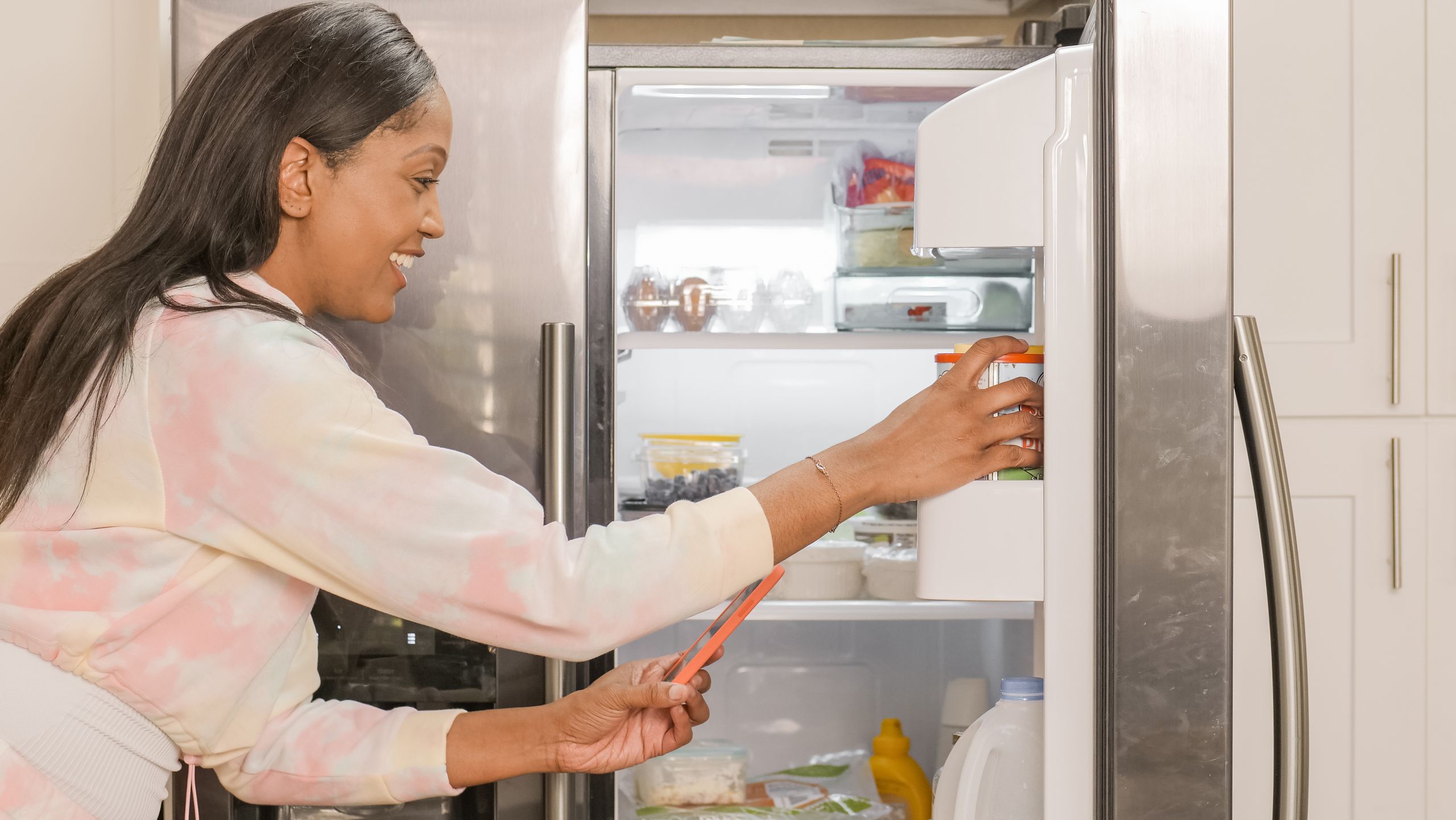
One of the easiest ways to waste money is buying groceries you already have.
Before heading to the supermarket, spend five minutes checking your refrigerator, freezer, and pantry. You might discover unopened yogurt, vegetables, or frozen chicken you completely forgot about.
Note foods that need to be eaten soon and plan meals around them.
For example, if you already have potatoes, carrots, and chicken, you could prepare a hearty stew instead of buying ingredients for an entirely different dinner.
Knowing what you have prevents duplicate purchases and encourages you to use groceries before they spoil.
Make a Weekly Meal Plan
Meal planning might sound like another household chore, but it can save time, money, and unnecessary trips to the store.
You don’t need to plan elaborate dinners every night. Decide what your household will eat for the next few days.
Choose recipes that share ingredients. For example, a bag of carrots could work in Monday’s soup, Wednesday’s stir-fry, and Friday’s roasted vegetables.
Remember to consider your actual schedule. If you know you’ll eat out twice during the week, avoid buying ingredients for seven home-cooked dinners.
A flexible meal plan helps keep forgotten groceries out of the trash.
Stop Buying More Just Because It’s on Sale
Grocery stores are excellent at making shoppers feel like they’re missing a bargain.
Those buy-one-get-one-free strawberries might look irresistible, but they’re not much of a deal if half of them eventually become moldy.
Before buying in bulk, ask yourself whether your household can realistically finish everything before it spoils.
Bulk purchases are often more practical for foods with long shelf lives, such as rice, dried beans, and pasta.
For highly perishable foods, smaller quantities may actually save you more money.
Remember, a discount only benefits your budget when you use what you buy.
Create an “Eat Me First” Section in Your Refrigerator
Have you ever discovered leftovers hiding behind a large container or a half-used vegetable buried in the produce drawer?
An “Eat Me First” section can solve this frustrating problem.
Designate one visible shelf or container for foods that should be used soon. Include ripe fruit, opened packages, and properly refrigerated leftovers approaching the end of their recommended storage period.
Whenever someone opens the refrigerator looking for something to eat, they’ll immediately see what needs attention.
This simple organization trick encourages everyone in the household to prioritize older groceries before opening new ones.
Learn How to Store Fruits and Vegetables Properly
Not all fruits and vegetables should be stored the same way.
Some produce stays fresher in the refrigerator, while certain foods are better kept in a cool, dry pantry.
According to the EPA, leafy greens and carrots generally benefit from a high-humidity refrigerator drawer, while many fruits and vegetables that are prone to rotting do better in a low-humidity drawer.
Apples, bananas, and avocados also release ethylene gas as they ripen. Keeping them away from ethylene-sensitive produce can help prevent premature spoilage.
Berries should generally remain unwashed until you’re ready to eat them, since excess moisture can encourage mold.
A little knowledge about produce storage can help groceries last longer.
Turn Leftovers Into Completely Different Meals
Eating the same dinner three days in a row isn’t everyone’s idea of excitement.
Fortunately, leftovers don’t have to look or taste exactly like yesterday’s meal.
Roasted chicken can become chicken tacos, sandwiches, or soup. Extra rice can be transformed into fried rice, provided it has been cooled and refrigerated promptly and stored safely.
Leftover roasted vegetables can make a delicious addition to omelets, pasta, or grain bowls.
The secret is to treat leftovers as ingredients, not finished meals.
However, food safety still matters. The USDA recommends eating refrigerated leftovers within three to four days or freezing them for longer storage.
Make Better Use of Your Freezer
Your freezer might be one of the most underused money-saving tools in your kitchen.
Instead of waiting for food to spoil, freeze portions you won’t finish.
Bread, cooked meals, chopped vegetables, and many fruits can be frozen for later use.
Overripe bananas, for example, can be peeled and frozen for smoothies or banana bread.
Store foods in suitable freezer bags or containers and label everything with the contents and date.
For food safety, the FDA recommends keeping freezers at 0°F (-18°C) and refrigerators at 40°F (4°C) or below.
Freezing food before it spoils gives you more flexibility when your meal plans change.
Understand What Food Date Labels Actually Mean
Many households throw away perfectly usable groceries because they’re confused by dates printed on packaging.
Labels such as “best if used by” generally refer to the period when a product is expected to maintain its best quality, rather than automatically indicating that it becomes unsafe afterward.
However, storage instructions, the type of food, and signs of spoilage all matter.
Infant formula is a particularly important exception because its use-by date must be followed.
The FDA encourages consumers to understand food date labels to avoid unnecessary waste while maintaining food safety.
Never taste suspicious food to determine whether it’s safe, and don’t assume harmful bacteria will always cause a noticeable smell or appearance.
Serve Smaller Portions and Allow Seconds
Large portions can lead to unnecessary food waste, particularly when cooking for children or people with smaller appetites.
Instead of filling every plate, start with moderate servings and let everyone return for seconds.
This approach works particularly well for pasta, rice, casseroles, and family-style dinners.
You can also leave extra food in the cooking pot rather than putting everything on individual plates.
Food that has been handled and stored properly is easier to save for another meal than food left sitting on plates.
Small serving adjustments can make a meaningful difference over time.
Find Creative Uses for Fruits and Vegetables Past Their Prime
A slightly soft tomato or overripe banana doesn’t necessarily belong in the garbage.
Produce that has lost some of its original texture can sometimes still be useful in cooked dishes.
Soft tomatoes can become pasta sauce. Ripe bananas are ideal for banana bread. Carrots that are no longer crisp may work well in soups or stews.
Stale bread can be transformed into breadcrumbs, croutons, or French toast.
The important distinction is between food that’s simply past its peak quality and food that’s actually spoiled.
Discard produce with unsafe spoilage, and never attempt to rescue questionable food merely to avoid waste.
Keep Your Pantry Organized With the Oldest Items in Front
An overcrowded pantry can become a hiding place for forgotten groceries.
You might buy another box of cereal without realizing you already have three unopened boxes behind the flour.
Try organizing pantry items so that older products are positioned toward the front, and newer purchases go behind them.
This system, sometimes called “first in, first out,” makes it easier to use existing groceries before reaching for recently purchased replacements.
Clear labels and grouping similar products can also help.
An organized pantry isn’t just more attractive. It makes shopping decisions easier and helps prevent you from forgetting food.
Track What Your Household Throws Away
One of the most effective ways to reduce food waste is to identify what you’re actually throwing away.
For one week, write down the foods your household throws away and why.
Perhaps you consistently buy too much lettuce. Maybe nobody enjoys leftover pasta, or fresh bread regularly becomes stale before anyone finishes it.
Once you recognize the patterns, you can make better decisions.
If salad greens regularly spoil, purchase smaller packages. If bread goes uneaten, freeze half the loaf immediately.
You can also compost unavoidable food scraps, such as certain peels and trimmings, where facilities allow.
Tracking waste turns an everyday frustration into an opportunity to improve your grocery habits.
Small Changes Can Lead to Big Savings
Reducing food waste doesn’t mean forcing yourself to eat food you dislike or keeping groceries longer than is safe. It’s about making smarter decisions before food ends up in the trash.
Start with two or three habits, such as checking your refrigerator before shopping, creating a designated leftovers section, or freezing extra portions.
As these practices become routine, you’ll likely find it easier to manage your groceries, organize your kitchen, and stretch your household food budget.
The next time you’re about to throw away forgotten groceries, consider what could have prevented them from going to waste in the first place.
Sometimes, saving money starts with simply paying more attention to what’s already in your kitchen.