Hospitals are meant to feel safe. The lights are bright, the machines are steady, and everyone seems trained to move with purpose.
Still, medicine is a human system. It runs on people, charts, computers, handoffs, rushed decisions, and long shifts.
Most patients leave hospitals healthier than they arrived. But some medical mistakes begin with something small, like a wrong label, a skipped check, or a missed symptom.
That is what makes these errors so frightening. They often do not look dramatic at first, yet they can change a patient’s life.
Wrong-Patient Surgery
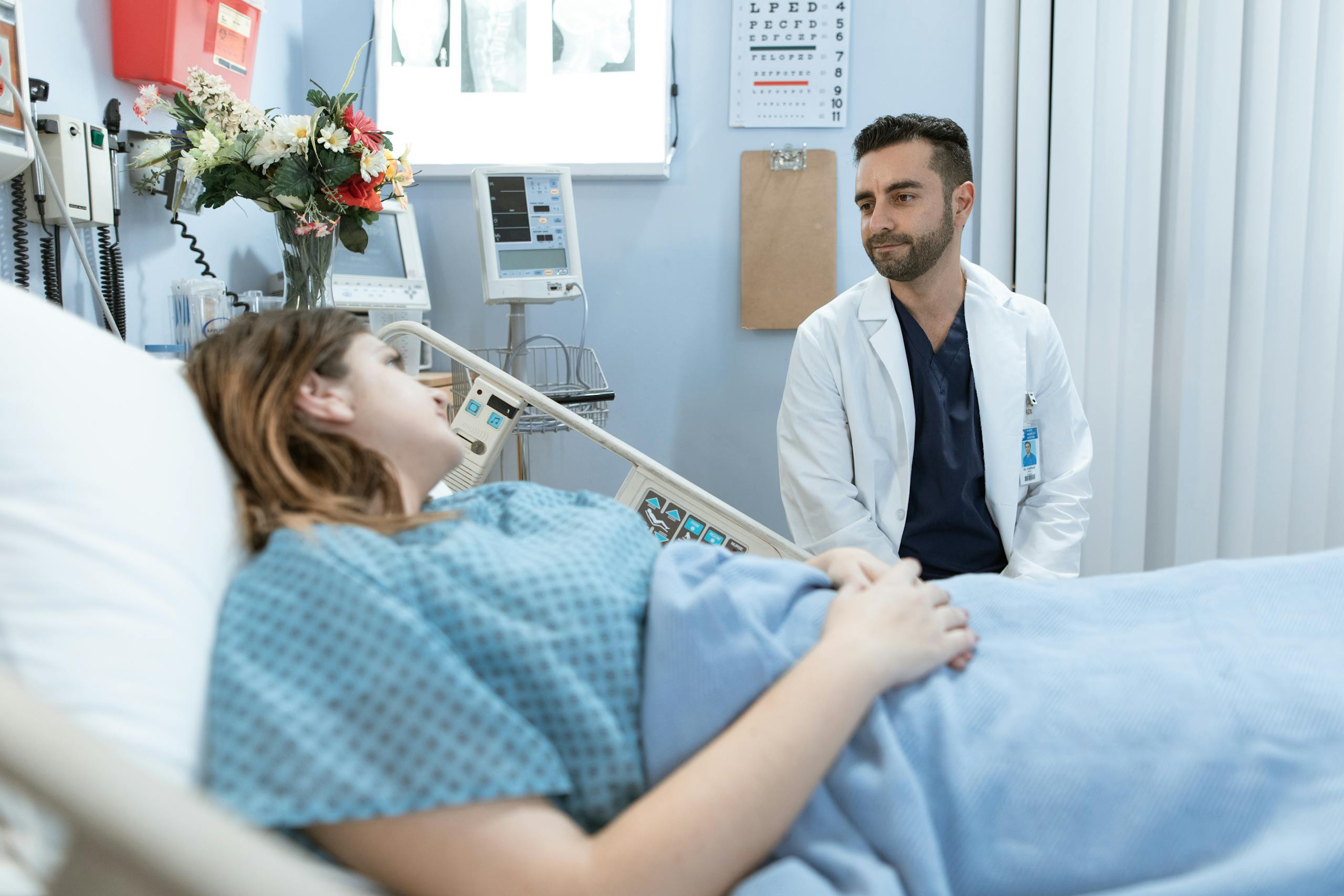
Wrong-patient surgery can begin with a simple identity mix-up. Two patients may have similar names, similar procedures, or records opened at the same time.
When checks become casual, the wrong person can be prepared for surgery. That patient may face pain, scarring, infection, and trauma from a procedure they never needed.
The patient who actually needed surgery may also lose valuable treatment time. This is why patients should repeat their full name, date of birth, and planned procedure every time they are asked.
Wrong-Site Surgery
Wrong-site surgery occurs when the wrong patient undergoes surgery on the wrong body part. It may involve the wrong knee, eye, tooth, or organ.
These errors are considered never events because they should not happen. Yet they can occur when surgical marks, scans, or consent forms are unclear.
Patients should ask the team to confirm the surgery site out loud before anesthesia. That one question can stop a terrible mistake before it reaches the operating table.
Wrong Procedure Errors
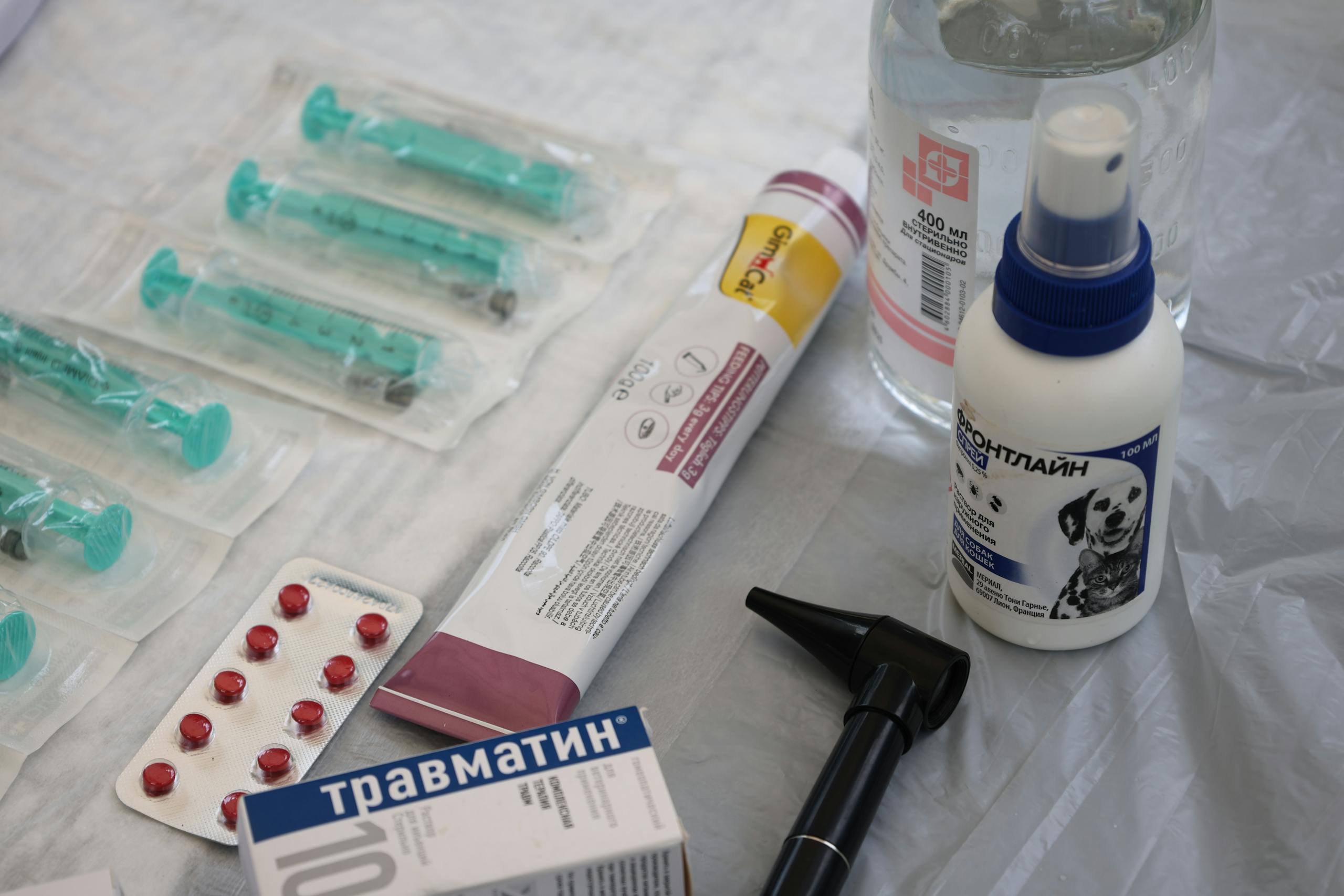
A wrong procedure error happens when a patient receives treatment that does not match their real condition. This can come from poor scheduling, unclear test results, or weak communication.
The harm is serious because the patient faces an unnecessary procedure. At the same time, the real illness may continue to worsen.
Before any major treatment, patients should ask what condition is being treated. They should also ask which test confirmed the need for the procedure.
Medication Mistakes
Medication errors can happen at many points. A doctor may prescribe the wrong dose, a pharmacist may fill the wrong prescription, or a nurse may give the wrong medication to the wrong patient.
Some errors happen because drugs have similar names or packaging. Others happen when allergies, kidney problems, or drug interactions are missed.
Patients should ask what each medicine is and why they are receiving it. A good care team will welcome that question because safe medication use depends on clarity.
Blood Transfusion Mistakes

Blood transfusions can save lives after surgery, trauma, childbirth complications, or severe anemia. But transfusions require exact matching.
If the wrong blood reaches the wrong patient, the body may attack it. This can cause fever, shock, kidney injury, or life-threatening complications.
Patients and families can ask whether the blood type and patient details have been checked. With blood, one extra confirmation is never too much.
Hospital-Acquired Infections
Some patients enter hospitals for one problem and leave with another. Hospital-acquired infections can come from surgical wounds, catheters, ventilators, or contaminated hands and surfaces.
These infections can be especially dangerous for older adults, surgical patients, and people with weak immune systems. A small infection can become serious if it spreads.
Patients can ask staff to clean their hands and ask when a catheter or line can be removed. In hospitals, cleanliness is not politeness. It is protection.
Misdiagnosis

Misdiagnosis is frightening because it can sound believable at first. Chest pain may be mistaken for indigestion, stroke symptoms may be mistaken for a migraine, and sepsis may be mistaken for the flu.
The danger grows when serious conditions are missed early. A delayed diagnosis can mean delayed treatment, and sometimes the body does not have time to wait.
Patients should ask what serious conditions have been ruled out. If symptoms get worse, they should return for care promptly rather than hoping the first answer was right.
Delayed Emergency Care
Emergency rooms are often crowded and tense. Staff may be handling more patients than there are rooms, but some symptoms cannot wait.
Chest pain, stroke signs, heavy bleeding, breathing trouble, sudden confusion, and severe abdominal pain need urgent attention. Every minute can matter.
Patients and families should speak up when symptoms change. Saying “This is getting worse” can help trigger a new assessment.
Retained Surgical Items
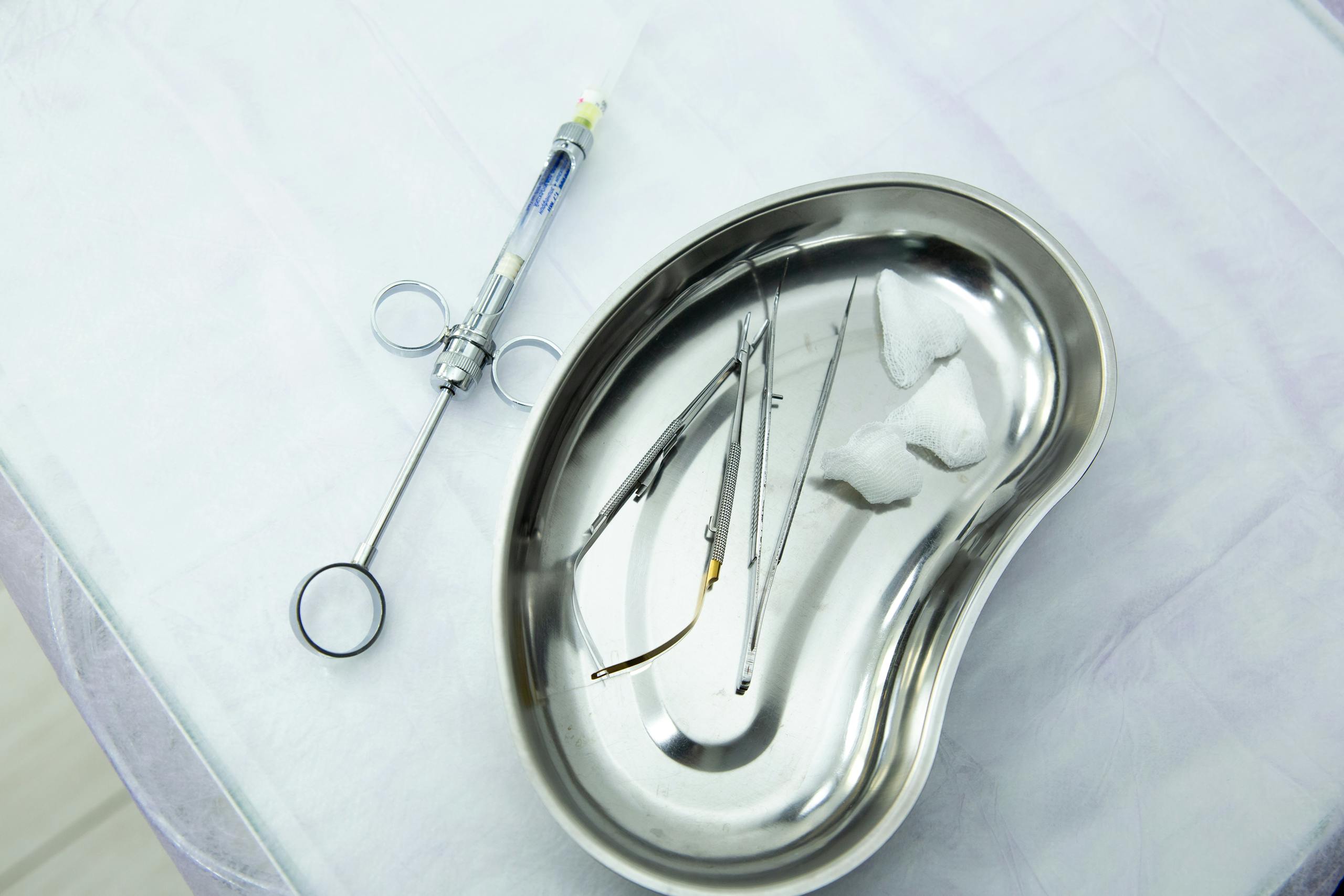
Few medical mistakes sound more disturbing than an item left inside the body after surgery. It may be a sponge, needle, guidewire , or small instrument.
This can happen during long operations, emergency surgeries, heavy bleeding, or staff changes. The symptoms may appear weeks or months later as pain, swelling, fever, or infection.
Hospitals prevent this with counts, checklists, and tracking systems. Every item that enters the body must be accounted for before surgery ends.
Hospital Falls
A hospital fall may sound simple, but it can destroy a recovery in seconds. Patients may be weak, dizzy, confused, or affected by medication.
Falls can cause broken bones, head injuries, bleeding, and longer hospital stays. Older adults face the highest risk, but any patient can fall after surgery or sedation.
Patients should use call bells and ask for help when walking. In a hospital room, asking for help is not a weakness. It is part of healing.
Conclusion
Medical mistakes are frightening because hospitals are human places. They contain skill, science, and lifesaving care, but they also carry pressure and room for error.
The answer is not fear. The answer is awareness.
Patients have the right to ask questions, confirm details, and speak up when something feels wrong. Safe care is built through clear checks, clean hands, and honest communication.