Every generation has its own little habits, household routines, and everyday traditions. For Baby Boomers, growing up often meant using landline phones, keeping handwritten address books, taking photographs with film cameras, and saving important documents in neatly arranged folders. Many of these things were once ordinary parts of daily life, but younger generations are increasingly finding different ways to get things done.
Baby Boomers, generally defined as people born between 1946 and 1964, grew up when technology and communication looked very different from what they are today. As digital services become more common, some familiar habits could gradually disappear as older generations pass them on less frequently. Here are seven everyday things that may become increasingly rare.
Calling Someone on Their Home Phone
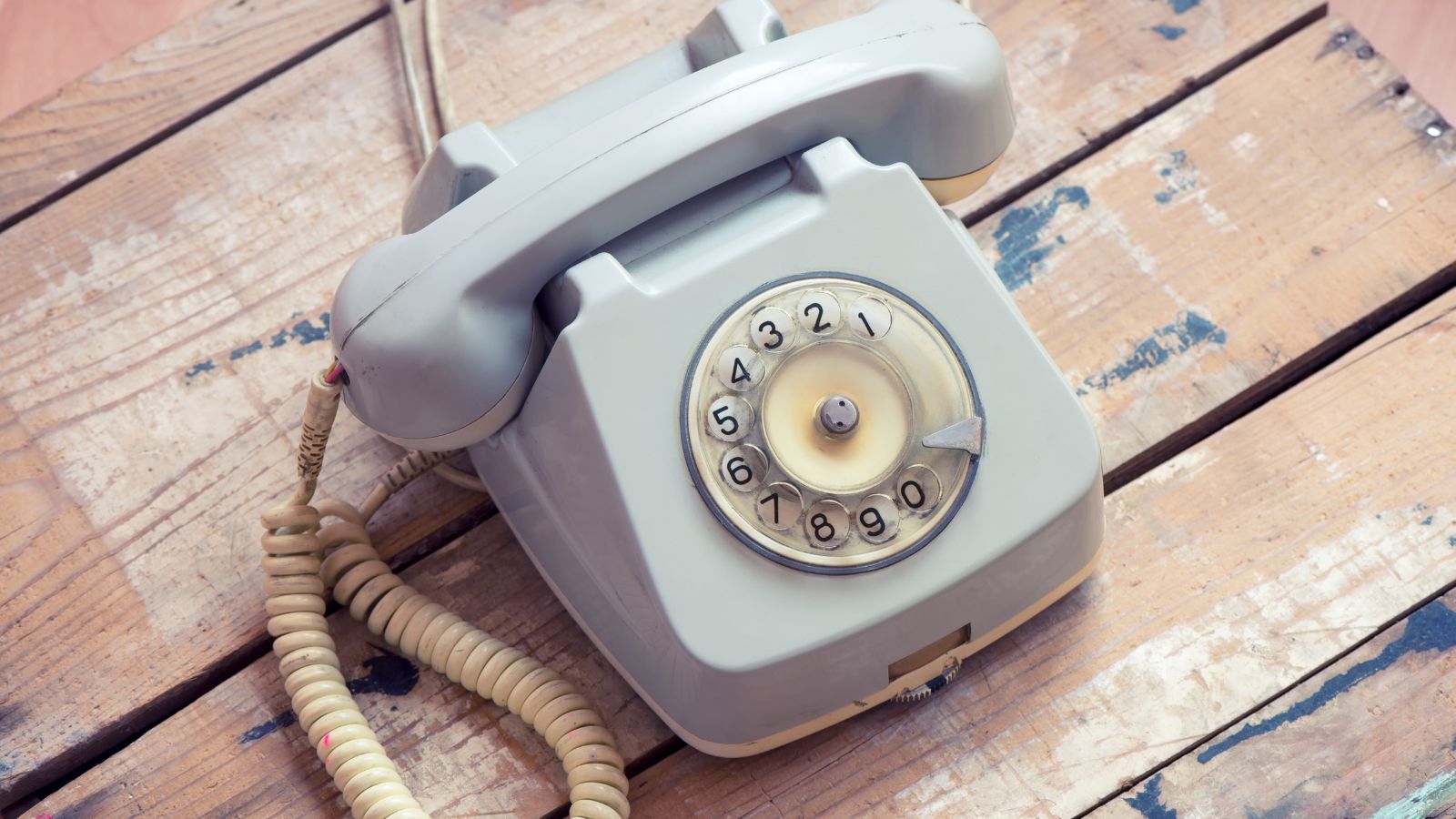
For many Baby Boomers, calling a friend meant picking up a telephone connected to the wall or sitting on a small table in the living room. Family members sometimes had to share one household number, making private conversations a little challenging. Children also learned to answer the phone politely because the person calling could be a relative, neighbor, or someone asking for their parents.
Mobile phones have completely changed that routine. People now carry personal numbers wherever they go, while messaging and video calls provide additional ways to stay connected. Landline subscriptions have declined considerably in the United States as households increasingly rely on wireless communication. Although some businesses and older households still use traditional phones, the familiar household landline may become a rare sight in the coming years.
Keeping a Handwritten Address Book
There was a time when forgetting someone’s phone number meant looking through a small address book or calling a mutual friend for help. Many Baby Boomers kept notebooks containing the names, home addresses, and telephone numbers of relatives, friends, neighbors, and business contacts. Some even had carefully organized alphabetical sections to make finding a contact easier.
Today, smartphones automatically store contact details and allow people to search for a name in seconds. Messaging apps also let people communicate without memorizing anyone’s number. While some people still appreciate handwritten address books, younger generations are less likely to see a reason to maintain one. As older people move away from paper records, this once familiar household item could become increasingly uncommon.
Printing Photographs to Keep in Family Albums
Baby Boomers grew up when taking photographs usually meant buying film, loading a camera, and waiting for the roll to be developed. Families would collect printed pictures from birthdays, weddings, holidays, and ordinary weekends. These photographs often ended up in thick albums that could be brought out whenever relatives visited.
Smartphone cameras have made photography almost effortless. People can take hundreds of pictures, edit them, and share them with relatives without visiting a photography shop. Cloud storage also lets families keep digital collections without physical albums. Printed photographs are unlikely to disappear entirely, but younger generations may have far fewer traditional photo albums to pass down.
Writing Personal Letters and Greeting Cards
Receiving a handwritten letter used to be a familiar way to stay in touch with people who lived far away. Baby Boomers often relied on postal services to exchange news with relatives, friends, and loved ones. Birthday cards, Christmas greetings, and thank-you notes also offered chances to write personal messages someone could keep for years.
Today, emails, text messages, and social media have made communication much faster. A birthday greeting can arrive within seconds, even when someone lives thousands of miles away. Electronic invitations and digital greeting cards have also replaced some traditional paper correspondence. Handwritten letters still carry sentimental value, but younger people may have fewer reasons to write them regularly.
Using Physical Maps to Find Directions
Before smartphones and navigation applications, getting somewhere unfamiliar often required a paper map. Drivers kept road atlases in their cars, while travelers studied printed directions before leaving home. Finding the correct route sometimes involved asking strangers for directions or stopping at a petrol station to check a map.
Applications such as Google Maps have made navigation much easier by providing turn-by-turn directions, traffic updates, and alternative routes. Drivers can also search for nearby restaurants, fuel stations, and hotels without carrying a separate guidebook. Paper maps remain useful in areas with poor internet coverage, but they are no longer essential for most everyday journeys. Future generations may find the idea of unfolding a giant road map across the dashboard rather amusing.
Recording Television Programs on VHS Tapes
For Baby Boomers and older members of Generation X, recording a television program often involved a VHS cassette and a video recorder. Families could save movies, sporting events, and favorite television episodes to watch later. Some people even had shelves filled with tapes labeled with handwritten titles and recording dates.
Streaming platforms and digital recording services have largely replaced this routine. Viewers can now watch many programs whenever they want, while smart televisions and digital devices offer ways to record selected content. VHS players have become increasingly difficult to find, and working tapes are no longer a common household purchase. Collectors still appreciate the format, but recording television onto a cassette is unlikely to become a familiar habit for younger viewers.
Keeping Paper Receipts and Bills in Filing Cabinets
Many Baby Boomers are accustomed to keeping physical records of important financial transactions. Household filing cabinets may contain electricity bills, bank statements, insurance documents, medical receipts, and tax records arranged in folders. Having paper copies offered a convenient way to find information when something needed checking or disputing.
Digital banking and online account management have changed how people store these records. Many companies now send electronic bills and receipts, while customers can download statements whenever they need them. Digital storage also reduces the amount of paperwork households have to manage. Paper documents will remain important in certain legal and financial situations, but younger generations may be less interested in maintaining entire cabinets dedicated to household paperwork.
Some Traditions Will Fade, but Others Will Find New Life
The disappearance of these everyday habits does not mean Baby Boomers are the only people who value them. Plenty of younger people still enjoy printed photographs, handwritten notes, physical maps, and family albums. Sometimes, the appeal of an old-fashioned habit has less to do with convenience and more to do with the memories attached to it.
However, technology and changing lifestyles continue to influence how people communicate, organize their homes, and manage everyday responsibilities. Some things that once seemed indispensable may eventually become nostalgic reminders of another time. Years from now, younger generations might explain to their children what it was like to keep hundreds of phone numbers in a little book.