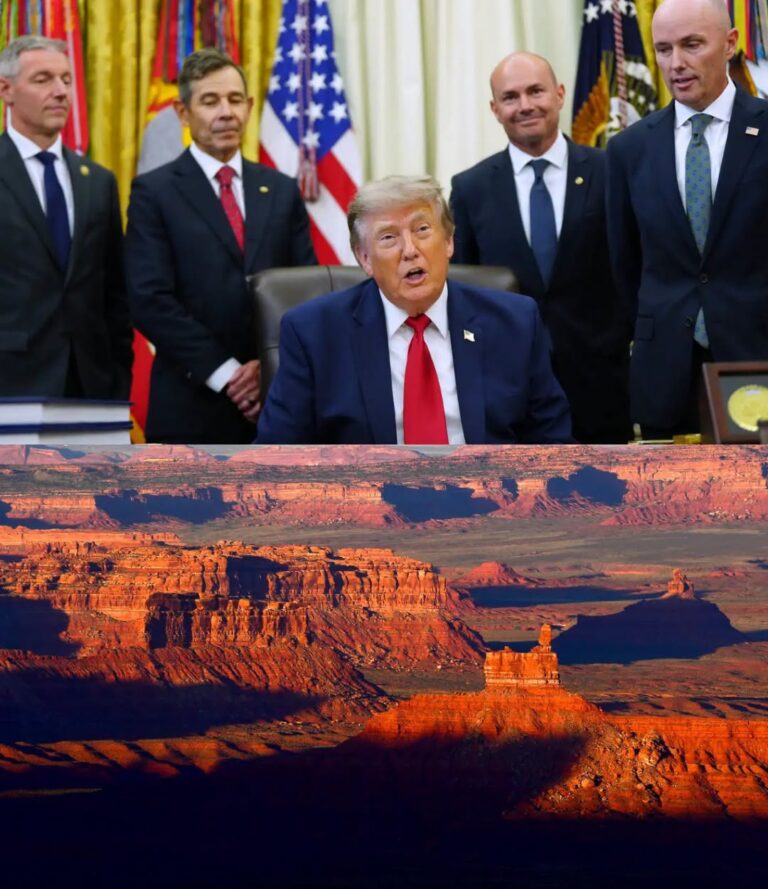
The death penalty has not disappeared from America. It has narrowed, slowed in some places, surged in others, and turned into one of the country’s most uneven justice debates. As of 2026, 27 states still have the death penalty, while 23 states and Washington, D.C., do not. The federal government and the U.S. military also retain it.
That number alone does not tell the full story. Some states have death penalty laws but have paused executions, while others continue to carry them out.
The Death Penalty Information Center also notes that around 2,100 prisoners currently face execution in the U.S., even as the national death row population has declined for 20 straight years.
Texas
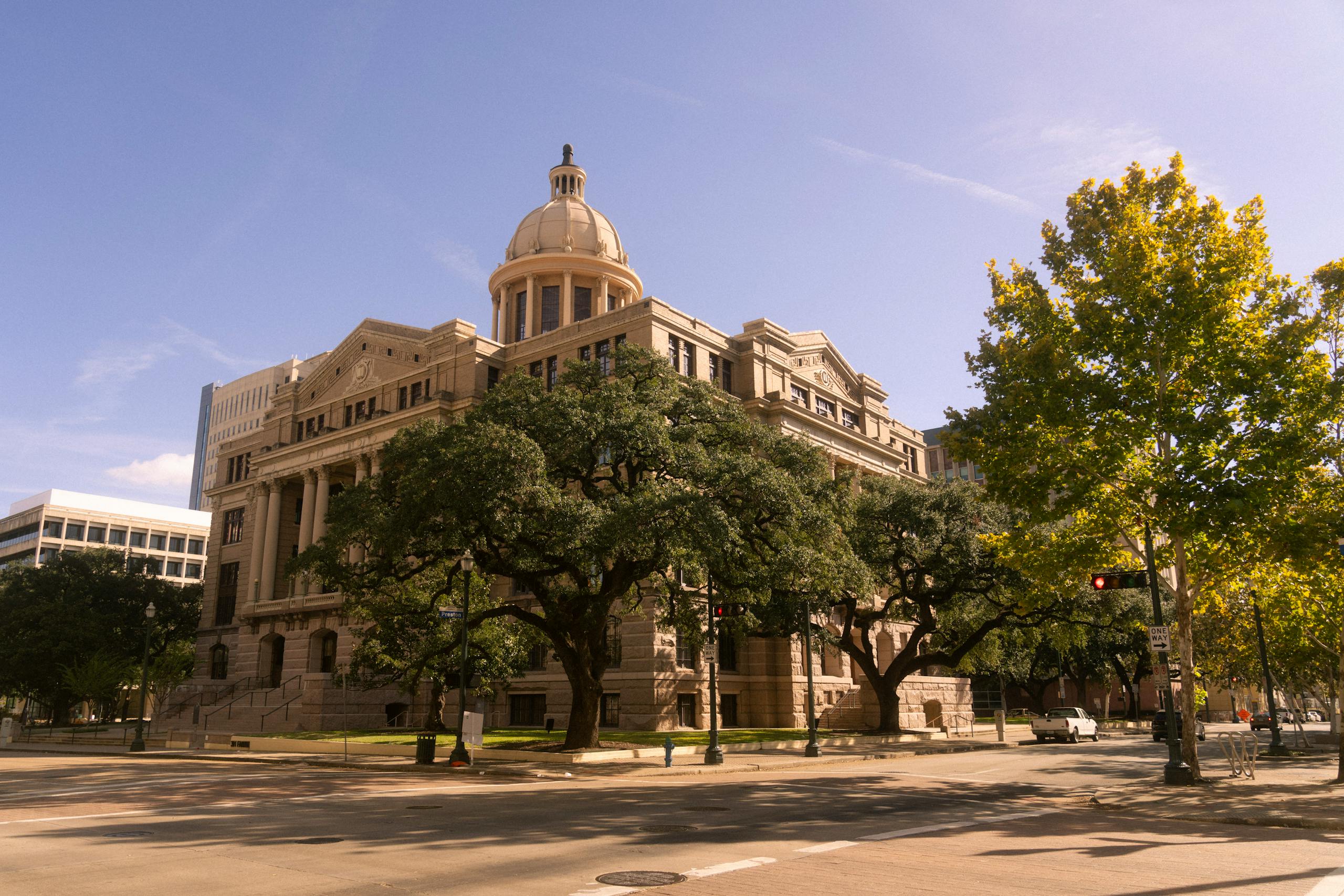
Texas remains the state most closely associated with the modern death penalty. In May 2026, Texas carried out its 600th execution since resuming executions in 1982, a milestone no other state has reached.
The case involved Edward Busby Jr., whose execution also made him the fourth person put to death in Texas in 2026 and the 12th nationwide at that point in the year.
That history gives Texas a unique place in America’s capital punishment debate. Supporters often frame the state’s approach as firm justice for the worst crimes. Critics see it as a warning sign about speed, errors, intellectual disability claims, and the finality of a punishment that cannot be undone.
Florida
Florida has become one of the most active death penalty states in recent years. In 2025, executions rose nationally from 25 to 47, and Florida alone accounted for 19 of them, or 40% of the year’s total.
That surge made Florida a major focus for both supporters and opponents of capital punishment. The state’s pace shows how quickly death penalty activity can change when political leadership, courts, and execution schedules line up. For MSN readers, Florida is one of the clearest examples of how a state can move from legal authority to frequent action.
Oklahoma
Oklahoma remains another state where the death penalty is more than a law on paper. In May 2026, the state executed Raymond Johnson, who had been convicted of killing his ex-girlfriend and her infant daughter. That execution was Oklahoma’s second of 2026 and the 11th nationwide at the time.
The state has long been central to debates over execution methods, wrongful convictions, and the reliability of capital cases. Its continued use of executions keeps Oklahoma near the center of the national conversation. Even when the number of executions is lower than in Texas or Florida, the symbolic weight remains heavy.
Arizona
Arizona returned to the headlines in May 2026 when it executed Leroy Dean McGill by lethal injection. He had been convicted in the 2002 killing of Charles Perez, who was set on fire during an attack in Phoenix. The execution was Arizona’s first of 2026 and brought the national total to 12 at that point in the year.
Arizona’s death penalty history has often been shaped by long pauses, legal challenges, and disputes over execution procedures. That makes the state a reminder that capital punishment can sit dormant for years, then suddenly become active again. For families, lawyers, and prisoners, those shifts can reopen wounds that never fully closed.
Alabama
Alabama has drawn national attention because of its execution methods. The Death Penalty Information Center reported that nitrogen gas executions continued to raise concerns in 2025, especially after media witnesses described visible distress during some procedures.
That has made Alabama one of the most closely watched death penalty states in America. The debate is no longer just about guilt, punishment, or deterrence. It is also about whether the state can carry out executions in a way that meets constitutional and moral standards.
South Carolina
South Carolina returned to the national spotlight because of the firing squad. In 2025, the state carried out the first firing squad execution in the U.S. in 15 years, a moment that immediately reignited arguments over old execution methods returning in modern America.
The state’s case shows how death penalty debates can shift from legal theory to visceral public reaction. Even people who support capital punishment often disagree over methods. South Carolina proves that the method of execution can become just as controversial as the sentence itself.
Missouri

Missouri remains one of the 27 states where the death penalty is still legal. It is not always the loudest state in the debate, but it has remained part of the active death penalty landscape.
That matters because the death penalty is no longer evenly spread across America. A relatively small group of states carries much of the system’s practical weight.
Missouri’s place on the map keeps it tied to broader questions about regional justice, prosecutorial power, and how different states punish similar crimes.
California
California still has the death penalty, but executions are under an executive hold. In 2019, Gov. Gavin Newsom halted executions and said he would not oversee any while governor.
That makes California one of the strangest death penalty states in the country. It has the legal structure, but not the active execution pipeline. The result is a state where death sentences can exist in court records, yet the punishment itself remains politically frozen.
Pennsylvania

Pennsylvania also has the death penalty but remains under an executive hold on executions. Gov. Josh Shapiro continued the hold that began under Gov. Tom Wolf and urged lawmakers to approve abolition.
This creates a gap between law and reality. Pennsylvania can sentence someone to death, but executions remain paused by executive action. That tension makes the state a strong example of how governors can reshape death penalty policy without fully removing it from the books.
Kansas
Kansas is one of the states where the death penalty is legal, but its practical use has been limited compared with states like Texas, Florida, and Oklahoma. It remains on the current list of death penalty states.
That makes Kansas useful for readers who assume every death penalty state actively carries out executions.
The law may allow capital punishment, but local prosecutors, courts, juries, appeals, and political culture determine how often it becomes a reality. In America, having the death penalty and using it are two very different things.
Conclusion
The death penalty map is not just a list of states. It is a split-screen picture of America’s justice system. Some states have abolished it, some keep it but pause executions, and others continue to carry them out. That uneven reality is why the debate remains so heated, even as death row numbers continue to decline.