Anxiety can make ordinary days feel overwhelming. Sounds, lights, or even quiet moments can trigger racing thoughts. For many, a well-chosen dog offers something unique: a grounding presence, routine, and comfort that eases tension in ways medication or self-help alone sometimes cannot.
Not every dog suits this role. The best dogs for anxiety are affectionate without being clingy, trainable without rigidity, emotionally responsive without adding stress, and compatible with their owner’s lifestyle. When selected thoughtfully, a dog becomes more than a pet; it becomes a calming companion through life’s ups and downs.
What Makes a Dog Good for Anxiety Support
Temperament, not appearance, defines the most effective anxiety support dogs. They should remain calm amid ordinary household noise, respond well to basic commands, bond closely with humans, and settle beside their owners during stressful moments. Energy levels and size are also important; high-energy dogs can support owners who benefit from movement, while low-energy dogs offer quiet companionship. The ideal breed aligns with daily routines, living space, and the owner’s physical and emotional capacity.
Golden Retriever
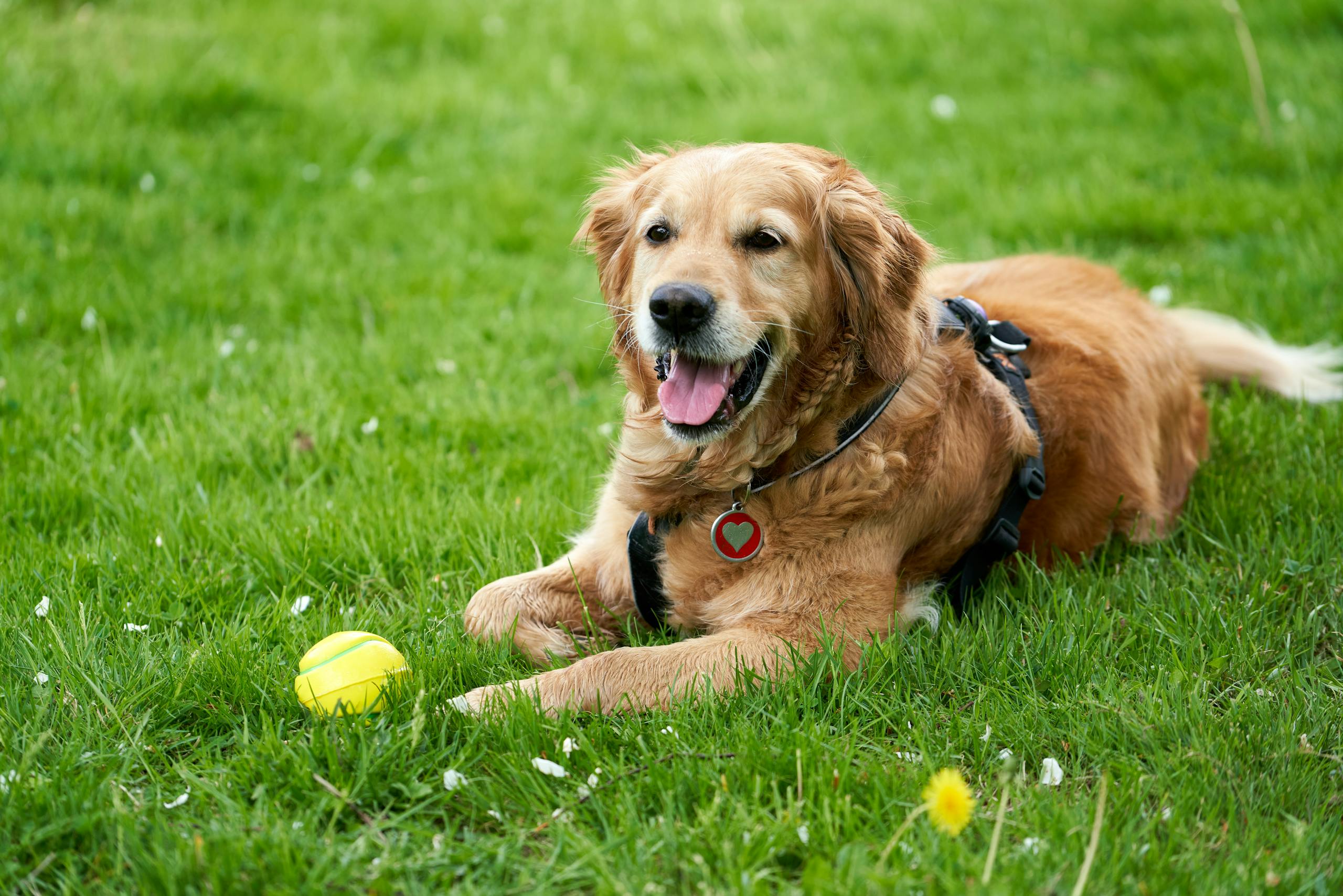
Golden Retrievers are famed for their gentle, friendly, and dependable nature. Their calm demeanor and affectionate personality make them excellent companions for anyone experiencing anxiety. Beyond emotional support, Goldens thrive on simple routines like walks, fetch, and cuddle time, giving owners a structured rhythm that can ease racing thoughts. Their patient and loving temperament ensures they remain soothing even during prolonged stressful moments.
Labrador Retriever
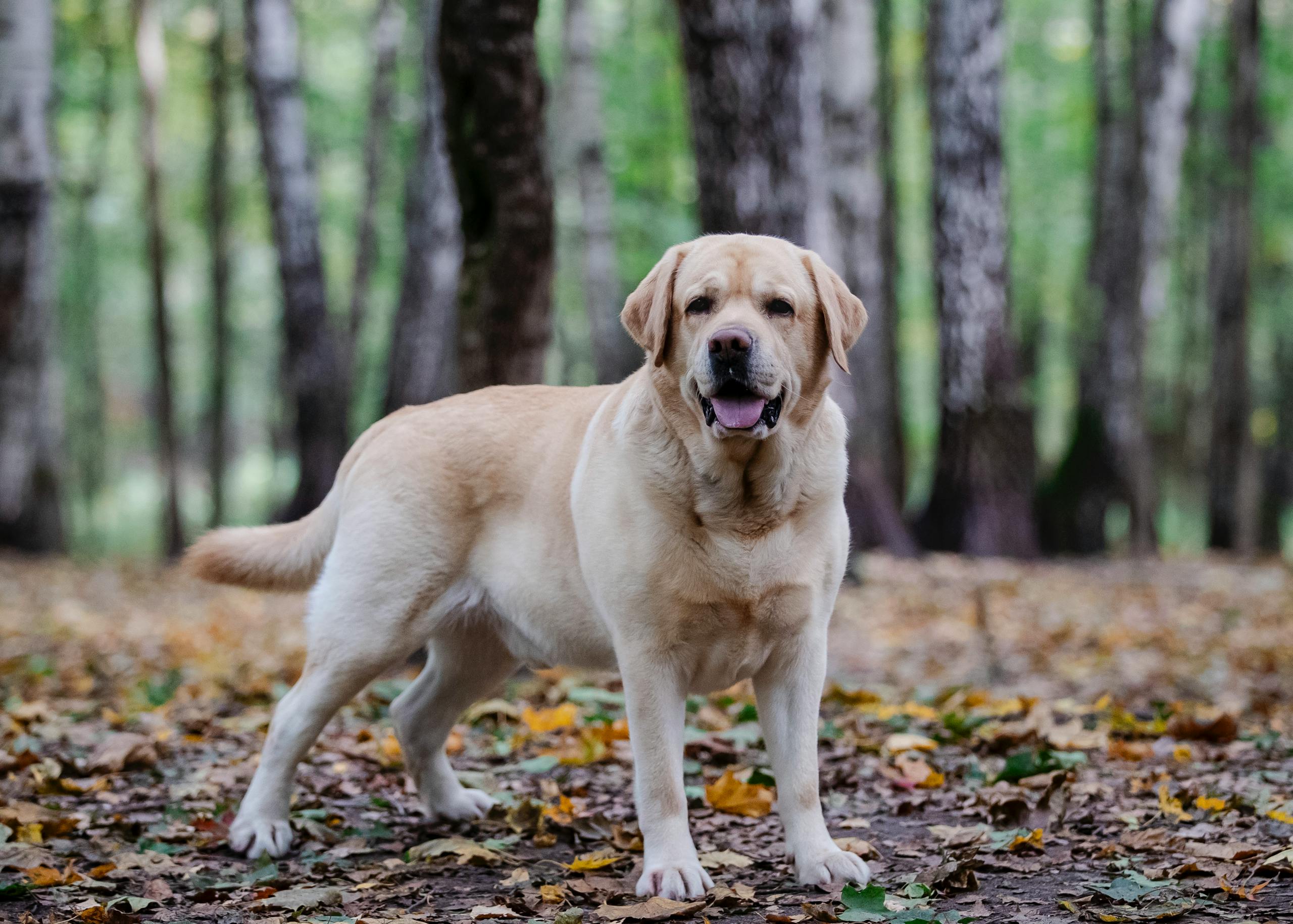
Labradors offer loyalty, intelligence, and emotional sensitivity, making them strong candidates for support with anxiety. Their friendly, approachable personalities foster a sense of safety, while their playfulness encourages movement and a sense of routine. Labs can mirror human emotions, offering silent companionship that helps owners feel supported without pressure or judgment.
Cavalier King Charles Spaniel
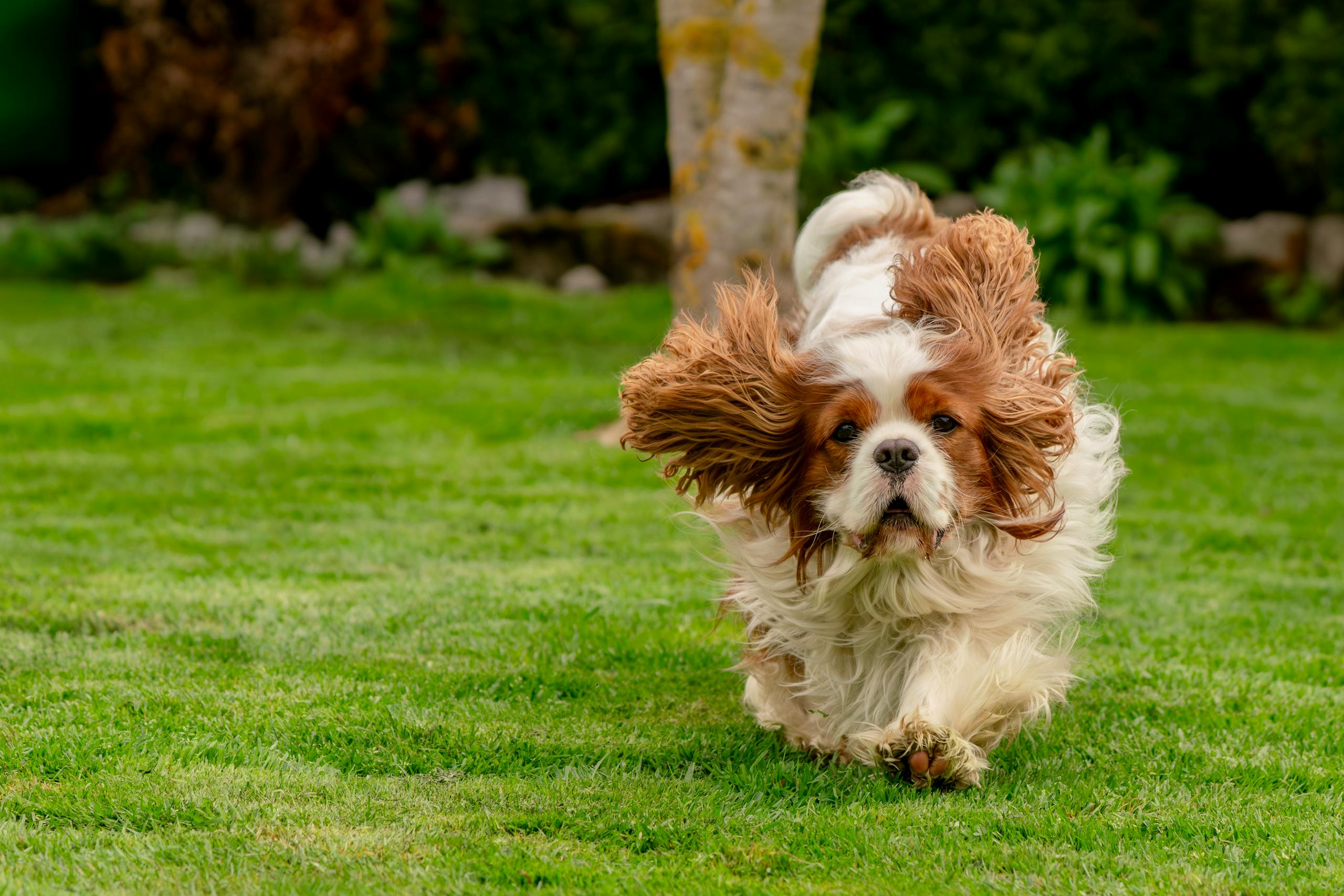
Cavalier King Charles Spaniels are small, affectionate, and ideal for close, comforting companionship. Their gentle temperament and intuitive nature allow them to sense and respond to emotional distress. Perfect for apartments or smaller homes, Cavaliers provide warmth and stability without overwhelming owners, making them a favorite choice for those seeking a constant emotional anchor.
Poodle
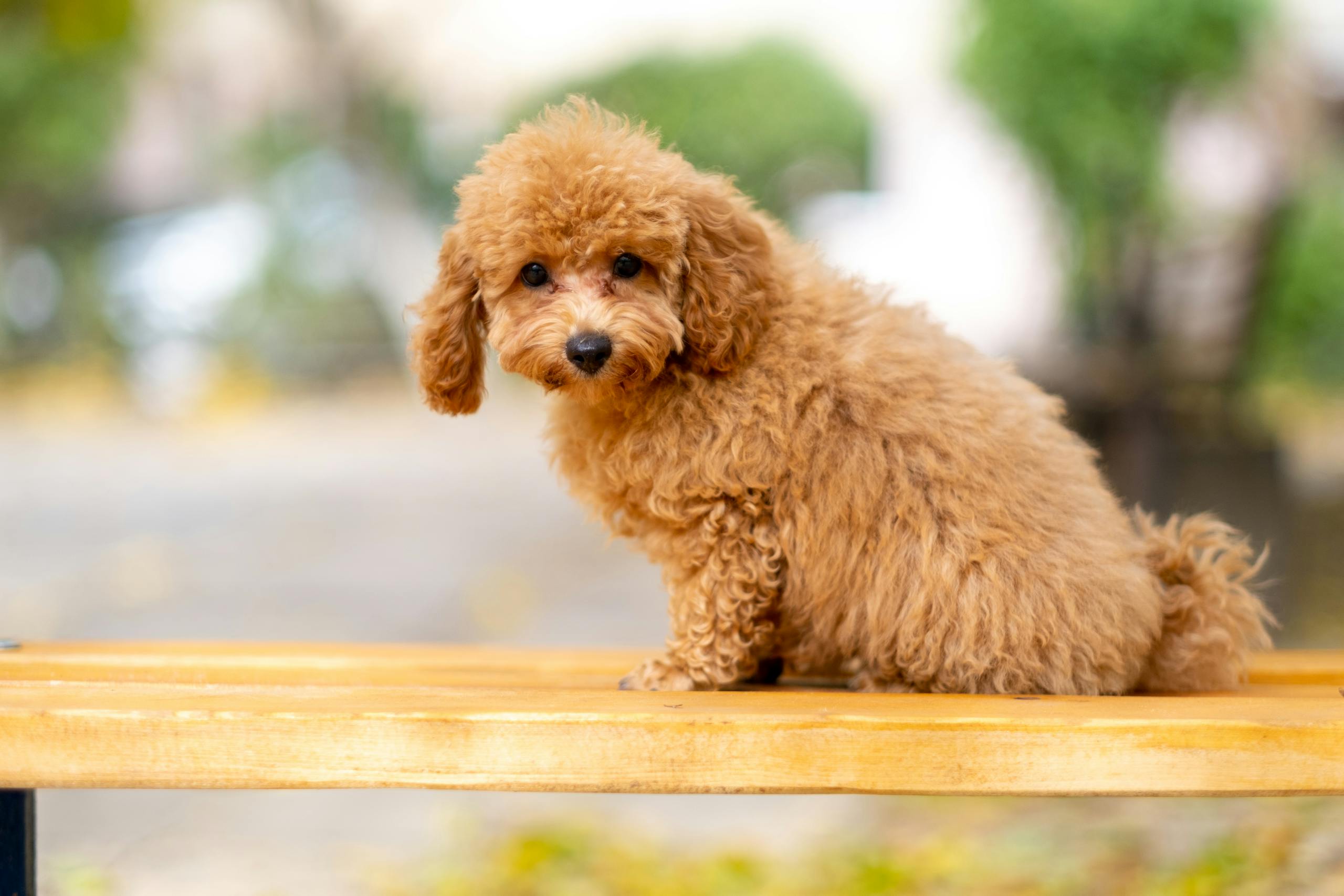
Poodles combine intelligence, adaptability, and emotional awareness. Standard Poodles offer a steady presence, while Miniature and Toy Poodles fit smaller spaces. Their trainability makes them responsive to calming routines, and their playful, affectionate nature provides both mental stimulation and comfort. Poodles can adjust to various lifestyles, making them versatile companions for reducing anxiety.
Bichon Frise
Bichon Frises are cheerful, affectionate, and compact, offering emotional comfort in small packages. Their playful disposition can lift moods during anxious moments, while their loving personality strengthens the human-dog bond. Comfortable in apartments or houses, Bichons thrive on attention and affection, providing constant reassurance without overwhelming their owners.

Greyhound
Greyhounds might be known for speed, but many are calm, gentle, and relaxed indoors. Their serene presence offers a soothing, almost meditative effect, ideal for anxious individuals who benefit from quiet companionship. Retired racing Greyhounds adapt well to domestic life, providing steady emotional support without the high-energy demands of other large breeds.

Yorkshire Terrier
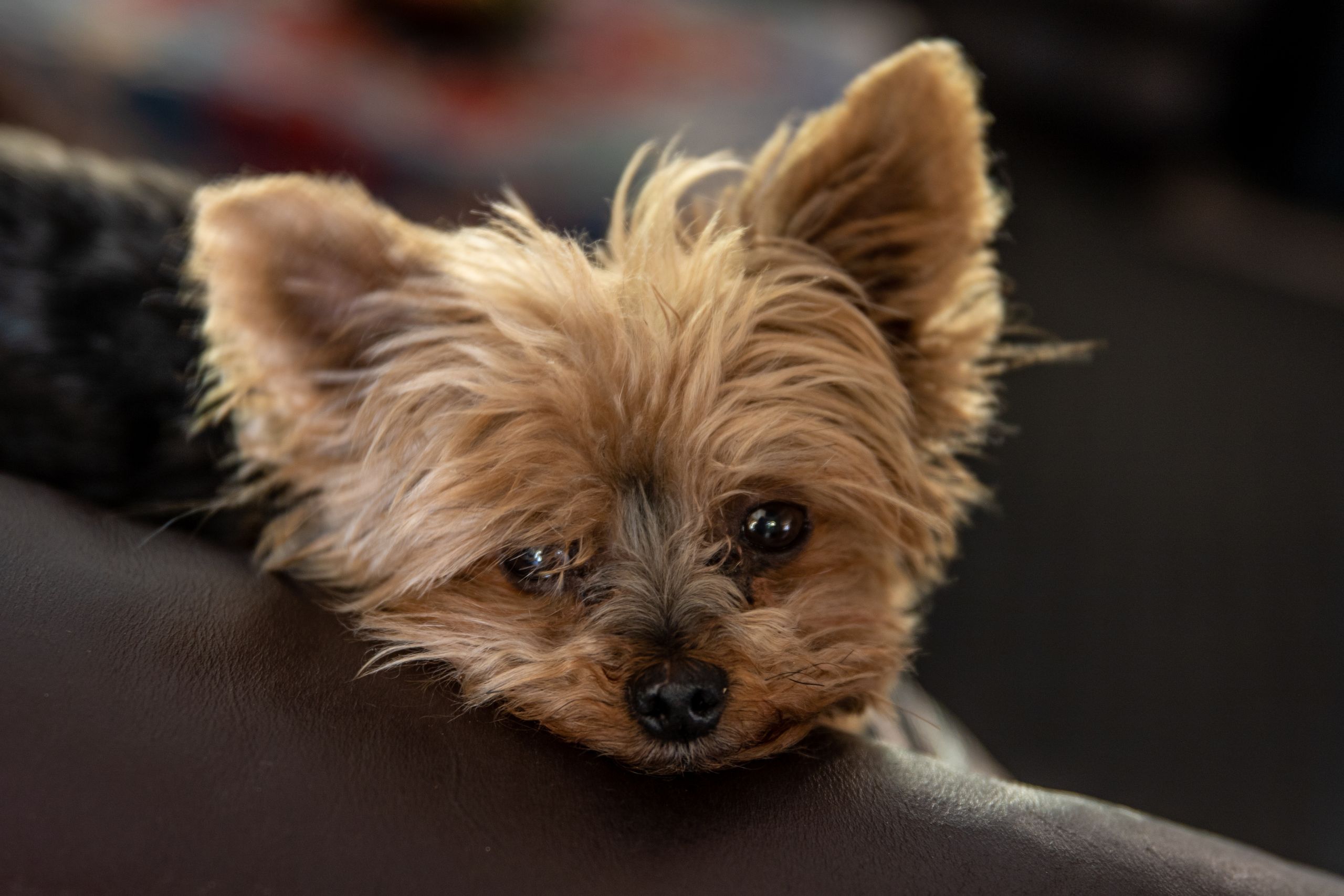
Yorkshire Terriers, or Yorkies, are tiny dogs with bold personalities that can bring focus and purpose to anxious owners. Their small size makes them portable companions, offering comfort on laps or during quiet evenings. Loyal and attentive, Yorkies often mirror their owner’s moods, providing constant companionship and reassurance in a compact, spirited package.
Pembroke Welsh Corgi
Corgis are intelligent, lively, and affectionate, combining playfulness with emotional sensitivity. Their energy encourages daily activity, which can be especially helpful for owners whose anxiety benefits from movement and routine. Corgis bond closely with their families, offering both amusement and stability, making them a practical and joyful choice for those seeking an anxiety support dog.

Choosing the Right Anxiety Support Dog
Selecting a dog for anxiety requires an honest assessment of lifestyle, energy levels, space, and commitment to care. Breed tendencies can guide choices, but individual temperament ultimately determines success. Age matters; calm adult dogs may offer more immediate support than energetic puppies, who require intensive training and supervision. Meeting the dog in person, observing behavior, and understanding care needs ensures a harmonious match.
Training and Routines for Support
Training transforms natural affection into reliable support. Teaching basic commands like sit, stay, settle, and place provides structure and reassurance. Grounding behaviors, such as leaning against the owner, nuzzling during stress, or retrieving comfort items, can be incorporated gradually. These routines strengthen the human-dog bond while ensuring the dog provides comfort without undue pressure.
Final Thoughts
The right dog can profoundly change the emotional landscape of daily life. A Golden Retriever, Labrador, Cavalier, Poodle, Bichon, Greyhound, Yorkie, or Corgi can provide warmth, routine, and companionship that help reduce anxiety. The key is careful selection, thoughtful training, and realistic expectations. With the right dog by your side, anxious days can become more manageable, filled with moments of calm, connection, and reassurance.