A musty smell in the house rarely appears for no reason. It usually means moisture, poor airflow, hidden dirt, old organic material, or mold-friendly conditions have settled quietly. The frustrating part is that the source can hide in plain sight, behind furniture, inside appliances, under carpets, in laundry baskets, or deep inside vents.
We often blame the basement first, but the real problem may be a damp towel in a closet, a washing machine gasket, a clogged HVAC filter, or condensation forming behind a wall. A musty odor is not just a comfort issue. It signals moisture problems that, if ignored for too long, may damage fabrics, flooring, drywall, wood, insulation, and indoor air quality.
The good news is that most musty smells follow a pattern. Once we understand where moisture collects, where air stops moving, and where organic material sits too long, we can track the smell with more confidence. This guide breaks down the unexpected reasons a house smells musty, the warning signs to look for, and practical steps to fix the problem before the odor spreads from one room to the entire home.
Dirty Laundry Can Make the Whole House Smell Musty
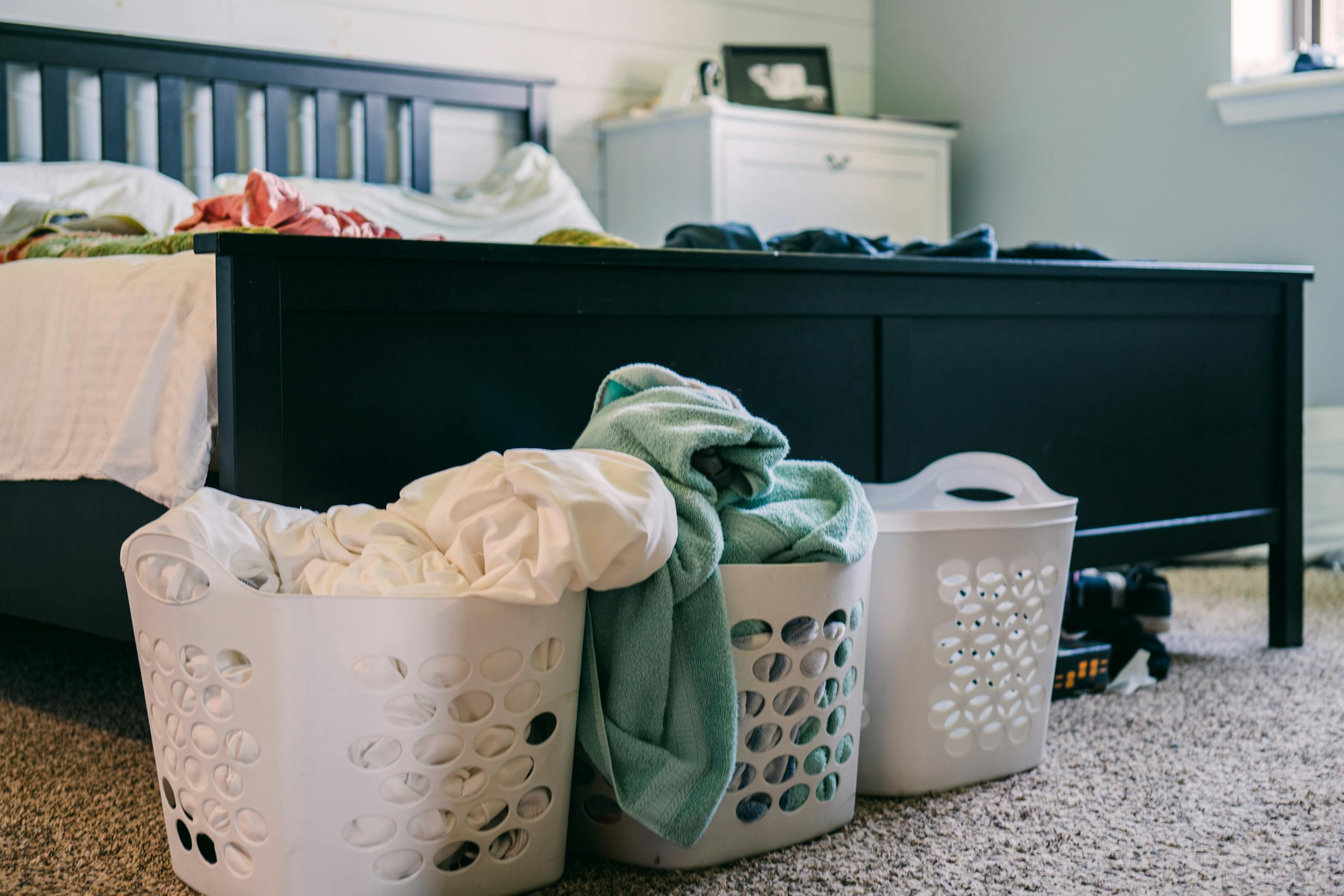
Dirty laundry is one of the easiest causes to overlook because it feels too ordinary to blame. Sweaty gym clothes, damp towels, wet socks, kitchen rags, and bedding can hold moisture long after they look dry. When those items sit in a hamper, laundry basket, bathroom corner, or closet, bacteria and mildew begin to produce a sour, musty smell that drifts into nearby rooms.
The problem worsens when laundry is stored in plastic hampers with poor airflow. Fabric needs space to dry, and tightly packed clothing traps humidity between layers. If the basket sits in a bathroom, bedroom closet, laundry room, or basement, the surrounding air may already be damp enough to keep the smell alive.
We can prevent this by separating wet items from dry laundry immediately. Towels, workout clothes, swimwear, and cleaning rags should dry before they go into a hamper, or they should go straight into the wash. A ventilated hamper, regular laundry schedule, and occasional hamper cleaning can remove a surprisingly powerful odor source.
Damp Clothes Stored Too Soon Can Create Closet Odors
Clothes that feel almost dry can still carry enough moisture to create a musty smell once folded and stored. This often happens with thick jeans, hoodies, towels, blankets, uniforms, and layered fabrics that dry slowly in the seams. Once placed in drawers or closets, trapped moisture has nowhere to go.
Closets are especially vulnerable because many have limited airflow. A full closet, packed wall to wall with clothes, can create a stale microclimate where fabric, dust, and humidity mingle. The smell may first appear when we open a drawer, pull out a sweater, or step into the bedroom after the closet door has been closed all day.
To fix it, we should rewash affected items, dry them fully, and leave closet doors open for airflow when possible. Moisture absorbers can help in small closets, but they should not replace proper drying. If the musty smell keeps returning, the closet wall, carpet, or ceiling may need to be inspected for hidden moisture.
Poor Air Circulation Traps Stale Odors Indoors
A house can smell musty even without a major leak if air does not move properly. Closed windows, blocked vents, heavy curtains, crowded furniture, sealed rooms, and unused spaces can all reduce airflow. When indoor air sits too long, humidity and odors build up rather than escape.
This issue is common in guest rooms, storage rooms, basements, attics, laundry rooms, and bathrooms. It can also happen in newer homes that are tightly sealed for energy efficiency but lack enough ventilation. Without steady air exchange, moisture from cooking, bathing, breathing, drying clothes, and houseplants can linger.
We can improve circulation by opening interior doors, using exhaust fans, keeping supply and return vents clear, and moving furniture away from walls. Bathroom and kitchen fans should run long enough to remove humid air after showers and cooking. A stale room often improves quickly once air has a clear path in and out.

Hidden Mold Behind Furniture Can Produce a Musty Wall Smell
Large furniture can block airflow against exterior walls and hide musty odors. Sofas, bookshelves, wardrobes, beds, cabinets, and storage units placed tightly against a wall can trap cool air and condensation. If the wall surface remains damp, mold or mildew may grow behind the furniture before any visible signs appear.
This often happens in bedrooms, living rooms, basements, and poorly insulated rooms. Exterior walls can become cooler than indoor air, especially during cold or humid weather. When warm indoor air touches that cooler surface, condensation may form quietly behind heavy furniture.
We should pull furniture away from walls and inspect for dark spotting, peeling paint, swelling baseboards, damp drywall, or a strong earthy smell. Leaving a small gap between furniture and walls allows air to move. If mold covers a large area or keeps returning after cleaning, the deeper moisture source needs professional attention.
Pet Accidents Can Leave Musty Odors Under Flooring
Pet stains are not always obvious after the surface looks clean. Urine can seep into carpet padding, grout lines, wood flooring, laminate seams, baseboards, and subfloor materials. Over time, the odor can shift from sharp ammonia to a damp, stale, musty smell, especially in humid weather.
The challenge is that pet accidents often spread wider beneath the surface than they appear above it. A small stain on the carpet can soak into a much larger area of padding. If the accident happened repeatedly in the same spot, the smell may return even after standard mopping or vacuuming.
We can treat minor stains with enzyme cleaners that break down organic residues. Carpets may need deep cleaning, padding replacement, or targeted removal if the odor has settled below the surface. In severe cases, sealing or replacing affected subfloor sections may be the only lasting fix.

The Washing Machine Can Be the Source of the Musty Smell
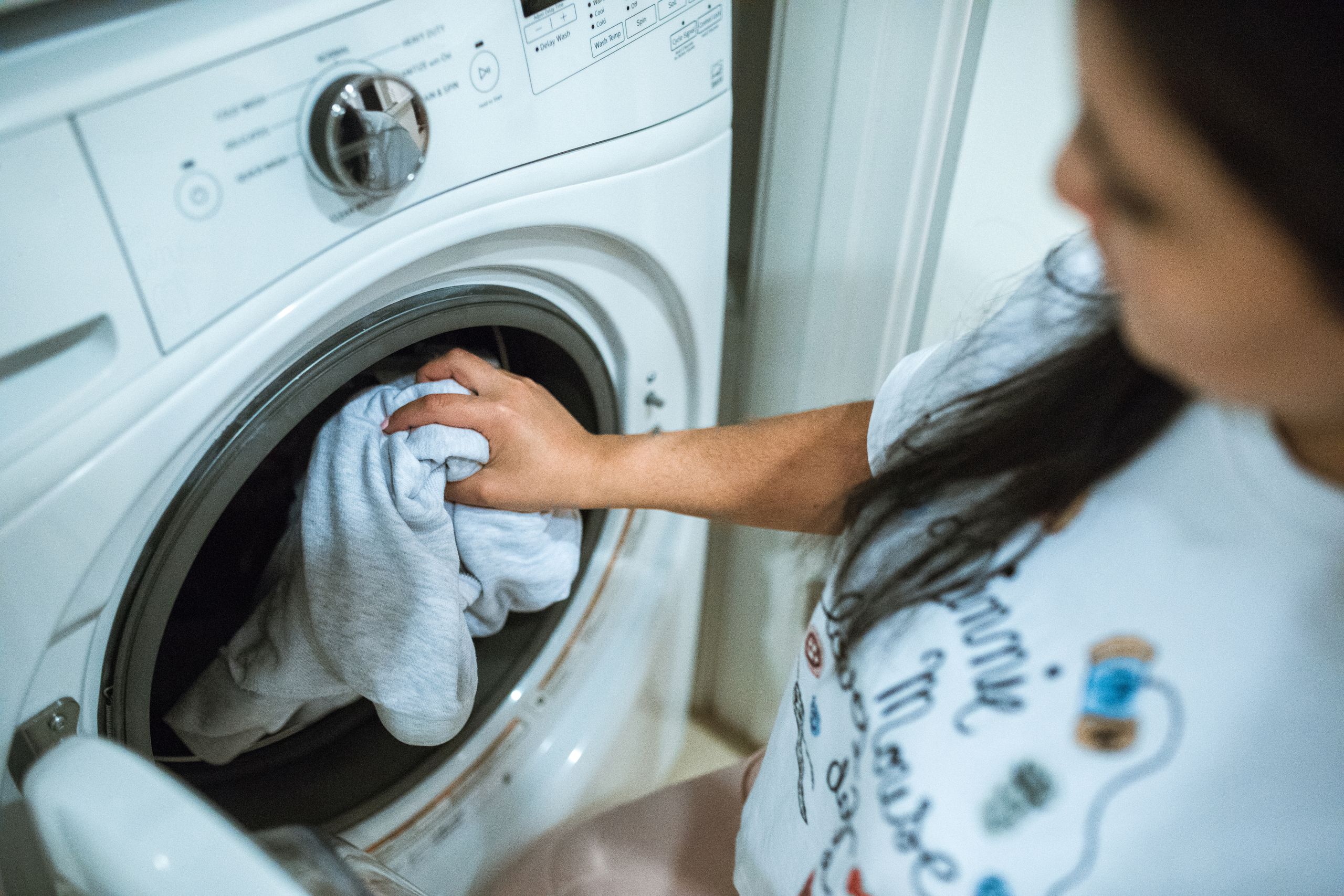
A washing machine can become a major source of musty odor. Front-loading washers are especially prone to moisture collecting around rubber door gaskets, detergent drawers, drain filters, and drum surfaces. Soap residue, lint, body oils, and trapped water create a persistent odor pocket.
The smell may transfer to clean laundry, making clothes smell stale soon after washing. It may also spread through the laundry room, hallway, or nearby bathroom. If the machine door stays closed between cycles, the trapped dampness has more time to feed mildew growth.
We can reduce the smell by wiping the gasket, cleaning the detergent drawer, running a washer cleaning cycle, checking the drain filter, and leaving the door open after use. Using too much detergent can worsen buildup, so measuring correctly is important. If water remains in the drum or drains slowly, the drain hose or pump may need inspection.
A Dirty HVAC System Can Spread Musty Odors Room to Room
When a musty smell appears in several rooms simultaneously, the HVAC system warrants attention. Dust, condensation, clogged filters, dirty evaporator coils, damp ducts, and blocked drain pans all contribute to stale air. Once the system turns on, it can carry that odor through vents, making the whole house smell damp.
Air conditioning systems naturally remove moisture from indoor air, but drainage problems can reverse the benefit. Dust and organic debris inside the system can then create musty smells that move through the supply ducts.
We should replace filters on schedule, keep vents unobstructed, inspect the drain pan, and watch for water around the indoor unit. Professional HVAC maintenance can clean coils, inspect ducts, and address drainage issues. If the smell only appears when heating or cooling starts, the HVAC system is one of the first places to investigate.
Leaky Pipes Can Create a Musty Smell Before We See Water Damage
A small pipe leak can create a big odor problem long before water stains appear. Slow leaks under sinks, behind walls, below tubs, near toilets, around water heaters, and inside ceilings keep building materials damp. Drywall, wood, insulation, and cabinetry absorb moisture and begin to smell musty as microbial growth develops.
Warning signs can be subtle. We may notice bubbling paint, swollen cabinet bottoms, soft flooring, loose tiles, rusty fittings, or a smell that grows stronger after using a sink, shower, or washing machine. Sometimes the odor appears only in one corner or cabinet.
We should inspect plumbing areas with a flashlight, touch surfaces for dampness, and check for slow drips after fixtures run. A moisture meter can help locate damp materials behind surfaces. Repairing the leak is the first priority, but damaged materials may also need drying, cleaning, or replacement to fully remove the odor.
Basement Moisture Often Sends Musty Air Upstairs
Basements are famous for musty smells because they sit close to soil, groundwater, concrete, and cooler air. Moisture can enter through foundation cracks, floor joints, poor drainage, sump pump issues, window wells, or condensation on cold surfaces. Even a basement that looks clean can smell musty when humidity stays high.
The odor often moves upward through stairwells, ducts, floor gaps, and utility openings. That means the living room or bedroom may smell musty even though the real source is downstairs. Boxes, rugs, old furniture, stored clothing, cardboard, and paper make the problem worse because they absorb moisture and hold odor.
We can control basement smells by reducing humidity, improving drainage, sealing cracks, elevating stored items, and removing damp porous materials. A dehumidifier can help when the basement air stays humid, but water entry must still be addressed. If the smell returns after heavy rain, exterior grading, gutters, or foundation drainage may need attention.
Conclusion
A musty smell is the house’s quiet warning that something is damp, dirty, trapped, or poorly ventilated. Sometimes the fix is simple, like washing towels, cleaning the washer, opening airflow, or removing old cardboard. Other times, the odor points to hidden water behind walls, under floors, in the attic, or inside the HVAC system.
We get the best results when we stop chasing the smell with candles and start tracing the moisture. Every room has its own odor traps, from closets and carpets to drains and ducts. Once we dry the space, clean the residue, repair leaks, and improve ventilation, the house can smell fresh again without heavy perfumes or temporary cover-ups.
A fresh-smelling home is not just about comfort. It is a sign that air is moving, moisture is controlled, and hidden damage is less likely to grow quietly behind the scenes. When musty odors are treated early, we protect both the house and the people living inside it.