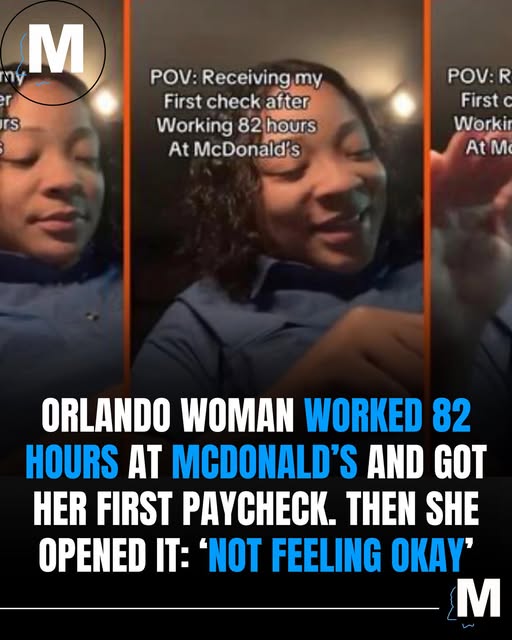
Every generation believes it sees the world more clearly than the one before it. Millennials once looked at Gen X and Baby Boomers and saw outdated work habits, rigid life plans, and a slow response to digital culture.
Now Gen Z has stepped into adulthood with the same sharp confidence, looking at Millennials as the generation that made the internet mainstream but still carried too much old-world baggage.
The tension between Gen Z and Millennials is not just about age. It is about money, work, technology, identity, humor, climate anxiety, politics, and the meaning of success. Millennials grew up during the rise of social media, student debt panic, the Great Recession, and the pressure to hustle.
Gen Z grew up after smartphones became normal, after online identity became public identity, and after many traditional promises already looked broken.
That difference creates a powerful generational clash. Gen Z often sees itself as faster, more honest, more adaptable, and less willing to tolerate outdated systems. Millennials, on the other hand, often see Gen Z as impatient, overconfident, and too quick to turn every discomfort into a public statement.
Somewhere between those two views sits the real story: Gen Z does not simply think it is better than Millennials for silly reasons. It believes it has learned from Millennial mistakes and decided to move differently.
Gen Z Thinks It Understands the Internet Better
Millennials helped build the social internet, but Gen Z was born into it. That single difference shapes almost everything. Millennials remember a time when Facebook felt new, YouTube was a novelty, and Instagram was mostly filtered lunch photos.
Gen Z came of age in a world where TikTok, YouTube Shorts, Discord, Twitch, Snapchat, Reddit, and algorithm-driven feeds simultaneously shaped language, humor, taste, activism, shopping, dating, and career goals.
That gives Gen Z a sense of digital fluency that feels almost instinctive. They do not just use platforms; they decode them. They understand how trends rise, how algorithms reward attention, how online communities form, and how personal branding can turn into income.
Millennials may know the internet well, but Gen Z often believes Millennials still treat it like a tool. Gen Z treats it like weather, culture, the workplace, the classroom, the marketplace, and the stage, all rolled into one.

Gen Z Thinks Its Humor Is Sharper and Faster
Millennial humor was shaped by sarcasm, reaction GIFs, sitcom references, Tumblr posts, BuzzFeed quizzes, and early meme culture. Gen Z humor moves faster, weirder, and more absurd. A joke can be a distorted image, a three-second sound, a deliberately awkward caption, a chaotic edit, or a phrase that makes almost no sense outside a specific online moment. To outsiders, it can look random. To Gen Z, that randomness is the point.
This is one reason Gen Z often believes it has a cultural advantage. Humor is social currency, and Gen Z has learned to spend it quickly. A trend can rise, mutate, and disappear before many Millennials even understand the reference.
That creates a feeling of superiority because Gen Z sees itself as fluent in a comedy language that older users keep trying to translate too late. Millennials may have popularized memes, but Gen Z believes it turned meme culture into a full-speed creative sport.
Gen Z Thinks It Is More Honest About Mental Health
Millennials did help normalize therapy talk, burnout conversations, and public discussions about anxiety and depression. Gen Z took that openness further, making mental health part of everyday language. They are more likely to name emotional exhaustion, call out toxic work habits, discuss boundaries, and reject the idea that suffering silently proves maturity. For Gen Z, emotional honesty is not weakness. It is maintenance.
That attitude often makes Gen Z view Millennials as a generation that talked about burnout but still romanticized overworking. Millennials popularized the hustle, the side hustle, the dream job, the grind, and the idea of being constantly reachable.
Gen Z sees that model as a warning sign. They are more willing to question jobs, schools, relationships, and social expectations that damage their well-being. In their eyes, Millennials opened the door to mental health awareness, but Gen Z walked through it with less shame.
Gen Z Thinks It Has Better Boundaries at Work
Millennials entered adulthood during a brutal economic period, so many learned to accept unpaid internships, long hours, side gigs, and “just be grateful you have a job” culture. Gen Z watched that happen.
They saw the stress, the debt, the delayed homeownership, and the burnout that came with chasing stability in unstable systems. As a result, many Gen Z workers approach employment with more suspicion and sharper questions.
This is why Gen Z often believes it is superior in the workplace. They are less impressed by vague promises, office theater, and loyalty speeches from companies that can still cut jobs without warning. They want clarity, flexibility, fair pay, growth, and humane expectations. Millennials often tried to survive bad systems long enough to improve them. Gen Z is more likely to ask why the system deserves their loyalty in the first place.

Gen Z Thinks It Is More Financially Realistic
Millennials were told to go to college, work hard, buy a home, build a career, and follow the familiar path to adulthood. Many did exactly that and still ended up facing student debt, high rent, unstable job markets, and delayed milestones.
Gen Z absorbed that lesson early. They are not necessarily less ambitious, but their ambition often comes with sharper caution. They know that effort alone does not guarantee security.
That financial realism gives Gen Z a sense of practical superiority. They are more likely to question the value of expensive degrees, traditional career ladders, luxury purchases, and old status symbols. Many would rather build multiple income streams, learn digital skills, avoid unnecessary debt, or delay major life decisions until the numbers make sense. Millennials were sold a dream and then forced to negotiate with reality. Gen Z believes it started with reality first.
Gen Z Thinks It Is More Inclusive and Socially Aware
Gen Z grew up with broader public conversations about race, gender, sexuality, identity, representation, and inequality. They are more accustomed to seeing diversity discussed openly across classrooms, workplaces, entertainment, and online communities.
This does not mean every Gen Z person thinks the same way, but the generation has developed a strong reputation for expecting inclusive language and wider representation.
That expectation can make Millennials look cautious or outdated by comparison. Millennials often supported social progress, but Gen Z tends to move faster in challenging language, stereotypes, and institutions that feel exclusionary.
They are less patient with “that is how we have always said it” arguments. Gen Z sees identity as complex and public respect as basic social hygiene. That confidence can sound judgmental at times, but it also explains why they often see themselves as more culturally awake than Millennials.
Gen Z Thinks It Takes Climate and Sustainability More Seriously
Millennials helped bring climate awareness into mainstream lifestyle choices, but Gen Z grew up with climate anxiety as background noise. Wildfires, floods, extreme heat, plastic waste, criticism of fast fashion, and debates over corporate greenwashing have shaped how many young people think about the future.
For Gen Z, the environment is not a distant policy issue. It is part of housing, food, fashion, travel, jobs, and personal ethics.
This is why Gen Z often views itself as more serious about sustainability. They are more likely to question overconsumption, challenge brands online, thrift as a style choice, and connect personal habits to global consequences. They also tend to be skeptical of companies that use eco-friendly language without meaningful action.
Millennials made reusable bottles and plant-based products cool. Gen Z believes it is pushing the conversation beyond lifestyle branding and into accountability.
Gen Z Thinks It Is Better at Rejecting Fake Authority
Millennials grew up during the decline of trust in many institutions, but Gen Z grew up after that trust had already cracked. They learned to fact-check, search, compare, screenshot, expose, and question. Schools, media companies, corporations, political leaders, celebrities, and influencers all face a more skeptical Gen Z audience. This generation is not easily impressed by titles alone.
That skepticism feeds Gen Z’s belief that it is harder to manipulate. They are quick to ask who benefits, who is being excluded, who is lying, and what is being hidden. Of course, Gen Z is still vulnerable to misinformation like everyone else, especially inside fast-moving online spaces.
Still, the generation sees doubt as a survival skill. Millennials often tried to reform institutions from the inside. Gen Z is more willing to build alternatives, mock the old gatekeepers, or walk away completely.

Gen Z Thinks Its Fashion and Self-Expression Are More Fearless
Millennial style had its own strong eras: skinny jeans, side parts, statement necklaces, neutral apartments, curated Instagram outfits, and polished lifestyle branding. Gen Z pushed against that polish.
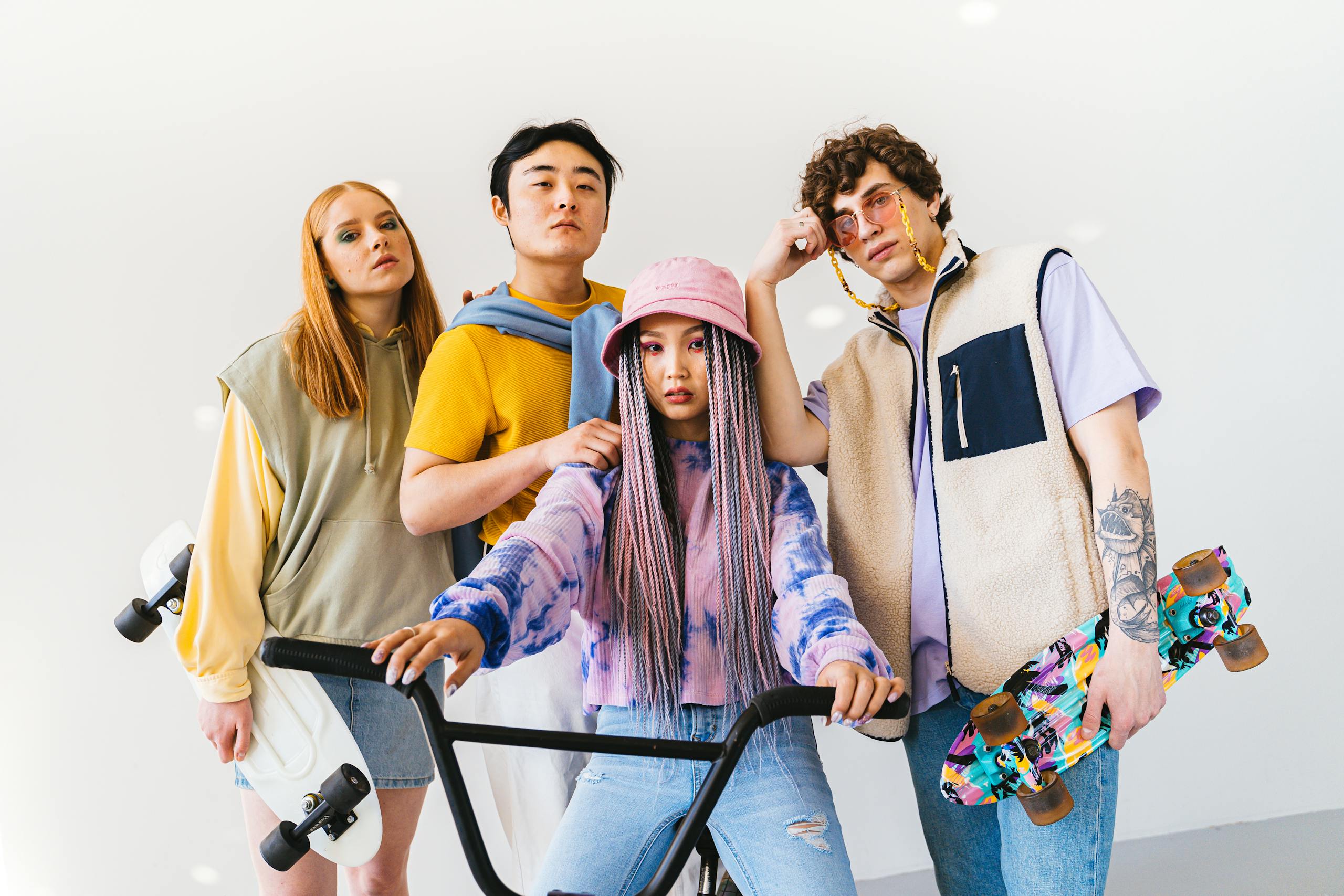
They revived baggy jeans, thrifted pieces, Y2K aesthetics, gender-fluid styling, chaotic layering, bold hair, handmade accessories, and deliberately imperfect looks. Their fashion often feels less concerned with looking expensive and more focused on looking specific.
That gives Gen Z another reason to feel superior. They see style as play, protest, identity, nostalgia, and internet performance all at once. A look does not need to be universally flattering or traditionally elegant to work. It needs personality.
Millennials often dress for aspiration, looking put-together, employable, polished, or Instagram-ready. Gen Z often dresses for self-definition, even when the result confuses everyone else in the room.
Conclusion
Gen Z thinks it is superior to Millennials because it sees itself as the generation that stopped pretending old rules still work. It believes it is quicker online, more honest emotionally, more realistic financially, more inclusive socially, and less willing to sacrifice health for approval. That confidence can be loud, but it did not appear from nowhere.
Millennials walked so Gen Z could screenshot the problem, turn it into a trend, challenge the policy, make a joke about it, and then refuse to attend the unpaid meeting. The rivalry is funny, messy, and sometimes unfair, but it also reveals something important about modern adulthood.
Every generation inherits the unfinished business of the one before it. Gen Z’s loudest message to Millennials is simple: we saw what happened to you, and we are trying not to repeat it.