A sandwich can have plenty of fillings and still be disappointing. Add another cheese, another sauce, a few extra vegetables, and suddenly what started as a simple lunch becomes a messy stack of ingredients fighting for attention.
A generous sandwich differs from an overloaded one. The best combinations let each ingredient contribute without taking over the entire bite. Here are seven signs your sandwich might benefit from a little restraint.
You Cannot Taste the Main Filling Anymore
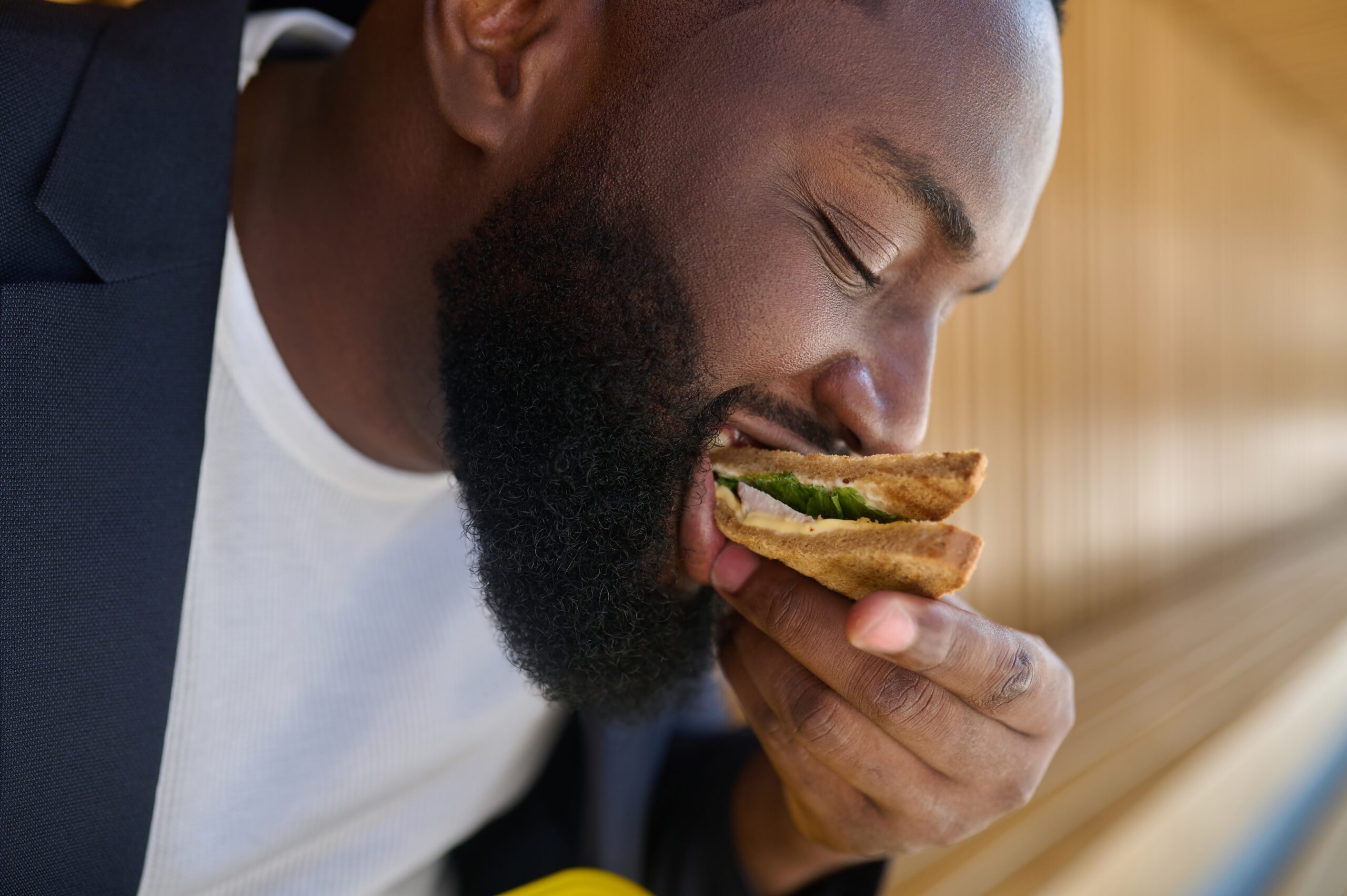
Imagine ordering a turkey sandwich only to discover that the turkey is barely noticeable.
Between the cheese, pickles, onions, sauces, and other additions, the ingredient that gives the sandwich its identity has become an afterthought. S
andwich professionals interviewed by Serious Eats emphasize that ingredients should complement one another without disappearing. If you’re making a simple vegetable sandwich, the same principle applies: every addition should have a reason to be there.
The Sauces Have Taken Over
A generous spread can make a sandwich enjoyable, but several heavy sauces competing for attention can overwhelm the filling.
Serious Eats’ sandwich experts recommend distributing mayonnaise thoughtfully across the bread and protein rather than concentrating it in one place. That doesn’t mean you must choose just one condiment, but each sauce should contribute something distinct.
Keeping everyday refrigerator condiments within reach makes experimentation easy, but using all of them in one sandwich isn’t necessarily a good idea.
The Bread Turns Wet Before You Finish Eating
Tomatoes and other moisture-bearing ingredients can affect the bread, particularly when they’re placed directly against it, or the sandwich sits assembled for a while.
The problem isn’t necessarily that you’ve used too many ingredients; it’s that their combined moisture may exceed what the bread can handle.
A carefully arranged tomato and cucumber sandwich shows how familiar ingredients can work together without every layer needing to be piled on top of the next.
The Filling Slides Out With Every Bite
This is a classic sign that the sandwich hasn’t been assembled thoughtfully.
Serious Eats’ sandwich professionals warn against stacking slippery ingredients directly against one another, citing overlapping tomato slices and mayonnaise against ham as examples.
Sometimes rearranging the layers is enough to improve the structure, but excessive filling can make the problem harder to manage.
The Sandwich Is Too Tall to Bite Comfortably
A towering sandwich might photograph beautifully, but that doesn’t automatically make it enjoyable to eat.
Sandwich professionals Rich Torrisi and Mario Carbone emphasize restraint, with Carbone questioning the practicality of sandwiches that are larger than the eater’s mouth.
Bread and fillings should work together in a manageable bite, not require you to dismantle your lunch before enjoying it.
Extra Ingredients Are Repeating the Same Job
Think about adding another cheese when the sandwich already has a rich cheese filling, or introducing another salty topping without changing the overall flavor. There’s nothing inherently wrong with using several cheeses, meats, or pickled ingredients, but each addition should bring something worthwhile. Jimmy John’s J.J. Gargantuan, for example, combines five meats with provolone, demonstrating that an elaborate ingredient list isn’t automatically a problem. The real question is whether the ingredients work together.
Every Bite Tastes Like a Different Sandwich
A sandwich should offer a reasonably consistent combination of its main ingredients rather than making every bite feel like a different meal.
Serious Eats’ bacon, egg, and cheese sandwich testing emphasizes matching ingredient sizes and shapes, while its muffuletta-style preparation uses multiple thin layers to distribute the fillings.
This is why careful layering matters just as much as ingredient selection. Even a classic assortment of unusual sandwiches shows that creative combinations work best when each component has a clear purpose.
A great sandwich doesn’t need the longest ingredient list. Sometimes removing one unnecessary topping is the difference between an impressive-looking lunch and one you actually enjoy eating.