Have you ever stood at the meat counter wondering why two steaks of the same cut look so different? One might have thin white streaks running through the meat, while another looks almost entirely red. Those little white lines are called marbling, and they can tell you quite a bit about what to expect when the steak reaches your plate.
Marbling refers to intramuscular fat, small deposits found within the muscle itself. Unlike the thick layer of fat along a steak’s outer edge, marbling is distributed throughout the meat. It plays an important role in how beef tastes, feels, and responds to cooking.
The USDA considers marbling when assigning beef quality grades, but it is not the only factor determining whether a steak will be enjoyable. The cut, its natural tenderness, and how you prepare it also matter.
Understanding these six characteristics can help you make more informed choices the next time you shop for steak.
Marbling Gives You Clues About How Flavorful the Steak Will Be
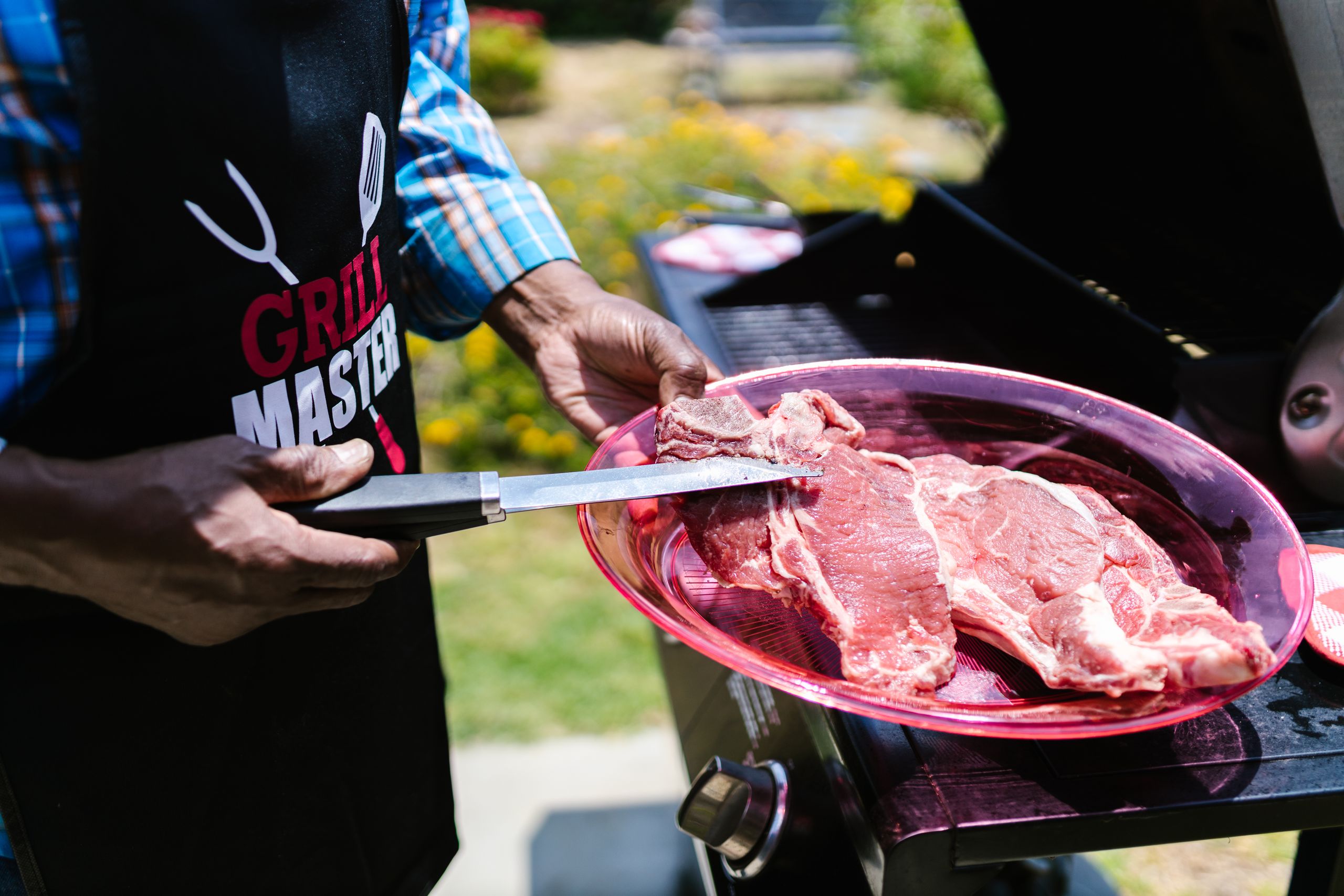
Those tiny streaks of fat contribute to the rich, distinctive taste people often associate with a well-prepared steak. As the meat cooks, the fat softens and contributes to the overall eating experience.
Meat scientist Janeal Yancey explains that marbling plays an important role in the flavor consumers associate with beef.
This helps explain why a well-marbled ribeye can taste noticeably richer than a comparatively lean steak.
However, more marbling doesn’t automatically mean everyone will prefer it. Some diners enjoy a pronounced, buttery richness, while others prefer a milder beef flavor.
Seasoning, cooking temperature, and the particular cut also influence the final taste. Marbling provides a useful starting point, not a guaranteed verdict on flavor.
More Marbling Often Means a Juicier Steak
Nobody wants to cut into an expensive steak only to find it disappointingly dry.
Although proper cooking matters enormously, marbling can affect how juicy beef feels when you eat it.
Fat distributed through the muscle adds richness and lubrication during chewing, creating the impression of a moist, satisfying bite.
The USDA’s explanation of beef quality grades identifies juiciness as one of the eating characteristics associated with marbling. Its guidance notes that Prime beef generally has more marbling than Choice or Select.
This does not mean a lean steak is destined to be dry. A carefully prepared Select steak can still provide an enjoyable meal.
Likewise, a heavily marbled steak can be disappointing if cooked poorly.
When comparing similar cuts, however, visible marbling offers a reasonable clue about their potential differences in juiciness.
That is especially useful when choosing beef for grilling or pan-searing, where the cooking process exposes meat to relatively high heat.3. Marbling Can Indicate How Tender a Steak Might Feel.
Tenderness is another reason experienced steak buyers pay attention to marbling.
When you cook steak, the fat within the muscle influences the texture you feel when chewing. A well-marbled piece of beef may feel softer and easier to eat than a leaner counterpart from the same cut.
However, an important distinction exists between tenderness associated with marbling and tenderness determined by the muscle itself.
Some muscles naturally contain more connective tissue or perform more work during the animal’s life. Those characteristics affect tenderness independently of the visible fat.
Beef quality evaluation considers marbling alongside factors like meat texture and maturity.
In practical terms, a highly marbled steak from a naturally tougher muscle is not necessarily more tender than a leaner cut from a naturally tender muscle.
This is why comparing marbling makes the most sense when you are looking at steaks of the same cut.
It provides one more clue about the expected eating experience without replacing the importance of cut selection.
The Amount of Marbling Helps Explain USDA Beef Grades
If you have noticed labels like USDA Prime, Choice, and Select at the grocery store, marbling is a major reason for those distinctions.
The USDA uses established standards to evaluate beef quality, with marbling and carcass maturity serving as central considerations.
Prime beef has a higher minimum marbling requirement than Choice, while Select generally contains less.
Prime steaks typically offer substantial intramuscular fat and are associated with rich flavor, tenderness, and juiciness.
Choice beef has less marbling but remains a high-quality option. Many Choice steaks offer an excellent eating experience, especially from naturally tender cuts.
Select is usually leaner and may be less rich and less juicy than higher grades.
One detail to remember: USDA grading is voluntary, and a grade applies to the carcass, not each steak.
As a result, two steaks with the same grade can still look different.
A clearly identified USDA grade offers useful information, but inspecting the individual steak can provide additional context.
The Distribution of Marbling Matters, Not Just the Amount
When examining a steak, it is tempting to concentrate entirely on how much white fat you can see.
However, the way that fat is distributed also deserves attention.
Fine streaks scattered throughout the muscle are different from a large piece of fat concentrated in one area.
A steak containing numerous small deposits of intramuscular fat has marbling distributed across more of its visible surface. A thick seam separating muscle sections doesn’t show the same visual pattern.
According to Texas A&M AgriLife Extension’s beef grading guidance, professional graders evaluate both the amount and distribution of marbling in the ribeye muscle.
The guidance identifies finely dispersed marbling as one desirable characteristic when evaluating beef.
For shoppers, this means looking beyond a single impressive white streak.
When comparing otherwise similar steaks, look for consistent, fine fat deposits throughout the meat.
Still, don’t assume an attractive pattern automatically signals superior quality. Marbling distribution is only one part of the overall evaluation.
A steak’s muscle structure, handling, and preparation continue to influence the final result.
Marbling Can Help You Decide Whether a Steak Is Worth the Price
One of the most practical things marbling reveals is why certain steaks command higher prices than others.
Higher-quality grades are commonly associated with more marbling, and Prime beef often costs more than comparable Choice or Select products.
But paying extra for marbling isn’t always necessary to enjoy a satisfying steak dinner.
A published study of consumer beef preferences found that marbling contributed to differences in eating-quality ratings, but it explained only part of the variation in tenderness, juiciness, and flavor.
That is an important reminder that steak quality cannot be reduced to the amount of visible fat alone.
If you enjoy rich, heavily marbled beef, paying extra for a Prime steak may make sense for a special occasion.
If you prefer a less fatty eating experience or want a dependable steak for an ordinary dinner, Choice or Select may suit your preferences and budget.
The smartest comparison is between steaks of the same cut, while considering their appearance, grade, and asking price.
Instead of automatically choosing the most expensive package, consider the cooking method and the characteristics you actually enjoy.
What Marbling Cannot Tell You
Even though marbling provides several valuable clues, it cannot reveal everything about a steak.
It doesn’t independently establish freshness, confirm how the meat was stored, or guarantee the steak will cook properly.
It also cannot tell you whether a particular cut is naturally tender or whether its price represents good value without considering other factors.
The USDA distinguishes beef quality grading from mandatory meat inspection, so you shouldn’t mistake a quality grade for a guarantee of every aspect of the product.
Understanding that distinction can make shopping decisions much easier.
Ultimately, marbling is one of the most useful visual characteristics to examine when buying beef, particularly when comparing similar steaks. But the best steak is not necessarily the one with the most white streaks. It is the one that offers the flavor, texture, cooking suitability, and value you are looking for.
Other Posts You Might Like:
7 Foods You Should Never Wash Before Cooking
12 Common Etiquette Blunders to Avoid at a Steakhouse: Are You Guilty?