We do not usually expect one of California’s most talked-about lobster rolls to sit on an industrial-looking road near San Francisco International Airport. Yet that is part of the charm of New England Lobster Market & Eatery in Burlingame. It does not need white tablecloths, waterfront theatrics, or a celebrity-chef spotlight to pull people in. The draw is simpler and stronger: cold-water lobster, toasted bread, house-made sides, and the kind of casual seafood energy that makes a meal feel like a small vacation.
For many California diners, the lobster roll is not a quick lunch. It is the reason for the trip. People come from the Peninsula, San Francisco, San Jose, the East Bay, and farther corners of the state because this restaurant offers something unusual in Northern California: a Maine-style seafood experience with a Bay Area address.
The restaurant sits at 824 Cowan Road in Burlingame, close enough to the airport that travelers can turn a layover into a lobster run. But locals know it is more than a convenient stop near SFO. It is a market, an eatery, a wholesale seafood operation, and a neighborhood gathering place wrapped into one casual, high-demand destination.
From Wholesale Lobster Business to California Food Destination
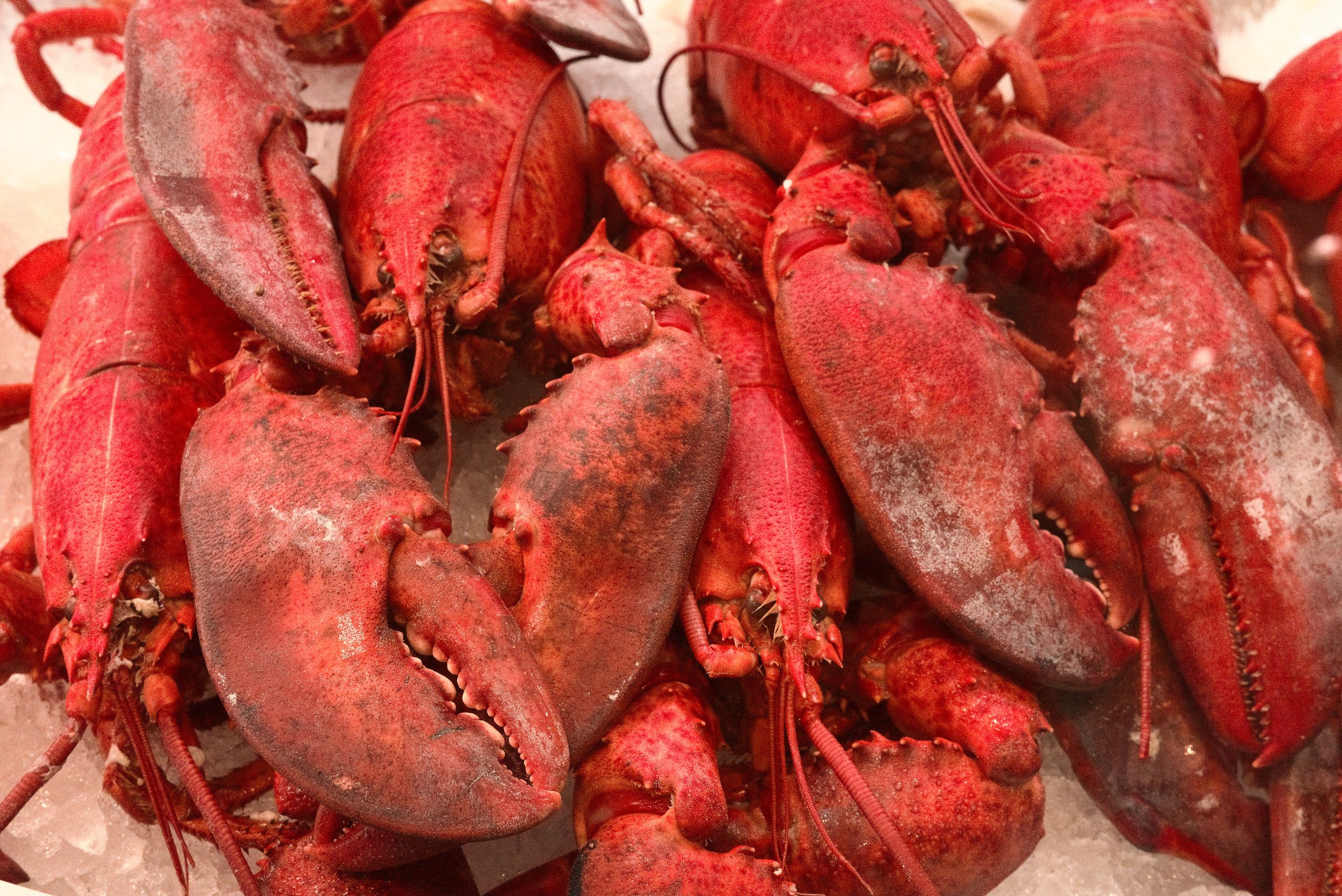
We can understand the restaurant’s popularity better by looking at its roots. New England Lobster Co. did not begin as a trendy seafood counter designed for social media. It started as a wholesale distributor of live Maine lobster, serving restaurants and food businesses across the Bay Area. That background matters because it gives the restaurant a built-in advantage: seafood is not an accessory here. Seafood is the business.
Long before diners lined up for lobster rolls, the company built its reputation on sourcing and moving live lobster, Dungeness crab, and other shellfish. That wholesale foundation helped shape the restaurant’s identity. The menu does not feel like a seafood concept invented in a boardroom. It feels like a public-facing version of a seafood company that already knew the product.
The turning point came when the business expanded into prepared food. Its “We’re On A Roll” food truck brought lobster corn chowder, lobster rolls, and crab rolls directly to customers. The response was strong enough to push the company into a larger, more public-facing restaurant-and-market model. That evolution is part of why the Burlingame location feels different from a standard seafood restaurant. It carries the muscle memory of wholesale seafood, the speed of a food truck, and the comfort of a casual East Coast shack.
Why the Lobster Roll Has Become the Main Attraction
The lobster roll is the star because it keeps the focus where it belongs: on the lobster. The dressed lobster roll uses fresh-picked lobster meat mixed with light mayo, salt, and pepper, served on a brioche-style bun with house-made chips, coleslaw, and lemon. That combination hits the classic notes people expect from a New England-style roll: sweet meat, soft bread, crunch on the side, and just enough richness to feel indulgent without burying the seafood.
The naked lobster roll offers a more direct version of the experience. Instead of dressing the lobster with mayo, it presents pure lobster meat with drawn butter on the side. For diners who want to taste the lobster with fewer distractions, this is the sharper choice. It lets the meat carry the meal.
Then there is the “Crobster” roll, a half-crab, half-lobster creation that gives California diners a reason to pause. It bridges New England lobster-roll culture with West Coast Dungeness crab pride. That item is one of the smartest menu moves because it does not simply copy Maine. It lets Burlingame put its own accent on the tradition.
The Menu Goes Far Beyond One Famous Sandwich
A restaurant cannot survive for decades on one sandwich alone, even when that sandwich has a devoted following. New England Lobster Market & Eatery has expanded its menu, giving repeat visitors several reasons to come back.
The lobster corn chowder is one of the key supporting players. It brings warmth, sweetness, and creaminess to the meal, making it a natural partner for a lobster roll on a cool Bay Area afternoon. The soup also gives first-time diners an easy way to taste the house style before committing to a larger plate.
The small plates are built for groups. Lobster nachos and crab nachos turn house-made potato chips into seafood-loaded comfort food, layering them with cheese, salsa, and jalapeño sauce. These are not delicate appetizers. They are big, messy, salty, shareable plates that fit the restaurant’s casual personality.
The lobster mac n cheese brings another kind of richness, combining pasta, fresh lobster meat, bacon, and a hint of lobster corn chowder. It is the kind of dish that makes sense at a place where nobody is pretending seafood has to be quiet or restrained. This is full-flavored food meant to be eaten with appetite.
Diners who want the whole shellfish experience can order lobster plates, Dungeness crab plates, peel-and-eat shrimp, lobster claws, or boil buckets from the market side. That range gives the place an unusual advantage: visitors can eat lunch, buy seafood for home, and plan a backyard seafood boil without making another stop.
What to Order on a First Visit
For a first visit, we would build the meal around the lobster roll and treat everything else as part of the supporting cast. The dressed lobster roll is the safest first choice for diners who want the famous version. It has the classic structure, the soft bun, the chilled lobster salad style, and the familiar balance of creaminess and brightness.
The naked lobster roll is better for purists. It puts the butter on the side and lets the lobster speak more clearly. People who usually complain that lobster rolls have too much mayo should start here.
The “Crobster” roll is the best pick for anyone who wants something more specific to the California setting. The crab-lobster mix gives the roll a broader seafood flavor and makes it feel less like a borrowed New England idea and more like a Bay Area interpretation.
Add a cup of lobster corn chowder if the weather is cool, or go with lobster nachos if the table is sharing. For dessert, Sue’s Famous Whoopie Pie keeps the New England theme going in a playful way. Blueberry cheesecake and house-made bread pudding round out the sweet side of the menu for diners who want a slower finish.
The Burlingame Location Adds to the Appeal
Part of the restaurant’s appeal is its location. Burlingame is already a strong food city on the Peninsula, but New England Lobster Market & Eatery benefits from being slightly removed from the polished downtown dining rhythm. Cowan Road gives it a destination feel. You go there on purpose.
That matters for the story. The restaurant is not merely catching passersby. It has become a place people seek out. Airport workers, travelers, local families, seafood fans, and weekend drivers all fold into the same scene. Some come dressed for a casual lunch. Others come straight from a flight. Some are picking up seafood from the market. Others are standing in line because they saw a photo of a lobster roll and decided it was worth the drive.
The result is a restaurant that feels regional rather than purely local. It belongs to Burlingame, but its audience stretches across the Bay Area and beyond.
Why Californians Drive for a New England-Style Roll
California has no shortage of seafood. We have fish tacos, cioppino, Dungeness crab, oysters, sushi counters, coastal grills, and farmers’ market seafood stands. But the lobster roll occupies a different emotional space. It feels like vacation food. It brings to mind harbor towns, picnic tables, paper trays, and salty air.
New England Lobster Market & Eatery succeeds by giving California diners that feeling without requiring them to fly across the country. The experience is casual, direct, and generous. The lobster roll arrives looking like the main event, not a garnish tucked into bread.
That is what makes the drive easier to justify. People are not only buying lunch. They are buying a small escape from their normal routine. A lobster roll on a brioche-style bun, a side of chips, a cup of chowder, and a sunny table can make Burlingame feel briefly like a coastal stop in Maine.
A Seafood Market Hidden Inside the Restaurant Story
One of the most interesting parts of this business is that the market side is not a side note. It is central to the identity. The market offers live lobster, lobster meat, crab, frozen lobster tails, and other seafood options for customers who want to cook at home.
This gives the restaurant a stronger sense of credibility. Diners can see that the operation is connected to seafood beyond the lunch counter. The market also expands the customer base. Some people come for a roll. Some come for live lobster. Some come for frozen chowder, lobster ravioli, or boil buckets. That combination helps explain why the business has endured while many trend-driven restaurants have faded.
The market also turns the restaurant into a resource for holidays, parties, and weekend meals. A customer might come in for lunch and leave planning a lobster boil for four. That is a powerful local business design.