The house looks the same from the curb. The porch light still works. The mailbox still carries their last name. A neighbor may even wave like nothing has changed, as though your whole world has not quietly split into before and after.
Then you unlock the door.
That is when the real work begins. Not the neat kind with trash bags, donation boxes, and estate-sale stickers. The real work is walking into a home where time has stopped. Their slippers may still sit beside the bed. Their favorite mug may still wait in the cabinet. Their handwriting may still be on a grocery list clipped to the refrigerator.
Cleaning out a dead parent’s home is one of those painful American rites of passage nobody explains clearly.
Families talk about funerals, wills, and memorial services. Still, almost nobody tells you what it feels like to decide what happens to every sweater, receipt, photo frame, tool, pan, prayer card, and forgotten birthday candle. It is part grief, part detective work, part family negotiation, and part emotional demolition.
The House Will Feel Too Alive at First

The strangest part is how normal everything looks. The couch is still there. The television remote is still in its usual spot. The bathroom counter may still hold toothpaste, lotion, medicine, and all the tiny signs of a person who expected to keep living.
That normalness can shake you. You may walk in with a plan to start in the kitchen, then suddenly feel unable to move. The home feels paused, not empty. Grief guidance often recommends pacing yourself because sorting a loved one’s belongings can become overwhelming. Hence, it helps to sort through belongings slowly instead of forcing the whole house into one brutal weekend.
The Smallest Things May Break You
You may expect the big emotional items to hurt most. The wedding ring. The family Bible. The old photographs. The military medals. Sometimes they do, but grief has a sneaky way of hiding inside ordinary objects.
A faded bathrobe can undo you. So can a cracked coffee cup, a pair of reading glasses, a handwritten recipe, or a half-used bottle of shampoo. These small things carry daily life. They remind you of your parents as a real person, not polished memories. They show the routines, habits, and quiet comfort of someone who once filled the house with movement.
You Will Discover a Parent You Never Fully Knew
Every drawer becomes a small biography. You may find old love letters, unpaid bills, medical notes, greeting cards, journals, church programs, travel souvenirs, or photos from years before you were born. Some discoveries may warm you. Others may confuse you.
This is where your parent becomes more than just Mom or Dad. You may see their fears, dreams, regrets, and private joys. You may discover how much they sacrificed, how much they saved, or how much they never said out loud. It can feel like meeting them again after they are gone, which is both beautiful and painful.
Every Closet Has a Surprise Waiting

American homes can hide entire decades in closets, basements, garages, and spare rooms. You may open a cabinet expecting towels and find tax records from 1998. You may find Christmas decorations in three places. You may discover thirty extension cords, five flashlights, old luggage, mystery keys, and enough plastic grocery bags to survive a national emergency.
Some of it will make you laugh. Some of it will make you sigh. Some of it will make you wonder why your parent kept so much. But hidden inside all that clutter is a story about security, habit, memory, and sometimes fear. People keep things for reasons that made sense to them at the time. Cleaning out a dead parent’s home forces you to separate meaning from mess.
The Guilt Can Sneak Up on You
Throwing things away may feel cruel, even when the items are broken, expired, stained, or useless. A stack of old magazines suddenly feels sacred. A drawer full of tangled cords feels like evidence. A box of chipped dishes can make you hesitate because once you toss it, one more piece of their life is gone.
That guilt is normal, but it can become a trap. You are not betraying your parents by clearing their home. You are not erasing them by donating clothes or throwing away old paperwork. Some grief advice reminds families to choose items with positive meaning and to avoid guilt in deciding what deserves space in their own lives.
Family Members May Act Differently Than You Expected
A house full of belongings can bring out surprising emotions in siblings, relatives, and old friends. Someone may become possessive over furniture. Someone may avoid helping altogether. Someone may suddenly want items they never mentioned before. A small object can turn into a big argument because grief rarely comes out neatly.
The fight is usually not only about the lamp, ring, photo album, or dining table. It may be about old wounds, guilt, favoritism, childhood memories, or the fear of losing the last physical connection to a parent. A fair process matters. So does patience. So do boundaries. When emotions run high, the goal is not to win the room. The goal is to leave the house without losing each other.
Paperwork Will Become Its Own Monster

Nobody puts this part in the sentimental version of loss, but paperwork can be exhausting. You may need to sort bank statements, insurance policies, deeds, tax documents, medical bills, utility accounts, passwords, subscriptions, vehicle titles, and old legal records. One desk drawer can turn into a full administrative project.
This part feels colder than sorting photos or clothes, but it matters. Important papers can affect the estate, property, taxes, benefits, and final bills. The FTC explains that a deceased person’s debts are generally owed by the estate, so financial records may matter when bills need to be paid from estate assets, to avoid confusion later.
You May Realize They Saved Pieces of You
One of the most tender shocks comes when you find your own life tucked away in their home. Childhood drawings. School certificates. Old report cards. Birthday cards. Team photos. Baby clothes. Notes you barely remember writing. A handmade gift you thought they had forgotten.
These discoveries can undo you most softly. They show you that your parents kept proof of you, sometimes for decades. Even if your relationship was complicated, those saved pieces can reveal a quiet kind of love. They may not have always said the right words. They may not have been perfect. But somewhere in a drawer or box, they kept evidence that you mattered.
The Smell of the House Can Be the Hardest Goodbye
A parent’s home has a scent, even if you never noticed it before. It may be laundry soap, perfume, aftershave, cooking spices, books, wood polish, medicine, or the stale air of a room that has been closed too long. One breath can pull you back to childhood faster than any photograph.
That scent may linger in clothes, bedding, closets, and furniture. Clearing those things can feel like erasing the last invisible trace of them. Bereavement guidance recognizes that sorting belongings after death can be deeply emotional, so it is perfectly human to keep one comfort item before the house loses its familiar feel.
The Empty Rooms May Hurt More Than the Full Ones
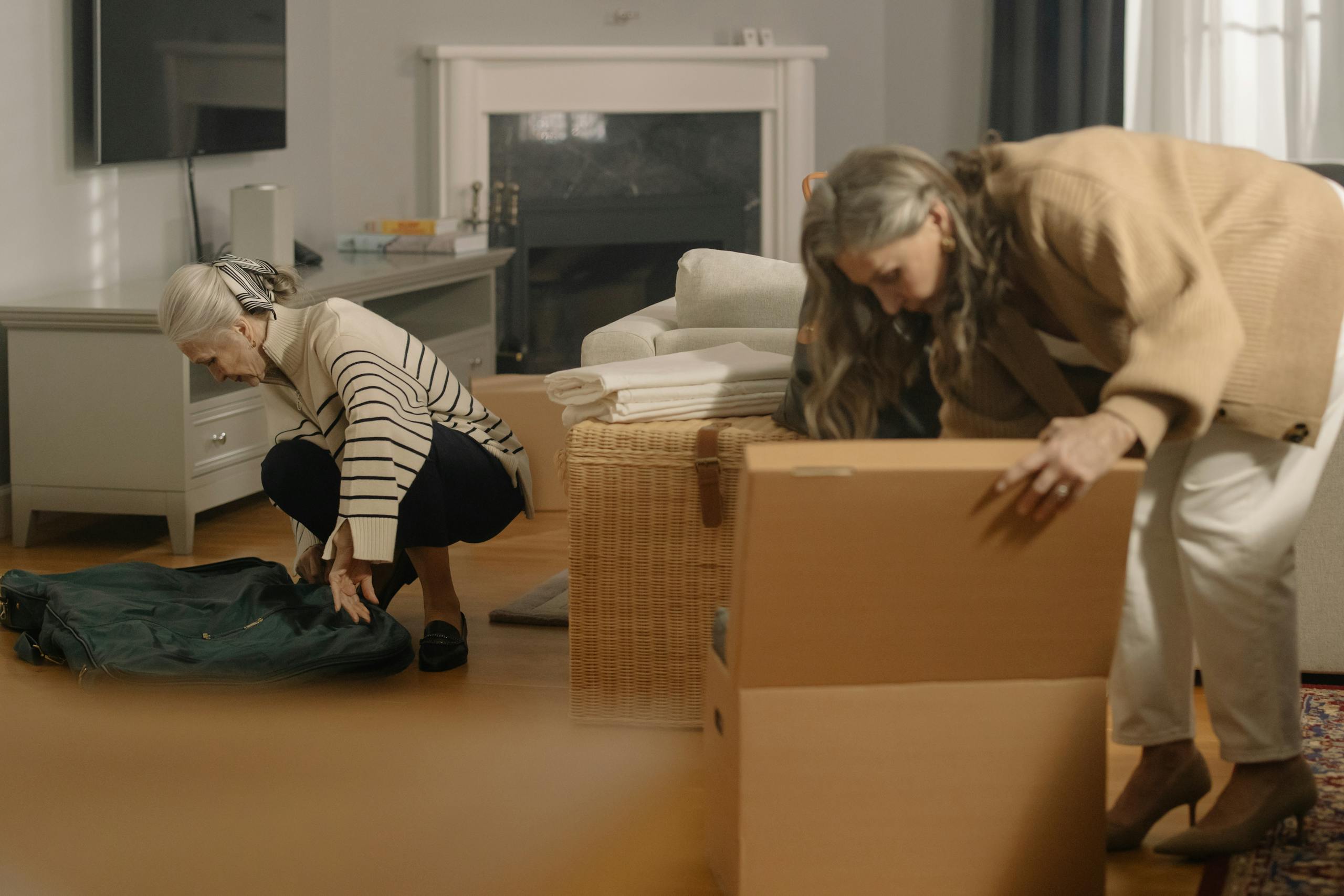
At first, the house may feel overwhelming because it is packed with belongings. Later, after the sorting, donating, selling, and hauling, the emptiness can feel worse. Bare rooms echo. Walls show faded marks where pictures used to hang. The home begins to look less like your parents’ life and more like a property ready for someone else.
That stage can feel like a second funeral. The first goodbye was to the person. This one is to the world they built around themselves. Homes are not just structures. They hold birthdays, arguments, Sunday dinners, holiday mornings, phone calls, repairs, routines, and quiet evenings. When the rooms empty out, the finality becomes loud.
You Will Keep Less Than You Thought, But It Will Mean More
At the beginning, you may want to save everything. By the end, you may realize you cannot carry a whole life in boxes. You will have to choose. That choice can feel impossible until you understand that memory does not live only in objects.
The things you keep may be simple. A watch. A recipe card. A framed photo. A favorite sweater. A tool from the garage. A dish from the kitchen. A book with notes in the margin. These items become anchors, not storage problems. They do not need to impress anyone. They only need to mean something to you.
One practical warning matters here, too. Personal papers, IDs, and account records should not be treated carelessly because deceased people can still become targets for fraud. The Identity Theft Resource Center advises families to file a report when a deceased loved one’s information is misused, underscoring the importance of promptly reporting identity theft if anything suspicious arises.
Key Takeaway
Cleaning out a dead parent’s home is not just about cleaning. It is grief-worn work gloves. It is love standing in a garage with a trash bag. It is memory hiding in junk drawers, medicine cabinets, closets, and cardboard boxes labeled with words nobody has read in years.
You may laugh at the strange things they kept. You may cry over the things you cannot keep. You may feel guilty, tired, angry, grateful, numb, and relieved in the same afternoon. That is the messy truth nobody tells you.
A parent’s life cannot be measured by the number of boxes you save. Their love is not confined to any object. Keep what tells the truth. Release what only weighs you down. The home may eventually empty, but the parts of it that shaped you will keep finding ways to stay.