For generations, having children was treated like the natural next chapter of adulthood. You finished school, found work, got married, bought a home if luck was on your side, and started a family before anyone had time to question the script.
That dream still matters deeply to millions of people, but for many Americans today, it feels less like a sweet milestone and more like a high stakes financial, emotional, and social gamble.
The question is no longer just, “Do I want children?” For many people, it has become, “Can I afford to raise them well, protect my own future, and survive the pressure that comes with modern parenting?” That does not make parenthood less beautiful, but it does explain why more adults are pausing before stepping into it.
The Cost Feels Impossible Before the Baby Even Arrives
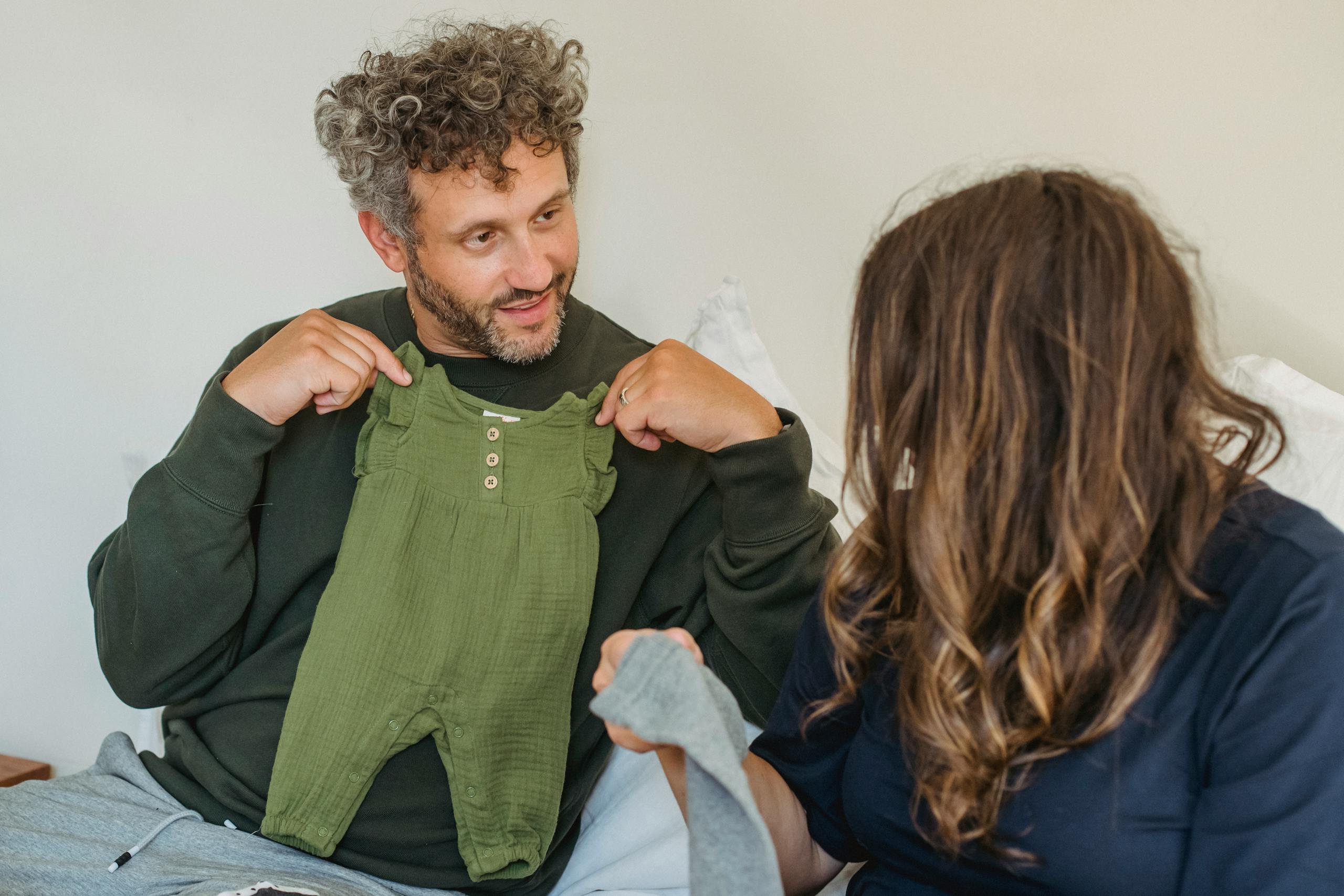
Raising a child has never been cheap, but today’s version of parenthood can feel like walking into a bill that never stops refreshing. Before a baby takes a first step, many parents are already dealing with medical bills, baby gear, insurance costs, diapers, formula, and time away from work. For families without strong savings, the first year alone can feel like a financial earthquake.
The pressure gets worse because many Americans are already stretched thin by rent, groceries, student loans, car payments, and credit card debt. A child brings joy, but joy does not pay the pediatrician, daycare center, or grocery store. That is why some adults are choosing honesty over fantasy and admitting they cannot build a stable life for a child when their own finances already feel fragile.
Childcare Costs Can Crush a Household Budget
Childcare is one of the biggest reasons some people rethink having kids. In many cities, full-time daycare can cost as much as rent, and sometimes more than a mortgage payment in smaller towns. Parents who need two incomes to survive can suddenly find themselves working mainly to pay someone else to watch their child.
This creates a brutal trap, especially for young families. One parent may leave the workforce because childcare is too expensive, but that decision can reduce income, slow career growth, and shrink future retirement savings. Parenthood then becomes less about choosing between work and family and more about choosing which financial wound hurts less.
Housing No Longer Feels Built for Families
The old family dream usually came with a backyard, a few bedrooms, and a neighborhood where kids could safely ride bikes until dinner. Today, many adults are stuck in apartments they can barely afford, sharing space with roommates, or delaying homeownership year after year. A baby may be tiny, but the life around that baby needs room.
The problem is not that people suddenly hate family life. Many simply cannot find an affordable place where family life feels practical. When rent keeps rising and starter homes become bidding-war trophies, the idea of adding a child can feel less romantic and more reckless.
Modern Parenting Looks Exhausting from the Outside
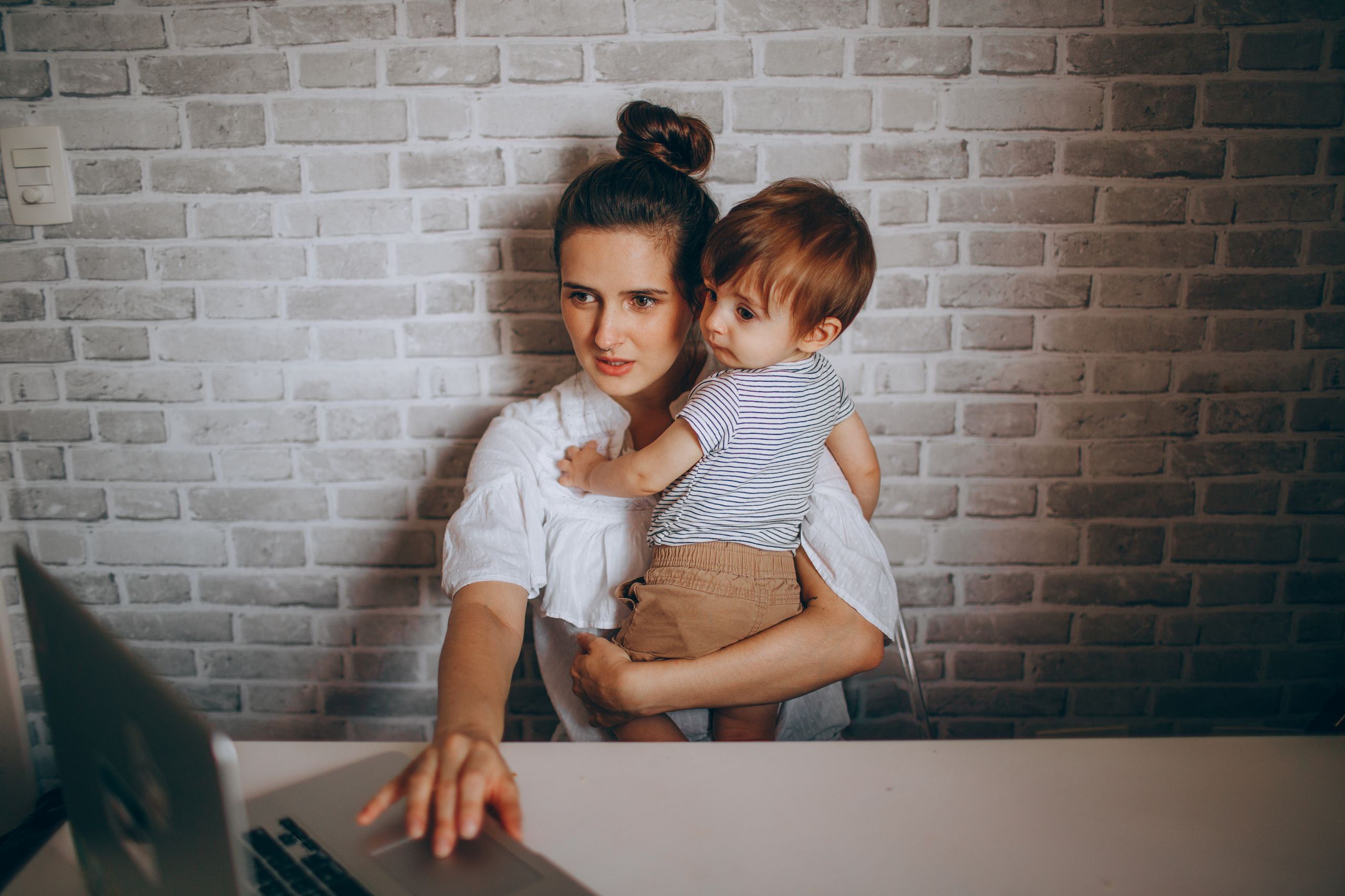
Parents today are not just expected to feed, clothe, and love their children. They are expected to monitor screen time, research every school choice, supervise every friendship, plan enrichment activities, track emotional development, prepare healthy meals, stay calm during tantrums, and somehow never look tired. The job description has become enormous.
Many adults look at that pressure and wonder where the breathing room went. Childhood used to come with more neighborhood freedom and fewer performance metrics. Now, parenting often feels like a nonstop audition for other parents, teachers, relatives, and strangers online. Some people are saying no because they know they do not want their private life turned into a permanent test.
Careers Feel Too Unstable to Add Dependents
A steady job used to make family planning feel safer. Today, even hardworking adults can face layoffs, contract work, unpredictable schedules, weak benefits, and side hustles just to stay afloat. When income feels unstable, bringing a child into the picture can feel terrifying.
This is especially true for people trying to build careers in competitive fields. A child can bring meaning, but children also require time, energy, flexibility, and money. For workers who already feel one bad month away from financial trouble, parenthood can seem less like a dream and more like a risk they cannot afford to romanticize.
Many People Want Freedom More Than Tradition
Some Americans are not avoiding children because they are broke, bitter, or selfish. They simply want a different life. They want travel, quiet mornings, flexible schedules, career mobility, hobbies, friendships, rest, and the freedom to make choices without building every decision around a child’s needs.
That kind of honesty can make people uncomfortable because society often treats parenthood as the highest form of adulthood. But a meaningful life does not have one approved shape. For some people, peace looks like a full house with children. For others, it looks like a life they can control without apologizing for choosing it.
Childhood Trauma Makes Parenthood Feel Complicated

Some adults grew up in homes where love came with fear, neglect, shouting, instability, or emotional distance. For them, the idea of having children can stir up painful questions. What if I repeat what happened to me? What if I do not know how to parent gently? What if raising a child forces me to revisit wounds I worked hard to bury?
This does not mean people with difficult childhoods cannot become wonderful parents. Many do. But it does explain why some hesitate. Parenthood can be healing, but it can also be emotionally demanding in ways that hit old scars. Some people choose not to have children because breaking a cycle feels safer than risking another one.
Climate Anxiety Has Entered the Family Conversation
For some adults, the decision is bigger than money. They worry about the kind of world a child would inherit. Extreme weather, political tension, school safety concerns, pollution, and economic uncertainty all sit in the background of modern family planning. The future can feel too unstable to bring a new person into it casually.
This fear is not always loud, but it is there. People may joke about the world being a mess, then privately ask whether having kids is fair. Parenthood has always involved hope, but hope feels heavier when the headlines make tomorrow look so uncertain.
Women Still Carry Too Much of the Load
Even in loving relationships, women often carry the larger share of pregnancy, recovery, household labor, emotional management, childcare planning, and career sacrifice. Many women see this clearly before becoming mothers.
They watch friends become exhausted, unsupported, and praised as “superwomen” instead of actually being helped.
That imbalance makes parenthood look less like a shared adventure and more like a trap dressed in soft blankets and family photos. More women are asking harder questions before saying yes. Will my partner show up fully? Will my career survive? Will I still have an identity beyond motherhood? Those questions matter.
Healthcare Worries Make Pregnancy Feel Riskier

Pregnancy is often presented as beautiful, and it can be. It can also be physically dangerous, expensive, emotionally draining, and medically complicated. Many women now enter the conversation about children with serious concerns about healthcare access, insurance coverage, maternity care, and what happens if something goes wrong.
For people who already distrust the healthcare system or live far from quality care, pregnancy can feel frightening. Having a child is not just a lifestyle choice. It involves real physical risk, especially for women whose concerns are ignored or minimized. That reality makes some adults step back and choose caution.
Conclusion
Having children can still be one of life’s deepest joys. For many people, it brings love, purpose, laughter, and a kind of meaning that is hard to explain until it happens. But pretending parenthood is only beautiful ignores the heavy reality many Americans are facing.
The decision to have kids now sits at the crossroads of money, health, housing, work, freedom, fear, and personal history. Some people will still choose parenthood with open hearts. Others will choose a different life with equal seriousness.
The real shift is that more Americans are no longer treating children as an automatic step. They are treating parenthood as a choice, and for many, that choice deserves far more honesty than society has been willing to give it.