Estate sales still carry a strange kind of magic. We walk into a quiet home, pass through rooms filled with ordinary objects, and quickly realize that ordinary is the wrong word. A chipped vase may be a signed studio piece. A dusty chair may be Danish modern. A forgotten box of postcards may hold small paper windows into another century.
That is what makes estate sales different from regular shopping. We are not just buying things. We are reading the remains of a life through furniture, books, records, glassware, tools, and framed memories. Some pieces are valuable because collectors want them. Others matter because they bring warmth, texture, and history into a modern home that can otherwise feel too polished and too predictable.
The best estate sale finds are rarely sitting under flashing signs. They hide in garages, linen closets, basements, dining rooms, garden sheds, and boxes marked “miscellaneous.” We only need to know what to slow down for.
Mid-Century Furniture Still Hides in Plain Sight
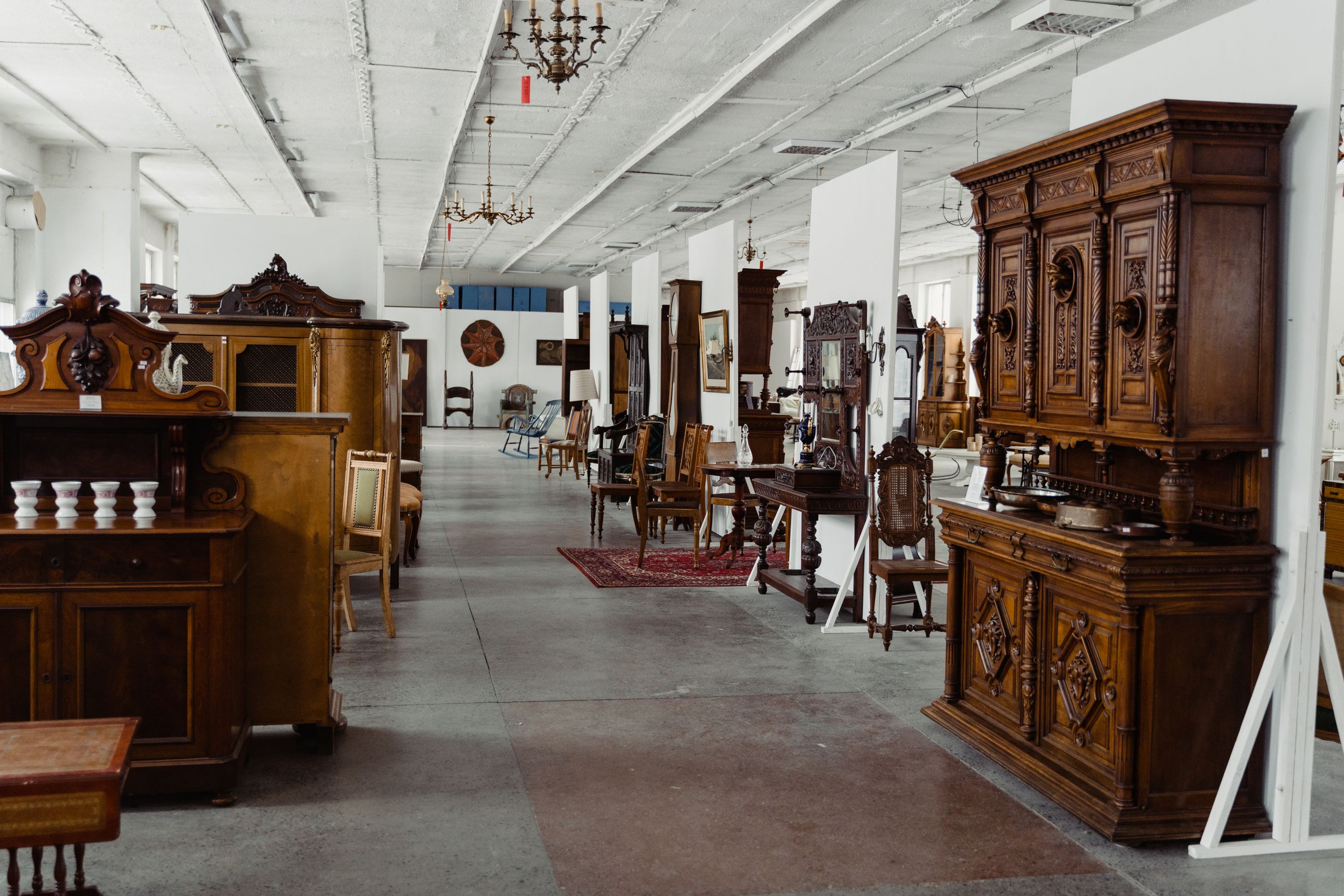
Mid-century furniture remains one of the strongest categories at estate sales because the best pieces combine beauty, functionality, and enduring demand. We are looking for clean lines, tapered legs, warm wood tones, low profiles, and smart shapes that feel simple without looking plain. Teak sideboards, walnut coffee tables, modular shelving, lounge chairs, and starburst clocks can still turn up in homes that have not been fully picked over.
The key is to check the construction before falling in love with the look. Solid wood, dovetail joints, original hardware, and sturdy drawer slides matter more than a trendy silhouette. We should open drawers, look underneath tables, inspect chair frames, and search for maker’s marks or labels. Names tied to respected design houses can raise interest, but an unsigned piece can still be worth buying if the build quality is strong.
Condition also matters, but not every flaw should scare us away. Light surface wear, faded finish, or small scratches can often be corrected. Broken legs, deep water damage, missing veneer, and unstable frames are bigger concerns. A good mid-century piece should feel as if it has aged, not as if it has surrendered.
Crystal Glassware Can Turn a Dining Room Into a Showpiece
Crystal glassware is often overlooked because it may be tucked inside cabinets or stacked beside ordinary kitchen items. Yet fine crystal still has a presence that cheap glass cannot copy. A cut crystal decanter, heavy tumblers, champagne coupes, or etched wine glasses can bring elegance to a table without needing a full formal dining room.
We should look for clarity, weight, sharp cutting, balanced stems, and a clean ring when lightly tapped. Cloudiness can be a warning sign, especially if it comes from years of dishwasher use. Tiny chips along rims or bases reduce both beauty and value, so each piece deserves a quick finger check around the edges.
Sets are especially useful. Four matching glasses are nice, six are better, and eight or twelve can become a serious estate sale win. Even mixed crystals can work beautifully if the pieces share a common style. A cabinet filled with sparkling, mismatched glass can feel collected, personal, and rich with character.
Vintage Cookbooks Are Cultural Time Capsules
Vintage cookbooks are more than recipes. They show us what families cooked, what hosts served, what advertisers promoted, and what home life looked like in another era. A 1940s baking guide, a church fundraiser cookbook, a mid-century cocktail manual, or a handwritten recipe binder can carry more personality than many modern coffee table books.
The strongest finds often have illustrations, handwritten notes, old newspaper clippings, or personal substitutions in the margins. These marks turn a simple cookbook into a lived-in document. We can see what someone cooked often, what they changed, what they loved, and what they passed down.
Condition helps, but perfection is not always the goal. A lightly worn cookbook can feel authentic. Missing pages, mold, heavy staining, or broken bindings are more serious problems. We should also check for first editions, regional recipes, famous food brands, celebrity chefs, and unusual topics such as wartime cooking, canning, holiday entertaining, or old-fashioned baking.
Antique Mirrors Add Age, Light, and Drama
Antique mirrors can transform a room faster than almost any other estate sale find. They bring reflection, depth, and architecture into a space. A gilded mirror above a fireplace, a carved wood mirror in a hallway, or a foxed mirror in a bedroom can make a home feel layered and intentional.
We should look closely at the frame, backing, glass, and hanging hardware. Older mirrors may have slight waviness, small dark spots, or silvering marks that create a soft, aged effect. These signs can be desirable when they add charm without ruining visibility. A mirror does not need to look brand new to be beautiful. In fact, a little age is often the point.
The frame deserves just as much attention as the glass. Carved wood, plaster detail, brass accents, and original gilding can add value. Cracked frames, loose corners, or poorly repainted surfaces may require repair. Before buying, we should also consider scale. A large mirror may be stunning, but it must fit through doorways, staircases, and the wall space waiting at home.
Old Postcards and Paper Goods Are Small but Powerful Finds
Paper goods are easy to miss because they often sit in shoeboxes, desk drawers, albums, and storage bins. Yet old postcards, letters, travel brochures, maps, advertising cards, ticket stubs, menus, and greeting cards can be some of the most charming estate sale treasures.
Postcards are especially appealing because they combine image, place, handwriting, and history. Scenic views, old hotels, roadside attractions, train stations, amusement parks, military camps, and holiday scenes all have collector interest. Cards with readable messages, unusual stamps, or strong local history can be even more compelling.
We should handle paper carefully and check for water damage, fading, tears, and heavy creasing. A little wear is normal. Severe damage can make the display difficult to read. The best strategy is to look for strong visuals, interesting locations, clear dates, and themes that fit a collection. Framed in groups, old postcards can become affordable wall art with real personality.
Vinyl Records Remain Estate Sale Gold
Record albums remain one of the most exciting estate sale categories because the value can range from simple listening pleasure to serious collector demand. We are looking for clean vinyl, strong cover art, original pressings, rare genres, local bands, jazz, soul, blues, punk, classic rock, and albums from artists with lasting cultural importance.
The record itself matters most. We should remove the disc carefully and look for deep scratches, warping, heavy scuffs, and signs of poor storage. Light marks may not ruin playback, but deep scratches can cause skips. The sleeve also matters because collectors care about cover condition, original inserts, posters, lyric sheets, and label details.
A box of records should never be judged only by the first few albums. Valuable pieces often hide between common titles. We should move slowly, check the condition, and look for albums that feel unusual. Even when a record is not rare, a clean copy of a beloved classic can still be worth bringing home.
Vintage Garden Tools Bring Rustic Character Indoors and Outdoors
Garden tools are often pushed into garages, sheds, and back corners, making them easy for casual shoppers to overlook. That is good news for us. Old watering cans, iron trellises, hand tools, clay pots, plant stands, seed boxes, ladders, and weathered benches can bring instant charm to a garden or porch.
The best pieces show age without falling apart. Galvanized metal, wrought iron, copper, wood handles, and heavy clay often age beautifully. We should avoid tools that are dangerously rusted, cracked, or too weak to display. A bit of patina is attractive. Structural failure is not.
These finds do not need to stay in the garden. A vintage ladder can become a plant shelf. A watering can can hold flowers. A metal basket can store towels or magazines. Old garden pieces work because they feel honest. They carry the marks of use, weather, and care.
Lamps and Lighting Are Often Undervalued
Lighting is one of the most overlooked categories at estate sales. Many shoppers pass over old lamps because they are dusty, missing shades, or sitting unplugged on side tables. That is where opportunity begins. Ceramic lamps, brass floor lamps, glass table lamps, pendant lights, sconces, and sculptural mid-century lamps can completely change the mood of a room.
We should always inspect wiring, plugs, sockets, and switches. A beautiful lamp with old wiring may still be worth buying, but only if we are prepared to have it rewired safely. The base should be stable, the shade support should be intact, and the overall shape should feel strong even without a perfect shade.
The smartest buys are lamps with distinctive materials or shapes. Brass, marble, Murano-style glass, carved wood, ceramic bases, and atomic designs can stand out. Even when a shade is ugly, the base may be the real prize. A new shade can modernize an old lamp while keeping its original soul.
Art, Frames, and Prints Deserve a Second Look
Estate sale art can be tricky, but it is worth studying. We are not only looking for famous names. We are looking for original paintings, signed prints, quality frames, local artists, strong landscapes, portraits, botanical studies, textile art, and pieces that simply have visual power.
The first move is to check the back. Labels, gallery stickers, handwritten notes, dates, framing marks, and artist information can offer clues. We should also look closely at whether a piece is an original painting, a print, or a reproduction. Texture, brushstrokes, paper quality, and signature placement can help guide us.
Frames alone can be valuable. A well-made wood, gilt, or metal frame may be worth buying even if the art inside is not special. Large frames, vintage mats, and unusual sizes can be expensive new, so estate sales often offer better value. The best art find is not always the most expensive-looking piece. Sometimes it is the one with mood, craft, and a story.
Jewelry Boxes Can Hold More Than Costume Pieces
Jewelry at estate sales can be crowded, tangled, and easy to dismiss. But careful eyes can still spot sterling silver and gold-filled pieces, signed costume jewelry, enamel brooches, vintage watches, lockets, cameos, cufflinks, and beaded necklaces of surprising quality.
We should inspect clasps, markings, weight, stones, and overall construction. Stamps such as sterling, 925, 14K, 10K, or maker marks can be useful, but they should not be the only clue. Some unsigned costume jewelry is highly collectible, especially if the design is bold, well-made, and clearly from a desirable era.
Small items are easy to lose and easy to overpay for, so discipline matters. We should separate emotion from inspection. A beautiful brooch with missing stones may not be a smart buy unless the price is low or the design is rare. A simple silver bracelet in good condition may be the quieter, better treasure.