A diplomatic dispute unfolding around one of the world’s narrowest shipping routes is starting to produce much wider bills.
Oil prices climbed more than 4% on August 10 after Iran and the United States exchanged new demands for compensation. The increase showed how quickly uncertainty in the Strait of Hormuz can move from negotiating rooms into global energy markets.
The consequences do not end with oil traders. Iranian families are watching inflation reduce the value of their earnings. Thousands of sailors remain trapped aboard commercial ships in the Persian Gulf, while Americans could face higher gasoline, airline and food costs if the disruption continues.
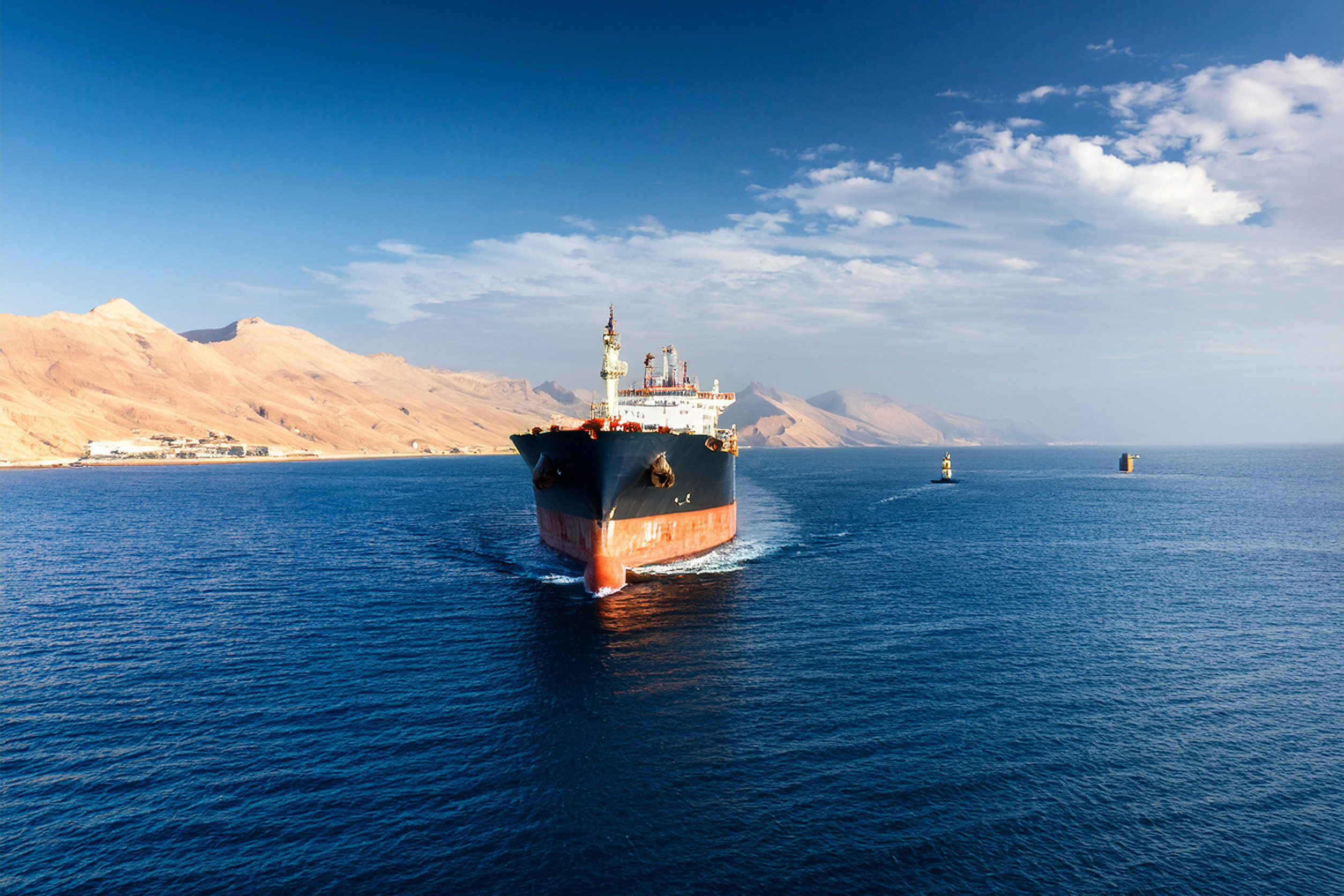
Iran and Oman say they are close to completing an agreement on shipping lanes through the strait. Yet the latest clash between Washington and Tehran has made clear that agreeing on routes is not the same as agreeing to reopen the waterway.
A near-finished plan still cannot reopen the strait
Iranian Foreign Minister Abbas Araqchi said an agreement with Oman defining new shipping lanes was in its “final stages.”
The plan would map the routes commercial vessels could use through the Strait of Hormuz. It would take effect only after the wider political and military conditions for restoring traffic were settled.
That second part remains unresolved.
Iran wants Washington to end its port blockade, ease economic sanctions and release frozen Iranian assets. Tehran has also demanded an end to military threats and compensation for damage caused during the war.
Iran wants greater authority over ships entering the Persian Gulf as part of any lasting arrangement.
Washington believes the process should happen in a different order. It wants shipping restored without restrictions before lifting the blockade on Iranian ports.
“There is progress between Oman and Iran on the Strait, and we expect a deal soon,” an unnamed U.S. official said. “Once the deal is announced to restore commercial shipping without impediments, the United States will lift the blockade of Iranian ports.”
Both sides therefore claim to support restored shipping, but each wants the other to act first.
The distance between them grew on August 10 when President Donald Trump responded to Iran’s demand for wartime compensation. Trump said Tehran should instead compensate people killed or seriously injured in actions he attributed to Iran.
The exchange weakened hopes that the strait would reopen soon. Brent crude rose to about $87 per barrel during trading after falling the previous week on expectations of progress.
Iran has also ruled out direct talks for now. Tehran says Washington violated a June interim agreement, although the two governments continue exchanging messages through intermediaries.
Iran’s bargaining position carries a high domestic cost
Iran can use restrictions in the Strait of Hormuz to disrupt oil supplies and increase pressure on Washington. That strategy also comes at a painful price for Iran’s own economy.
The U.S. naval blockade limits Iran’s oil exports, cutting access to one of the country’s most important sources of foreign currency. Existing sanctions make it harder for businesses to trade internationally, import supplies and obtain financing.
Senior Iranian officials reportedly fear that the combined pressure could move the economy closer to collapse. Iranian President Masoud Pezeshkian and central bank leaders were said to have warned the country’s supreme leader about the seriousness of the situation.
Iran’s government has not publicly confirmed every detail attributed to those private discussions. Independent economic figures, however, show that the country is under severe strain.
Iran’s economy contracted by an estimated 2.7% during the Iranian year ending in March 2026, based on a World Bank assessment. The Iranian currency had also lost 44% of its value from a year earlier by early March.
The International Monetary Fund projected inflation of 68.9% in Iran for 2026. The final rate could change as the conflict develops, but households are already living with the effects of rapidly rising prices.
A falling currency makes imported medicines, machinery and food more expensive. Businesses struggle to replace equipment, while workers find that wages that covered basic needs a few weeks earlier no longer stretch far enough.
None of this proves that the Iranian government is close to falling. It does explain why Tehran views sanctions relief and the release of frozen assets as essential parts of any agreement.
Thousands of sailors remain stranded at sea

The political dispute has also trapped people who have no control over the negotiations.
About 6,000 sailors aboard 500 vessels remained stranded in the Gulf, based on figures from the U.N.’s International Maritime Organization. Some crews have spent months facing isolation, uncertainty and the danger of attacks on commercial shipping.
IMO Secretary General Arsenio Dominguez stressed that the stranded crews were civilians trained to work at sea, not to face combat. Their vessels were also not designed to defend against missiles and drones.
Even ships receiving regular deliveries of food and fresh water may have no safe route out of the region. Families must follow reports of each new maritime attack without knowing when their relatives will return.
An unidentified projectile near Oman struck the cargo ship Minoan Pioneer. The impact caused an engine room blackout and a fire in the ship’s accommodation area. After the crew left the vessel, its third engineer was reported missing.
The United Kingdom Maritime Trade Operations center was investigating the incident and had not officially identified where the projectile came from. Responsibility should therefore not be assigned unless investigators confirm it.
The costs are moving toward American households

Roughly one-fifth of the world’s traded oil and liquefied natural gas passed through the Strait of Hormuz before the conflict. When traffic slows, the global energy market loses one of its most important supply routes.
Saudi Aramco CEO Amin Nasser said the conflict had removed 2.6 billion barrels from global oil supplies since February. He estimated that rebuilding those inventories could take 18 months, even if the strait reopened immediately.
Goldman Sachs projected that Brent crude could remain between $80 and $90 per barrel until the conflict changes significantly or Washington and Tehran reach an agreement.
American motorists often notice higher oil prices first at the gas pump. The pressure can later appear in diesel prices, delivery charges and airline tickets.
Food costs could follow. Farms depend on fuel, and the Gulf is an important region for fertilizer production and shipping. More expensive transportation and fertilizer can increase farmers’ expenses and eventually contribute to higher grocery prices.
Trump suggested that his administration was willing to let the pressure continue.
“We’re low-keying it,” Trump told Axios while pointing to Iran’s inflation and economic distress. His comments indicated that Washington currently favors financial pressure over a larger and more immediate military escalation.
That strategy carries risks for both sides. Iran’s economy is suffering, but keeping Hormuz restricted allows Tehran to spread some of the cost to energy markets and consumers abroad.
An agreement with Oman could solve the practical question of where ships travel. It cannot settle the larger conflict over sanctions, frozen assets, military threats and compensation.
Until Washington and Tehran agree on those issues, the Strait of Hormuz will remain more than a distant shipping route. It will remain a source of rising costs for Iranian families, danger for stranded sailors and growing uncertainty for American consumers.