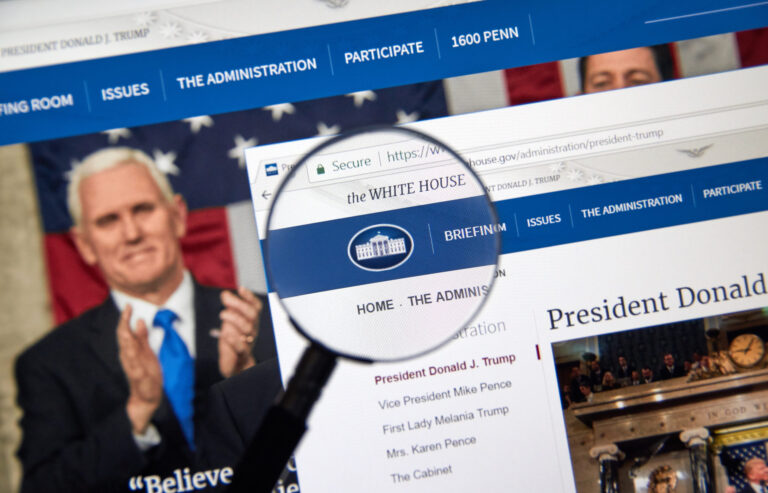
Washington, D.C., has spent the past year at the center of a major public safety debate as President Donald Trump’s crime crackdown enters its second year. Federal and local authorities say the operation has produced more than 16,000 arrests, thousands of weapons and drug seizures, and a renewed focus on violent offenders.
The results have become a major political talking point, but questions remain about whether the approach can deliver lasting improvements across the capital.
The “Make D.C. Safe and Beautiful Task Force” was created as part of a broader effort to address crime concerns in Washington. The initiative brought together federal, state, and local law enforcement agencies with the goal of targeting violent criminals, illegal firearms, and organized criminal activity.
Supporters say the operation has changed the city’s public safety landscape, while critics argue that long term solutions require more than enforcement.
The anniversary of the task force comes as Washington continues to debate how best to reduce crime while maintaining trust between law enforcement and the communities they serve. The discussion reflects a national divide over whether tougher policing or expanded prevention programs should play a larger role. For many residents, the main concern is whether neighborhoods will become safer in everyday life.
A Major Federal Push Against Crime in Washington
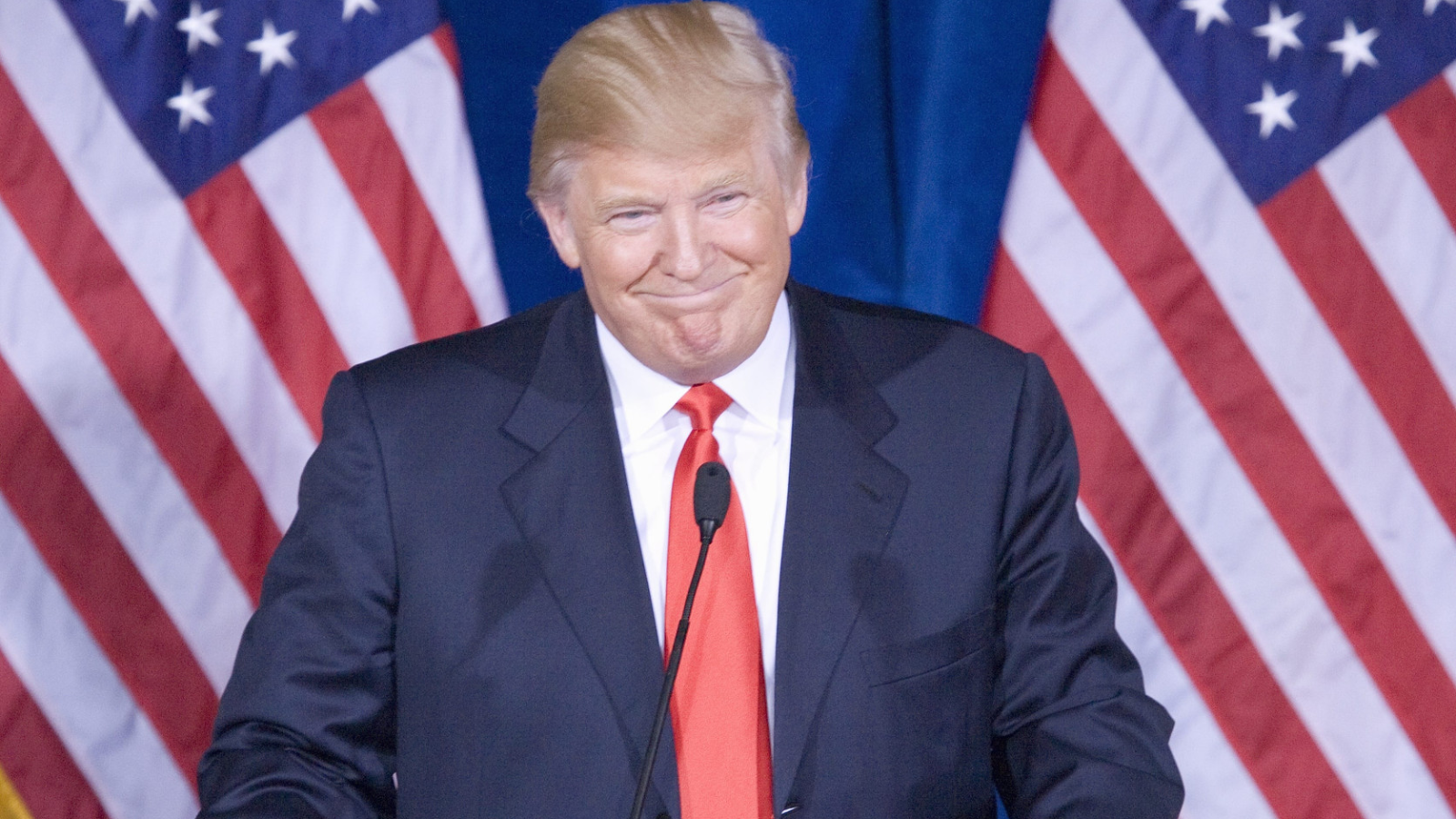
The task force began after Trump declared a crime emergency in Washington, D.C., leading to an expanded federal presence in the city. The operation focused on increasing enforcement against individuals accused of serious crimes and improving coordination between different law enforcement agencies. Officials described the effort as a response to concerns over violent crime and public safety.
During its first year, officials said the task force recorded more than 16,000 arrests. Authorities highlighted cases involving suspected violent offenders, gang members, illegal weapons, and narcotics activity. The administration has used those figures to argue that a stronger enforcement strategy can produce measurable results.
Officials also pointed to thousands of illegal firearms and large quantities of drugs removed during the operation. They said taking weapons away from individuals accused of criminal activity was a key part of preventing future violence. The task force also reported helping locate missing children and reunite them with their families.
Acting Attorney General Todd Blanche praised the work of the agencies involved in the crackdown. “Under President Trump’s leadership, the Department of Justice and our law enforcement partners have delivered extraordinary results in our nation’s capital,” Blanche said.
“More than 16,000 arrests, thousands of illegal drugs and firearms taken off the streets, and dangerous violent offenders brought to justice mean safer neighborhoods and lives protected.”
The administration has presented the task force as an example of what it calls a tougher approach to crime. Officials argue that communities benefit when repeat offenders are removed from the streets and when law enforcement has additional resources. They say the operation has provided a stronger response to residents who have demanded action on public safety.
Why Washington Became a National Crime Debate
Crime in Washington has been a major issue for years, with residents and officials raising concerns about violence, theft, and gun related offenses. The city’s status as the nation’s capital has made those challenges especially visible. Millions of visitors, government employees, and residents experience the city every year, making public safety a national concern.
Supporters of the crackdown argue that Washington required a stronger response because crime affects more than local neighborhoods. They say the city’s role as the center of the federal government justified increased federal involvement. For them, the task force represented a direct attempt to restore confidence and improve safety.
The operation also drew attention because of the expanded presence of federal authorities and National Guard support after Trump declared the crime emergency. Supporters viewed the move as a necessary step to provide additional resources. They argued that traditional approaches had not done enough to address the challenges facing the city.
Critics questioned the level of federal involvement and raised concerns about whether the approach could create tension between local communities and law enforcement. Some argued that crime reduction requires addressing deeper issues such as poverty, mental health challenges, housing instability, and opportunities for young people.
They warned that arrests alone may not solve the conditions that contribute to criminal activity.
The debate reflects a larger national discussion taking place in cities across the United States. Some leaders believe stronger enforcement is the fastest way to reduce crime and protect residents. Others argue that successful crime strategies must combine policing with prevention efforts and community programs.
Arrest Numbers Tell One Story, But Residents Want Results They Can Feel
The task force’s first year has produced impressive statistics, but numbers alone do not tell the entire story. Public safety officials often look at whether crime decreases over time and whether residents feel safer in their communities. The lasting impact of the operation will likely depend on what happens after the largest enforcement efforts continue or eventually change.
Law enforcement officials argue that removing illegal firearms, disrupting criminal networks, and arresting suspects accused of serious crimes can help prevent future violence. They say aggressive action can create safer conditions by targeting individuals who pose the greatest threat. Supporters believe the task force has already shown that a coordinated approach can make a difference.
However, critics say the success of a crime initiative should also be measured by prevention and long term stability. They argue that communities need resources that help prevent crime before it happens. Programs focused on education, employment, mental health and youth development are often part of that discussion.
For residents, the biggest measure of success is likely to be simple. They want safer streets, fewer violent incidents and confidence that their neighborhoods are improving. The task force’s impact will ultimately be judged by whether those changes continue beyond the headlines surrounding its anniversary.
The Future of Washington’s Crime Strategy
The next phase of the task force will determine whether the first year results become part of a lasting public safety strategy. Officials have indicated that efforts to target violent offenders and illegal weapons will continue. The administration has also made crime reduction a central part of its broader national agenda.
Washington’s future approach will likely continue to attract attention because the city represents both a local community and the country’s political center. Decisions made there often influence broader conversations about policing and public safety across America. That makes the task force’s results important beyond the city itself.
Supporters see the operation as proof that strong enforcement can bring immediate results when agencies work together. They argue that the number of arrests and seizures shows that the strategy reached individuals involved in serious criminal activity. They believe the focus should remain on maintaining public order and protecting residents.
Critics continue to push for a broader approach that combines enforcement with prevention. They argue that lasting safety requires addressing the factors that contribute to crime while also holding offenders accountable. Their concern is that short term enforcement gains may not create permanent change without additional investment.
After one year, Trump’s D.C. crime crackdown has already left a significant mark on the city’s public safety conversation. The operation has produced a large enforcement record and placed crime policy back at the center of national attention. The next challenge will be determining whether those numbers translate into a safer Washington for the people who live, work, and visit there every day.
For supporters, the task force represents a successful response to rising concerns about crime. For critics, it remains a test of whether enforcement alone can solve complex urban challenges. The coming months will show whether the first year of action becomes the foundation for lasting progress or simply another chapter in America’s ongoing debate over crime and public safety.