A 19-cent box can hold surprising history. The Chicago History Museum dates Kraft’s packaged macaroni and cheese to 1937, at that original price. It’s a small doorway into a larger food story: Friday meals shaped by religious observance, kitchen convenience, and the dishes a family remembers.
The turning point was November 18, 1966, when U.S. Catholic bishops changed Friday abstinence norms. The USCCB says those norms remain in force. The Archdiocese of Saint Paul and Minneapolis explains that abstinence from meat continues on Lenten Fridays; outside Lent, another penance may replace it, though abstinence remains recommended. The observance changed without losing Friday’s penitential meaning.
Friday Fish Fry
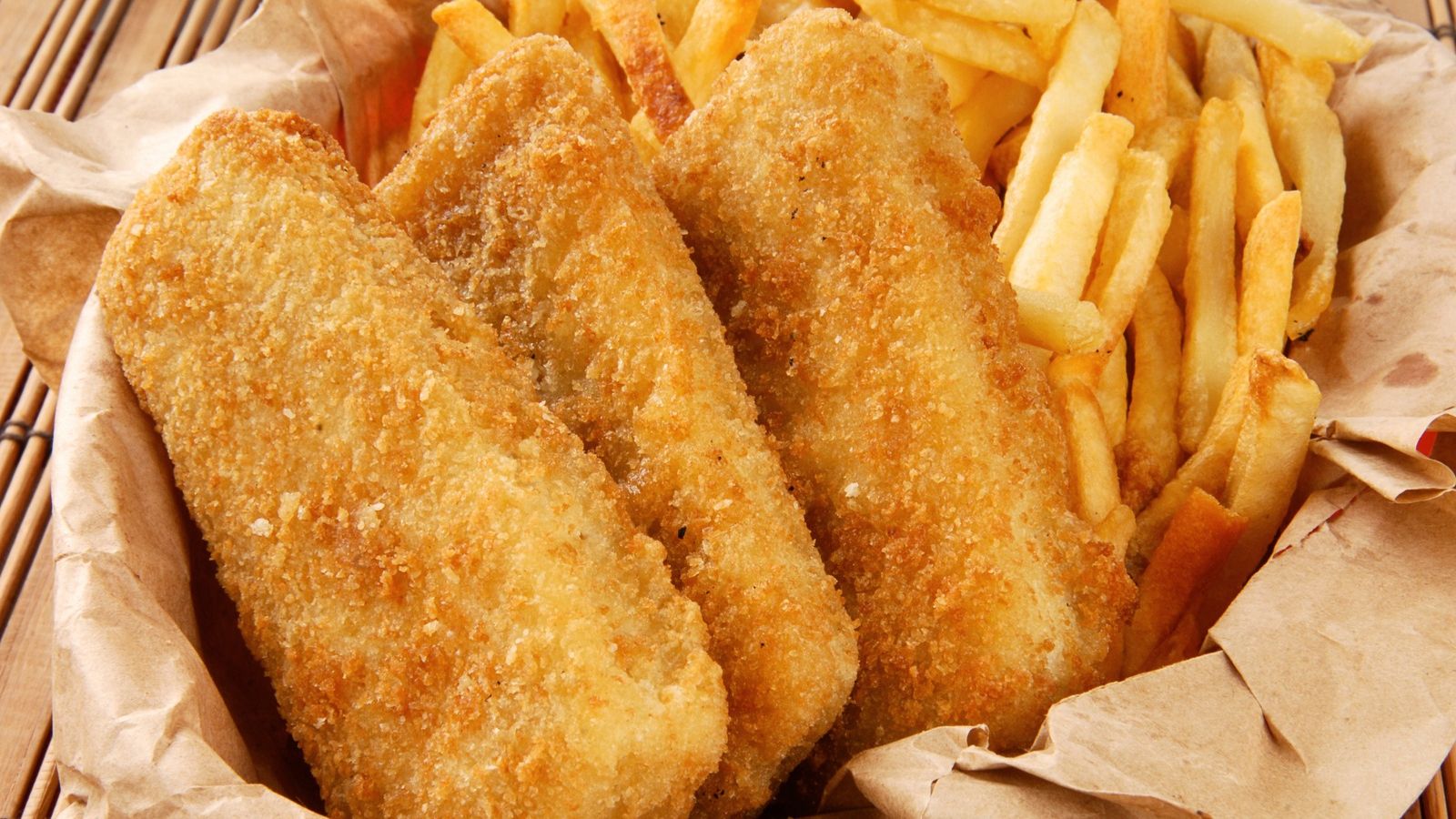
In Wisconsin, the Friday fish fry comes with a community story. Travel Wisconsin connects the custom to Catholic meatless Fridays, freshwater fish, and taverns that served food during Prohibition. The account names three local fish—walleye, perch, and bluegill—a menu rooted in the surrounding waters.
The tradition continues today. Old World Wisconsin, operated by the Wisconsin Historical Society, advertises Friday fish-fry events with two cod preparations: baked or hand-battered. These listings show a custom continuing beyond its religious origins. There’s still a place at this table.
Fish Sticks
The freezer gets its chapter, too. Gorton’s dates its frozen, ready-to-cook fish sticks to 1953. Historian Paul Josephson’s research, discussed by JSTOR Daily, links their development to postwar freezing, industrial fish processing, and the demand for convenient meals. Credit Gorton’s with its introduction; the broader invention story includes other manufacturers.
A Friday connection appears in the March 4, 1970, Ingham County News, preserved by Central Michigan University: fish sticks on a Friday school menu. That’s a lunch record, so it cannot establish what families ate for supper. Still, it gives this freezer staple a dated place in the Friday story.
Tuna Noodle Casserole
Under the breadcrumb topping lies a longer history than you might expect. In TASTE, food historian Heather Arndt Anderson identifies a 1930 Sunset tuna-and-noodle casserole recipe and a tuna-and-noodle menu in The Modern Hospital that same year. She also traces a 1932 version to Portland’s Cook Book of Many Lands.
Those examples precede Campbell’s cream of mushroom soup, which Anderson dates to 1934. Campbell’s current recipe combines canned tuna, egg noodles, mushroom soup, milk, and peas under breadcrumbs. The company documents a familiar version, rather than the dish’s invention. Its history earns it consideration for a period meatless supper, though these sources don’t measure how often people eat it on Friday night.
Salmon Patties
Sometimes the recipe title spells out the Friday connection. CatholicMom published Cynthia T. Toney’s “Meatless Friday” salmon patties on January 27, 2017. Canned pink salmon joins eggs, breadcrumbs, bell pepper, onion, and seasonings before the patties are shaped and pan-fried. That documents one cook’s Friday recommendation, without establishing its popularity in the 1940s–1960s. An ordinary can gets its turn at the center of supper.
Macaroni and Cheese
That 1937 Kraft box belongs to the history of convenience, not the invention of macaroni and cheese. The Chicago History Museum links the packaged product’s appeal to the Depression and wartime rationing. A modest box found its moment amid changing demands on household kitchens.
Its Friday credentials come from different sources. A Catholic Digest essay published October 6, 2011, recalls macaroni and cheese in the writer’s childhood meatless meals. The Saint Paul and Minneapolis archdiocese also names it among simple Friday dinners. Personal memory and institutional guidance meet over the same dish.
Grilled Cheese Sandwiches
If your Friday memories fit between slices of bread, grilled cheese has company in the record. The same 2011 Catholic Digest essay remembers it among childhood Friday meals, while the archdiocese separately includes it in its dinner suggestions.
Neither source measures national popularity. Together, they give this sandwich a modest but clear place in the tradition—and an invitation to revisit your own version.
Meatless Pasta
Leave room for a dish whose details stay with the family. The 2011 Catholic Digest writer remembers pasta served without meat sauce, without specifying spaghetti, marinara, or accompanying bread.
This is one household’s recollection, shared with the macaroni-and-grilled-cheese entries, rather than three independent family histories. You can appreciate that glimpse of a family table without turning it into a national menu.
Smithsonian’s history places early U.S. pizza chains in the 1950s, overlapping with these traditions. That timeline offers no neat handoff from casserole dish to pizza box, and no documented year when pizza displaced these meals. For your next Friday supper, let the old dishes suggest possibilities. There’s room for a new memory beside the remembered ones.