WASHINGTON — The Trump administration has not released a complete accounting of billions generated through U.S.-managed Venezuelan oil sales. A July 22 analysis estimated $13 billion total, but federal disclosures do not show how much remains under American control.
The estimate covers crude shipments sold during 2026 after Washington took control of Venezuela’s oil-marketing channels. Officials have identified some transfers and authorized spending, yet no public ledger connects each sale with expenses, payments and current balances.
U.S. rules created controlled accounts

The Energy Department announced the arrangement on Jan. 7, four days after U.S. forces apprehended Nicolás Maduro. The agency said proceeds would settle in controlled accounts at recognized global banks before any distribution.
The administration said it expected initial sales of 30 million to 50 million barrels. It also said the program would continue indefinitely while sanctions were selectively eased for authorized oil trading.
President Donald Trump signed an executive order on Jan. 9 covering revenue from Venezuelan natural resources and diluent sales. The order described the funds as protected Venezuelan sovereign property held in U.S. custody.
The order blocks creditors from attaching the money through judgments, liens or other court processes. It also prevents transfers unless federal agencies issue a license, order or other authorization.
The Treasury Department expanded the system later that month through sanctions licenses. A Feb. 13 policy notice licensed American oil marketers and required payments to be deposited into a U.S. account overseen by the State and Treasury departments.
Public figures do not reconcile
The $13 billion figure represents estimated gross sales, not an audited bank balance. The calculation used tanker data and market prices for several Venezuelan crude grades, including extra-heavy Merey crude.
Commercial costs can reduce the amount deposited. Shipping, insurance, storage, blending, banking and marketing expenses may all affect net revenue, but federal agencies have not published those deductions shipment by shipment.
The earliest identified arrangement involved $500 million in proceeds held through an account in Qatar. Venezuelan authorities said four domestic banks received $300 million initially to supply dollars to companies buying imported materials.
Secretary of State Marco Rubio later told senators that $300 million had been disbursed while $200 million remained. Energy Secretary Chris Wright later said the entire initial $500 million had reached Venezuela.
Those statements may describe transfers completed at different times. They do not identify payment dates, recipient institutions, exchange rates or the final use of every dollar.
A State Department official told Congress in April that the government had authorized about $3 billion for Venezuela. Authorization does not establish that all the money cleared the accounts or reached its intended recipients.
Earthquake recovery adds pressure.
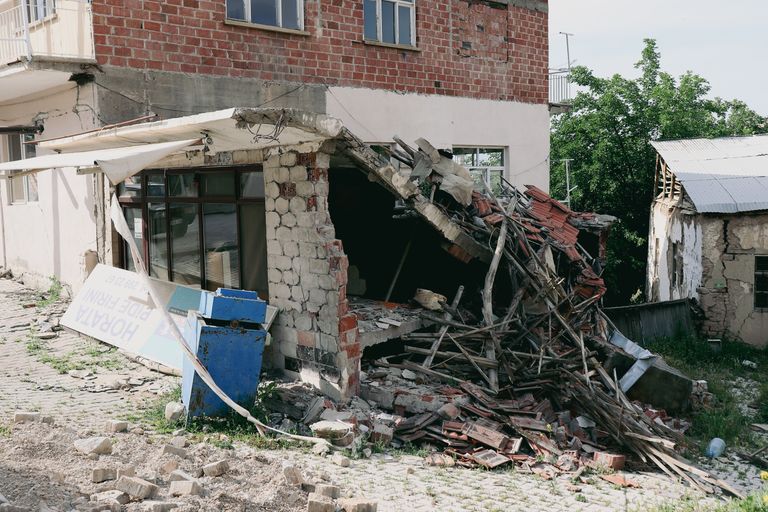
Two earthquakes with magnitudes of 7.2 and 7.5 struck Venezuela on June 24. By July 18, the disaster had killed more than 5,000 people and injured 16,740.
The interim government said 190 buildings collapsed and 856 sustained damage. Roads, bridges and other infrastructure were also affected, with the coastal state of La Guaira suffering the heaviest losses.
U.S. chargé d’affaires John Barrett said oil-account revenue was being made available for reconstruction. He did not provide the amount released or identify completed projects financed through those accounts.
The United States separately committed over $386 million in earthquake assistance by July 8. The money supported medical care, food, water, sanitation, shelter and logistics through humanitarian organizations.
That aid announcement did not identify the funding as a withdrawal from Venezuelan oil accounts. Treating disaster assistance and oil revenue as the same money would therefore produce an unsupported total.
Congress seeks independent review.
Reps. Sean Casten of Illinois and Joaquin Castro of Texas introduced the Venezuela Oil Proceeds Transparency Act on March 5. The measure requires an independent audit by the Government Accountability Office if Congress passes it.
The proposed review would cover the State, Energy and Treasury departments, along with contractors and other entities implementing the oil deal. It would examine potential fraud, abuse and conflicts of interest.
The legislation also requires congressional briefings after the audit and a detailed final report. The bill remains before the House Foreign Affairs Committee, with no later action listed in its public status record.
Balance remains undisclosed
No public evidence establishes that $13 billion was stolen or improperly diverted. The available information instead shows a reporting gap between estimated gross sales and verified transfers.
A complete reconciliation would list each cargo’s sale value, approved expenses, completed payments and closing balance. It would also separate money authorized for release from money that actually reached Venezuela.
As of Aug. 3, federal agencies had not published a consolidated statement showing deposits, deductions, transfers and remaining balances. H.R. 7819 also remained before the House Foreign Affairs Committee without further legislative action.