Retirement savings were supposed to be the money Americans did not touch until the work years were finally over. Yet millions of workers are now treating 401(k) accounts like emergency lifeboats, not because they are reckless, but because rent, medical bills, debt, and daily living costs are squeezing household budgets from every direction.
The result is a strange financial picture: retirement balances may look healthier on paper, but more workers are still pulling money out early just to survive the month.
The latest hardship withdrawal data shows how serious the problem has become. Vanguard plan data reported that 6% of workers took a hardship withdrawal in 2025, up from 4.8% in 2024 and far above the roughly 2% level seen before the pandemic. The median withdrawal was about $1,900, with common reasons including eviction, foreclosure, and medical expenses.
Hardship Withdrawals Are Becoming a Survival Tool

A hardship withdrawal sounds technical, almost harmless, but the reality is much heavier. It means a worker has reached the point where ordinary cash, savings, credit, or family help may not be enough. When someone pulls money from a 401(k), they are often choosing between protecting their future and solving a crisis sitting directly in front of them.
That choice has become more common because many Americans do not have enough liquid savings to absorb even a modest shock. The Federal Reserve’s 2025 household data shows that 63% of adults could cover a $400 emergency expense using cash or its equivalent, which still leaves more than one third needing another option.
When the bill is not $400 but $1,900 for rent, a car repair, or a medical balance, the retirement account can start to look less like a nest egg and more like the only unlocked door.
Automatic Enrollment Has Put More Workers Into 401(k) Plans.
Automatic enrollment has been one of the most important retirement policy wins of the last decade. It gets workers saving earlier, reduces procrastination, and helps people build balances without having to make complicated decisions on day one. Many employees who might have delayed saving for years now start contributing almost immediately.
Yet automatic enrollment also changes the hardship withdrawal story. More lower-income and middle-income workers now have 401(k) balances available when a crisis hits, which means more people have something to withdraw.
Vanguard notes that automatic enrollment broadens participation, especially among lower-income workers, and is associated with somewhat higher hardship withdrawal use because many participants still lack short term cash buffers.
Easier Rules Have Made Retirement Money More Accessible
The rise in hardship withdrawals is not only about inflation or household stress. The rules have also changed. Congress made hardship withdrawals easier through the Bipartisan Budget Act of 2018, which removed the old requirement that workers first take an available plan loan before requesting a hardship distribution.
That change matters because friction used to slow people down. When the process became simpler, more workers could access their money directly during an emergency. The IRS explains that the 2018 changes removed the requirement to take available plan loans before requesting a hardship distribution and also ended the previous six-month suspension of elective deferrals after a hardship distribution.
SECURE 2.0 Added New Emergency Withdrawal Options
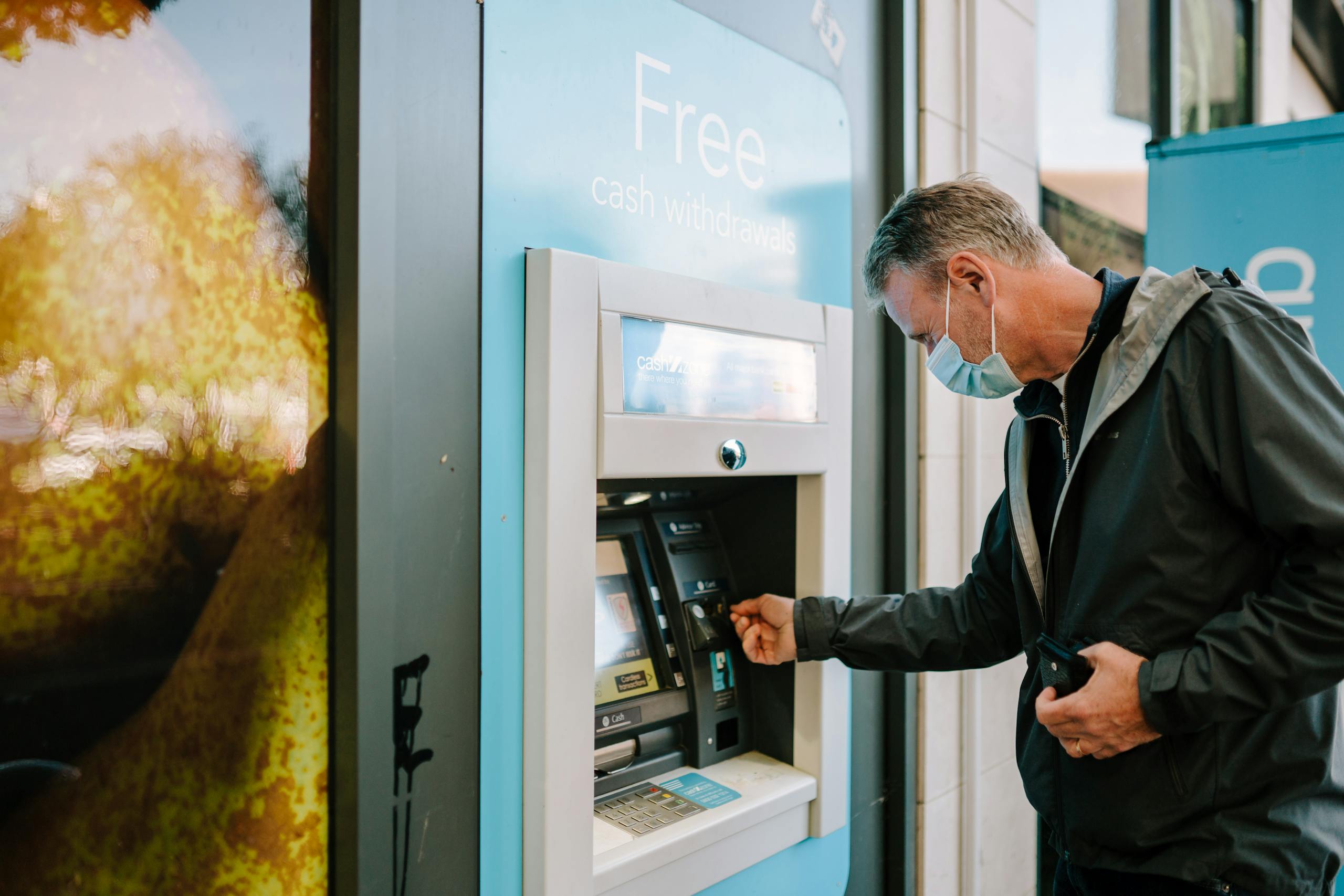
The SECURE 2.0 Act also expanded access to retirement funds in certain situations. One major change allows eligible emergency personal expense distributions of up to $1,000 after 2023 without the usual 10% early distribution tax.
The IRS lists this emergency personal expense exception as one distribution per calendar year for personal or family emergency expenses, limited to the lesser of $1,000 or the vested account balance above $1,000.
That rule can help workers avoid harsher financial damage when the emergency is small. Still, it does not fix the deeper issue. A $1,000 emergency withdrawal may help with a car repair or urgent bill, but it cannot solve months of rent pressure, medical debt, or a paycheck that no longer stretches far enough.
The Tax Hit Can Make a Bad Situation Worse
Hardship withdrawals are not free money. They can create a tax bill at the worst possible time. A traditional 401(k) hardship withdrawal is generally subject to income tax, and workers under age 59½ may also owe a 10% additional tax unless an exception applies.
The IRS is clear that hardship distributions are subject to income taxes unless they consist of Roth contributions, and they may also be subject to the 10% additional tax on early distributions.
Workers also cannot repay a hardship distribution to the plan or roll it over into another retirement account. That means the withdrawal is usually permanent, and the future balance loses both the original money and the growth it could have earned.
Medical Bills Are Still Pushing Workers Toward Their 401(k)s
Medical expenses remain one of the most painful reasons workers raid retirement savings early. A health emergency can create bills that arrive faster than insurance explanations, appeals, or payment plans. Even insured workers can be hit by deductibles, coinsurance, prescriptions, out of network charges, dental bills, and lost wages during recovery.
The pressure is visible in broader health cost data. KFF reported in 2026 that 17% of adults had debt owed to a bank, collection agency, or other lender from loans used to pay medical or dental bills, and another 17% had health care debt from medical or dental bills placed on a credit card and paid off over time.
When a household is already stretched thin, a medical bill can turn a retirement account into the emergency room of personal finance.
Housing Costs Make Retirement Withdrawals Feel Inevitable

Avoiding eviction or foreclosure is one of the most emotionally charged reasons for taking a hardship withdrawal. A worker may know the tax consequences and still decide the money has to come out. Losing housing can trigger moving costs, legal fees, damaged credit, school disruption, job instability, and long-term financial trauma.
Shelter costs remain a major budget pressure for many households. The Bureau of Labor Statistics reported that shelter rose 3.3% over the 12 months ending in April 2026, with rent of primary residence up 2.8% and owners’ equivalent rent up 3.3%.
Those numbers sound small compared with the real life shock of a lease renewal, but they show why housing continues to sit at the center of the retirement withdrawal story.
Emergency Savings Are the Missing Middle
The most important gap in this story is not retirement participation. It is emergency liquidity. A worker can do the “right” thing by joining a 401(k), accepting auto escalation, and investing for the future, yet still fall apart financially when a single urgent bill lands.
Bankrate’s 2026 emergency savings report found that 60% of Americans were uncomfortable with their emergency savings, and only 46% had at least three months of expenses saved, even though 85% said they would need at least that much to feel comfortable.
That gap explains why retirement accounts are being used for today’s emergencies. People are not always choosing between savings and spending. Many are choosing between one savings bucket and another crisis.
Conclusion
The rise in hardship withdrawals tells us something uncomfortable about American finances. More workers are saving for retirement, but many are still one emergency away from breaking into those savings early. That does not point to laziness or poor planning. It points to a fragile system where a medical bill, rent deadline, or car repair can overpower years of careful contributions.
We should view early retirement withdrawals as a warning light, not a moral failure. A 401(k) can help build long term security, but it was never meant to carry every short term crisis alone.
Until more households have real emergency savings, affordable health care, manageable housing costs, and better workplace financial tools, retirement accounts will keep doing double duty as both nest egg and last resort.