CHARLESTON, W.Va. — West Virginia Gov. Patrick Morrisey’s office said Wednesday it was disappointed after a federal judge halted the state’s plan to stop SNAP recipients from using benefits to buy soda.
U.S. District Judge Amy Berman Jackson issued the ruling Monday in Washington, D.C., finding that federal officials exceeded their authority when they blocked five state waivers tied to soda, candy, and other restricted food purchases.
Judge Finds USDA Overstepped
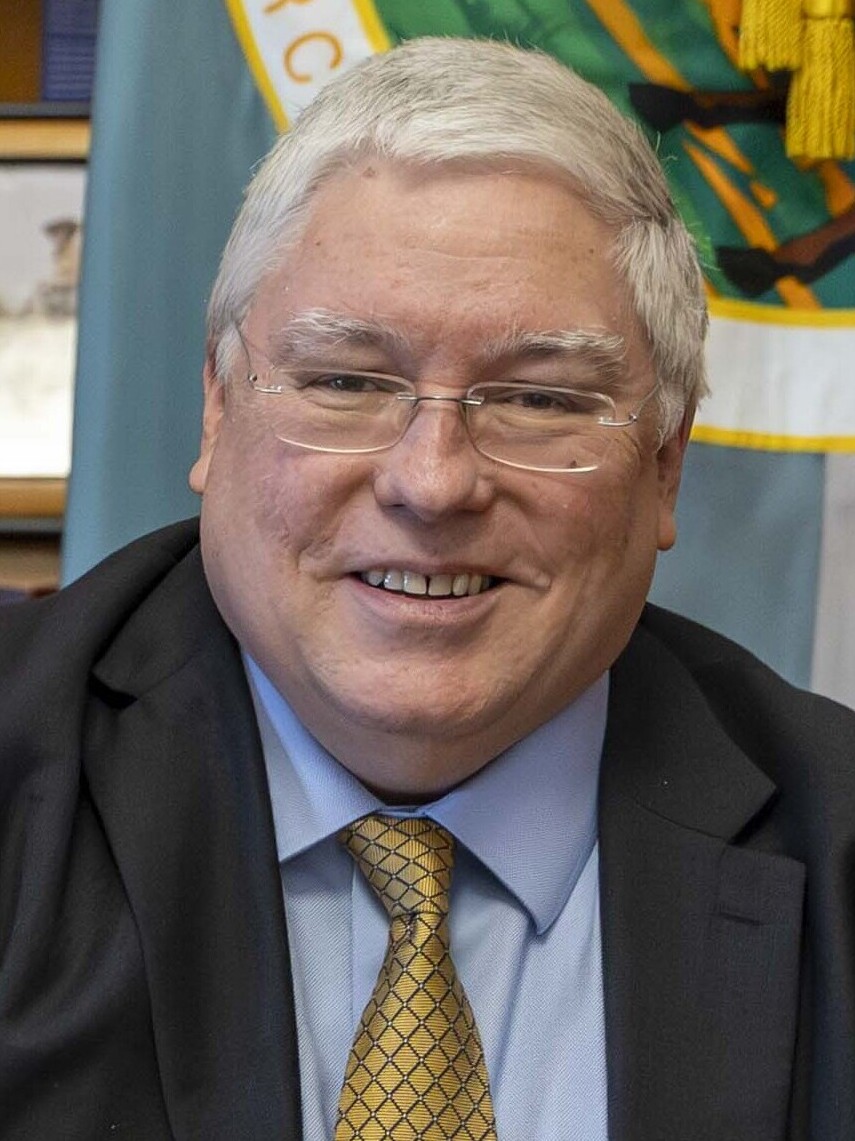
U.S. Department of the Interior, Public domain, via Wikimedia Commons licensed under PD US DOI
The ruling paused restrictions approved by the U.S. Department of Agriculture for Colorado, Iowa, Nebraska, Tennessee, and West Virginia. SNAP participants from those states challenged the approvals in federal court.
Jackson ruled that Agriculture Secretary Brooke Rollins used the wrong section of federal law to approve the projects. The court found that the agency relied on a provision intended for administrative efficiency, not to change what SNAP recipients may buy.
The judge also said USDA failed to follow required notice procedures. Federal rules require public notice for pilot projects likely to have a major public impact.
Jackson wrote that the ruling was not about whether the policies were wise or harmful. The legal question was whether federal officials complied with the law when approving them.
West Virginia Targeted Soda
West Virginia’s plan focused on soda purchases. The state sought to remove regular, diet, and sugar-free soda from the list of items eligible for purchase with SNAP benefits.
The USDA had approved a West Virginia waiver for a two-year demonstration project. The approval was tied to a state request to amend the SNAP definition of food for West Virginia purchases.
The state announced that the restriction would begin Jan. 1, 2026. Officials said water, milk, juice, and energy drinks would not be affected by the policy.
All SNAP-authorized retailers in West Virginia were expected to comply. State officials also said technical assistance would be provided before implementation.
Morrisey Office Defends Plan
Lars Dalseide, communications director for Morrisey, said the governor’s office disagreed with the court’s decision.
“We are disappointed by the court’s decision but remain convinced that precious taxpayer subsidized resources should only be spent on healthy, nutritious food for those who need help the most,” Dalseide said.
He said Morrisey’s administration would continue to push policies aimed at improving health outcomes. The governor has made nutrition and chronic disease prevention a major part of his first-term agenda.
Morrisey joined Rollins and Health and Human Services Secretary Robert F. Kennedy Jr. in Washington in August 2025 for a signing event connected to the SNAP waiver.
At the time, Morrisey said West Virginia ranked near the bottom on many public health measures. He described the waiver as one step in a larger campaign to help the state “get healthy again.”
Health Data Drove Policy
West Virginia has long struggled with high rates of obesity, diabetes, and chronic disease. Recent public health data showed the state’s adult obesity rate stood at 41.4 percent.
Morrisey has used those figures to argue that government programs should encourage healthier choices. His administration has promoted the SNAP soda restriction as part of the “Four Pillars of a Healthy West Virginia.”
That agenda also includes limits on certain food dyes and additives, expanded access to healthier food and physical activity programs. One initiative encourages residents to walk designated “Mountaineer Mile” trails in state parks.
The state’s food dye and additive law has also faced a separate pause in federal court. That case is not part of the SNAP ruling.
SNAP Rules Remain Broad
SNAP is a federal nutrition assistance program that helps low-income households buy groceries. It replaced the old food stamp program and is administered by states under federal rules.
Federal rules generally allow SNAP benefits to be used for food products meant for home consumption. Alcohol, tobacco, and hot prepared foods are excluded.
The judge found that Congress had already defined the eligible food category broadly. USDA could not use a waiver process to carve out new exclusions without proper legal authority.
That finding is central to the ruling. It means a state’s health goal does not automatically grant federal officials the authority to rewrite SNAP purchasing rules.
Lawsuit Focused on Process
The lawsuit was brought by SNAP participants, not by food companies or retailers. Their challenge focused on agency authority, notice requirements, and access to food.
Plaintiffs argued that the restrictions would create confusion at checkout. They also said the rules could affect people who use certain products for medical, dietary, or practical reasons.
The court did not decide whether soda should be part of a healthy diet. It was decided that USDA had not followed the legal pathway required for this type of change.
That distinction matters for other states. If federal officials want to change SNAP food eligibility, they may need congressional action or a different pilot program structure.
Retailers Face Uncertainty
The ruling also affects grocery stores, convenience stores, and other SNAP retailers. Those businesses had to prepare checkout systems, product lists, and employee guidance before restrictions took effect.
The West Virginia policy required stores to identify which beverages were no longer eligible. Similar rules in other states targeted soda, candy, sweetened drinks, or broader categories.
Retailers operating across state lines faced another problem. A product allowed in one state could be blocked in another.
The judge cited the scale of those effects while discussing USDA’s notice failures. A policy that reaches households, retailers, and state agencies requires a lawful review process.
USDA Waiver Push Faces Setback
The decision is a setback for a broader federal push to let states restrict SNAP purchases of sugary foods and drinks. USDA had listed food restriction waivers for multiple states, with varying products and start dates.
Some waivers targeted soda only. Others included candy, energy drinks, sweetened beverages, or prepared desserts.
The ruling directly addressed the five states that challenged it. Its reasoning could affect other approved waivers if similar legal challenges are filed.
USDA can appeal the decision or pursue another legal route. Congress could also change the SNAP law to exclude certain products.
Soda Ban Remains Paused
West Virginia cannot enforce the soda restriction under the vacated approval. SNAP recipients in the state can continue to use their benefits under current federal eligibility rules unless a higher court or Congress changes the policy.
Morrisey’s office says the administration will keep pursuing health-focused policies. The court ruling leaves that effort politically active but legally blocked for the SNAP soda ban.
The latest status is that the waiver is paused, USDA approval has been vacated for the challenged states, and no new implementation date has been announced.