New York City’s Rent Guidelines Board voted Thursday, June 25, 2026, to freeze rent increases for roughly one million rent-stabilized apartments, giving Mayor Zohran Mamdani a major early win on one of his central affordability promises.
The board approved 0% increases for both one-year and two-year leases beginning Oct. 1, 2026, and ending Sept. 30, 2027, according to the board-adopted guidelines. The decision affects one of the largest regulated rental housing systems in the United States.
Board Sets Increases At Zero
The vote means eligible rent-stabilized tenants who renew during the guideline year will not face the annual increase normally set by the board. The freeze applies to rent-stabilized apartments and lofts covered by the city’s rent regulation system.
The board also set a 0% rent increase for rent-stabilized hotel units, including residential hotels, lodging houses, rooming houses, and single-room occupancy buildings. Those rates apply under the same October 2026 to September 2027 period.
Reuters reported the measure passed in a 7-1 vote, with tenants in the meeting room cheering after the decision was announced. Reuters reported the details of the vote after the board completed its final action Thursday night.
Mamdani Delivers Campaign Promise
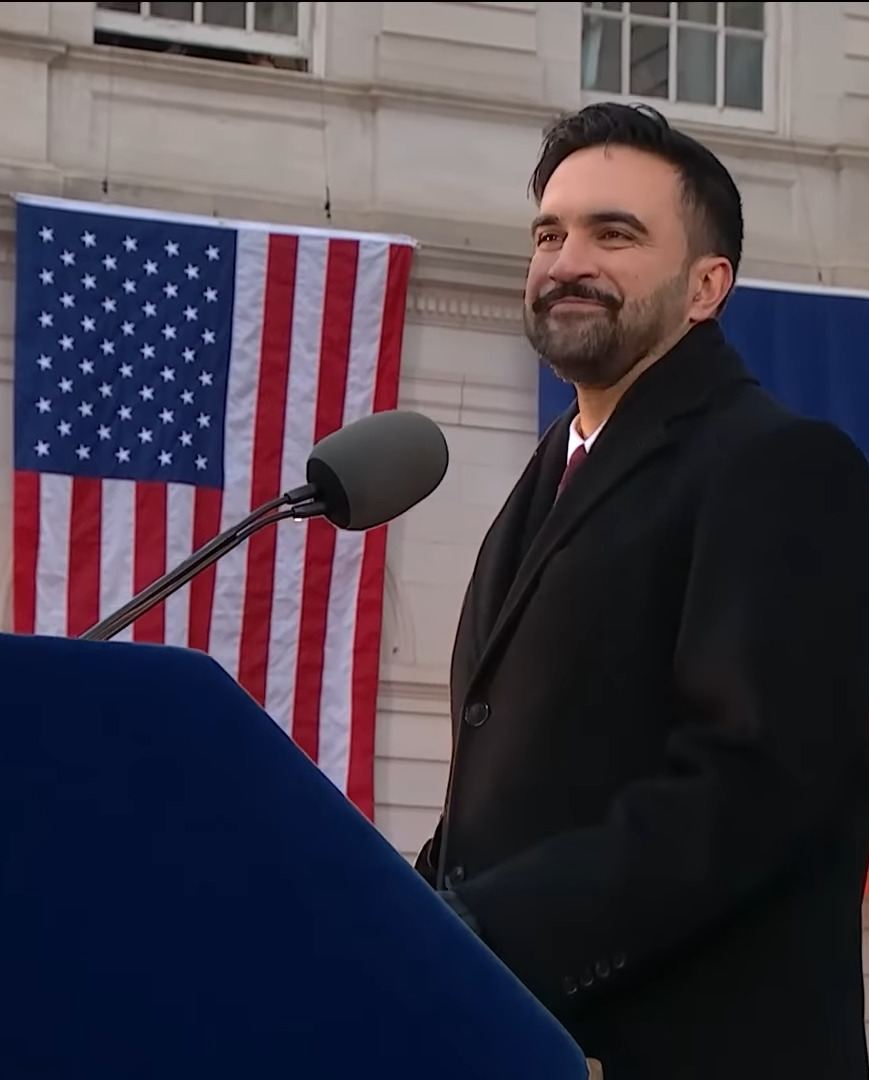
Mamdani campaigned on a direct pledge to freeze rents for stabilized tenants. The vote now turns that promise into official city policy.
The mayor called the decision a historic victory for tenants, saying working New Yorkers deserved relief from housing costs. His administration had moved quickly to reshape the board after he took office.
The Rent Guidelines Board is formally independent, but its members are mayoral appointees. Mamdani appointed a majority of the nine-member panel shortly after entering City Hall, signaling that rent relief would be a priority.
The freeze gives Mamdani a concrete policy win at a time when affordability remains the dominant issue for many New Yorkers. Rent, food, transportation, and utilities have continued to pressure household budgets across the city.
About Two Million Tenants Affected
Roughly two million people live in New York City’s rent-stabilized apartments. Those units account for about 40% of the city’s housing stock, according to reporting by The Associated Press.
Rent-stabilized apartments are privately owned, but annual renewal increases are limited by the Rent Guidelines Board. The board considers economic data, tenant testimony, landlord operating costs, and public comments before setting rates.
The freeze does not apply to market-rate apartments. Tenants in unregulated units can still face rent increases based on lease terms and state law.
That divide remains one of the sharpest sources of tension in New York housing. Stabilized tenants receive legal protections against large increases, while market-rate renters often face far steeper renewal demands.
Landlords Warn Of Building Strain
Landlord groups criticized the freeze, saying it could weaken building owners’ finances. They argue owners still face rising insurance, taxes, repairs, labor, and utility costs.
The New York Apartment Association warned that flat rent revenue could make routine maintenance harder. Its chief executive, Kenny Burgos, said the policy could lead to more deteriorating buildings, foreclosures, and bankruptcies.
Property owners have pointed to the board’s own research showing higher operating expenses. NY1 previously reported that landlords cited rising utilities, maintenance, and other expenses as key concerns before the final vote. The NY1 outlined landlord costs during the debate over the freeze.
Tenant groups reject the argument that increases are the only way to maintain buildings. They say owners have received increases for years while many apartments still need repairs.
Legal Challenge Expected
A legal fight is expected after the vote. One landlord representative on the board, Christina Smyth, resigned in protest before the final decision.
Smyth said the board had stopped acting as a fact-finding body. She argued the outcome had been determined before the evidence was fully weighed.
The Associated Press reported that a legal challenge is expected over the board’s action. The AP reported legal challenge alongside details of Smyth’s resignation and landlord objections.
Any lawsuit would likely focus on whether the board properly followed its process and considered required economic evidence. The city is expected to defend the board’s authority to set rent guidelines.
Previous Board-Approved Increases
The new freeze marks a sharp break from the prior year. Under former Mayor Eric Adams, the board approved increases of up to 3% on one-year leases and up to 4.5% on two-year leases.
Rent freezes have happened before in New York City. Former Mayor Bill de Blasio’s administration also saw freezes for rent-stabilized apartments.
This decision is different because it covers both one-year and two-year leases at 0%. That gives tenants the same freeze whether they choose a shorter or longer renewal.
For a tenant paying $1,800 a month, avoiding a 3% increase saves about $54 each month. Over one year, that is $648 before any other household costs are counted.
Freeze Does Not Solve Supply Shortage
The rent freeze offers immediate relief to stabilized tenants, but it does not create new housing. New York still faces a severe shortage of affordable apartments.
Housing experts have long said the city needs more construction, faster approvals, deeper affordability programs, and better preservation of older buildings. Tenant protections can slow displacement, but they do not expand supply.
The policy also leaves market-rate renters outside the direct benefit. Many of those renters face higher rents without the same renewal protections.
That reality could keep housing pressure high even after the freeze takes effect. The board’s action protects one large group of tenants, but the city’s broader affordability crisis remains unresolved.
Freeze Begins In October
The new rent guidelines apply to leases beginning Oct. 1, 2026, through Sept. 30, 2027. Tenants should check their renewal dates and confirm that their apartments are rent-stabilized before relying on the freeze.
Landlord groups are expected to continue challenging the policy in public and possibly in court. Tenant advocates are expected to push the Mamdani administration to pair the freeze with stronger enforcement and broader housing protections.
For now, New York City has set the next rent increase for stabilized apartments at zero. The next stage will play out in lease renewals, building ledgers, and any court challenge filed against the board’s vote.