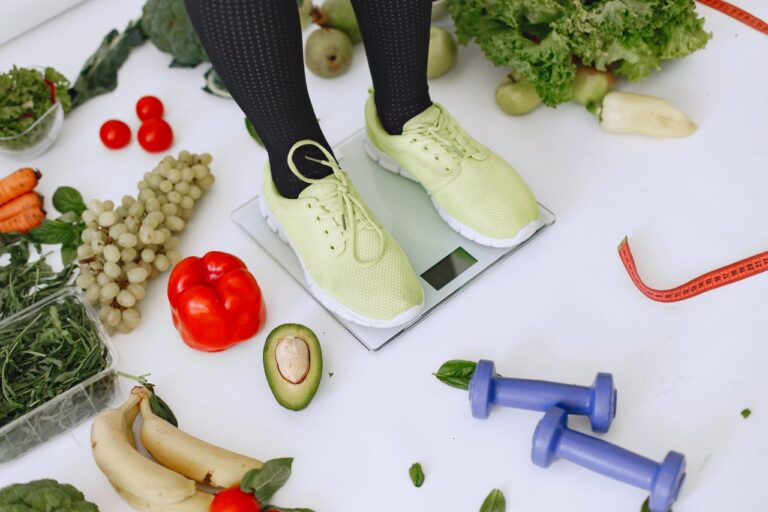
The cart fills up faster than the closet. One video says you need a new serum, another says your apartment needs a refresh, and before the day ends, a package is already on the way. Overconsumption rarely feels dramatic at first because it often arrives dressed as self-care, convenience, or a harmless little treat.
The problem starts when buying becomes a way to manage boredom, sadness, stress, envy, or insecurity. A purchase can spark excitement, but that spark fades quickly when the bill arrives, the item goes unused, or the room feels even more crowded than before. Over time, the habit can turn everyday life into a cycle of wanting, buying, regretting, and wanting again.
The Shopping High Does Not Last Long

Buying something new can feel powerful in the moment. It gives the brain a quick reward, especially when the purchase promises a better version of life. A new outfit may feel like confidence, a new gadget may feel like control, and a beauty product may feel like a fresh start after a hard week.
That feeling is often temporary. Once the excitement fades, the item becomes just another object in the room, and the emotional problem that triggered the purchase remains. This is why retail therapy can become so slippery: it can mask a feeling for a moment without addressing its root cause.
Social Media Turns Normal Life Into a Comparison Trap
Social media makes overconsumption feel normal because people are constantly shown polished homes, endless wardrobes, expensive routines, and picture-perfect lifestyles. The danger is not just seeing beautiful things. The danger is slowly coming to believe that ordinary life is somehow lacking because it does not look like a sponsored feed.
This comparison can quietly damage self-worth. A person may stop asking, “Do I need this?” and start asking, “Why don’t I have this yet?” That shift matters because it turns shopping into a chase for belonging, beauty, status, or approval.
Influencer Culture Can Make Wants Feel Like Needs
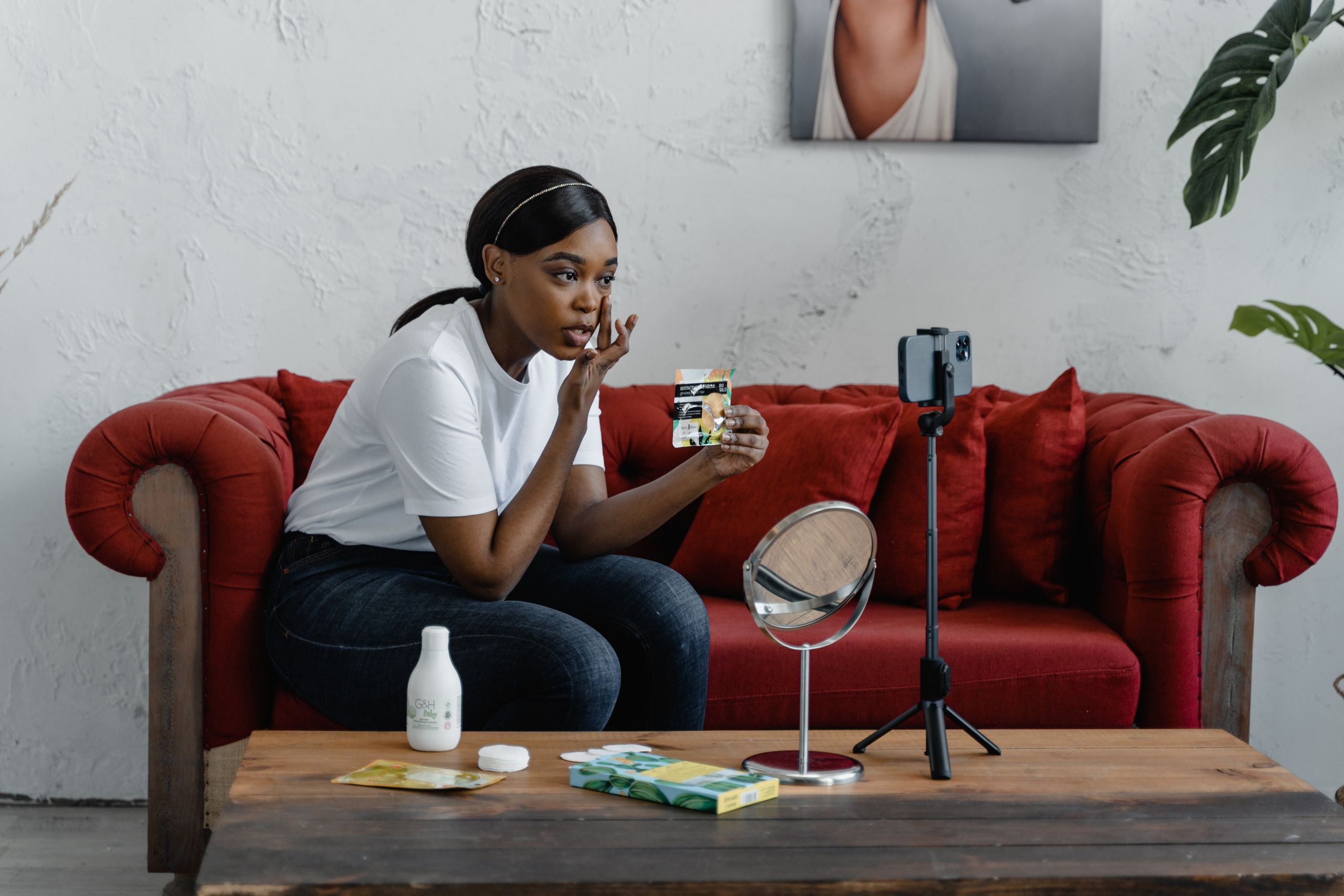
Influencer marketing works because it blends friendship, entertainment, and advertising into one smooth package. A creator may show a product while getting ready, cleaning their room, packing for a trip, or filming a cozy morning routine. The item does not feel like an ad because it appears in a desirable lifestyle context.
That is where the emotional pressure begins. People are not just buying a sweater, a candle, a cup, or lip gloss. They often buy into the feelings associated with it, such as calm, popularity, softness, wealth, discipline, or attractiveness. When the product fails to deliver that deeper feeling, the next product starts looking tempting.
Clutter Can Make the Mind Feel Crowded
A room full of unused purchases can create a strange kind of stress. The items may be nice individually, but together they become visual noise. Clothes with tags, half-used products, extra kitchen tools, unopened boxes, and random decor can make a home feel less peaceful and more demanding.
Clutter can also create guilt. Every unused item becomes a small reminder of money spent, plans abandoned, or habits that feel hard to control. Instead of feeling comforted by possessions, a person may feel watched by them, as though every shelf is quietly asking why they bought so much.
Financial Stress Makes the Emotional Cost Heavier

Overconsumption becomes more painful when it starts affecting rent, savings, credit cards, emergency funds, or basic bills. Many people do not overspend because they are careless. They overspend because life feels heavy, and buying something gives them a brief sense of choice and relief.
That relief can turn into anxiety when the numbers stop working. Credit card balances, overdraft fees, delayed payments, and shrinking savings can create a constant low-level panic. The mind may keep replaying the same question over and over: “Why did I buy that?”
Trend Chasing Can Weaken Personal Identity
When every trend becomes a command, personal taste can get buried. One week, the internet celebrates minimalism; the next, it pushes maximalism. One month, everyone needs a capsule wardrobe, then suddenly everyone needs a colorful closet, a different aesthetic, and a new seasonal reset.
This constant switching can make people feel disconnected from themselves. They may buy what is popular rather than what they truly like, keep up with trends they do not enjoy, and build a life that looks current but does not feel personal. A strong sense of self grows from knowing what matters, not from copying every trend that passes across a screen.
Overconsumption Can Hide Deeper Emotional Problems
Shopping can become a distraction from loneliness, burnout, insecurity, sadness, or dissatisfaction. A person may say they are just browsing, but the real goal may be to escape a difficult feeling. The store, app, or checkout button becomes a quick emotional exit.
The problem is that avoided feelings usually return. A package cannot fix a draining job, a painful relationship, low confidence, or a lack of rest. When buying becomes the main coping tool, it can delay the harder but healthier work of naming what is actually wrong.
The Environmental Guilt Can Add Another Layer of Stress

Many shoppers now know that fast fashion and disposable products create waste, but knowing that does not always make the habit easy to break. This can create a second emotional burden. People feel pulled between the desire to enjoy new things and the guilt of knowing many items may end up discarded.
That guilt can become especially strong when closets overflow or donated items do not feel as harmless as they once did. Overconsumption stops feeling like a private habit and starts feeling connected to a much larger problem. For some people, that awareness becomes the turning point that pushes them to buy less and choose better.
Conclusion
Overconsumption is not just about having too many things. It is about what those things begin to do to the mind, the wallet, the home, and the sense of self. A person can own a full closet and still feel like they have nothing to wear, just as they can keep buying products and still feel no closer to the life they imagined.
The healthier path is not about shame or extreme restriction. It starts with slowing down before buying, noticing emotional triggers, unfollowing accounts that create pressure, using what is already owned, and choosing purchases that serve real needs instead of temporary moods. The goal is not to live with nothing, but to stop letting things quietly take more from life than they give back.