A 911 call usually starts with one awful second. A child stops breathing. A car wreck happens at an intersection. Someone hears glass break downstairs. A grandmother falls in the bathroom, and nobody in the house knows what to do next.
Most Americans grow up believing that 911 is the magic number that summons help. In a true emergency, it can be. But the call itself still depends on shaky human details, bad timing, weak phone signals, fear, confusion, and a caller who may be living through the worst moment of their life.
That is why some 911 calls go wrong fast. Not because people are careless. Often, they are scared, overwhelmed, injured, or trying to speak as everything around them falls apart.
The difference between chaos and clarity can be a matter of a few words. A location. A calm answer. A stayed line. A tiny detail that helps dispatchers send the right help to the right place before the situation gets worse.
The Caller Cannot Say Where They Are
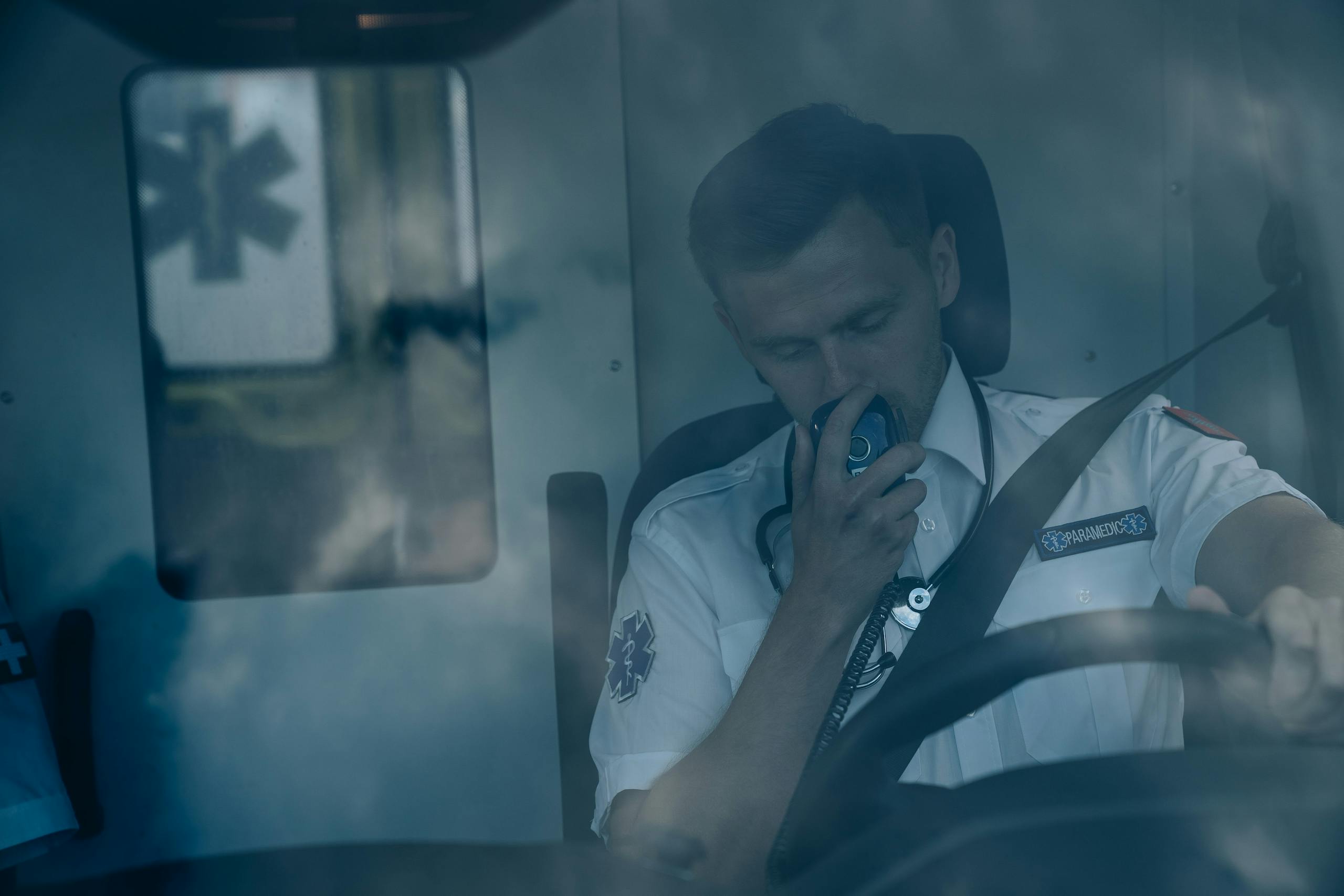
The first problem can be painfully simple. Help cannot arrive quickly if responders do not know where to go. In movies, location seems automatic, but real life is messier, especially with cell phones, apartment buildings, highways, parking lots, hotels, campuses, and rural roads.
A caller may know they are near a Walmart, a gas station, or a school, but not the street name. Panic can make familiar places feel strange. That is why callers should try to share their exact location as early as possible, including landmarks, apartment numbers, floor numbers, entrances, or nearby cross streets.
The Phone Gives a Bad Location
Many people assume a smartphone tells 911 everything. That belief can become dangerous. Wireless location systems can help, but they are not magic. Tall buildings, rural areas, weak signals, indoor spaces, and routing issues can make location data less precise than callers expect.
That is why the caller’s own words still matter. If you can speak, say where you are. Repeat the address if needed. Add the room, floor, business name, gate code, road marker, or nearby landmark. Technology can help route emergency calls, but callers should never assume the phone has already done the whole job.
Panic Takes Over the Conversation
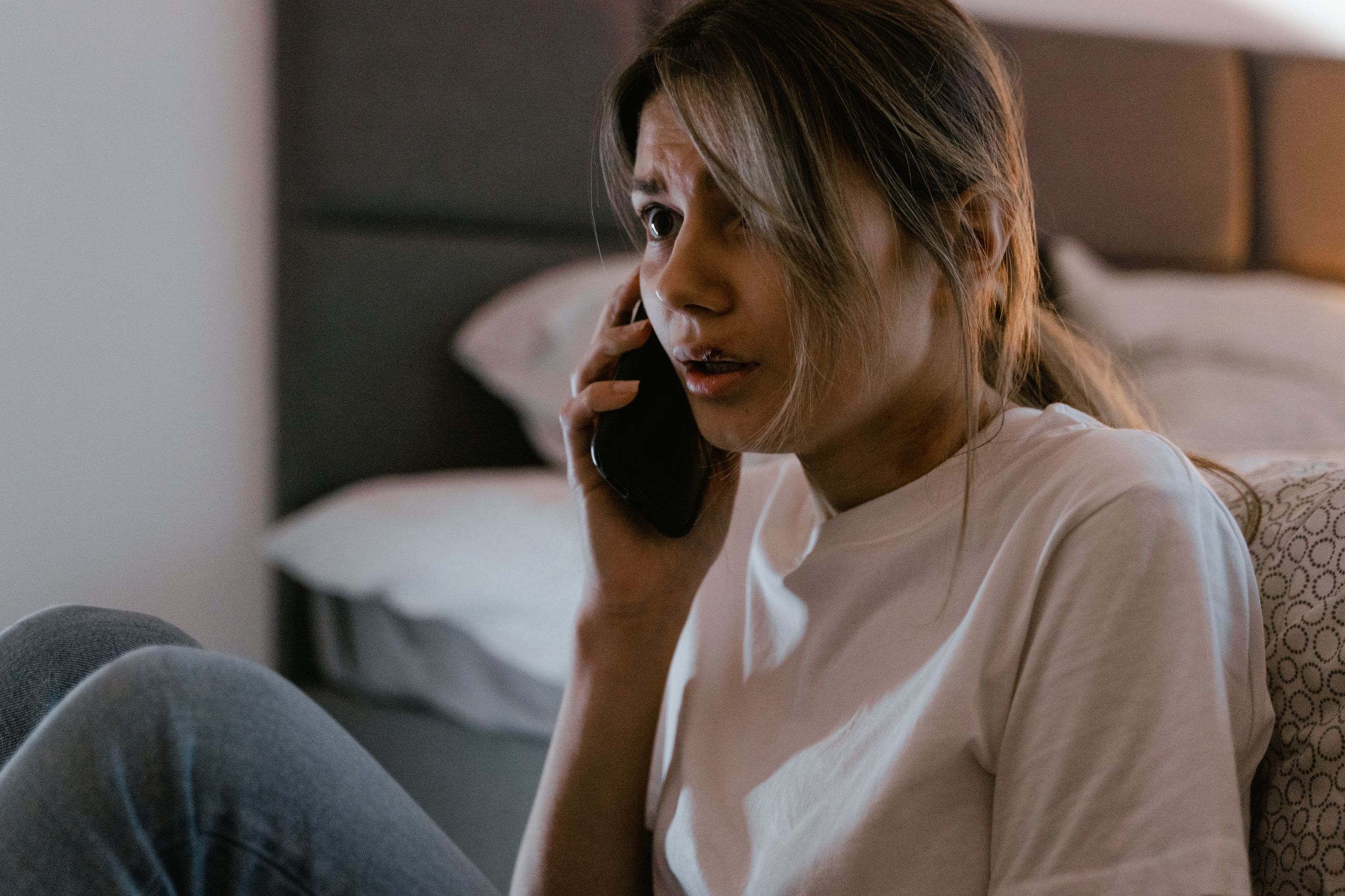
Fear can hijack the body. A person may scream, cry, repeat themselves, talk too fast, or forget basic facts. That does not make them weak. It makes them human. Emergencies flood the brain with pressure, and the mouth often runs ahead of clear thinking.
The problem is that dispatchers need usable information, not perfect speeches. A caller who can slow down long enough to answer basic questions gives responders a better chance. Even one clear sentence can change the call. “My father is not breathing in the bedroom at 214 Pine Street” is more useful than five panicked sentences with no location.
People Hang Up Too Soon
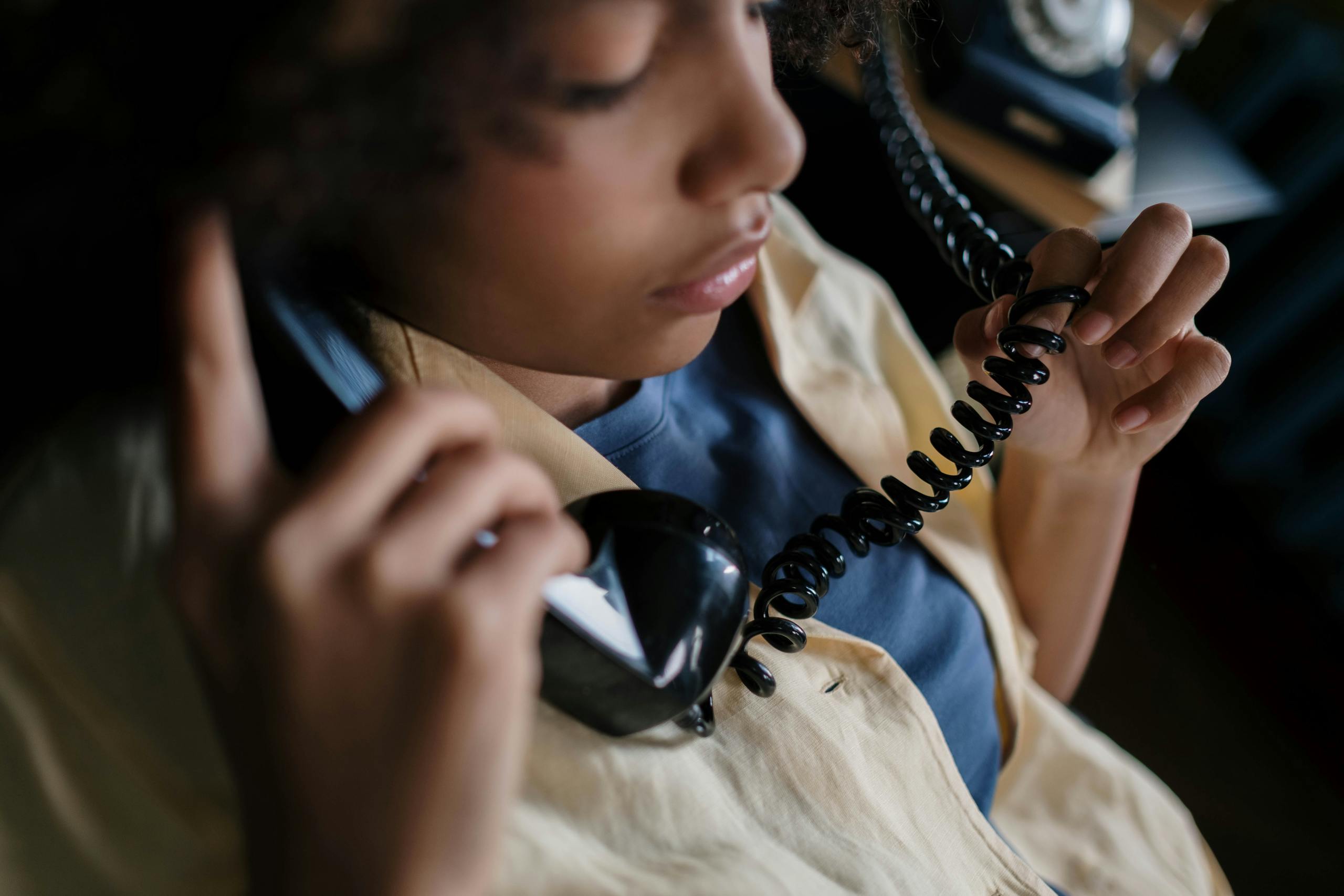
Some 911 calls go wrong because people hang up after dialing by mistake, after shouting for help, or after assuming the dispatcher already has enough information. Others panic when someone dangerous comes closer and disconnect before they can explain what is happening.
Hanging up can create more confusion. Dispatchers may have to call back to confirm the emergency or send limited information to responders. If someone dials accidentally, the better move is to stay on the line and explain that there is no emergency. That simple step can stop unnecessary confusion and keep emergency lines moving for people who truly need help.
Texting 911 Is Used the Wrong Way
Texting 911 can be life-saving when someone cannot safely speak, has a hearing or speech disability, or is trapped in a situation where a voice call could make things worse. But texting is not always as fast or as detailed as talking. Messages can be delayed, brief, misunderstood, or harder to clarify.
The safest rule is simple. Call if you can, and text if you cannot. A voice call lets the dispatcher hear background sounds, tone, urgency, and other clues. If texting is the only safe option, the message should be short and direct. Provide the location, the type of emergency, and whether police, fire, or medical help is needed.
The Caller Ignores Life-Saving Instructions
Some 911 calls go wrong because the caller is too frightened to follow instructions. That can happen during choking, cardiac arrest, severe bleeding, childbirth, overdose, or a violent situation. The person may freeze, argue, or say they cannot do it.
That fear is understandable, but dispatchers can sometimes guide callers through urgent steps before help arrives. In a medical crisis, putting the phone on speakerphone can free both hands and allow the caller to listen while acting. In some emergencies, it may help to put the dispatcher on speaker and follow each step as calmly as possible.
The Caller Gives Too Much, Too Fast
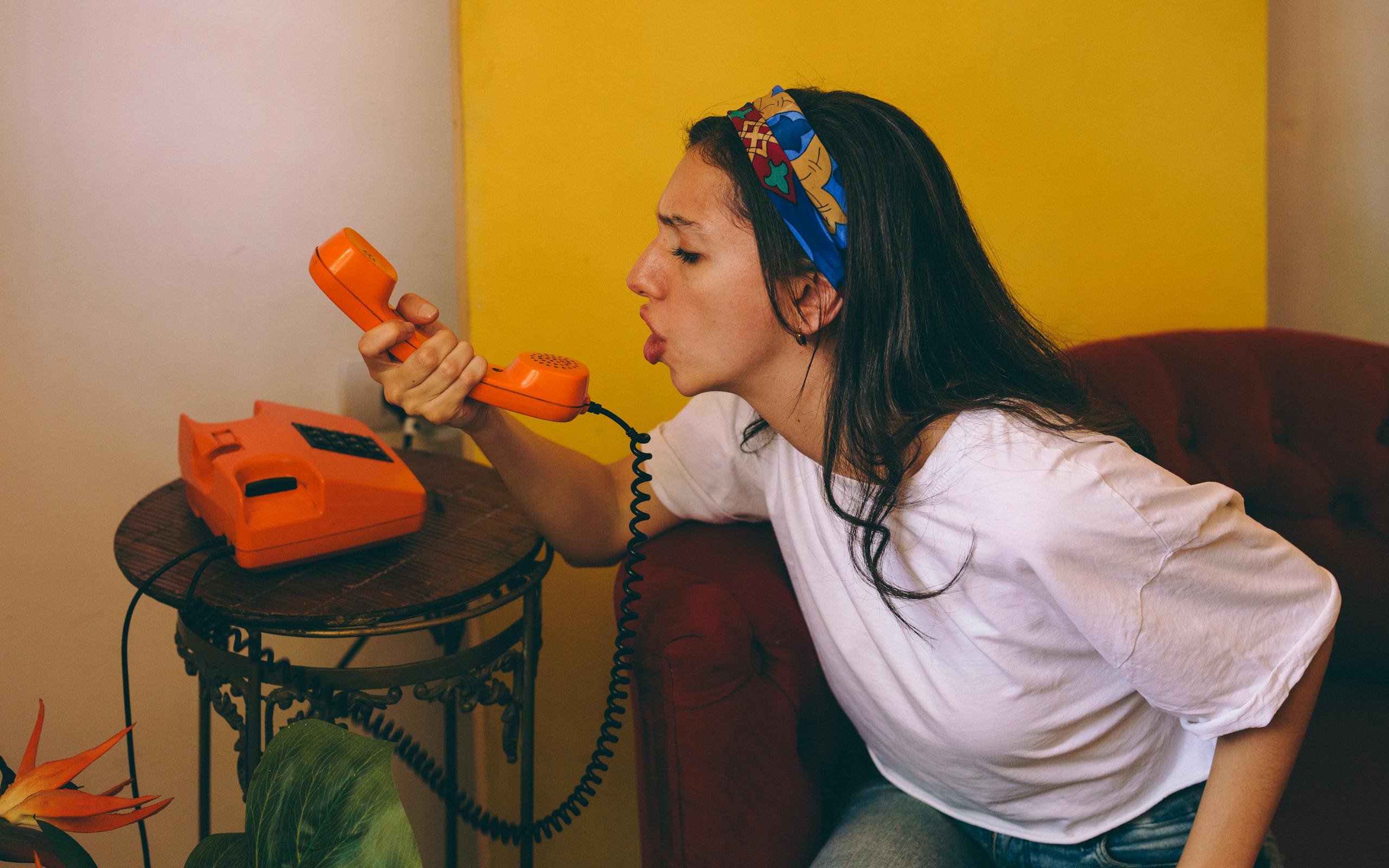
A caller may try to explain everything at once. The argument. The backstory. The medical history. The neighbor’s behavior. The last ten minutes. The problem is that emergency calls work best when the most urgent facts come first.
Dispatchers often need the location, the type of emergency, whether anyone is injured, whether there is danger nearby, and what is happening right now. Extra details may matter later, but they can slow the opening seconds if they come first. Clear answers help call takers respond to dispatch questions, even when the story behind the emergency feels complicated.
The Emergency Is Still Changing
Some emergencies do not sit still. A fire spreads. A suspect leaves. A person stops breathing. A fight moves outside. A child runs into the road. A caller may provide accurate information at first, only for everything to change before responders arrive.
That is why staying connected matters when it is safe to do so. The dispatcher may need updates. Are they still breathing? Did the car leave? Is the person still inside? Did the smoke move upstairs? A 911 call is not just a report. It can become a live bridge between the scene and the people rushing toward it.
People Call 911 for the Wrong Crisis
Not every frightening moment is the same kind of emergency. A person in immediate danger, a fire, a medical emergency, a crime in progress, or a serious accident belongs with 911. But some emotional crises may require support that begins elsewhere, especially when there is no immediate physical danger.
This distinction matters because the wrong call path can delay the right help from arriving. Some mental health, suicide, substance use, or emotional distress situations may need crisis support from trained responders before police, fire, or ambulance services are involved. In those moments, knowing where to find mental health crisis support can help families act more quickly and wisely.
Families Have No Emergency Plan
Many 911 calls become chaotic because no one in the home has ever discussed emergencies before one happens. Children may not know the address. An older parent may not know where medications are listed. A roommate may not know the gate code. A spouse may not know which hospital records matter.
Preparation sounds boring until the kitchen fills with smoke or someone collapses in the hallway. Families do not need a dramatic binder. They need basics. Address details, medical information, emergency contacts, allergies, medications, exit routes, and a plan for kids or pets. It helps to plan before emergencies happen, because panic is a terrible time to hunt for facts.
Conclusion
Some 911 calls go wrong fast because emergencies do not wait for people to feel ready. Panic rises. Phones fail. Locations blur. People hang up. Stories come out scrambled. The situation changes before help arrives.
Still, a better call can begin with a few steady habits. Know your location. Speak clearly. Stay on the line. Answer the questions. Follow instructions. Text only when calling is unsafe or impossible. Teach children their address before they ever need it.
911 is powerful, but it is not magic. It works best when the caller can provide dispatchers with concrete information to work with. In the worst of times, clear words can be the first rescue tool.