Canned chickpeas can do much more than wait for their next appearance in a salad. In recipe developer Nora Taylor’s Easy Chickpea Curry, they simmer with coconut milk, crushed tomatoes and mild curry paste before fresh lime juice finishes the sauce. The combination gives the beans a creamy, warmly spiced setting with a citrus lift, and it comes together in one pan.
Taylor’s recipe makes six servings and lists five minutes of preparation plus 15 minutes of cooking. That 20-minute estimate covers the curry, not cooking rice from scratch or making naan alongside it. The appeal is a manageable dinner built around canned ingredients, with enough fresh onion, garlic, lime and optional spinach to keep the result from feeling like a pantry compromise.
Coconut Milk and Lime Give the Chickpeas a Different Direction
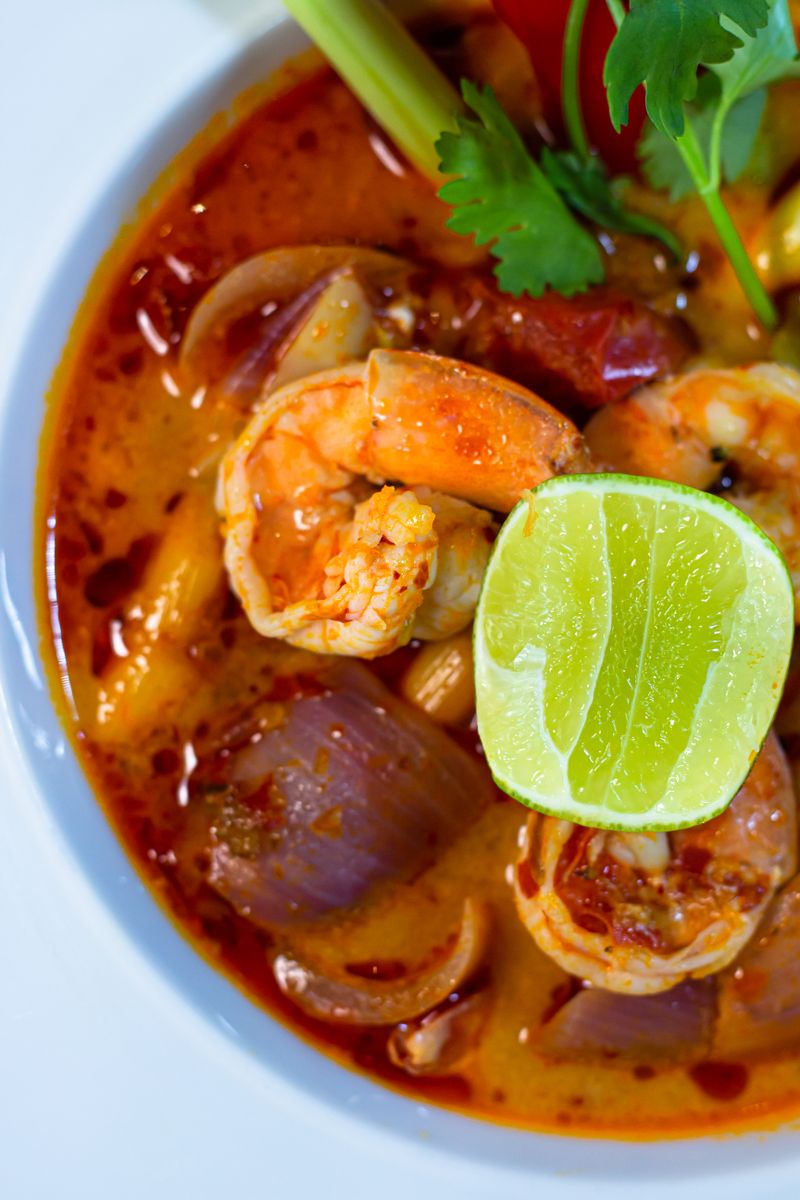
The contrast is the attraction here. Full-fat canned coconut milk supplies a rich, creamy sauce, crushed tomatoes contribute flavor and thickness, and lime arrives at the end. Taylor describes that final ingredient as essential to the finished effect: “Adds a pop of flavor that would be missed!” Her recommendation is to use fresh lime juice, with extra wedges available at the table for anyone who wants more.
Curry paste supplies much of the seasoning without requiring a cupboard full of individual spices. Taylor recommends Patak’s Mild Curry Paste,describing its flavors as mellow and Indian-inspired. Her recipe uses two tablespoons, cooked briefly with the garlic before the liquid ingredients enter the pan. That recommendation is specific: a differently seasoned or hotter paste may produce a different result, so the word “mild” should not disappear from the shopping list.
The dish’s identity deserves the same care. Taylor explicitly distinguishes it from chana masala, the Indian chickpea dish built around a spiced tomato sauce. “My easy coconut chickpea curry is inspired by Indian flavors, but is different than chana masala because it has coconut milk, making it rich and creamy,” she writes. This is an Indian-inspired home recipe, not a claim to reproduce every regional tradition associated with chickpea curries.
Canned chickpeas make the short cooking time possible because they are already cooked. Taylor drains and rinses two 15-ounce cans before adding them to the sauce. Home-cooked chickpeas are also permitted, but they need to be cooked beforehand; dried beans cannot replace the canned ones within the same brief simmer. That distinction keeps a convenient weeknight recipe from becoming an unexpectedly long bean-cooking project.
One Pan, a Few Cans and a Straightforward Simmer
For the full batch, gather two tablespoons of olive oil, one large sliced or diced onion, three minced garlic cloves and two tablespoons of mild curry paste. The canned ingredients are a 15-ounce can of crushed tomatoes, a 13.5-ounce can of full-fat coconut milk and the two cans of chickpeas. You also need the juice of half a lime, one teaspoon of sugar, one-half teaspoon of salt, plus more to taste, and two cups of baby spinach sliced into ribbons.
Start by heating the oil in a large pan over medium-high heat. Add the onion and sauté for about five minutes, then stir in the garlic and curry paste and cook for another one to two minutes. This initial stage gives the onion time to soften and distributes the paste before it becomes part of the sauce.The published method does not simply every ingredient into a cold pan at once.
Pour in the crushed tomatoes and coconut milk, then add the drained chickpeas. Bring the mixture to a boil, reduce to a simmer and cook for about 10 minutes, stirring occasionally. Finally, add the lime juice, sugar, salt and spinach, cooking for roughly another minute until the leaves wilt. The lime and greens are finishing ingredients in this version, rather than additions intended to simmer for the full cooking time.
That sequence leaves room to taste before serving. The stated salt quantity is a starting amount, with further adjustment allowed. A teaspoon of sugar is part of Taylor’s formula, meant to bring out the flavors, not to make the curry taste sugary. Follow the measured recipe on a first attempt before assuming it needs additional sweetener, another spoonful of paste or a large extra squeeze of lime.
Related: Why Some People Love Spicy Food, and Others Can’t Stand It, According to Science
Make It Your Own Without Losing the Easy Part
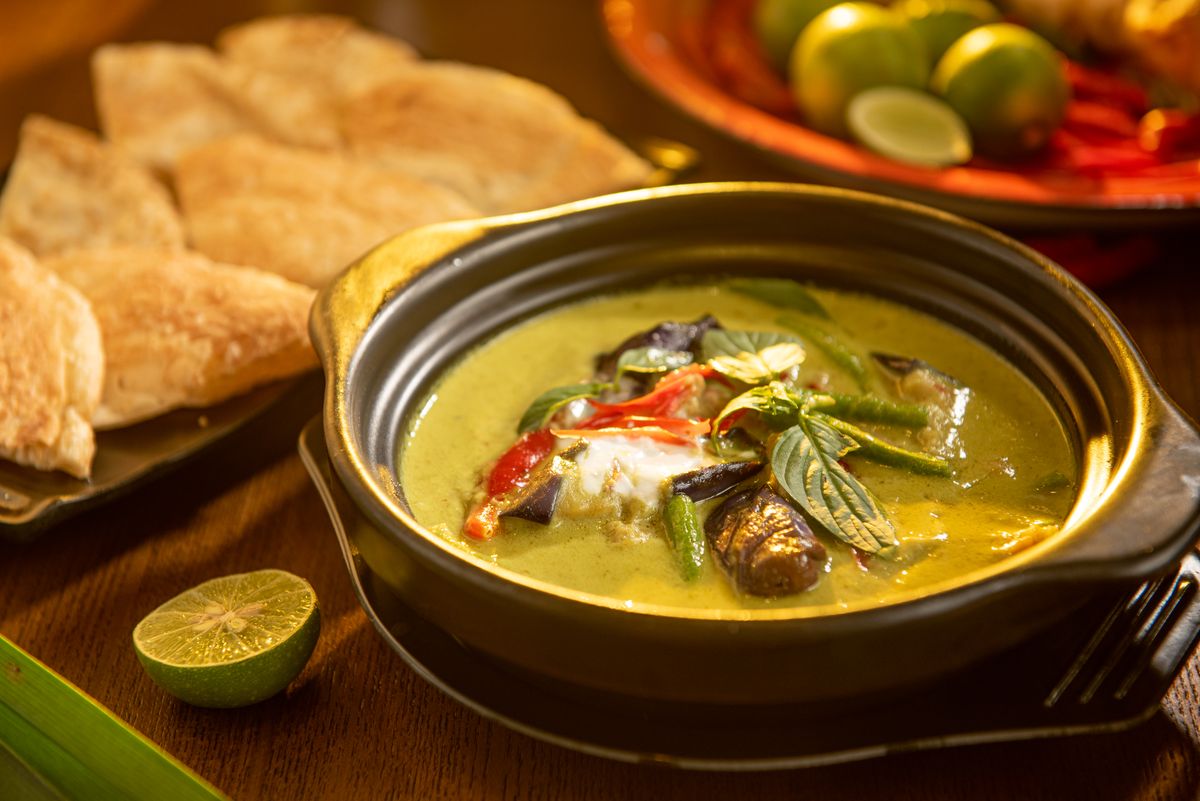
Full-fat coconut milk is Taylor’s first choice for creaminess, but her notes permit light coconut milk or cashew cream.She also lists unsweetened plant-based milk as an option, while making clear that the full-fat coconut version will be richer. These are supported substitutions, not promises of identical results. If the creamy coconut sauce is what attracted you to the recipe, start with the ingredient the author developed it around.
No curry paste? Taylor offers a specific dry-spice alternative: two teaspoons of garam masala, one-quarter teaspoon of turmeric and one-quarter teaspoon of cayenne pepper. Sauté them with the garlic, adding oil if needed. That is more useful than replacing the paste with an arbitrary amount of curry powder and expecting the same flavor. It also keeps the seasoning plan clear without pretending the alternative will taste exactly like the recommended paste.
Extra vegetables are welcome, but they can change the schedule. Taylor suggests sweet potatoes, carrots, cauliflower, zucchini or broccoli, added with the coconut milk and chickpeas and cooked until tender. Spinach or kale can go in near the end. A diced sweet potato will not necessarily become tender in the time needed to wilt spinach, so treat the original 20-minute estimate as belonging to the base recipe, not every expanded version.
Serve the curry with rice, quinoa or vegan naan, then finish with chopped cilantro and lime wedges if you like. Those accompaniments are separate from the one-pan preparation, so choose whatever suits the time you have. The result does not depend on a complicated garnish or an elaborate side spread: coconut milk, curry seasoning and a fresh lime finish give an ordinary can of chickpeas a distinctly different dinner assignment.
Other Post You Might Also Like
.Six Comfort Foods That Continue to Warm Our Hearts
.6 Protein-Packed Vegetarian Foods to Elevate Your Plant-Based Meals