Bananas are one of the easiest fruits to enjoy. They’re sweet, convenient, affordable, and versatile enough to appear in everything from breakfast bowls to homemade desserts. But as familiar as bananas are, not every food brings out their best qualities. Some combinations create unusual flavors, others affect texture, and a few can cause problems when foods are stored together.
You’ve probably heard warnings about certain foods that supposedly should never be eaten with bananas. Many of those claims are exaggerated or lack scientific support. In reality, most ordinary food combinations are perfectly acceptable. The bigger considerations often involve personal taste, freshness, preparation, and how ingredients interact in a recipe.
According to Harvard T.H. Chan School of Public Health, bananas continue ripening after they’re harvested, and their storage conditions can influence how quickly they soften. The USDA also explains that ethylene gas released by ripening produce can affect nearby fruits and vegetables.
So, which foods deserve a second thought? Here are five that may not always make the best companions for bananas, along with practical reasons and simple ways to pair them better.
Grapefruit
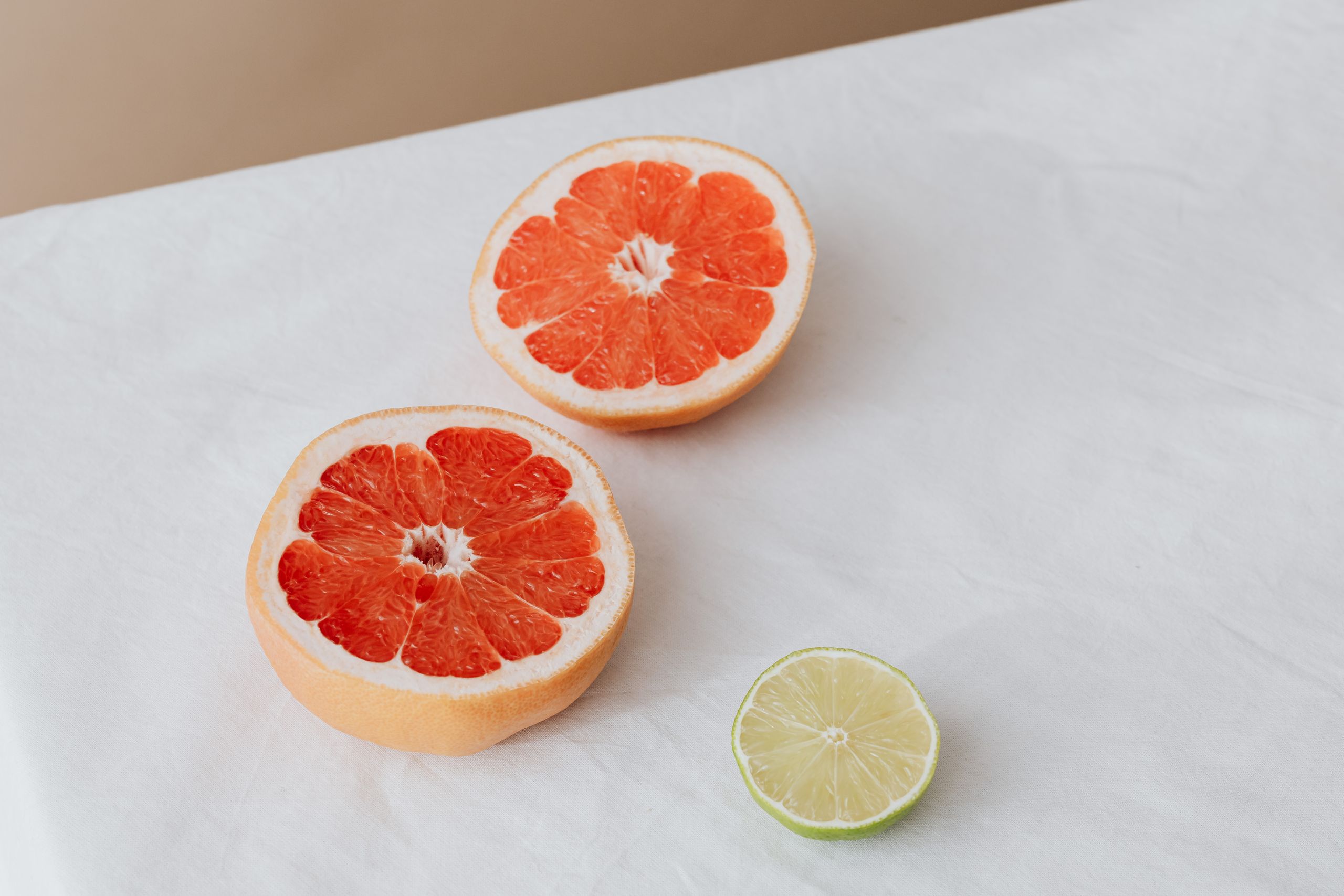
Bananas and grapefruit might seem like a natural match. After all, they’re both fruits, and combining different fruits is a familiar way to prepare breakfast or a refreshing snack.
However, their flavors can be surprisingly difficult to balance.
Bananas have a mellow sweetness and creamy texture, especially when fully ripe. Grapefruit, on the other hand, brings a distinctive combination of tartness, bitterness, and juiciness. When the two are served together, grapefruit’s sharper flavor can overpower the banana’s more delicate taste.
This contrast becomes especially noticeable in fruit salads. A few grapefruit segments can add enough bitterness to change the dish’s overall character, especially when the banana isn’t very ripe.
Texture also plays a role. Grapefruit releases a lot of juice when cut, while sliced bananas soften and become less appealing as they sit in liquid. A fruit salad prepared too far ahead of time may lose the fresh, distinct textures that made the ingredients attractive in the first place.
That doesn’t mean the combination is necessarily bad. Some people enjoy contrasting flavors, and banana can help mellow grapefruit’s tartness in blended drinks.
For a more balanced result, serve the fruits separately or add grapefruit just before eating.
There’s also an important distinction worth mentioning. The U.S. Food and Drug Administration warns that grapefruit can interact with certain medications. This concern involves grapefruit and the medication, not grapefruit mixed with bananas. Anyone taking affected medication should follow their pharmacist’s or healthcare professional’s advice.
Raw Onions
Raw onions and bananas aren’t ingredients most Americans would deliberately combine, but they can occasionally show up in experimental salads, savory fruit dishes, and unconventional homemade recipes.
The challenge is their dramatically different flavor profiles.
A ripe banana is sweet, soft, and relatively mild. Raw onions have a pungent aroma and a sharp flavor that can dominate neighboring ingredients. Without careful preparation, the onion may overwhelm the banana rather than complement it.
Texture can make the pairing even more unusual.
Raw onion delivers a firm, crunchy bite, whereas ripe banana is soft and creamy. Contrasting textures aren’t automatically undesirable, but this combination can feel disconnected when you chop and toss the ingredients together.
The banana’s ripeness also matters. Very ripe bananas are sweeter and softer, making the contrast with raw onion especially noticeable.
Still, bananas and onions are not inherently incompatible. In some savory preparations, particularly dishes using less-sweet cooking bananas or plantains, onions can contribute desirable flavor.
The difference lies in the recipe.
If you’re preparing a savory banana dish, cooking the onions first can soften their sharpness and develop a sweeter flavor. Firmer bananas may also provide a better texture.
For an everyday fruit salad, however, it’s probably best to leave out raw onions unless you’re intentionally creating a sweet-and-savory combination.
Dill Pickles
Pickles bring a tangy crunch to sandwiches, burgers, and countless American meals. Bananas, meanwhile, are more commonly associated with sweet snacks and desserts.
Putting them together creates a flavor combination that may surprise even adventurous eaters.
Traditional dill pickles typically feature vinegar, salt, garlic, dill, and other seasonings. Their pronounced acidity and savory flavor stand in sharp contrast to ripe bananas’ sweetness.
When eaten together, the pickle’s vinegar-forward taste can dominate the fruit. Meanwhile, the banana’s creamy texture may seem unusual next to the firm, crisp pickle.
Neither ingredient is necessarily unpleasant on its own. The challenge is that they occupy very different places in familiar American cooking.
Consider a banana-based dessert or fruit salad. Adding chopped dill pickles would introduce a sour, salty element that dramatically changes the intended flavor.
Even in sandwiches, where unusual combinations occasionally work, the pairing requires careful consideration of the other ingredients.
Of course, personal preferences vary. Some people enjoy sweet-and-sour combinations, and unconventional food pairings can become favorites precisely because they’re unexpected.
If curiosity gets the better of you, try a small bite before committing to an entire dish.
For a more familiar contrast, bananas often pair well with peanut butter, cinnamon, or toasted nuts.
The takeaway isn’t that pickles and bananas must never meet. Their competing flavors make them a less dependable combination for everyday recipes.
Blue Cheese
Cheese and fruit have a long history together. Familiar examples include apples and cheddar, pears and blue cheese, and grapes with assorted cheeses.
Bananas, however, present a different challenge, particularly when paired with strongly flavored blue cheese.
Blue cheese varieties are known for their assertive aromas, salty notes, and distinctive flavors. Some are creamy and relatively mild, while others are much sharper.
Ripe bananas have a softer, sweeter flavor that can disappear beneath a powerful cheese.
The combination can also become quite rich in texture. A very ripe banana paired with soft blue cheese may lack the crisp or firm element that makes many fruit-and-cheese platters appealing.
This doesn’t mean that cheese and bananas cannot work together.
Mild cheeses can complement banana-based recipes, and cream cheese is commonly used in banana desserts. Even blue cheese can work in a carefully planned dish, with additional ingredients that add contrast.
The problem usually appears when the ingredients are paired without considering their intensity.
For example, a cheese board with very ripe banana slices and a particularly pungent blue cheese might create competing flavors instead of a balanced bite.
If you’re interested in trying the combination, start with a small amount of milder blue cheese and pair it with something crisp, like a cracker.
Otherwise, save the stronger cheese for fruits whose flavors and textures suit your preferences more naturally.
Apples (When Stored Together)
Here’s a pairing that requires an important distinction.
Apples and bananas can taste wonderful together. They’re common ingredients in fruit salads, baked dishes, and blended drinks.
The potential problem isn’t eating them together. It’s storing them together when you’re trying to keep your bananas from ripening too quickly.
Both apples and bananas produce ethylene, a naturally occurring plant hormone involved in fruit ripening.
The USDA explains that ethylene helps fruits ripen and can contribute to undesirable changes in some stored produce.
Harvard’s Nutrition Source specifically recommends keeping bananas away from other ripe fruit to slow ripening.
That means placing ripe apples and bananas close together may not be the best choice if you want your bananas to remain firm for several more days.
The effect isn’t identical in every kitchen. Temperature, airflow, ripeness, and storage conditions all influence how quickly bananas change.
In fact, practical storage experiments reported by Serious Eats found that temperature played a particularly important role in banana ripening, while storing bananas near apples was less consistent than some popular advice suggests.
If your bananas are already turning yellow and you want them to last, store them away from other ripe fruit in a cool place out of direct sunlight.
But if you’re making breakfast, there’s no reason to avoid mixing fresh apple slices with bananas just because of how they store.
posts you may like:
The Incredible Health Benefits of Bananas