Planning a trip used to feel like a reward for surviving work stress, rising bills, and another year of trying to keep life together. You picked a destination, checked flights, imagined the food, and hoped the trip would feel easier than the routine you were escaping.
But for Americans, not every passport stamp feels simple anymore. In some places, the welcome can feel complicated by politics, safety warnings, visa restrictions, tense history, anti-U.S. sentiment, or the uncomfortable feeling that being American changes how people see you.
That is why countries that make Americans feel unwanted can be such an emotional topic. It is not always about ordinary citizens being rude. Often, it is about government rules, diplomatic tension, security risks, or the weight of American influence abroad.
This list is not a warning against entire populations. It is a look at places where American travelers may feel unusually watched, restricted, judged, or unwelcome because of bigger forces they did not personally create.
North Korea

North Korea is the clearest example because most Americans cannot simply decide to visit it, as they would with a beach vacation or a European city break. Travel with a regular U.S. passport is restricted, and entry without special validation can result in serious legal consequences.
That kind of barrier sends a blunt message before the trip begins. When a country is effectively off-limits for most Americans, the feeling is less like tourism and more like a closed door with geopolitical warning tape across it.
Iran
Iran has a rich culture, a deep history, and people known by many travelers for warmth and hospitality. Still, American visitors can feel caught inside decades of hostility between governments, sanctions, suspicion, and tense public narratives on both sides.
The risk is not just an awkward conversation. Official warnings about wrongful detention risks make Iran feel especially serious for U.S. citizens, including dual nationals, who may not be treated the way they expect.
Russia
Russia can feel heavy for American visitors because the political atmosphere is impossible to ignore. Tensions over war, sanctions, espionage claims, detentions, and diplomatic breakdowns can make an ordinary trip feel loaded with meaning.
Many Americans may worry that their nationality carries extra attention. When relationships between governments are strained, a traveler may feel less like a guest and more like a walking reminder of a rival country.
Venezuela
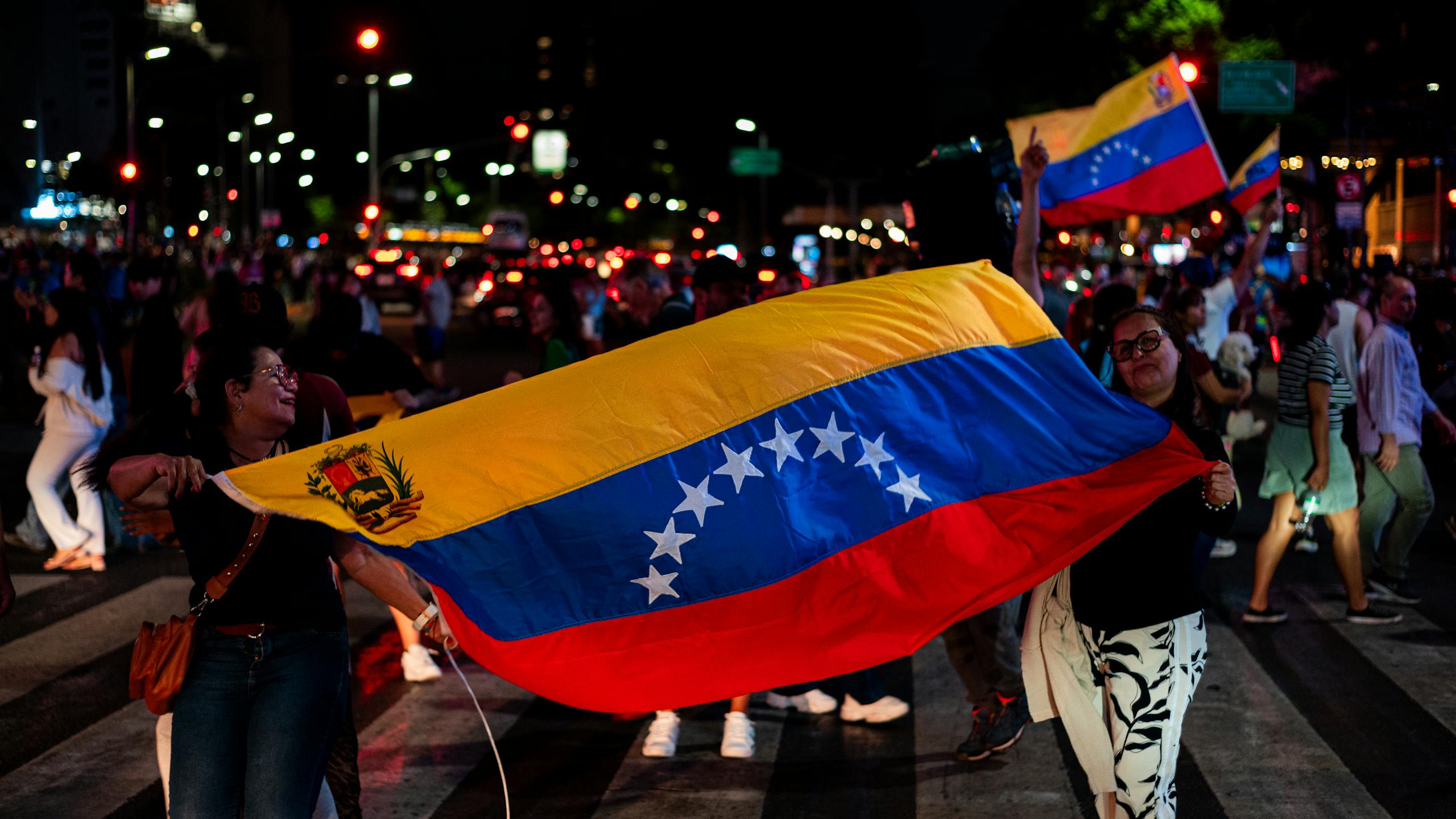
Venezuela is another place where the issue goes far beyond normal travel discomfort. Political conflict, strained U.S. relations, crime concerns, limited consular access, and detention risks can make American travelers feel exposed.
That feeling is intensified by the lack of easy support if something goes wrong. Reports on Americans detained abroad have pointed to Venezuela as especially concerning, and U.S. citizens detained there can become part of a much larger political story.
China
China is a major destination for business, study, family visits, and tourism, so it should not be treated like a place Americans never enter. Still, some visitors may feel uneasy due to surveillance, political tensions, internet restrictions, exit bans, and the intense rivalry between Washington and Beijing.
The discomfort is not always personal. Many Americans understand that views of China and the United States are shaped by competition, trade fights, technology disputes, and national security concerns, and recent U.S. views of China show how complicated that relationship remains.
Cuba
Cuba sits close to the United States geographically, but travel can still feel tangled in history. For many Americans, the island feels both familiar and forbidden, shaped by decades of sanctions, family separation, politics, and rules that complicate simple tourism.
That complexity can make Americans feel like visitors carrying paperwork as much as luggage. Travel-related transactions remain tied to authorized categories, and Cuba travel rules can make the trip feel less spontaneous than most Caribbean vacations.
Afghanistan

For many Americans, Afghanistan is not just another country on a map. It is connected to war, military service, trauma, evacuation images, refugee stories, and unresolved national memory.
That history can make an American presence feel emotionally charged. Even when ordinary Afghans are not hostile, the shadow of conflict can make travelers painfully aware that their passports represent years of intervention, loss, and political debate.
Syria
Syria’s history, cities, food, and culture have a deep pull, but years of war have made travel highly difficult and dangerous for many outsiders. For Americans, the added layer of U.S. policy, sanctions, security concerns, and diplomatic limits can make the country feel especially distant.
A visitor may not feel unwanted by regular people, but the conditions around travel can feel deeply unwelcoming. The larger regional risk picture is also stark, with conflict-affected countries ranking poorly in global peace rankings.
Yemen
Yemen has an extraordinary history and beauty, but years of conflict, humanitarian crisis, instability, and security threats make it a place most American travelers would struggle to approach safely. The issue is not casual dislike. It is danger, instability, and limited protection.
That can make Americans feel unwanted in a practical sense. If a destination cannot safely receive visitors and an American passport may draw attention rather than reassurance, the trip becomes less about curiosity and more about risk.
Turkey
Turkey remains a major travel destination, and many Americans visit without feeling unwelcome. Still, some may feel tension around political debates, U.S. foreign policy, regional conflicts, military history, religion, and public frustration with American influence.
That unease depends heavily on where someone goes and how they behave. Global polling has shown that views of the United States can vary sharply by country, and that views of America are not uniformly warm worldwide.