For many older adults, the family home represents more than a house. It holds decades of memories, independence, familiar routines, and a sense of identity. That is why leaving can feel like giving up something deeply personal.
But staying put isn’t always the financially simple choice it seems. A paid-off mortgage does not mean a home is free to maintain. Property taxes, insurance, utilities, repairs, transportation, home modifications, and eventual care needs can quietly turn a beloved house into one of the most expensive decisions of retirement.
The home may be paid off, but the costs are not.
Many retirees assume that once the mortgage is gone, housing costs become minimal. In reality, homeownership still costs money year after year.
A common rule of thumb is that home maintenance costs about 1% to 2% of a home’s value annually. For a $400,000 house, that can mean $4,000 to $8,000 per year for routine upkeep such as roofing, plumbing, HVAC servicing, landscaping, and appliance repairs.
Add property taxes, homeowners insurance, utilities, internet, and seasonal expenses, and even a mortgage-free home can cost thousands of dollars each year. One retirement housing analysis estimated average annual homeownership costs, excluding a mortgage, at about $15,900 in 2026.
Repairs do not wait for a convenient time.
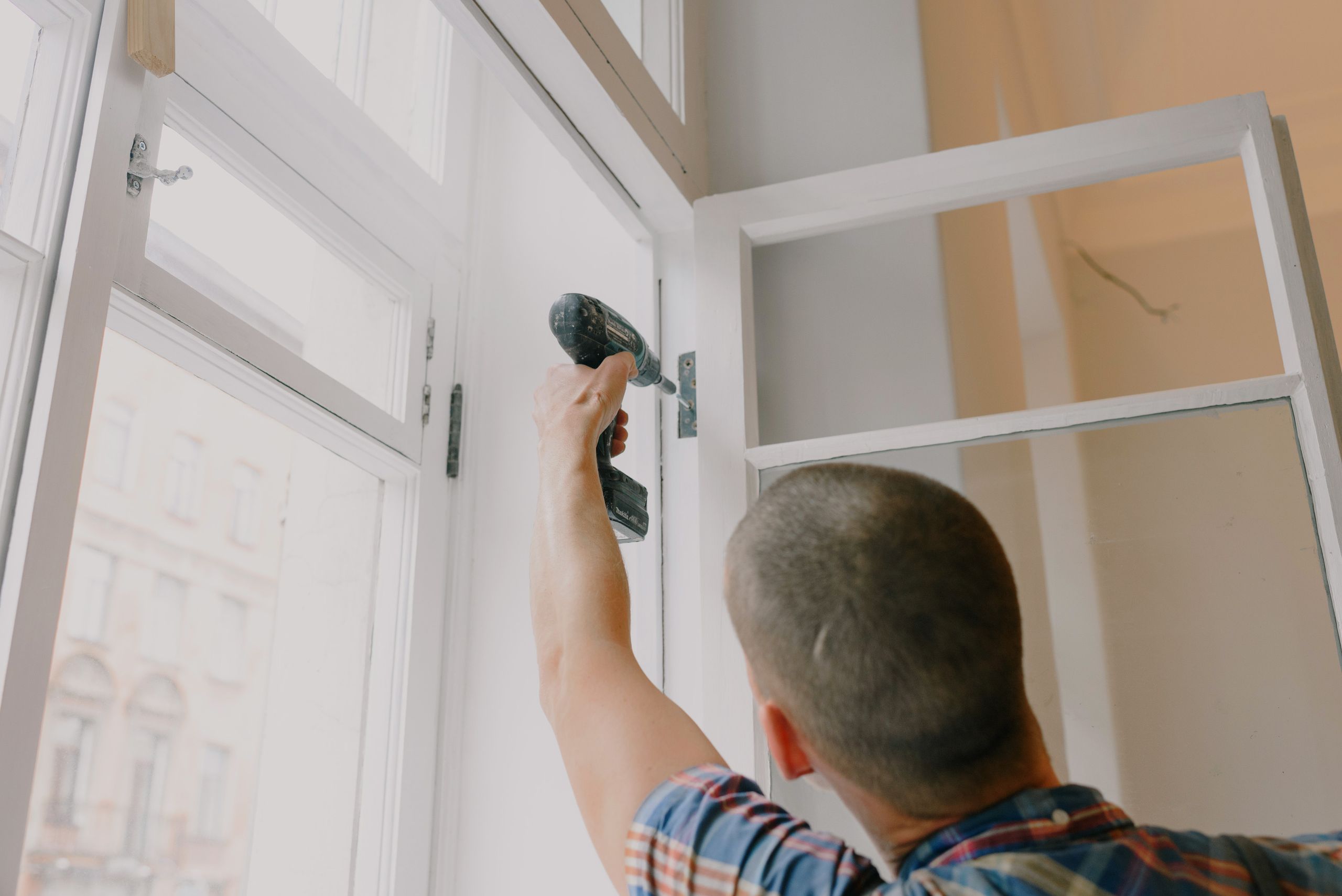
A furnace fails in winter. A roof begins leaking after a storm. A water heater gives out without warning. These are not optional expenses, and they often arrive when a homeowner least expects them.
Older homes can be especially vulnerable. An aging HVAC system may cost around $7,500 to replace, while replacing an old oil tank can range from $400 to $6,000. Deferred maintenance can make these problems worse, because a small repair left unaddressed may turn into a larger structural or safety issue.
For retirees living on a fixed income, one major repair can disrupt a carefully planned budget.
Aging in place often requires expensive changes.
The family home may have been perfect for raising children, but it may not have been designed for safe aging. Stairs, narrow doorways, high tubs, poor lighting, and slippery bathrooms can become serious hazards.
Modifications such as walk-in showers, ramps, widened doorways, stair lifts, and grab bars can cost anywhere from a few thousand dollars to more than $20,000, depending on the scope of work. Medicare generally does not cover these types of home renovations.
That means a homeowner may need to spend substantial money to make the same house safe enough to remain in.
Help at home adds up quickly.
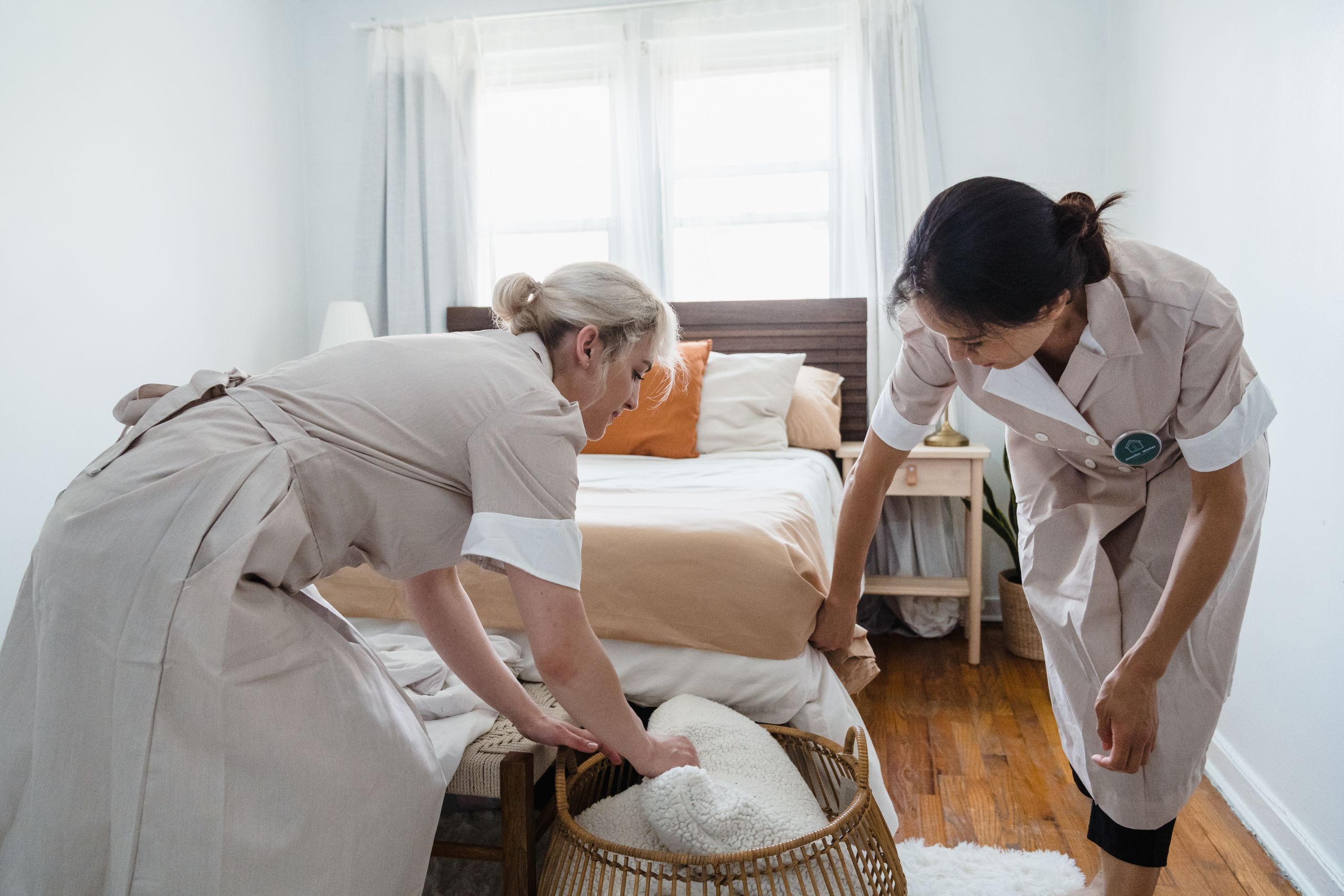
Many people plan to remain at home with help from family, neighbors, or paid caregivers. Family support can be invaluable, but it is not always sustainable, especially when adult children live far away, work full time, or have their own families to care for.
Professional home care can be costly. One report cited home-care aides at about $35 per hour, while another estimated the national average closer to $39 per hour. Even part-time help for cleaning, meals, transportation, or personal care can become a major monthly expense.
A modest package of home modifications, housekeeping, meal delivery, transportation, and part-time care can add up to roughly $36,000 a year.
The hidden cost of isolation
The financial cost of staying home is only part of the issue. A large house can become isolating when driving becomes difficult, friends move away, or health limitations make it harder to leave.
Transportation itself can become a recurring expense. Rides to appointments, grocery stores, and social activities may cost $20 to $40 per trip, potentially adding $300 or more per month.
Isolation can also affect health, increasing the need for support over time. A home that once provided independence may eventually create dependence if it is far from family, medical care, and daily services.
Moving is not always cheaper, but sometimes it is

Senior living communities are not automatically inexpensive, and moving should never be treated as the only answer. However, comparing the full cost of staying home with the full cost of moving can reveal surprises.
One industry analysis found that aging in place with modest home-health support cost about 30% more than independent living and nearly matched assisted living. That doesn’t mean everyone should move, but it challenges the assumption that staying home is always the least expensive option.
A smaller home, apartment, retirement community, or home closer to family may reduce maintenance, transportation, and care costs while making daily life easier.
The emotional side matters
Money is only one part of the decision. Leaving a longtime home can bring grief, fear, and a sense of lost control. Those feelings deserve respect.
The goal is not to force someone out of their home. It is to decide with clear eyes, not fear, guilt, or denial. A house should support a person’s life, not slowly consume their savings, safety, or independence.
Questions every family should ask
Before deciding to stay, families should look honestly at the home and the years ahead.
Can the homeowner safely manage stairs, bathrooms, and daily tasks? Who will handle repairs, yard work, snow removal, and emergencies? How far away is the nearest hospital, grocery store, and trusted family member? What happens if driving is no longer possible? How much money is available for future care?
Writing down the current monthly cost of staying, including taxes, insurance, utilities, maintenance, transportation, and help, can make the real numbers easier to see.