Nicholas Rossi built one of the strangest fugitive stories in modern American criminal justice, but the ending came in the place he had tried hardest to avoid: prison.
Rossi, also known as Nicholas Alahverdian, died after being taken from a Utah correctional facility to a local hospital. He was 38. At the time of his death, he was serving a cumulative sentence of 10 years to life for two rape convictions tied to attacks in Utah in 2008.
The case drew attention far beyond Utah because it was never only about a criminal charge. It became a yearslong story of false identity, international pursuit, disputed medical claims, a fake obituary, Scottish court hearings, extradition, DNA evidence, and two women who waited years for the justice system to catch up.
A Prison Death Ends the Nicholas Rossi Case
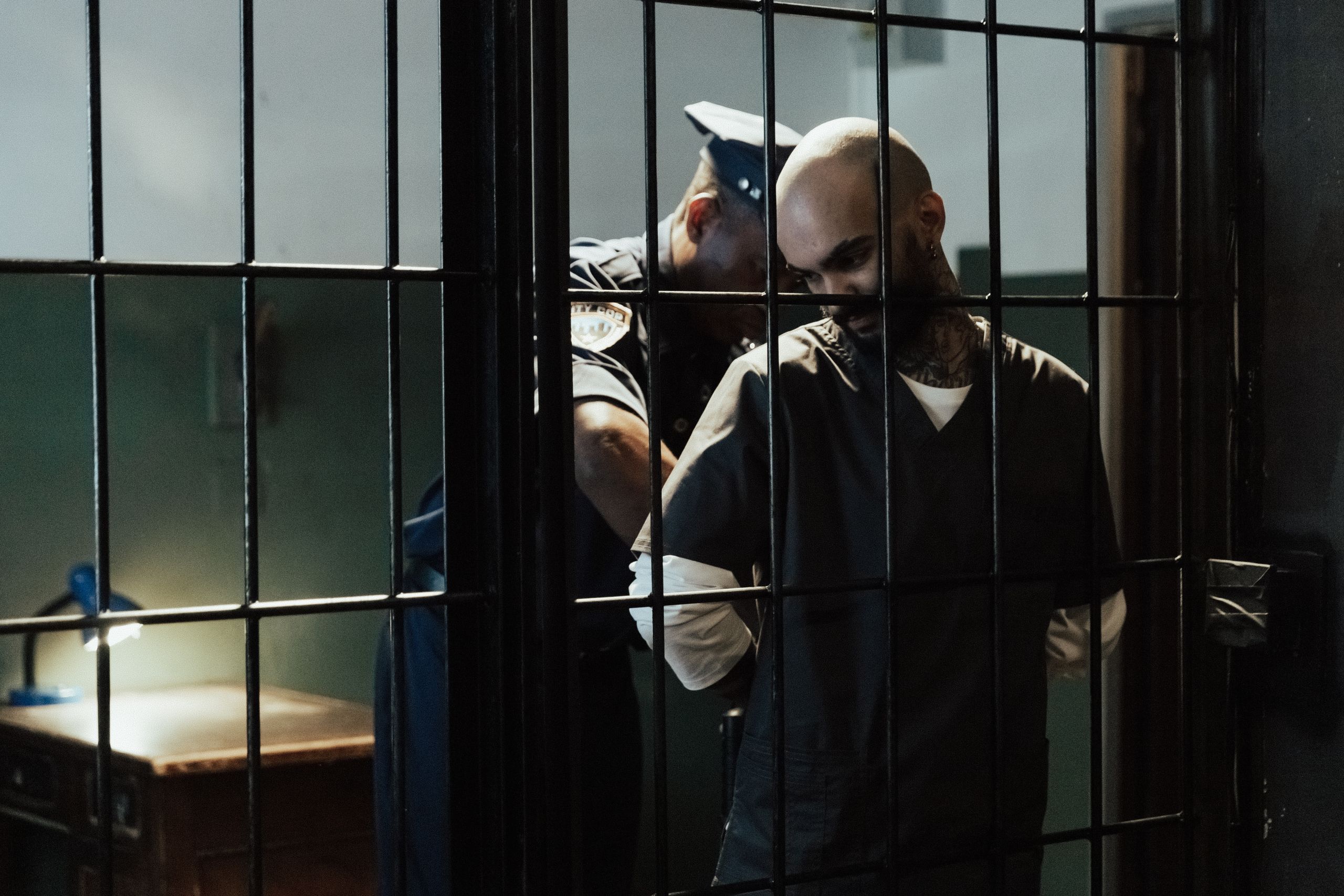
The Utah Department of Corrections said Rossi died from complications connected to an existing medical condition after he chose to discontinue medical treatment. Officials said his family and victims were notified before the public announcement.
That official wording brought a quiet, clinical close to a case that had been anything but quiet. Rossi had appeared in court using a wheelchair and oxygen, and officials did not release detailed information about his medical condition.
His death means he will not serve the full sentence imposed after his convictions. Yet the legal record that followed him into custody remains clear. He died as a convicted rapist, not as the victim of mistaken identity he repeatedly claimed to be.
Salt Lake County District Attorney Sim Gill described Rossi as a sexual predator who tried to escape accountability. That statement captured the larger theme of the case. Rossi’s final years were defined by the question of whether a man could outrun identity, evidence, and survivors who refused to disappear from the story.
The Fake Death That Failed to Close the Case
The most infamous chapter in the Nicholas Rossi case began with a death notice.
In 2020, an online obituary claimed Rossi had died on February 29 of non Hodgkin lymphoma. The notice appeared after authorities in Utah had already connected him to a rape investigation. For anyone casually reading it, the obituary might have seemed like the end of a troubled life.
But investigators, police in Rhode Island, people who had known him, and others familiar with Rossi were not convinced. Doubts grew because the timing was too convenient and the circumstances too strange. Instead of closing the file, the claimed death deepened suspicion.
That fake death story later became central to Rossi’s public image. It turned him from a wanted man into a symbol of how far a defendant might go to avoid prosecution. It also made the case harder for victims, who had already endured years of delay.
The obituary did not erase the evidence. It did not erase the DNA link. It did not erase the accusations from women in Utah. It only added another layer to a case that already involved deception, aliases, and a pattern prosecutors said showed manipulation.
From Rhode Island to Utah to Scotland
Rossi’s story stretched across states and countries.
He had roots in Rhode Island and was known publicly under the name Nicholas Alahverdian. He had also presented himself as an advocate and public figure before the criminal case fully caught up with him. Behind that public identity, investigators said, was a man who used multiple aliases and shifted identities when pressure increased.
Utah authorities began searching for him after DNA from an old rape kit connected him to a 2008 case. The state’s effort to process older rape kits helped reopen cases that might otherwise have remained unresolved for years. In Rossi’s case, that evidence became a turning point.
By the time the case moved forward, Rossi was no longer where authorities expected him to be. He had left the United States and surfaced in Scotland under another identity.
There, he insisted he was Arthur Knight, an Irish orphan who had never been Nicholas Rossi. He denied being the wanted American fugitive and claimed he was being framed. Those denials became the foundation of a long extradition fight.
Arthur Knight and the Scottish Courtroom Drama
Rossi’s time in Scotland transformed the case into an international spectacle.
He was arrested in Glasgow in 2021 while receiving treatment for COVID. Medical staff and authorities recognized distinctive tattoos that matched information connected to Rossi. Those tattoos, along with fingerprints and other identifying evidence, became central to the court battle over who he really was.
Rossi insisted he was not Rossi at all. He said he was Arthur Knight. He argued that authorities had mistaken him for someone else. He presented himself as a man caught in an elaborate conspiracy.
Scottish proceedings tested those claims. The court examined evidence about his identity, including tattoos and fingerprints. The claim that he was an Irish orphan rather than the American fugitive sought by Utah authorities did not hold.
The extradition fight delayed the Utah cases, but it did not stop them. Scotland eventually cleared the path for his return to the United States. In 2024, Rossi was extradited to Utah, where the cases that had followed him for years finally moved toward trial.
The Utah Rape Cases That Defined the Legal Record
The criminal cases against Rossi centered on two women and two rape convictions from 2025.
One case involved a woman who said Rossi raped her in an apartment after she went there to collect money he owed her. Another involved a woman who met him through a Craigslist personal ad. She testified that the relationship moved quickly, that he asked her for financial help, and that the situation became abusive.
These cases were not decided by rumor or public outrage. They went before juries and judges. Rossi faced trial. Evidence was presented. Witnesses testified. Jurors reached guilty verdicts.
In Salt Lake County, a jury found Rossi guilty in August 2025. The case involved a 2008 rape and testimony from the accuser and her parents. In Utah County, he was later convicted in a separate case involving another woman.
The sentences were imposed separately and ordered to run consecutively, creating the cumulative 10 years to life sentence he was serving when he died.
For the women involved, the convictions arrived after years of delay. The fake death claim, the flight overseas, the alias, and the extradition battle all extended the road to accountability. The verdicts did not erase what happened, but they did formally reject Rossi’s denials.
Why the DNA Evidence Mattered
The Nicholas Rossi case also shows why older rape kits matter.
Utah authorities connected Rossi to one of the cases through DNA evidence from a rape kit that was years old. That kind of evidence can sit in storage for years when systems are underfunded, backlogged, or slow to process sexual assault cases. When those kits are tested, they can reopen investigations long after victims were first told to wait.
In Rossi’s case, the DNA link helped revive a case from 2008. It gave investigators a way to connect the man they were looking for to evidence that had survived his movements, aliases, and claimed death.
That matters because fugitives often rely on time. They assume memories fade, records scatter, witnesses move on, and institutions lose focus. DNA evidence can interrupt that strategy. It can give a cold case new force.
The broader lesson is not only about one defendant. It is about the importance of maintaining evidence, testing old kits, and taking delayed reports seriously. A case that appears dormant can still hold proof.
A Case Built on Identity, Control, and Delay
Rossi’s defense strategy repeatedly leaned on denial.
He denied being Nicholas Rossi. He denied being guilty. He denied the women’s accounts. He denied the identity presented by authorities. At one point, he claimed he was Arthur Knight, a separate person with a different life story.
That pattern made identity the central battleground before guilt could even be addressed. Prosecutors and courts first had to establish that the man in Scotland was the same man wanted in Utah. Only then could the criminal cases move forward in the United States.
This made the case unusually complex. It was not simply a question of extraditing a suspect. It required courts to untangle a persona. It required law enforcement to prove that names, appearances, tattoos, fingerprints, and records all pointed to the same person.
The strategy bought time, but not freedom. By 2025, the trials happened. By late 2025, sentences were imposed. By June 2026, Rossi was dead in custody.
The Survivors at the Center of the Story
The most important part of the Nicholas Rossi case is not the fake obituary, the alias, or the courtroom theater. It is the women whose cases were finally heard.
High profile criminal cases often become fascinated with the fugitive. The disguise, the escape, the foreign arrest, and the strange claims can dominate headlines. But the legal reason Rossi was in prison was simple and serious: two rape convictions.
The women in the Utah cases carried the weight of delay for years. They saw the case stretch across borders. They saw Rossi insist he was someone else. They saw the legal system spend enormous energy proving his identity before it could fully confront his conduct.
That delay is part of the harm. Justice that takes years can still matter, but it asks survivors to relive trauma again and again. It also forces them to watch the accused control attention through spectacle.
Rossi’s death closes the prison chapter, but it does not close the larger conversation about sexual violence, delayed evidence testing, and the difficulty survivors face when a defendant has the resources or audacity to run.