Poop is the body’s least glamorous messenger, but it may be one of the most honest. One trip to the bathroom can reveal clues about hydration, digestion, fiber intake, gut bacteria, stress, medication, and even warning signs that deserve medical attention.
Most strange bathroom moments are not a reason to panic. A greasy meal, a new supplement, a stressful week, or a plate full of greens can change what shows up in the toilet. Still, when the change keeps happening, comes with pain, or includes blood, your body may be waving a much bigger flag.
Your Bathroom Schedule Has Changed
Some people poop every morning like clockwork. Others go a few times a week and feel perfectly fine. The real issue is not whether your schedule matches someone else’s, but whether it suddenly changes from your normal pattern.
If you are going much less often, your body may be asking for more water, more fiber, or more movement. Hard, dry,painful stool often points to constipation, especially when you feel like you still have more to pass. A few simple habits can help, but persistent constipation should not be ignored.
Frequent loose stool can tell a different story. It may come from a stomach bug, food intolerance, stress, medication, or an irritated gut. If diarrhea lasts, wakes you up at night, causes dehydration, or comes with blood or fever, it is time to stop guessing and get checked.
The Smell Is Suddenly Terrible
No one expects poop to smell pleasant, but there is normal bad, and then there is clear-the-room bad. A strong smell can come from garlic, onions, eggs, cabbage, broccoli, meat, alcohol, or a high-protein diet. Your gut bacteria break these foods down, producing gases that can make the odor much stronger.
A sudden awful smell after a heavy meal is usually not a crisis. The concern begins when the odor becomes persistent, unusually foul, greasy, or comes with cramps, bloating, diarrhea, or weight loss. That can point to poor digestion, infection, or trouble absorbing nutrients.
Medication can also change stool odor. Antibiotics may disturb the balance of gut bacteria, and some supplements can make poop smell sharper or stranger than usual. If the smell sticks around after the obvious cause is gone, your gut may be asking for help.
Your Poop Looks Like Hard Pellets
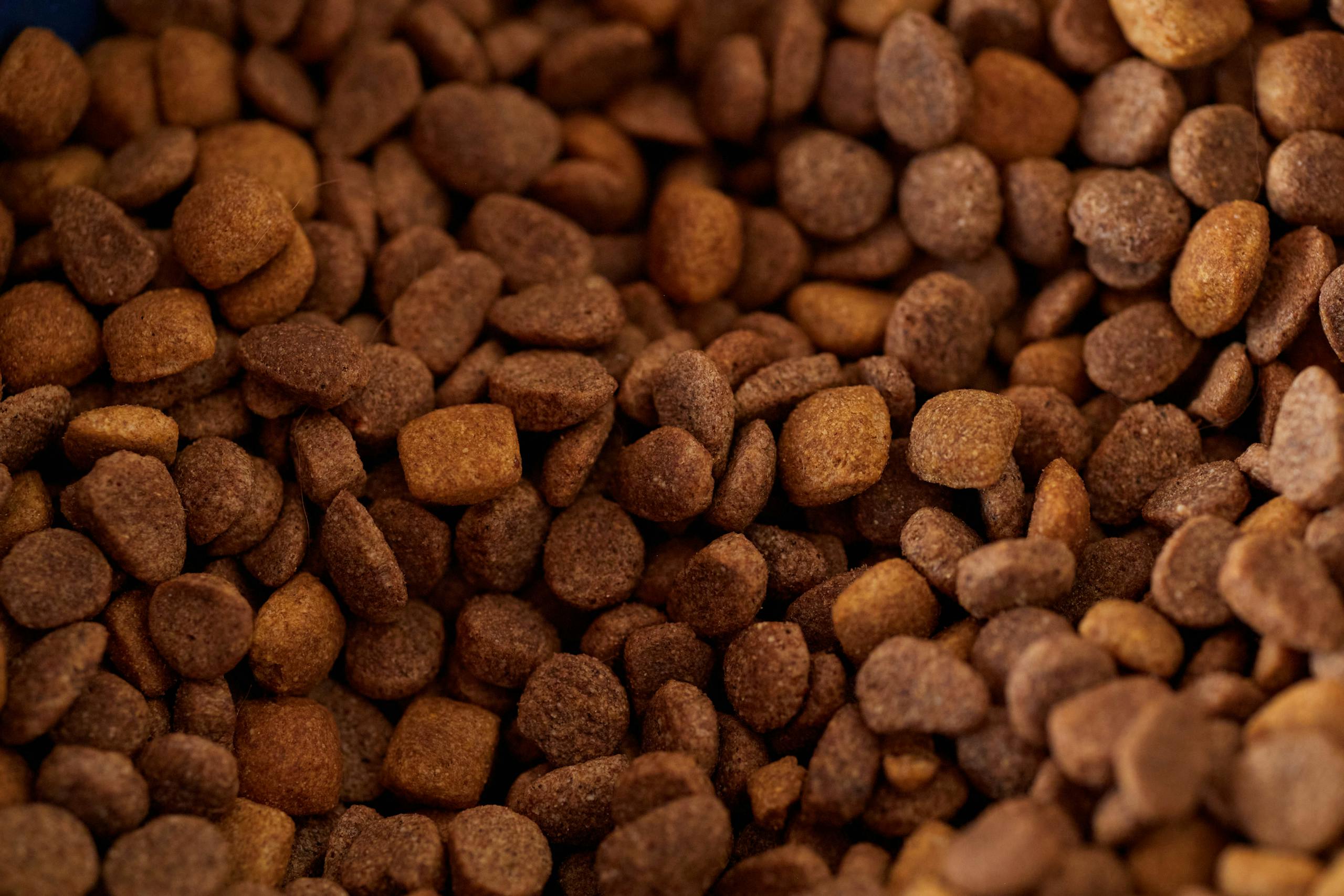
Tiny, hard pellets are usually a sign that stool has spent too much time in the colon. When that happens, the colon keeps pulling water out of the stool until it becomes dry, lumpy, and harder to pass. That is why this kind of poop often comes with straining.
Low fiber is one common reason. So, not drinking enough water, sitting for long hours, ignoring the urge to go, or eating too many processed foods. Travel, stress, and some medications can also slow everything down.
The fix usually starts with small daily changes. Add fiber slowly, drink more fluids, take walks, and give yourself enough time in the bathroom. If pellet-like stool persists for weeks, causes pain, or is accompanied by bleeding, it warrants medical attention.
Your Stool Is Too Loose or Watery
Loose stool can feel like your digestive system has hit the fast-forward button. Food and waste move through too quickly, so the colon does not absorb enough water before everything exits. That can leave you running to the bathroom more often than usual.
Sometimes the cause is simple. A rich meal, spicy food, too much caffeine, alcohol, stress, or a short-term infection can all loosen stool. Your gut may settle down once the trigger passes.
Watery diarrhea becomes more serious when it lasts more than a couple of days or comes with fever, blood, severe cramps, weakness, or dehydration. If you cannot keep fluids down or you feel dizzy, do not wait it out. Your body may be losing more fluid than you realize.
Your Poop Floats More Than Usual
Floating poop can look strange, but it is not always a danger sign. Sometimes stool floats because it contains extra gas. Beans, fizzy drinks, certain vegetables, and sudden increases in fiber can all create more gas in the digestive tract.
The red flag is a greasy, floating stool. If it smells unusually bad, looks oily, leaves a film in the bowl, or is hard to flush, your body may not be digesting fat properly. That can happen when bile flow, pancreatic enzymes, or nutrient absorption are not working as they should.
One floating stool after a heavy meal is usually not a big deal. Repeated floating, greasy, pale, or foul-smelling stool is different. If it comes with weight loss, fatigue, bloating, or diarrhea, it needs a closer look.
You Keep Seeing Undigested Food
Seeing food in your stool can be unsettling, but it is often harmless. Corn, seeds, tomato skins, leafy greens, nuts, and vegetable skins can pass through partly intact because they contain tough fiber that the body does not fully break down.
It may also mean you are eating too fast. When you do not chew properly, larger food particles enter the digestive system, increasing the likelihood that they will appear later. Your stomach and intestines can do a lot, but they are not magic blenders.
The concern grows when undigested food is often found in diarrhea, weight loss, bloating, weakness, or oily stool. That pattern may suggest food is moving too quickly or nutrients are not being absorbed well. If it keeps happening, your digestive system may need medical testing.
There Is Mucus in the Bowl

A small amount of mucus in stool can be normal. The intestines use mucus as a protective, slippery layer that helps stool move through more comfortably. You may notice it once in a while, especially after constipation or irritation.
More mucus can mean the gut lining is irritated. It may show up with diarrhea, cramps, urgency, or bloating. Stress, infections, irritable bowel issues, and inflammatory bowel conditions can all play a role.
Mucus becomes more concerning when it occurs frequently or is accompanied by blood, fever, severe pain, or ongoing diarrhea. At that point, it is more than a weird bathroom detail. It is a sign that your gut may be inflamed or reacting to something deeper.
The Color Looks Wrong
Brown is the usual color because bile changes as it moves through the digestive tract. Green stool can occur after eating leafy vegetables, consuming green food dye, taking iron supplements, or having faster digestion. Yellow stool may follow fatty foods, but repeated yellow, greasy, foul-smelling stool can suggest poor fat absorption.
Red stool can come from beets, red drinks, or food coloring. It can also mean bleeding from the lower digestive tract. Bright red blood on toilet paper may come from hemorrhoids or a small tear, but repeated bleeding should never be brushed aside.
Black stool can happen after iron supplements or some stomach medicines, but black, tarry stool may point to bleeding higher in the digestive tract. Pale, clay-colored, or white stool can suggest bile is not reaching the intestines properly. If the color change repeats or cannot be explained by food or medicine, it is worth checking.
You Notice Blood

Blood in stool is one of the clearest signs that your body is calling for attention. It may come from hemorrhoids, especially if the blood is bright red and appears after straining. Small tears near the anus can also bleed after hard stool.
Still, blood should not be treated like a normal bathroom surprise. Digestive inflammation, infections, ulcers, diverticular disease, polyps, and colorectal cancer can also cause bleeding. The source is not always obvious from appearance alone.
Seek urgent help if bleeding is heavy, stool is black and tarry, or you feel dizzy, weak, faint, or short of breath. Make a medical appointment if bleeding lasts more than a day or two, keeps coming back, or appears with weight loss, pain, fatigue, or a lasting change in bowel habits.
Travel Stops Everything
Travel constipation is real, and it can make a vacation feel much less glamorous. Your gut loves routine, so new meal times, new bathrooms, long flights, road trips, dehydration, and stress can slow everything down. Even ignoring the urge to go can make stool harder later.
Air travel can make it worse because people often drink less water and sit for long stretches. Road trips can do the same when bathroom breaks feel inconvenient. Add unfamiliar food and disrupted sleep, and your digestive system may decide to go on strike.
The best defense is boring but effective. Drink water, move when you can, eat fiber-rich foods, and give yourself bathroom time instead of rushing. If constipation becomes severe, lasts for weeks, or comes with vomiting, blood, intense pain, or inability to pass gas, it is no longer just a travel problem.
Conclusion
Poop may be awkward to talk about, but it is one of the simplest ways to notice changes inside the body. Texture, color, smell, size, frequency, and discomfort can all give clues about digestion, hydration, diet, stress, and possible illness.
The smartest approach is balance. Do not panic over every strange stool, but do not ignore patterns that keep repeating. If your poop changes suddenly, includes blood, turns black or pale, becomes greasy and foul, or comes with pain, fever, weight loss, or dehydration, your body is telling you to pay closer attention.
Source note: Medical details were cross-checked with current digestive health guidance on constipation symptoms, stool color, Bristol Stool Chart categories, and rectal bleeding warning signs.