Some chapters in America’s past do not stay politely in the past. They show up in court debates, family stories, street names, museum exhibits, documentaries, school board fights, and quiet conversations that still make people uncomfortable.
A country can build memorials and still avoid hard truths. It can issue apologies and still leave families wondering why accountability came too late. It can teach dates and names while skipping the emotional cost carried by real people.
That is why certain horrific moments in U.S. history still feel unresolved. The facts may be recorded, but the wound does not always close just because time passes.
These stories remain painful because they ask the same question in different ways: what happens when a nation remembers the tragedy but struggles to repair what made it possible?
Why Some Horrific Moments in U.S. History Still Feel Unfinished
A tragedy can be historically documented and still feel emotionally unsettled. That happens when survivors do not receive full justice, when communities lose wealth or safety, when official decisions go unpunished, or when later generations inherit the consequences. Time may soften headlines, but it does not automatically restore trust.
Unresolved history is not only about the past. It shapes how people understand the present. A neighborhood that was destroyed, a family that was denied justice, or a community that was forced to carry silence can affect politics, health, education, policing, and identity for generations. The story does not end when the event ends.
Tulsa’s Greenwood Still Carries the Weight of What Was Destroyed
The 1921 destruction of Greenwood in Tulsa remains one of the most painful racial terror events in American history. A thriving Black community, often remembered as Black Wall Street, was attacked by a white mob after rumors, racism, and violence collided. Homes, businesses, churches, newspapers, and family wealth were destroyed in a matter of hours.
The Tulsa Race Massacre still feels unresolved because the damage was not only physical. Families lost generational wealth, survivors carried trauma, and public silence lasted far too long. Even today, the story raises hard questions about reparations, mass graves, accountability, and what it means for a city to remember what it once tried to bury.
Wounded Knee Remains a Wound in Native History
The 1890 massacre at Wounded Knee sits near the end of a long period of military pressure, broken treaties, forced removals, hunger, and cultural destruction affecting Native communities. Lakota men, women, and children were killed by U.S. troops in South Dakota, and the event became a symbol of the violence that accompanied American expansion.
Wounded Knee still feels unresolved because it is not remembered by Native communities as a distant historical footnote. It is tied to land, sovereignty, grief, and survival. The event forces the country to confront how national growth was often built on the suffering of people whose descendants are still fighting to have their history told honestly.
Japanese American Incarceration Still Raises Questions About Fear and Rights
During World War II, more than 120,000 people of Japanese descent were incarcerated without trial in sites across the western United States and Hawaii. Many were American citizens who lost homes, farms, businesses, schooling, and years of ordinary life because fear and wartime suspicion overpowered constitutional promises. Families were forced to rebuild after being treated as threats by their own government.
The Japanese American incarceration still feels unresolved because apologies and reparations cannot fully return stolen time, lost property, or damaged trust. It remains a warning about what can happen when national fear makes entire communities vulnerable. The question still lingers whenever civil liberties are tested during a crisis: Who pays when the country panics?
Emmett Till’s Murder Still Haunts America’s Conscience
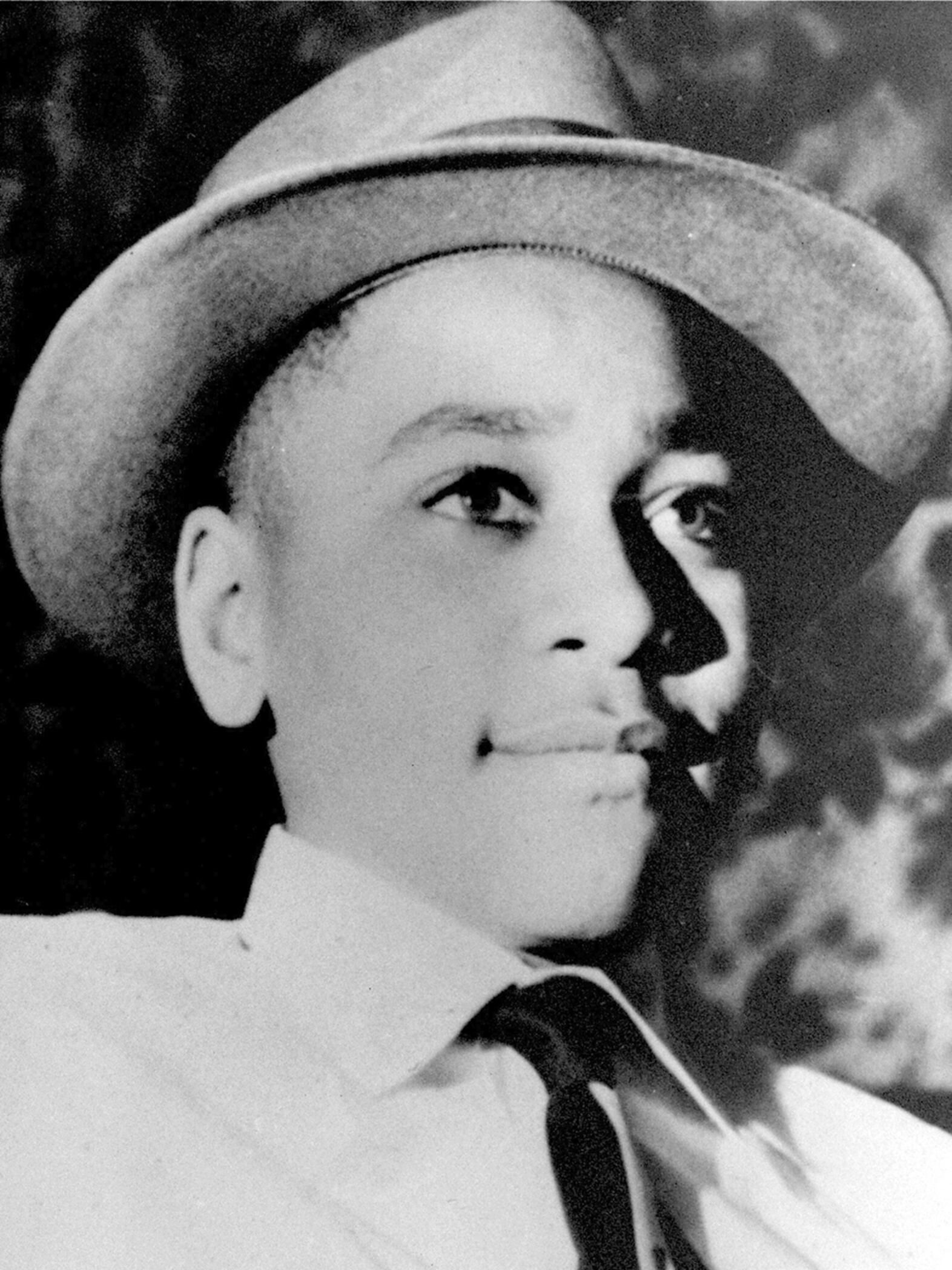
Emmett Till was 14 years old when he was murdered in Mississippi in 1955. His death became one of the most infamous acts of racial violence in the country and helped galvanize the civil rights movement. His mother’s decision to let the world see what had been done to her child forced America to confront the brutality that many wanted hidden.
The case still feels unresolved because legal justice never matched the moral weight of the crime. The Emmett Till case remains a symbol of racial terror, failed accountability, and a child’s death becoming a national awakening. For many Americans, the question is not only what happened then. It is why justice could be denied so openly and still echo so loudly today.
The MOVE Bombing Still Feels Almost Impossible to Process
In 1985, Philadelphia police dropped an explosive on a rowhouse occupied by MOVE, a Black liberation and back-to-nature group. The resulting fire killed people inside the house and destroyed a large part of the surrounding neighborhood. Residents nearby lost their homes, safety, and trust because an official response turned into a disaster for an entire block.
The MOVE bombing still feels unresolved because it was not simply a private crime or a natural disaster. It was a government action in an American city that devastated Black residents and raised lasting questions about policing, race, decision-making, and accountability. For many people, the most disturbing part is how long it took for the event to receive the national attention and moral clarity it deserved.
Tuskegee Still Shapes Medical Mistrust
The untreated syphilis study in Tuskegee ran from 1932 to 1972 and involved Black men in Alabama who were misled while researchers observed the disease. The study became one of the most infamous medical ethics failures in U.S. history. It damaged trust not only because of the harm, but also because it occurred under the authority of public health.
The study remains unresolved in the deeper sense because mistrust does not disappear with an apology. Families and communities remember what happens when medical power treats vulnerable people as subjects rather than as full human beings. The tragedy still shapes conversations about consent, racism, public health, and why trust must be earned rather than demanded.
Kent State Still Disturbs the Meaning of Protest and Power
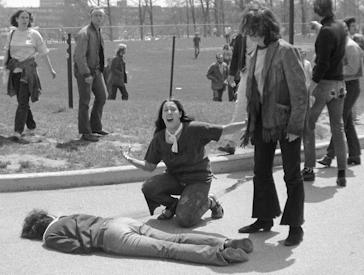
In 1970, members of the Ohio National Guard fired on students at Kent State University during protests connected to the Vietnam War era. Four students were killed, and nine others were wounded. A college campus became a national symbol of political division, state force, and the danger of escalation during public dissent.
The Kent State shootings still feel unresolved because they sit inside a larger American argument about protest, authority, war, and accountability. Students were not supposed to face gunfire on campus for being part of a political moment. The event remains haunting because it asks how a democracy should handle dissent when fear and force enter the same field.
Flint Made Families Question the Water From Their Own Taps
The Flint water crisis began after the city’s drinking water source changed in 2014, exposing roughly 99,000 residents to lead. Families were left asking whether the water they drank, cooked with, and gave to children had harmed them. The crisis became a national symbol of environmental injustice, government failure, and broken public trust.
The Flint water crisis still feels unresolved because the trauma did not end when attention moved elsewhere. Parents still remember the fear of bathing children, mixing formula, or turning on the faucet. The deeper wound is the feeling that ordinary residents had to fight to be believed about something as basic as water.
What These Unfinished Wounds Still Demand
These stories are different, but they share a painful pattern. People with less power paid the price when systems failed, when fear became policy, when racism shaped decisions, when officials delayed accountability, or when public memory arrived late. That is why the past keeps resurfacing.
These horrific moments are about what was denied, ignored, excused, or left unrepaired afterward. Remembering them well means refusing to turn pain into trivia. It means asking what justice, repair, and honesty should look like when the damage outlives the generation that first endured it.