Halloween is the season when grocery carts fill with chocolate bars, candy corn, lollipops, and bags of treats for trick-or-treaters. But with Halloween just around the corner, candy sales are trailing last year’s pace, raising questions about how much families are willing to spend on a seasonal tradition.
According to an Associated Press report, NielsenIQ found that Halloween candy sales fell 6.7% in the month ending October 17 compared with the same period a year earlier.
Higher candy prices and concerns about household budgets are contributing to the difficult shopping environment, although these early figures don’t tell the whole story.
Shoppers may already see the change in the candy aisle. Smaller bags are selling better than larger packages, and even non-chocolate sweets haven’t escaped the slowdown. Here’s what the latest findings reveal about this year’s Halloween shopping.
Candy Sales Are Lagging Behind Last Year’s Pace
The latest NielsenIQ figures suggest Halloween candy shopping started more slowly than in 2025. The reported 6.7% decline covers the month ending October 17, while an earlier AP figure showed an 11.7% drop in mid-September. Those figures cover different reporting periods and should not be treated as directly comparable measurements of a recovery.
The distinction matters because Halloween shopping is heavily tied to the calendar. Some households buy candy weeks in advance, while others wait until the final days before October 31. The available figures show an early-season slowdown, not proof that the holiday will end with lower overall sales.
Smaller Candy Bags Are Finding More Favor
One of the clearest patterns involves package sizes. NielsenIQ’s Chris Costagli told the AP that small bags were the only size category to grow through mid-October, while large and extra-large bags saw the steepest declines.
That could reflect shoppers trying to keep individual purchases manageable as everyday expenses compete for their attention. A smaller bag may cost less at checkout, even if it doesn’t offer the best price per ounce.
Still, buying less at once does not necessarily mean shoppers are getting better value. Without clear package-size definitions and matched unit-price comparisons, it’s impossible to tell whether smaller bags are more economical.
Candy Prices Have Climbed Faster Than Grocery Prices
The financial pressure behind the slowdown becomes clearer when looking at longer-term price changes. According to the AP’s report, candy and chewing-gum prices rose 44% over five years through September 2026, compared with a 22.5% increase in prices for food purchased at home.
A separate analysis from Ohio State agricultural economist Alexis Villacis found that the consumer price index for candy and chewing gum was 8.1% higher in August 2026 than in August 2025.
These figures cover different periods, but both show why shoppers may be scrutinizing seasonal treats more closely.
The candy category also includes products beyond chocolate, so the figures should not be interpreted as a chocolate-only price increase. However, for households buying several bags for parties, school events, or trick-or-treaters, rising prices can make the usual shopping list harder to justify.
Falling Cocoa Prices Have Not Solved the Chocolate Problem
Chocolate shoppers might expect retail prices to ease when cocoa becomes less expensive. Yet the link between raw ingredients and supermarket prices isn’t immediate.
Ohio State’s analysis reported that the World Bank’s monthly cocoa benchmark fell from $10.75 per kilogram in January 2025 to $5.95 in August 2026.
That decline is significant, but candy manufacturers and retailers also manage purchasing contracts, existing inventories, packaging, freight, production costs, promotions, and pricing decisions.
As a result, lower cocoa benchmarks do not automatically translate into cheaper chocolate bars or Halloween assortments. The ingredient market is only one part of the price shoppers see on store shelves.
Non-Chocolate Candy Has Not Escaped the Slowdown
Switching from chocolate to fruit-flavored sweets may seem like an easy alternative, but the numbers suggest non-chocolate candy faces its own challenges.
NielsenIQ reported an average price of $6.08 per pound for non-chocolate Halloween candy during the nine weeks ending October 17. That was about 3% lower than the previous year, yet the lower average did not increase sales.
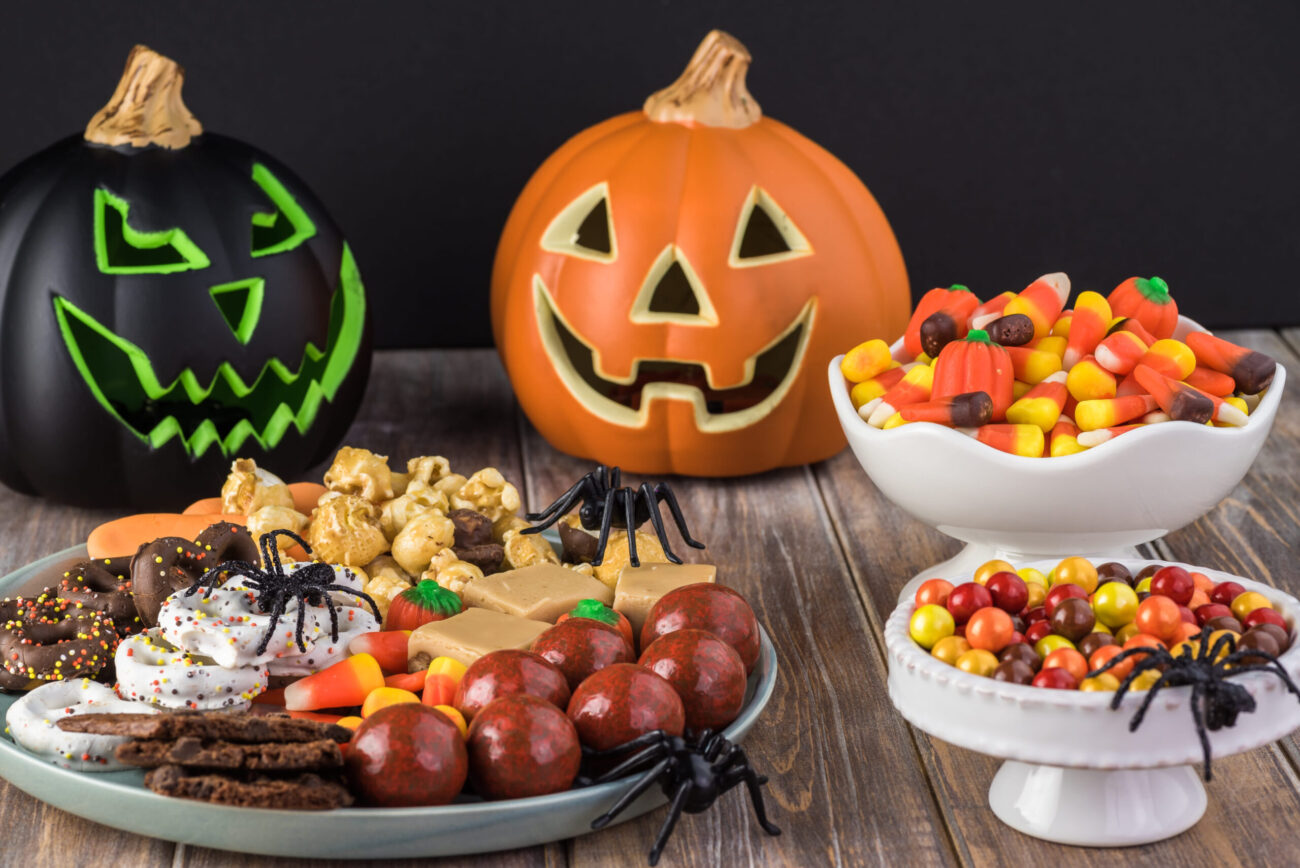
Gummies, lollipops, and candy corn remain options for shoppers looking beyond chocolate.
Dum Dums Original Flavor Mix Lollipops and Brach’s Halloween Classic Candy Corn are examples in this category, although broader market data do not show that either brand has experienced a sales decline.
The practical takeaway is that choosing a different type of candy does not automatically solve the budget problem. Package size, quantity, and the number of households or children being served all influence what makes sense for an individual shopper.
Related: For another look at how families are adjusting their shopping habits as grocery costs rise, read The Grocery Shopping Hack Going Viral as Atlanta Families Fight Rising Food Costs.
The Final Week Could Still Change the Picture
Halloween candy sales may not have peaked yet. Circana adviser Sally Lyons Wyatt suggested that some shoppers could be postponing purchases until closer to Halloween, while the National Confectioners Association told the AP that the industry was entering its busiest selling period and remained optimistic.
Another important figure to consider. Ohio State’s analysis summarized a National Retail Federation forecast of $13.5 billion in total planned Halloween spending, including $4.1 billion on candy.
Those numbers reflect spending intentions rather than completed purchases, so they cannot establish how much consumers will ultimately spend.
Total spending could also remain high even as shoppers buy fewer pieces or smaller quantities. Higher prices can push dollar totals upward even when the amount of candy moving through stores declines.
For now, the most defensible conclusion is that candy shoppers are showing signs of caution, but the final outcome remains uncertain.