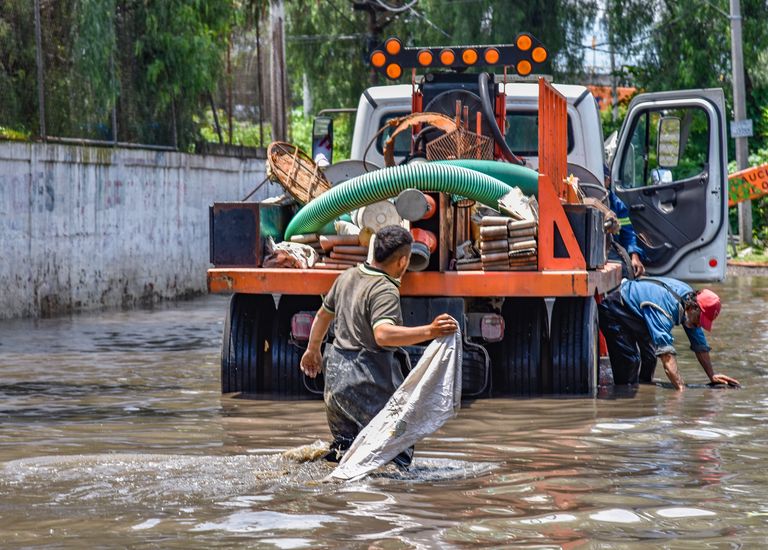
Debt in America does not always arrive like a thunderstorm. Sometimes it walks in quietly through a grocery bill, a car repair, a medical copay, a rent increase, or a credit card swipe that feels harmless in the moment.
Many families are not drowning because they bought too many luxuries. They are drowning because the price of ordinary life keeps climbing, wages do not always keep up, and credit has become the emergency fund many households never had time to build.
That is what makes this crisis so dangerous. Debt has become normal, but normal does not mean safe. When we accept monthly payments as a permanent part of life, we slowly trade freedom for survival.
If we want to avoid the same trap, we need to look at the real reasons Americans are drowning in debt. Then we need to build habits that protect our income before lenders, fees, interest, and financial pressure take control.
The Cost of Living Is Rising Faster Than Many Paychecks

The first reason Americans are drowning in debt is simple. Every day life has become expensive. Housing, food, insurance, energy, childcare, medical care, and transportation can take a huge share of income before a family even thinks about savings.
This is why many people use credit cards for basic needs. They are not always shopping recklessly. Some are covering groceries, gas, school supplies, prescriptions, and utility bills because their paycheck runs out before the month does.
The problem becomes worse when people build budgets based on old prices. A grocery budget that worked three years ago may no longer match reality. A car insurance payment that felt manageable can suddenly feel heavy after a renewal. Rent can jump, repairs can hit, and one higher bill can push the whole budget into credit card territory.
We avoid this by budgeting with current prices, not wishful thinking. We need to review our spending every month, update our categories, and accept the numbers as they are. A budget that tells the truth is more useful than a beautiful budget that cannot survive real life.
Credit Cards Make Borrowing Feel Too Easy
Credit cards are one of the fastest ways Americans fall into debt because they make spending feel painless. A swipe, tap, or saved card can turn a tight month into tomorrow’s problem. That feels helpful until interest starts growing.
The danger is that credit card debt often starts small. A few meals out, a tank of gas, a birthday gift, and a small emergency can add up. Then the balance carries over. Then interest joins the bill. Then the minimum payment becomes a monthly guest that refuses to leave.
Credit cards become especially dangerous when we treat them as extra income. A card limit is not money. It is access to borrowed money, and borrowed money always comes with rules. When interest rates are high, those rules can punish us for years.
We avoid this by using credit cards only when we can pay the full balance. If we cannot clear the charge when the statement arrives, the purchase is probably too expensive for the current budget. That rule may feel strict, but it keeps credit from becoming a trap.
Emergency Expenses Push Families Into High-Interest Debt

Many Americans are one unexpected bill away from debt because they lack sufficient emergency savings. A broken transmission, dental bill, hospital visit, job cut, home repair, or urgent travel need can destroy a month’s budget in one afternoon.
The painful part is that emergencies do not wait until we are ready. They arrive during busy weeks, slow seasons, holidays, layoffs, family stress, and already tight months. Without savings, people reach for credit cards, payday loans, personal loans, or payment plans.
That is how one problem becomes many. The original emergency may pass, but the debt remains. Interest grows. Minimum payments squeeze the next month. Then the household has less money to save, which makes the next emergency even more dangerous.
We avoid this by building an emergency fund before chasing a perfect financial life. The first goal can be small, even a starter fund that covers minor shocks. Over time, we should grow it until it can cover several months of essential expenses. Emergency savings is not boring money. It is protection.
Student Loans Delay Financial Stability
Student loans are another major reason Americans are drowning in debt. Many borrowers begin adult life already owing money before they own a home, build strong savings, or earn the income they expected after graduation.
The issue is not always the loan itself. Education can open doors. The problem arises when the payment is too large relative to the borrower’s real income. A student loan can sit beside rent, car payments, food costs, insurance, medical bills, and credit card balances until the monthly budget feels trapped.
Student debt can also delay life goals. People may postpone buying a home, starting a business, getting married, having children, changing careers, or saving seriously for retirement. The loan becomes more than a bill. It becomes a quiet force shaping major decisions.
We avoid student loan trouble by understanding the full cost before borrowing and reviewing every repayment option after borrowing. We should know the interest rate, payment plan, forgiveness possibilities, hardship options, and payoff timeline. Debt becomes more dangerous when we ignore it.
Car Payments Have Become Too Heavy for Many Budgets
For many Americans, a car is a necessity. People need it to get to work, take children to school, shop for groceries, and reach medical appointments. That makes auto debt easy to justify, even when the payment is too large.
The problem is that the car payment is only one part of the cost. Insurance, gas, repairs, registration, tires, maintenance, parking, and interest all matter. A vehicle can look affordable in the showroom and still become a budget killer once the full cost is factored in.
Long loan terms make this worse. A longer term can lower the monthly payment, but it keeps the borrower in debt for more years. It can also create negative equity, where the driver owes more than the car is worth. That makes it harder to sell or trade without carrying old debt into a new loan.
We avoid this by buying transportation rather than status. The best car is not always the one a lender approves. It is the one we can afford without sacrificing savings, groceries, insurance, and peace of mind.
Medical Bills Can Turn Health Problems Into Money Problems
Medical debt is one of the most unfair reasons Americans fall behind. A person can be responsible, insured, employed, and careful, yet still receive a bill that wrecks the budget. Health emergencies do not ask if the savings account is ready.
Even with insurance, households may still face deductibles, copays, prescription costs, specialist visits, ambulance fees, dental bills, vision costs, and out-of-network charges. These expenses can force people to choose between paying the bill, using savings, or borrowing.
Medical debt also carries emotional weight. People often feel shame, even though illness is not a personal mistake. A hospital bill is not the same as a luxury purchase. Still, the financial pressure is real, and it can push people into high-interest credit if they panic.
We avoid the damage caused by medical debt by slowing the process. We should ask for itemized bills, check for errors, request financial assistance, negotiate payment plans, and avoid putting large medical bills on high-interest cards unless there is no better option.
Buy Now, Pay Later Plans Make Small Purchases Add Up Fast
Buy now, pay later plans feel harmless because they split purchases into smaller payments. That makes expensive items look easier to handle. The danger is that several small payments can quietly become one big problem.
This kind of debt changes the way we think. Instead of asking if we can afford the full price, we focus on the smaller installment. That makes spending feel lighter than it really is. A $200 purchase feels like $50, even though the full cost has not changed.
The real trouble begins when payments stack. One plan for clothes, another for furniture, another for electronics, another for gifts, and another for household items can create hidden debt. The payments may come from different apps and dates, making them harder to track.
We avoid this by treating installment plans like real debt. If we do not buy the item in full today, we should be careful not to split it into pieces. Smaller payments do not mean smaller costs. They only spread the pressure across future paychecks.
Lack of Financial Planning Lets Debt Grow in Silence

Debt grows fastest when people stop looking at the numbers. Many Americans avoid statements, skip budget reviews, ignore interest rates, and hope things will improve next month. That silence gives debt more room to expand.
Without a plan, money becomes reactive. We pay whatever screams loudest first. We cover the urgent bill, make the minimum payment, swipe the card, delay savings, and promise to fix it later. Then, later, they arrive with new bills.
Financial planning does not need to be complicated. We need to know what comes in, what goes out, what we owe, what costs the most interest, and what must change first. Clarity turns debt from a monster into a list of problems we can attack one by one.
We avoid long-term debt trouble by creating a simple weekly money routine. Review balances, track spending, check due dates, update the budget, and choose one debt target. Debt hates attention because attention exposes the pattern.
How We Can Avoid Drowning in Debt
Avoiding debt starts with honest numbers. We need to list every debt, including the balance, interest rate, minimum payment, due date, and lender. This step can feel uncomfortable, but it gives us control. Debt is scarier when it is blurry.
Next, we need to create a budget that prioritizes essentials. Housing, food, utilities, transport, insurance, medical needs, and minimum debt payments should come before wants. After that, we should build emergency savings, even if the first goal is small.
Then we need a payoff method. The debt avalanche method targets the highest-interest debt first and saves more money over time. The debt snowball method attacks the smallest balance first and builds motivation faster. The right method is the one we will actually follow.
Finally, we must stop adding new high-interest debt while paying off old balances. That may mean freezing cards, deleting shopping apps, canceling subscriptions, cooking more meals at home, delaying upgrades, selling unused items, or adding temporary income. Debt freedom requires a plan, but it also requires changed behavior.
Conclusion
Americans are drowning in debt because the cost of ordinary life has become harder to carry. Credit cards, student loans, medical bills, car payments, emergency expenses, installment plans, and weak financial planning all pull from the same paycheck.
The good news is that debt does not have to control the future. We can take back control by facing the numbers, building emergency savings, paying down high-interest balances, avoiding new debt, and making every dollar work with a purpose.
The strongest move is not pretending the pressure is normal. The strongest move is building a money system that protects us before debt gets a chance to grow. When we stop reacting and start planning, we begin to move from financial survival to financial freedom.