A well-stocked pantry can save dinner when the fridge looks empty, you put off grocery shopping, or you don’t feel like cooking from scratch. And while fresh ingredients have their place, canned foods deserve a little more appreciation for the convenience they bring to everyday meals.
The best canned foods aren’t necessarily the fanciest or most expensive. They’re the ones you can turn into several different meals without much effort. From hearty beans to flavorful tomatoes and ready-to-eat fish, these 10 canned staples are worth keeping within reach.
Canned Beans

Few pantry staples work as hard as canned beans. Whether you prefer black beans, kidney beans, chickpeas, or cannellini beans, you can almost always work them into dinner.
Black beans are perfect for tacos, burritos, and rice bowls. Kidney beans belong in a good pot of chili, while chickpeas work well in salads or blended into homemade hummus.
The biggest advantage is convenience. You don’t have to soak them overnight or spend hours cooking them. Just drain, rinse if you like, and add them to whatever you’re making.
Canned Tomatoes
If there’s one canned ingredient that deserves a permanent place in your kitchen, it’s tomatoes. Whole peeled tomatoes, diced tomatoes, crushed tomatoes, and tomato paste each bring something different to the table.
Crushed tomatoes make an excellent starting point for pasta sauce, while diced tomatoes are handy for soups, stews, and casseroles. Tomato paste adds concentrated tomato flavor to sauces and slow-cooked dishes.
Keeping two or three varieties available gives you plenty of flexibility. When dinner needs a rich sauce, and you don’t have fresh tomatoes, you’ll be glad they’re there.
Canned Corn
Sweet corn adds a little color, texture, and familiar sweetness to almost anything. It’s especially useful when fresh corn isn’t available, or you don’t want to deal with shucking and cutting kernels off the cob.
Toss it into chili, stir it into a creamy chowder, or mix it with black beans, tomatoes, and onions for a quick salsa.
You can also drain canned corn and cook it briefly in a skillet with butter and seasonings. It’s an easy side dish that needs little prep.
Canned Salmon
Canned salmon deserves more attention than it usually gets. It’s a versatile ingredient that can become a proper meal with just a few pantry basics.
One of the easiest ways to use it is in salmon patties. Mix drained salmon with an egg, breadcrumbs, and your favorite seasonings, then cook the patties in a skillet until golden.
It also works in pasta, sandwiches, and savory spreads. Some canned salmon includes skin and soft bones, so check the label and choose the variety that suits your recipe.
Canned Coconut Milk
Canned coconut milk may not be the first thing you think of when stocking a pantry, but it’s surprisingly useful.
It adds a rich, creamy consistency to curries, stews, and sauces. It’s especially handy for making coconut rice or adding a smooth finish to certain soups.
Full-fat coconut milk works well for thick, rich sauces, while lighter varieties suit recipes that need a thinner consistency.
Remember, canned coconut milk isn’t the same as the refrigerated coconut beverage sold for drinking. For cooking, choose the version your recipe calls for.
Canned Soups
Sometimes the best pantry ingredient requires almost no cooking at all. That’s where canned soup comes in.
Tomato soup, chicken noodle soup, vegetable soup, and bean soup are easy choices for busy evenings. Heat one, serve it with toast or crackers, and dinner is handled.
Condensed soups can also be used in casseroles, creamy sauces, and baked dishes. Cream of mushroom and cream of chicken are particularly common in traditional American comfort-food recipes.
Keep a few varieties you genuinely enjoy, rather than filling your shelves with cans you’ll never open.
Canned Peaches and Pineapple
Canned fruit doesn’t always receive the same attention as fresh fruit, but it’s a practical pantry staple for desserts, breakfasts, and baking.
Canned peaches are convenient for cobblers, cakes, and fruit toppings. Pineapple works wonderfully in upside-down cake, fruit salads, and sweet-and-savory dishes.
The liquid matters, too. Depending on the recipe, fruit packed in juice or syrup can change the finished dish’s sweetness and consistency.
A few cans of your favorite fruit can come in handy when unexpected guests arrive, and you need a simple dessert.
Related: What Food Should You Stock Up on for an Emergency? Start With These Essentials
Canned Potatoes
Canned potatoes might sound like an unusual pantry recommendation, especially if you normally buy fresh potatoes. However, they can be surprisingly convenient.
Because they’re already cooked, you can drain, season, and heat them in a skillet without peeling or boiling first.
They work well in breakfast hashes, soups, stews, and quick side dishes. You can also roast or pan-fry small whole canned potatoes, though their texture won’t match fresh potatoes.
They’re especially helpful when you want something filling on the table without a long prep time.
Canned Chicken
Canned chicken may never replace a freshly roasted bird, but it certainly earns its place in a busy kitchen.
It’s ready to use straight from the can, making it convenient for chicken salad sandwiches, wraps, quesadillas, and creamy casseroles.
You can also mix it into a quick pasta dish or add it to soup when you don’t have leftover chicken waiting in the refrigerator.
Choose a version with a texture and seasoning level you like. Since canned chicken varies by product, check the label to find one that works for your favorite recipes.
Canned Tuna
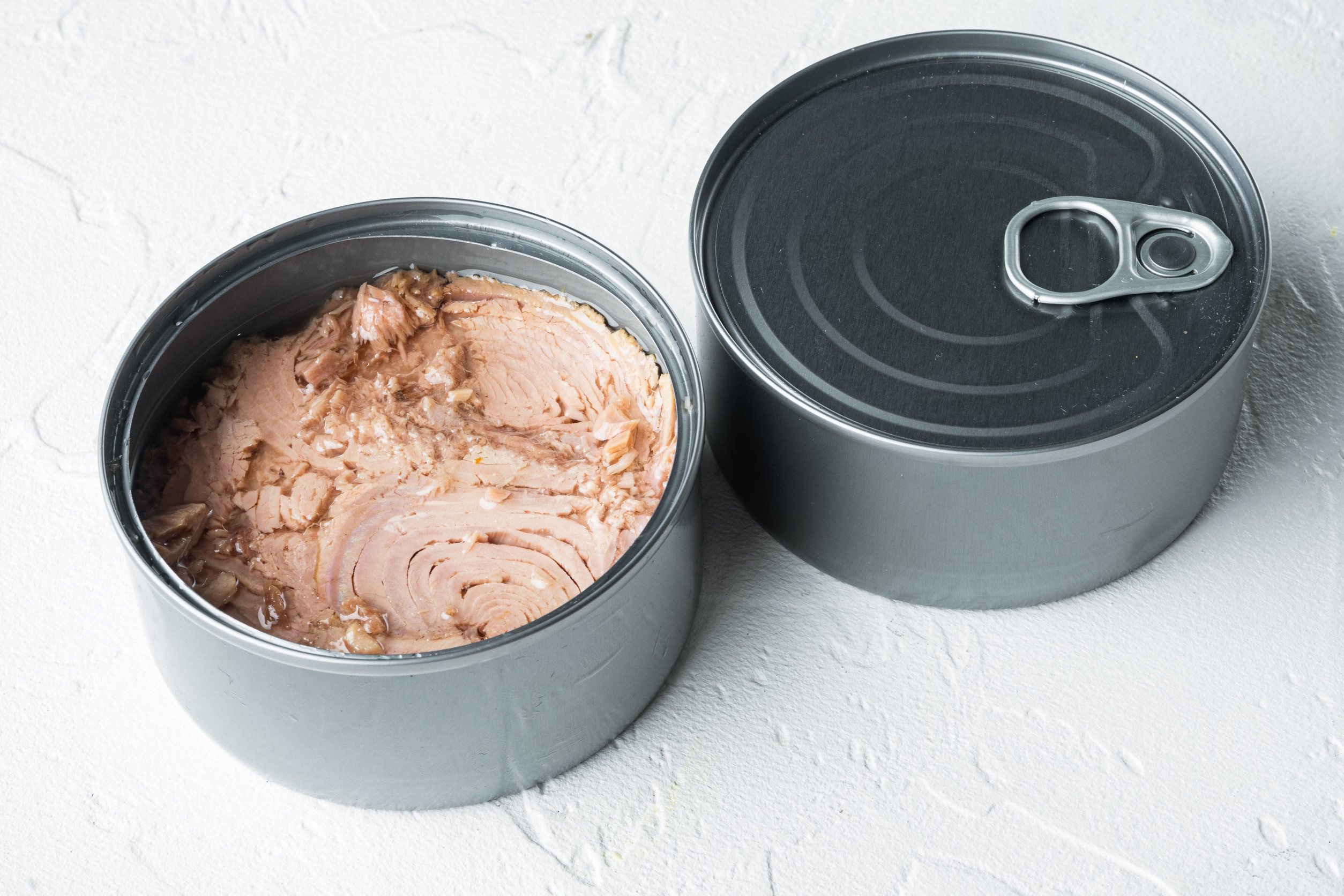
Canned tuna is one of those ingredients that can rescue lunch in minutes. Mix it with mayonnaise and a few seasonings for a classic tuna sandwich filling.
But sandwiches are only the beginning. Tuna also works in pasta salads, casseroles, stuffed tomatoes, and simple rice dishes.
Both water-packed and oil-packed versions have their uses. Water-packed tuna is convenient for recipes where you’ll add your own dressing, while oil-packed tuna can bring extra richness to pasta and salads.
How to Make the Most of Your Canned Food Pantry
Having canned foods on hand is useful, but keeping them organized makes them even better.
Arrange similar ingredients together so you can quickly find what you need. Place older cans in front and newer purchases behind them to use what you already have before opening something you just bought.
Store unopened cans in a cool, dry location, and follow the storage directions on their labels. Avoid using cans that are bulging, leaking, or badly damaged, and refrigerate leftovers promptly after opening.
Most importantly, stock your pantry around meals you actually cook. Ten cans of something nobody likes won’t help nearly as much as a few reliable favorites.
The Bottom Line
A great pantry doesn’t need to be overflowing with groceries. It simply needs ingredients that make everyday cooking easier.
Canned beans, tomatoes, tuna, corn, salmon, coconut milk, soups, fruit, potatoes, and chicken provide plenty of options for quick meals and last-minute recipes.
The next time you’re walking down the canned food aisle, consider adding a few of these dependable staples to your cart. Your future self might appreciate having dinner halfway figured out before you even turn on the stove.