The name “burnt ends” does not exactly sound like something you would plan a meal around. It suggests a kitchen mishap, perhaps followed by someone opening a window. In Kansas City barbecue, however, those dark, smoky pieces of brisket became a specialty worth seeking out. Their appeal comes from a combination of deeply developed crust, rich beef and contrasting textures, not simply from cooking meat until it turns black.
The remarkable part is that these sought-after bites were once handed out free. At Arthur Bryant’s, customers could help themselves to brisket trimmings while waiting for their orders. A celebrated writer’s enthusiasm helped bring those pieces wider attention, and rising demand eventually changed how restaurants made them. The story of burnt ends is therefore about more than a particularly good bite of beef: it is how an overlooked part of the barbecue process became a deliberate destination dish.
Before They Were a Specialty, They Were Scraps
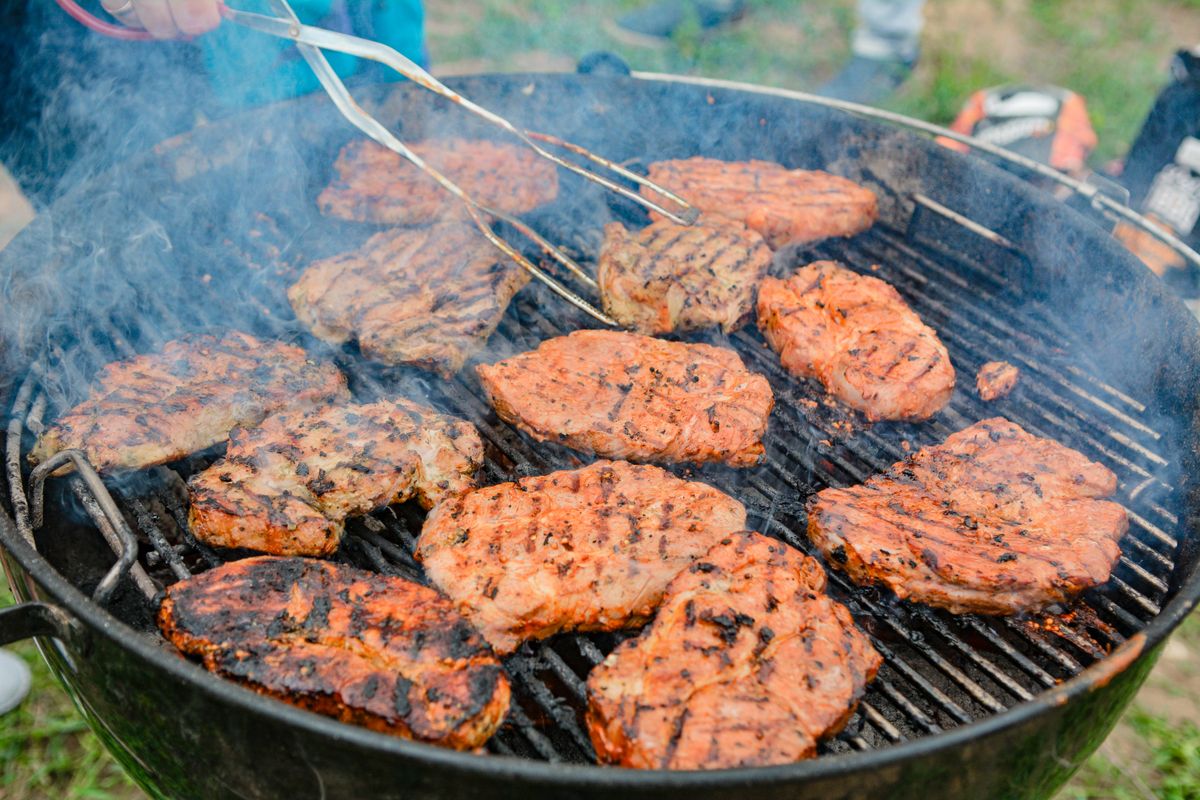
Traditional burnt ends began as the dark, fatty edges trimmed from smoked brisket. They were irregular pieces rather than the tidy cubes many diners recognize today, with a heavily developed exterior known as bark.Kansas City PBS’ Flatland describes them as pieces too charred and crunchy for sandwiches. Depending on the kitchen, those trimmings might become a cook’s snack, go into a pot of beans or simply be discarded.
Their rise is closely associated with Arthur Bryant’s restaurant on Brooklyn Avenue in Kansas City, Missouri. But Bryant’s business belonged to a longer barbecue lineage. As food writer Bonjwing Lee explained in Eater, Charlie Bryant took over barbecue pioneer Henry Perry’s restaurant in 1940, and the business eventually passed to Charlie’s brother Arthur. That history matters: burnt ends emerged from an established local tradition of smoking and serving meat, not from a newly invented cooking method designed around bite-sized brisket.
At Arthur Bryant’s,the trimmings had an audience before they had a prominent place on the menu. Customers waiting in line could take the pieces pushed aside during carving. That made them an informal bonus rather than a separately ordered attraction. The very qualities that made the edges awkward for neat sandwiches, their uneven shape, concentrated crust and fatty texture, gave them an identity of their own. What looked like an inconvenient leftover could deliver a memorable mouthful.
Then Kansas City native Calvin Trillin gave that counter-side treat a much bigger platform. In a 1972 Playboy article, he praised Arthur Bryant’s and described the free brisket edges with unmistakable affection. “The counterman just pushes them over to the side and anyone who wants them helps himself,” he wrote, in a passage reproduced by Eater. “I dream of those burned edges.” It was a powerful endorsement of something that, until then, did not needn’tales pitch, or a price tag.
Related;What Happens When Texas Barbecue Meets Thai Food? This New Restaurant Is Finding Out
A Famous Endorsement Changed What Restaurants Served
Trillin’s writing helped turn a local pleasure into a widely discussed specialty. Flatland identifies his 1972 article as a pivotal moment, while Eater explains that restaurants began selling the pieces as demand grew. This is the central twTheye story: pubity made the scraps desirable enough that ordinary brisket trimming could no longer reliably supply them. Restaurants needed a way to produce more of the thing customers were now arriving specifically to eat.
To understand the solution, it helps to know the brisket’s two main muscles. The flat is the larger, leaner portion, commonly sliced for serving. The point is more heavily marbled, with a fattier, looser-grained texture. As Lee reported, many restaurants began using that point to make burnt ends deliberately, cooking it separately or returning it to the smoker after the whole brisket had cooked. The finished meat could then be chopped into pieces rather than collected as incidental trimmings.
That shift explains why a modern order may look different from the pieces Trillin celebrated. Contemporary burnt ends are often substantial chunks or cubes, not just crisp edges shaved from a brisket during service. Some restaurants use them, some use the flat and others use meat from the whole brisket. Lee’s reporting makes the distiuntil theexplicit: the same menu name can cover different cuts and techniques, producing anything from bark-heavy pieces to tender, juicy cubes.
Sauce can add another layer to the modern version. Barbecue author Steven Raichlen describes a preparation in which smoked brisket-point cubes are sauced and cooked again until tender and caramelized. His description of them as “brisket candy” captures the appeal of that sweet, smoky finish. Still, it is a particular expression of burnt ends, not a requirement thatevery historic version must meet. The original scraps did not need to be uniform, glossy cubes to earn their following.
Why the Name Stuck and What It Means on a Menu
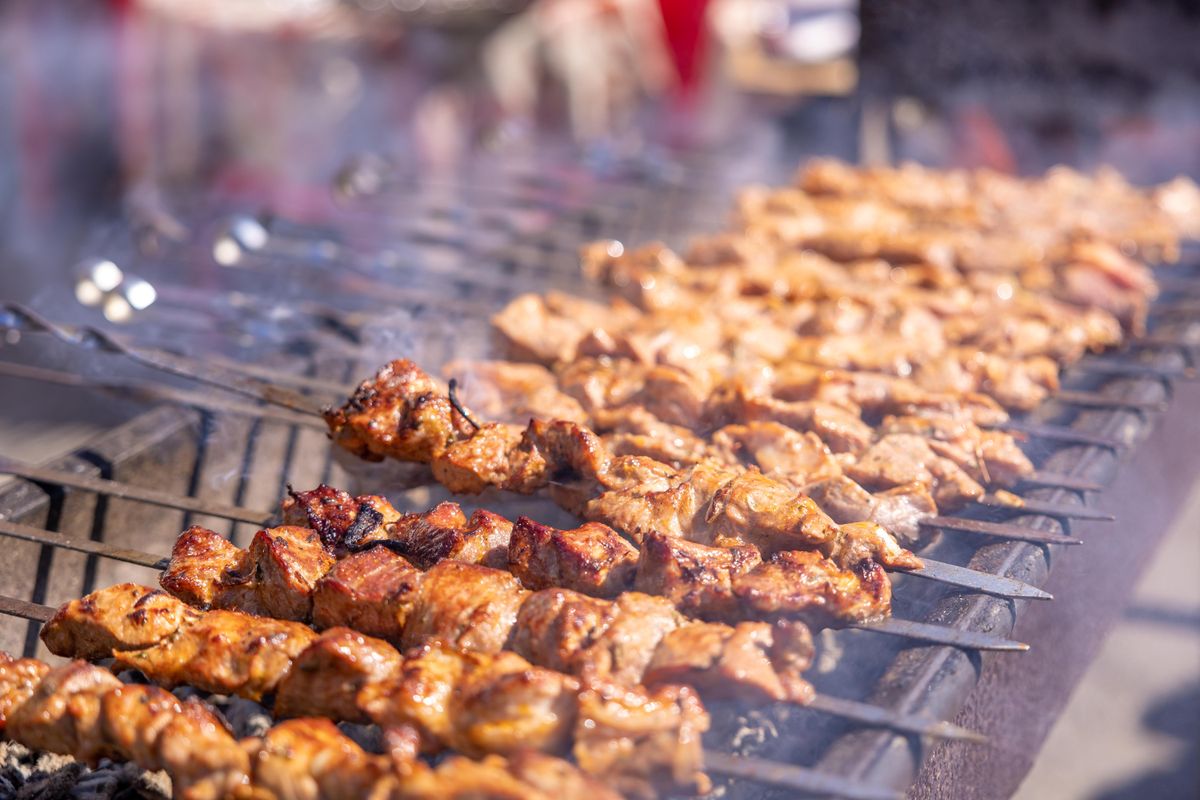
The enduring attraction is contrast. Flatland describes burnt ends as crunchy outside and rich and meaty within, while Eater’s reporting documents the different balances restaurants achieve between bark, fat and tenderness. That combination makes them distinct from a conventional slice of brisket. They concentrate the parts of barbecue that many diners especially enjoy: the seasoned exterior, the smoke and the richness of slowly cooked beef. The name may sound accidental, but the eating experience is anything but an afterthought.
Their presentation also helped give them a recognizable place in Kansas City barbecue. In his 2014 restaurant survey, Lee repeatedly encountered burnt ends served with white bread, pickles, beans and sauce, whether listed as a plate, dinner or sandwich. Those are documented serving traditions, not a promise that every restaurant uses the same arrangement today. More importantly, the variety shows how completely the former scraps moved into the meal itself: no longer something to nibble while waiting, but something customers ordered as the main event.
For diners, the useful question is not merely whether a restaurant serves burnt ends, but how it makes them. Brisket point or another cut? Crusty chopped edges or larger cubes? Sauced in the kitchen or finished at the table? Those differences are part of the dish’s history, not evidence that every variation has forgotten it. Kansas City made burnt ends recognizable by valuing a once-overlooked piece of barbecue, and then finding ways to keep serving it when the rest of the world wanted a bite.
Other Posts You Might Like
- The 10 Best Skylines in the United States
- 10 Hidden Gem Cities in America You’ve Probably Overlooked
- Top 13 Tourist Attractions in the United States You Must Visit