The goodbye often happens in a driveway before sunrise. A duffel bag sits by the door, the coffee goes cold, and someone tries to smile as the kids watch. There may be a flag sticker on the car, a half-packed lunchbox on the counter, and a spouse pretending this does not feel like the start of another long, emotional winter.
Military marriages can look strong from the outside. They have homecoming photos, crisp uniforms, patriotic captions, and relatives who say, “You must be so proud.” Pride can be real, but so can resentment, loneliness, fear, and exhaustion.
That is why military life can quietly break marriages. The damage does not always arrive as one dramatic betrayal. Sometimes it builds through missed birthdays, unpaid bills, sudden moves, frozen careers, hard reintegration, and nights when two people sleep in the same bed but feel as if they are stationed in different worlds.
The hardest part is that both people may still love each other. Love, however, does not erase pressure. It only gives couples something to fight for when the pressure starts winning.
Deployments Turn Marriage Into Long-Distance Survival

Deployment can stretch a marriage until every small frustration feels heavier. One spouse is away, living by military rhythm. The other is home, handling bills, children, repairs, work, fear, and lonely nights. Both are stressed, but in different ways.
The strain can lower the connection even when nobody wants it to. Research has linked deployments with lower military marital satisfaction, especially when couples are facing their first long separation. Love may stay alive, but distance can make it harder to feel close, heard, or emotionally safe.
Reintegration Can Feel Stranger Than Separation
Many people imagine homecoming as the happy ending. The service member returns, the family hugs, the photos are taken, and life goes back to normal. Real marriage rarely works that neatly. The spouse at home has built routines. The returning spouse has changed, too.
That adjustment can create quite a conflict. One person may feel pushed out of a household they once led. The other may feel criticized after carrying everything alone. Deployment stress can affect the whole family, especially when it persists long after the welcome-home sign comes down.
Constant Moves Turn Stability Into a Luxury
Military families often learn not to get too attached. A house, school, job, church, neighborhood, favorite grocery store, and support system can vanish with the next set of orders. To outsiders, moving may sound adventurous. Inside the marriage, it can feel like starting over again and again.
Every move asks the relationship to absorb new stress. There are boxes, deposits, school changes, broken furniture, lost friendships, and a spouse who may have to rebuild a career from scratch. Over time, “we can handle it” can quietly turn into “I am tired of losing everything we just built.”
Spouse Careers Get Sacrificed Too Often

One of the quietest marriage-killers is a career that keeps getting interrupted. A military spouse may leave a job just as they are gaining momentum. They may lose professional contacts, delay school, take lower-paying work, or explain another resume gap to another employer in another state.
That sacrifice can breed resentment. Research has shown that relocations can cause career damage, especially when spouses struggle to maintain long-term work. A marriage can survive many things, but one partner repeatedly shrinking their dreams for the other partner’s orders can leave a mark.
Money Stress Starts Sounding Like Marriage Stress
Military families may have steady pay, but steady does not always mean comfortable. Moves cost money. Child care costs money. Replacing broken household items costs money. Waiting for reimbursements costs money. Losing a spouse’s income after relocation can hit hard.
Soon, the arguments are not really about dinner, gas, or a Target receipt. They are about pressure. Financial strain can affect health, sleep, anxiety, and family stability, which is why financial stress hurts families far beyond the bank account. When money becomes a constant storm cloud, romance often gets soaked first.
Loneliness Makes Bad Choices Easier
Loneliness inside military marriage can be confusing because the person is technically married, yet often emotionally alone. There are school events attended solo, doctor appointments handled solo, holidays adjusted solo, and hard nights when the phone does not ring at the right time.
That loneliness can weaken boundaries. Some people turn to emotional affairs, old flames, heavy drinking, online attention, or silence. Others simply shut down and stop asking for connection. Military life can break marriages when loneliness becomes a private room one spouse keeps entering without telling the other.
Trauma Can Follow a Service Member Home

Some wounds do not show up in homecoming pictures. A service member may return with nightmares, anger, numbness, guilt, or a need to stay constantly alert. Their spouse may want closeness, but the person they love may seem distant, reactive, or unreachable.
Trauma can change the emotional climate of a home. Research has connected military-related PTSD with relationship struggles, showing how PTSD strains intimate relationships through avoidance, anger, withdrawal, and trust problems. The marriage may not fail because love disappears. It may suffer because pain keeps speaking louder than love.
The At-Home Spouse Gets Emotionally Overloaded
The spouse who stays behind often becomes the household engine. They parent, budget, cook, clean, schedule repairs, manage schools, comfort children, handle emergencies, and still try to sound encouraging on phone calls. People praise their strength, but praise does not fold laundry or fix loneliness.
That overload can slowly drain warmth from the marriage. Studies of military spouses show that stress and strain can affect a spouse’s psychological well-being, especially when the support system is thin. When one person carries too much for too long, love can start to feel like another responsibility.
Children Become the Hidden Pressure Point
Children can turn military stress into marriage stress without meaning to. A child may act out before deployment, regress during separation, cry after video calls, struggle at a new school, or cling harder when the service member returns. Parents may disagree over discipline, routines, and how much to tell the kids.
That pressure lands on the couple. One parent may feel guilty for leaving. The other may feel exhausted from having to hold the child’s emotions every day. Research has shown that children feel deployment stress in ways that can ripple through the whole household. When the kids are hurting, the marriage often absorbs the shock.
Pride Can Silence the Problems
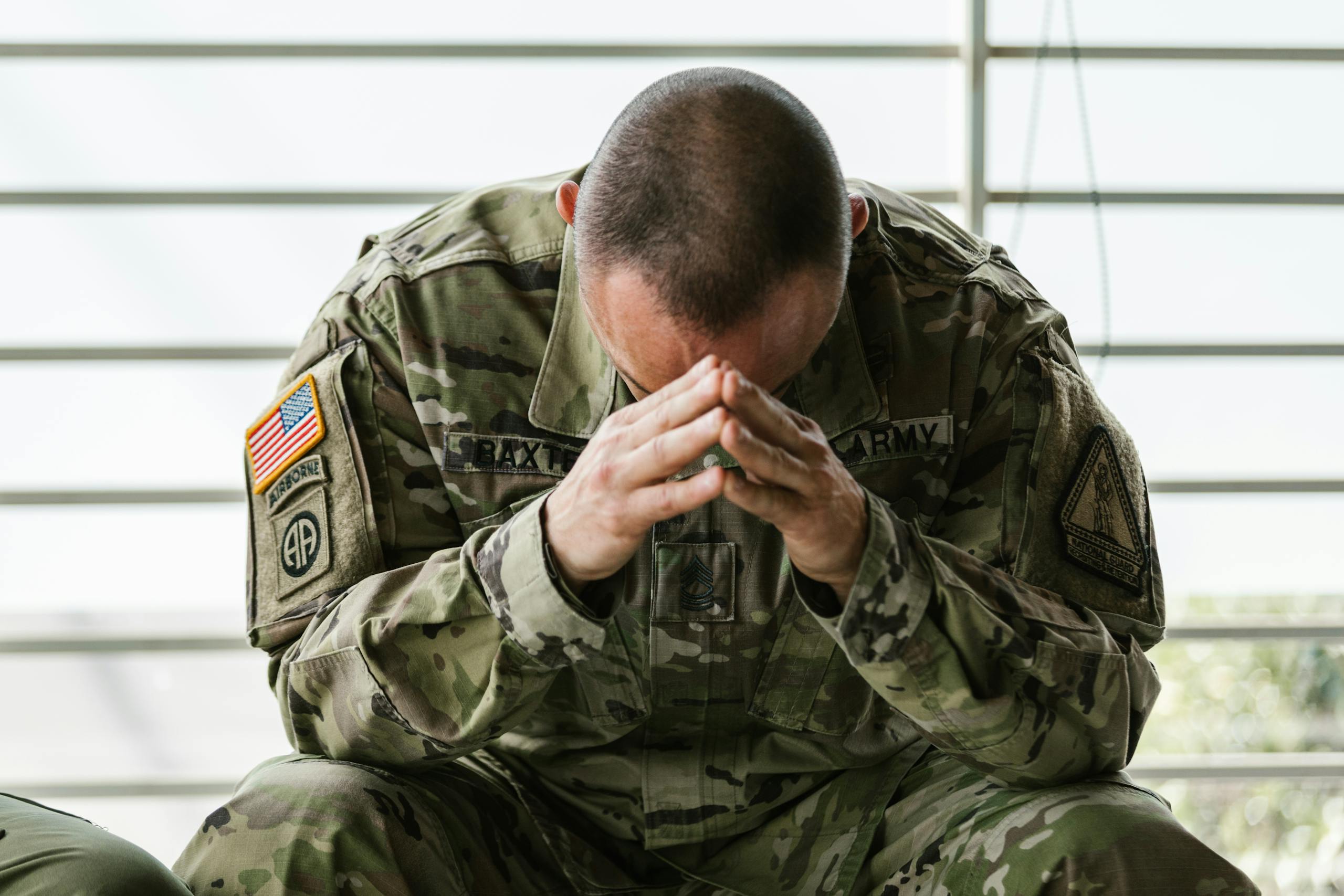
Military culture often rewards toughness. Couples may feel pressure to look grateful, strong, patriotic, and unshaken. A struggling spouse may hesitate to admit resentment because it sounds selfish. A service member may hide emotional pain because they do not want to burden the family.
That silence can be dangerous. Problems grow in the dark. A couple may keep smiling at ceremonies, posting homecoming photos, and saying “we are fine” until fine becomes a costume. Sometimes the marriage does not break up because the couple lacked love. It breaks because nobody felt safe enough to say the truth early.
Conclusion
Military life can quietly break marriages because it asks couples to endure stress that most civilians never see firsthand. Deployment, relocation, money pressure, trauma, parenting strain, career loss, and emotional distance can wear down even devoted partners.
Still, quiet damage does not have to become a quiet ending. Many military couples rebuild with counseling, honest conversations, financial planning, stronger support systems, and a willingness to stop pretending everything is fine. Strength is not just surviving the next set of orders. Sometimes, strength is admitting that the marriage needs help before love turns into resentment.
The uniform may belong to one person, but military life touches the whole household. A marriage can carry pride and pain at the same time. The couples who last are often not the ones who never struggle. They are the ones who learn to fight the distance before it becomes a permanent address.