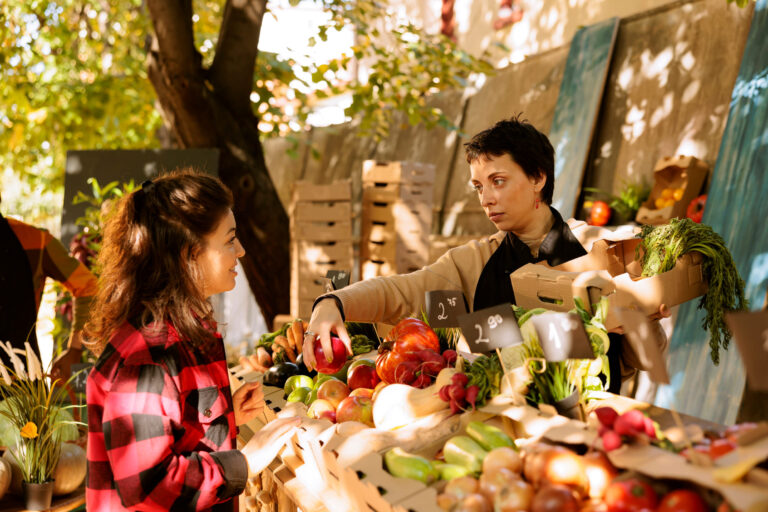
Some foods arrive at the table wearing pearls, but their past still smells like smoke, salt, sweat, hunger, and survival. We see lobster served with drawn butter, oysters arranged on crushed ice, caviar spooned onto blinis, and sushi treated like edible architecture.
The menu makes them look born rich, yet many of these modern delicacies started as poverty food, preservation tricks, dockside meals, peasant staples, or ingredients wealthy diners once ignored.This is the quiet joke of food history.
The same dish that once filled a worker’s stomach because nothing better was available can become expensive once scarcity, tourism, branding, and chef technique enter the room. When we follow these foods backward, we find fishermen using scraps, farmers stretching winter supplies, immigrants working with cheap cuts, and villagers turning abundance into survival. The journey from ration to luxury does not erase the past, but it does show how taste often follows money more than flavor.
Lobster Was Once Too Common to Look Luxurious
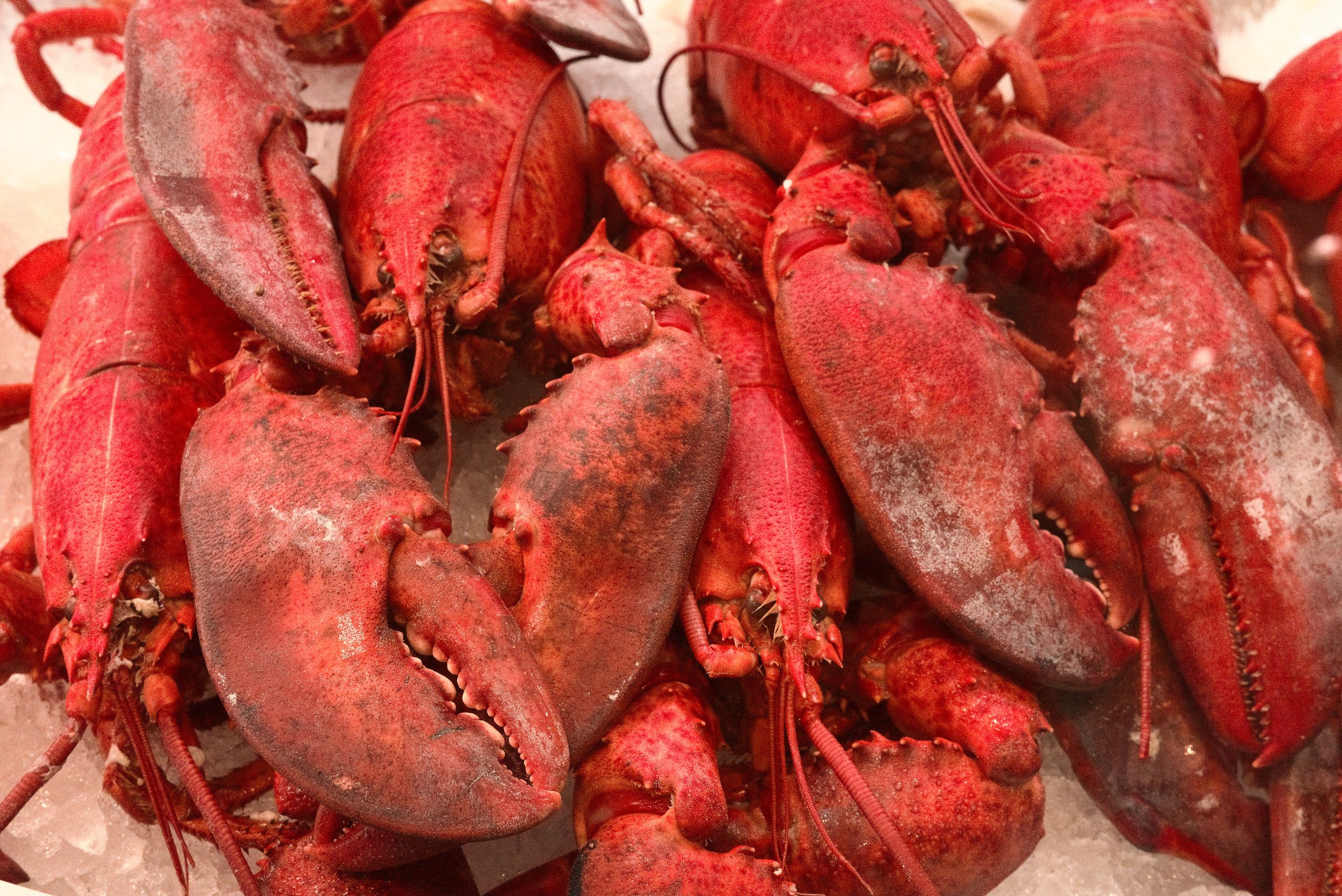
Lobster now carries the glow of seaside wealth, anniversary dinners, resort menus, and white-tablecloth service. We picture it split open, brushed with butter, and served with a price tag that makes people pause before ordering. That image would have sounded strange in early coastal New England, where lobster was abundant, awkward to handle, and far less glamorous than it is today.
It was not always the polished symbol of indulgence we recognize on restaurant menus.The old claim that prisoners lived on lobster every day has been repeated so often that it has become a food-history legend. We need a more careful version of the story.
Lobster was once plentiful, cheaper near the coast, and less prestigious than beef, pork, or other “proper” meat, but the prison-food tale is more complicated than the internet often admits. Its rise came when rail travel, canning, tourism, and restaurant service helped distance lobster from its messy coastal abundance. Once diners in inland areas encountered lobster without its old local stigma, the so-called sea insect became a delicacy.
Oysters Were the Cheap Bar Food of American Cities
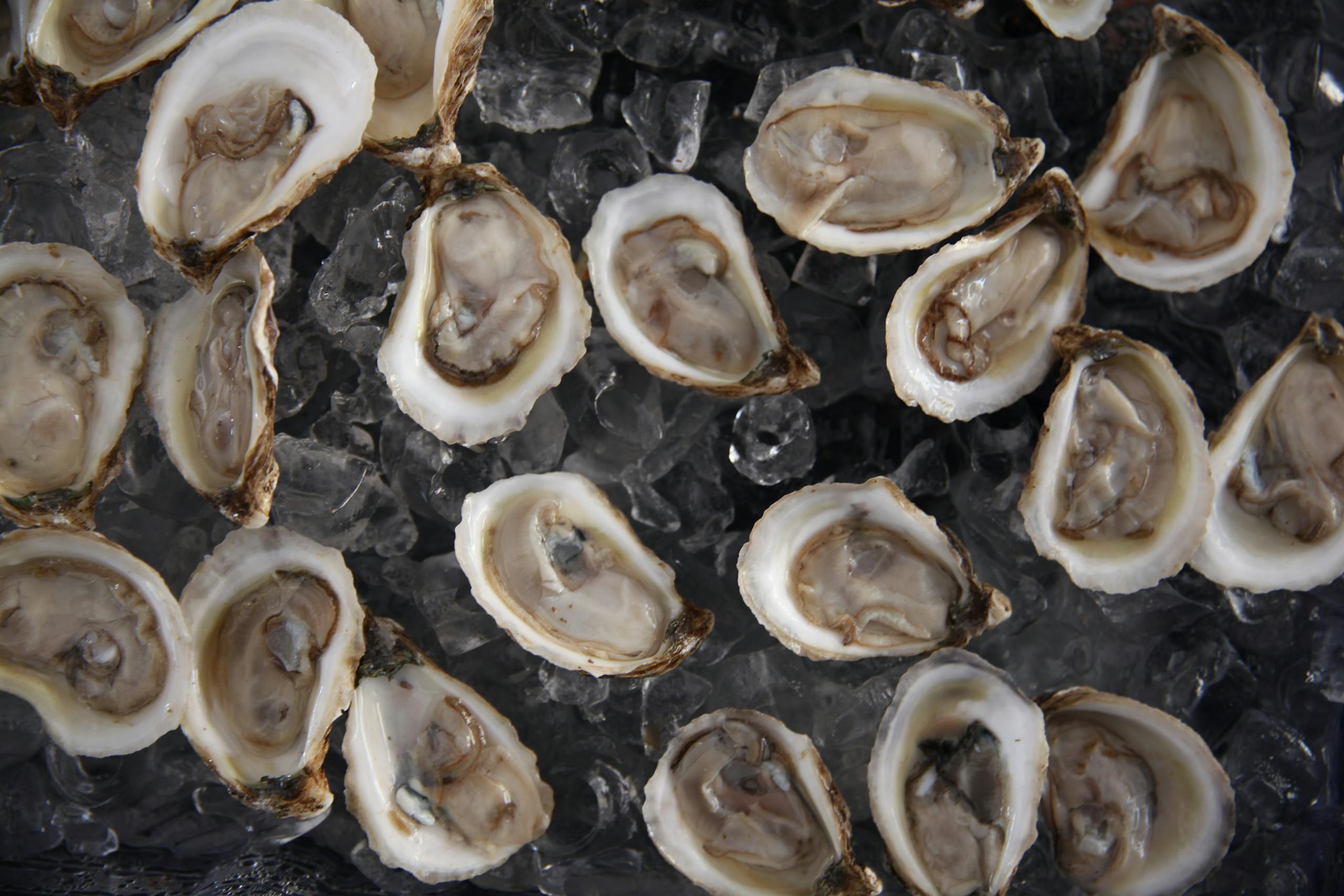
Today, oysters often arrive on ice with mignonette, lemon wedges, tiny forks, and a price that can make a dozen feel like miniature rent. We associate them with date nights, raw bars, coastal restaurants, and fashionable appetites. In the 19th century, oysters were far less exclusive. They were one of the great working-class foods of American and British city life, eaten by laborers, students, drinkers, and anyone who needed affordable protein.
Oysters were cheap because they were abundant. In the 1800s, American oyster harvesting reached enormous volumes, and oysters were eaten at breakfast, lunch, and dinner. They filled pies, appeared in stews, sat beside alcohol in saloons, and gave working people a dense source of food at a lower cost than beef.
Their fall from everyday staple to luxury came through overharvesting, disease, pollution, public health scares, and changing urban habits. The shellfish did not become glamorous because it changed. The world around it depleted the supply and raised the price.
Caviar Went From Salty Bar Snack to Black Gold
Caviar may be the most theatrical example of culinary status reversal. Today, it suggests private jets, velvet ropes, tasting menus, and the kind of luxury that arrives in very small tins. The drama comes from scarcity, not simplicity.
At its core, caviar is salt-cured sturgeon roe, and in places where sturgeon once filled rivers, those eggs were not always treated as treasure.In 19th-century America, caviar could be served as a salty free snack in saloons because salt made drinkers thirsty. That fact feels almost absurd now, but it follows a familiar pattern.
Sturgeon were once abundant enough to support major fisheries, but demand, overfishing, and environmental pressure changed the economics. As wild sturgeon populations collapsed, caviar moved from casual abundance to controlled luxury. The food did not become precious because people suddenly discovered its taste. It became precious because we nearly emptied the rivers that produced it.

Sushi Started as Preservation Before It Became Performance
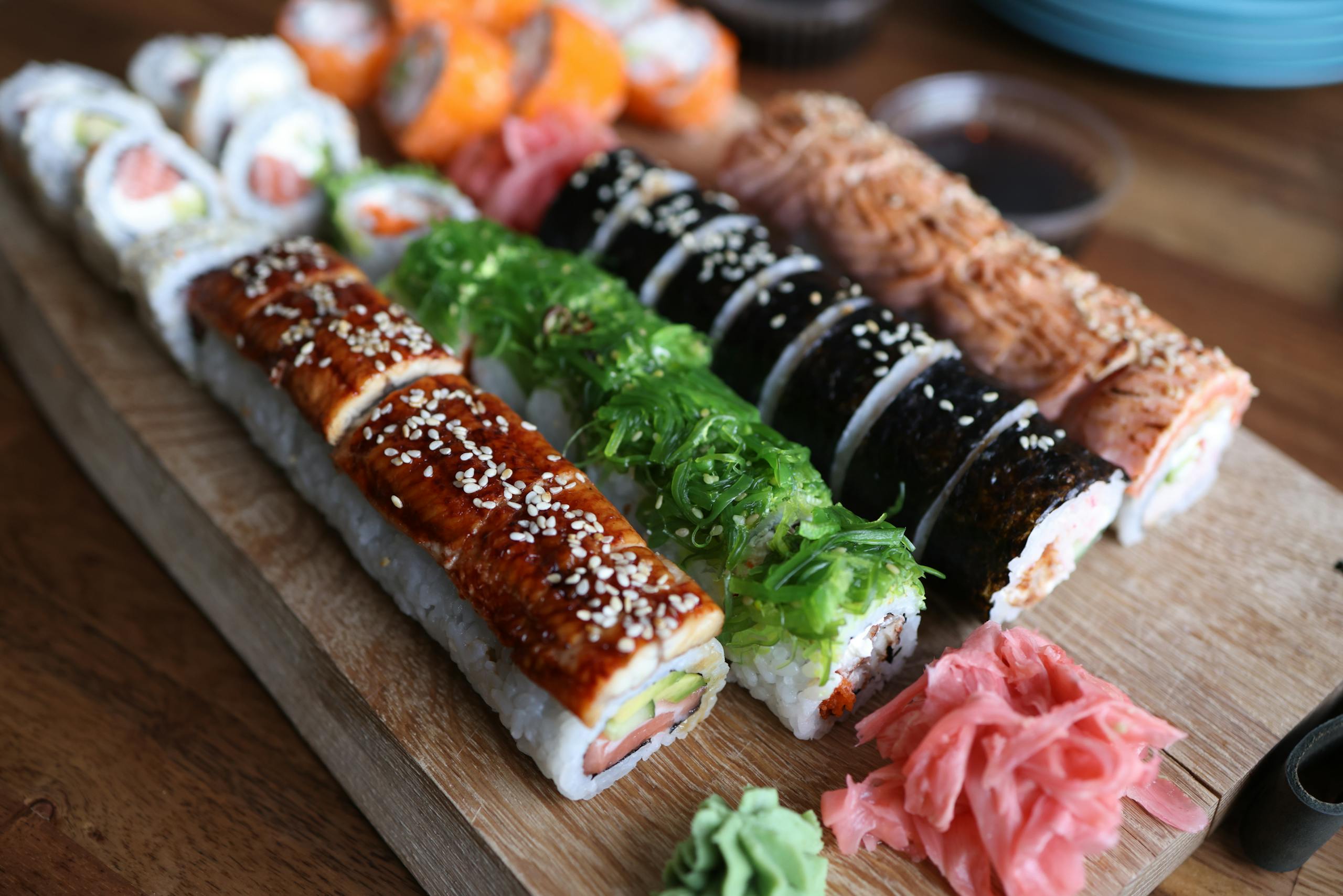
Modern sushi can feel like a ceremony. We watch chefs shape rice with disciplined hands, slice fish with surgical precision, and serve each piece as though it has a personality. High-end omakase turns sushi into theater, with every grain of rice carrying intention.
That polished version is far removed from sushi’s earliest purpose: practical preservation rather than luxury dining.The oldest forms of sushi used rice to ferment and preserve fish. The rice created the acidic environment needed to keep the fish edible, and in early versions, people discarded the rice and ate only the preserved fish.
Later, Japanese cooks shortened the process, added vinegar, and eventually created Edo-style nigiri as fast street food. We now treat sushi rice as an art form, but its ancestor began as a survival technology. The food moved from preservation to speed, from speed to craft, and from craft to global luxury.
Polenta Was Peasant Fuel Before It Became Restaurant Comfort Food
Polenta now appears under braised short ribs, mushrooms, truffles, cheese, and butter in restaurants that sell rusticity at premium prices. It looks warm, elegant, and deeply comforting on the plate. Its older story is far harsher. In northern Italy, cornmeal mush became a staple for peasants because it was cheap, filling, and easier to access than wheat, meat, or a varied diet.
That dependence came with a devastating cost. Rural communities that relied too heavily on maize-based diets suffered from pellagra, a deficiency disease linked with poverty, poor nutrition, and limited food diversity. The dish that now feels cozy once reflected deprivation so severe that it damaged bodies and communities.
Polenta’s transformation came through enrichment. Butter, cream, cheese, meat sauces, and chef technique turned plain cornmeal into luxury comfort. Fine dining did not invent polenta’s appeal. It simply added the ingredients that poor families could not afford.

Quinoa Was Marginalized Before Wellness Culture Crowned It
Quinoa now sits in grain bowls, health-food aisles, gluten-free recipes, and wellness menus as though it were designed for modern nutrition branding. Its protein content and adaptability made it a darling of global food culture.
Yet quinoa’s long history belongs to Andean farmers, Indigenous knowledge, high-altitude agriculture, and survival in difficult landscapes. It was not born as a trendy superfood. It was preserved by communities who understood its value long before global markets arrived.
After the Spanish conquest, quinoa lost status as European crops such as wheat and barley gained prestige. It became associated with Indigenous diets and rural poverty, even though it had deep cultural and agricultural importance.
Modern demand reversed the social meaning almost overnight. The same grain, once dismissed as backward, became expensive, fashionable, and morally polished through wellness language. That shift should make us cautious. When poor communities keep food alive for centuries, the world should not pretend it discovered it only after putting it in a branded bag.
Bouillabaisse Began as a Fisherman’s Leftover Stew
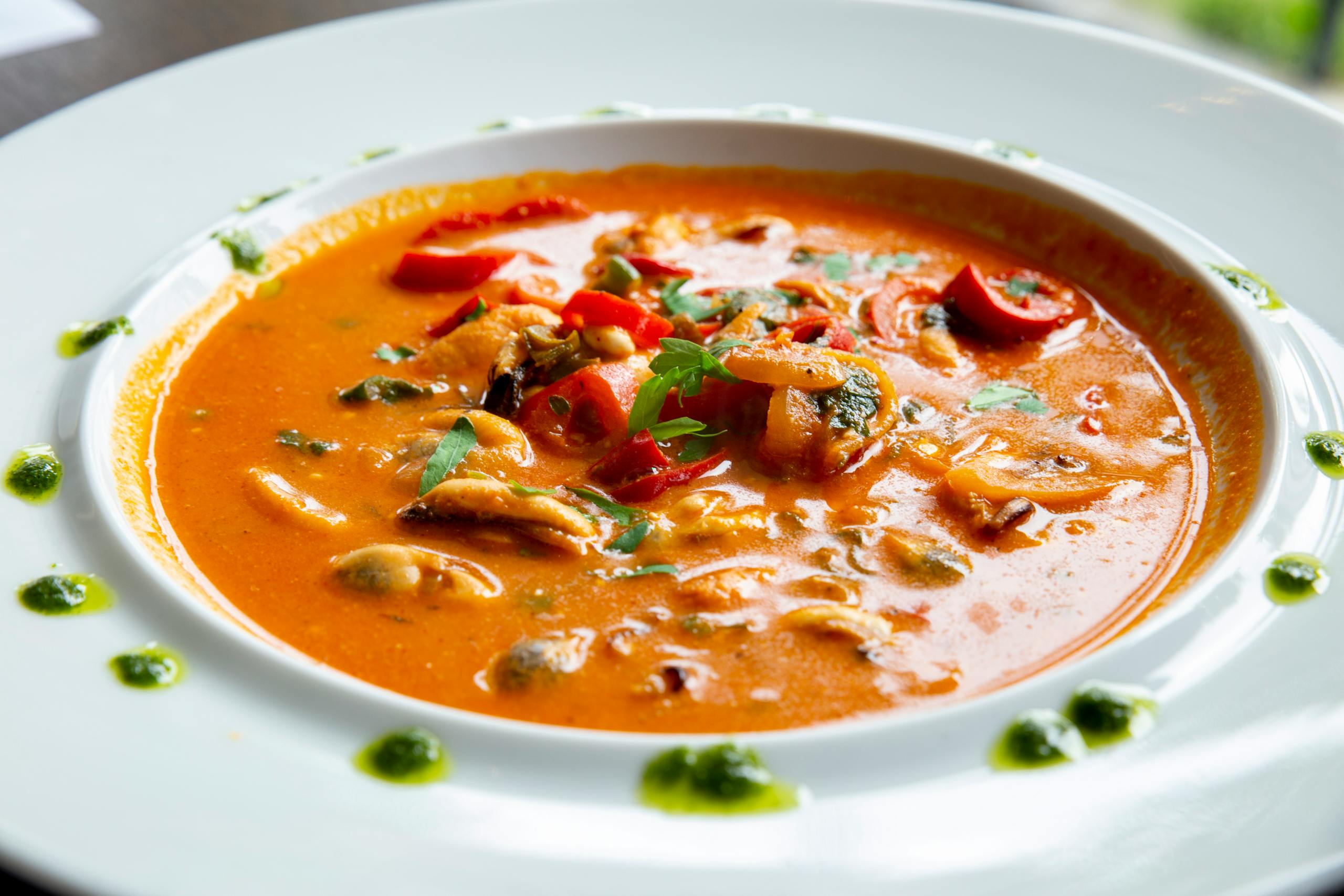
Bouillabaisse sounds luxurious now because restaurants have trained us to hear Provence, saffron, sea air, and tradition in the name. A proper bowl can cost serious money, especially in Marseille, where chefs protect the dish’s identity with near-religious seriousness.
Yet, bouillabaisse began with fishermen using what the market rejected. The best catch went to paying customers. The bony, small, awkward, and less desirable fish stayed behind.That is where the stew began. Fishermen boiled unsold fish with herbs, garlic, water, and whatever else could turn scraps into supper. It was practical, local, immediate, and unpretentious.
The modern version gained saffron, service rituals, multiple fish, rouille, croutons, and a sense of protected heritage. Tourism helped polish it. Scarcity helped price it. The old dish was a solution to waste, but the new dish sells the romance of that waste back to diners at a premium.
Ramen Rose From Postwar Hunger Into Cult Food
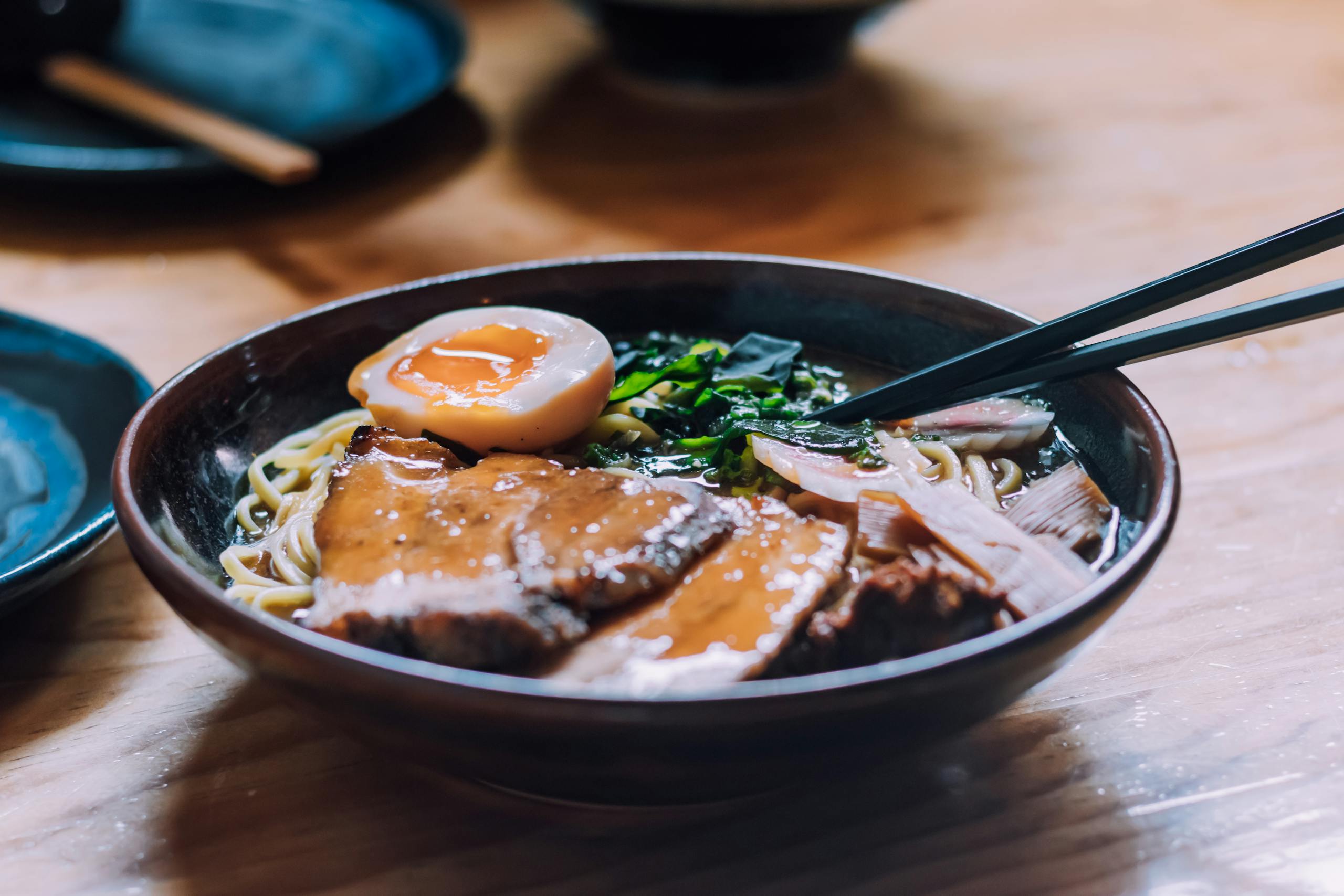
Ramen is now one of the world’s great obsession foods. People wait in lines, follow chefs, debate broth clarity, compare noodle texture, and travel for regional bowls. Tonkotsu, shoyu, miso, and shio ramen can each inspire fierce loyalty. Yet ramen’s modern Japanese rise was deeply tied to postwar scarcity, black-market food stalls, cheap wheat, and the need for hot, filling meals in a damaged economy.
After World War II, Japan faced food shortages, and wheat imported during the American occupation helped make noodles more available. Street vendors sold ramen from mobile stalls, and for many people, the bowl represented warmth, fat, salt, and energy during a hard period.
Later, ramen shops evolved into specialized restaurants, chefs became personalities, and regional styles gained cult followings. The same food that was once tied to survival and struggle became a canvas for craft. Ramen’s luxury today is not always about price. It is about devotion, technique, and the emotional memory of comfort.
Fondue Was a Winter Stretch Meal Before It Became Alpine Chic
Fondue looks festive now. We imagine ski lodges, mountain holidays, long forks, bubbling cheese, wine, laughter, and cozy wealth. Its older logic was much simpler. Alpine families needed ways to stretch limited winter supplies, especially cheese and stale bread. Melting cheese with wine softened hard bread and made preserved dairy feel generous during cold months.
That origin matters because fondue’s beauty comes from thrift. It is not built on excess alone. It is built on the skill of bringing old ingredients back to life. Later, tourism and national branding turned fondue into a Swiss icon, especially as cheese promotion helped fix the dish in the public imagination. What began as a practical use for winter leftovers became a social ritual. The poor meal became a party because someone learned to sell the mood around the pot.
Paella Was a Field Worker’s Lunch Before It Became Spain’s Global Showpiece
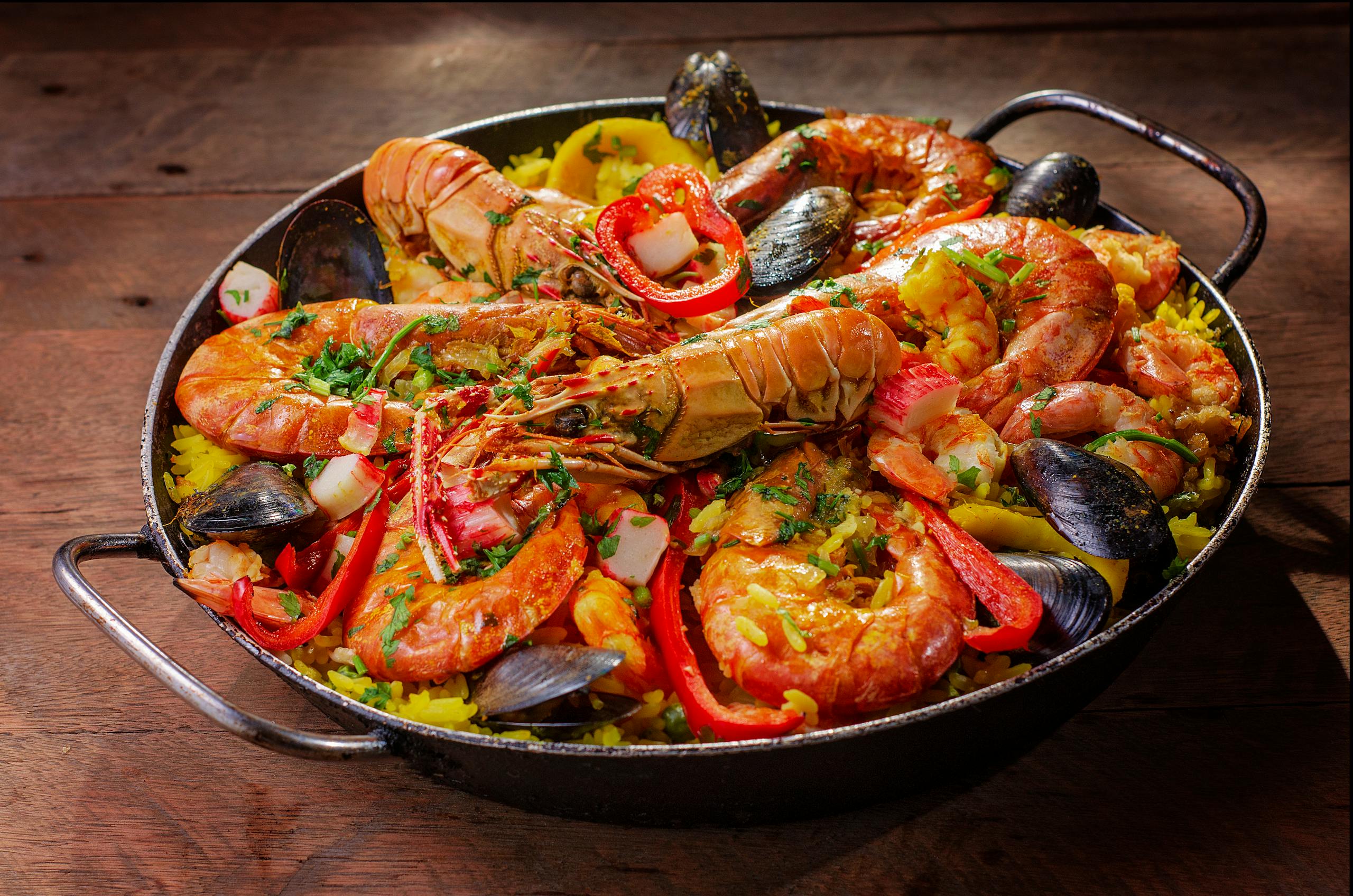
Paella is now one of Spain’s most famous dishes, often presented in wide pans crowded with seafood, saffron-colored rice, vegetables, and theatrical abundance. Tourists photograph it before eating it. Restaurants use it as a visual promise of sunshine and Mediterranean pleasure. Yet traditional Valencian paella began as a practical rural meal, cooked outdoors by farmers and laborers near rice fields.
The original logic was local and economical. Workers used rice, field vegetables, snails, rabbit, duck, or whatever the landscape provided. The pan was not a luxury prop. It was a tool for feeding people together with available ingredients.
Over time, paella became standardized, celebrated, and exported. Seafood versions became especially popular with visitors, even though the rural roots of Valencian paella were tied to farms rather than luxury beachside dining. The modern spectacle can hide the field lunch beneath the saffron glow.
Brisket Was a Tough Cut Before Barbecue Made It Expensive
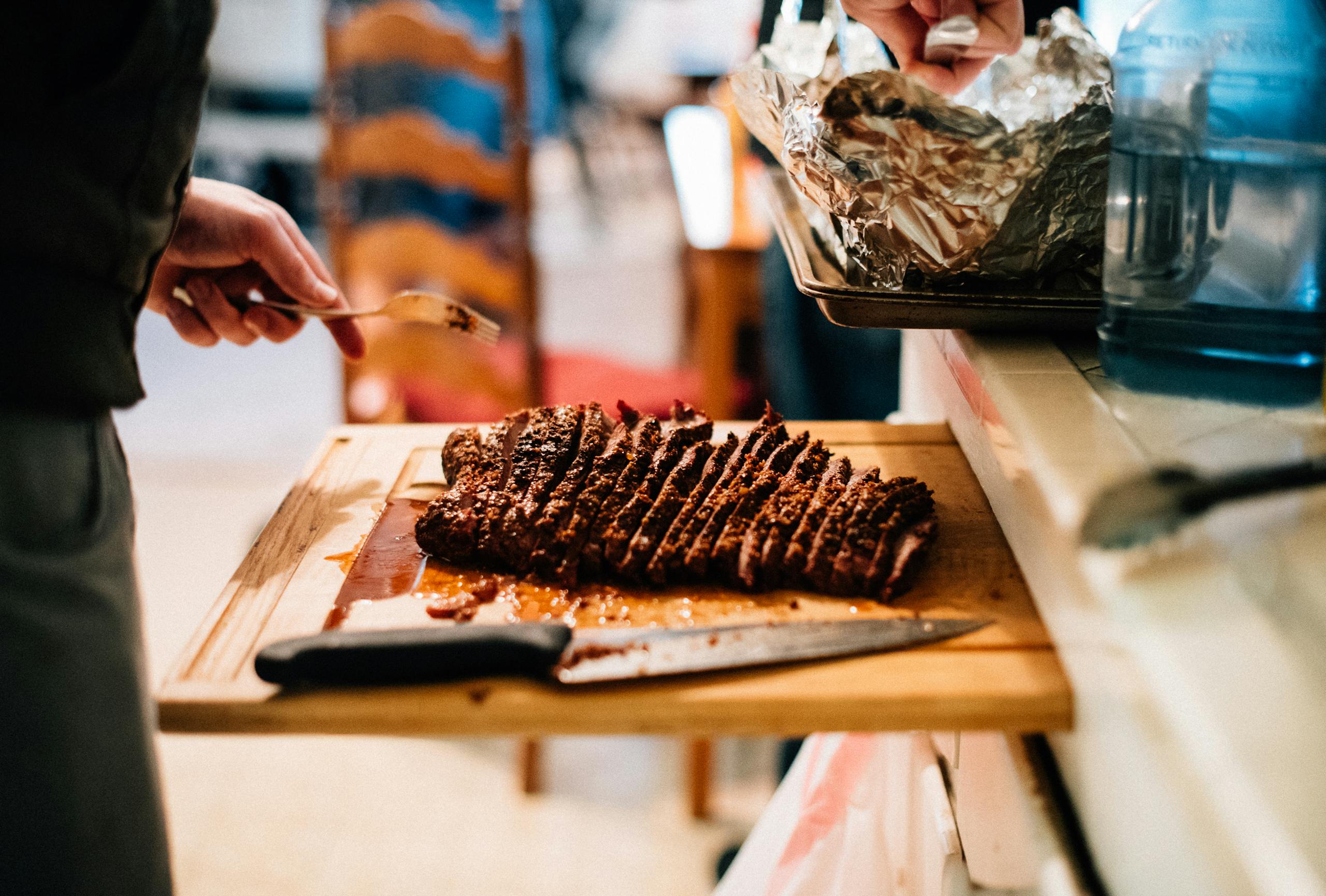
Brisket now sits at the center of barbecue pilgrimages, holiday tables, smokehouse menus, and competitive cooking. A beautifully smoked brisket can create lines before sunrise and sell out before dinner. That status is remarkable because brisket was never an easy cut. It comes from a hardworking part of the animal, rich in connective tissue, and it needs patience to become tender.
That toughness made it cheaper in many food traditions. Jewish cooks, Texas pitmasters, and immigrant communities understood that slow cooking could turn a difficult cut into something rich and satisfying. Time was the secret ingredient. Smoke, braising, seasoning, and patience did what expensive cuts did not need to do.
As barbecue culture exploded and demand rose, brisket became far more expensive than its old reputation would suggest. The poor cut became prized because skill revealed what money had overlooked.
Oxtail Shows How Discarded Cuts Become Status Symbols
Oxtail has followed the same path as many bone-heavy, labor-intensive cuts. It was once treated as cheap, humble, and secondary because it required long cooking and yielded less neat meat than steaks or chops. Families and communities with fewer choices learned to simmer it until collagen melted into the broth and the meat turned soft. The result was a deep flavor built from patience rather than privilege.
Caribbean, African, African American, Latin American, British, and European kitchens all developed powerful oxtail traditions. The dish’s modern rise has made it more expensive in many markets, especially as restaurants and social media have rediscovered slow-cooked comfort foods. This is one of the clearest examples of culinary irony.
The same cut that poor cooks had to elevate out of necessity now costs more because wealthier diners have finally noticed its flavor. Oxtail was never inferior. It was simply waiting for status to catch up with skill.

Why Poverty Foods Become Luxury Foods
The pattern behind these foods is not random. First, a food starts as abundant, cheap, preserved, tough, unwanted, or culturally marginalized. Then, cooks with fewer resources develop techniques to make it useful.
They ferment it, smoke it, boil it, braise it, season it, stretch it, or serve it with whatever else they have on hand. Over time, scarcity changes the price, chefs change the presentation, and diners change the story.
Luxury often arrives after distance. People are more willing to romanticize poverty food when they do not have to live in the poverty that created it. A fisherman’s stew becomes heritage. A cheap bar snack becomes caviar service. A field lunch becomes a national treasure. A tough cut becomes an artisanal obsession. The flavor was there from the beginning, but prestige needed a costume change.
The Hidden Cost of Rebranding Poor People’s Food
When we celebrate these dishes, we should also remember the people who carried them through difficult times. Poor cooks did not simply endure bland food. They invented flavor under pressure. They turned scraps into stews, tough cuts into tenderness, stale bread into ritual, and preservation methods into cuisine. Their work shaped the dishes that fine dining later claimed as heritage.
The danger comes when the new luxury version erases the old survival story. We lose something when oysters become only a date-night flex, quinoa becomes only a wellness product, and ramen becomes only a chef-driven obsession.
These foods matter because they reveal how human beings cook under constraint. They remind us that taste is not born in luxury kitchens alone. Sometimes the best food begins where choice is limited, hunger is close, and creativity has no backup plan.
Conclusion
Modern delicacies that started as poverty food prove that the line between “cheap” and “luxurious” is thinner than we think. Lobster, oysters, caviar, sushi, polenta, quinoa, escargot, bouillabaisse, ramen, fondue, paella, brisket, and oxtail all show how scarcity, technique, and status can rewrite a dish’s meaning.
What once fed workers, peasants, immigrants, fishermen, or struggling families can later become the centerpiece of expensive dining.
We should enjoy these foods with more honesty. Their glamour is real, but their roots are even richer. The plate tells a better story when we remember the hands that made humble ingredients worth craving long before restaurants learned how to charge more for them.