A boat can sit perfectly fine in the driveway all week, then turn into a problem five minutes before launch. A missing drain plug. A dead battery. A snapped dock line. A burned-out trailer light. For many Florida boaters, West Marine has long been the place people rush to when the weekend is almost ruined.
Now that familiar safety net is getting smaller.
West Marine, the Fort Lauderdale-based boating and fishing retailer, is closing 59 stores across 23 states while it moves through bankruptcy restructuring. The company is not disappearing, and many stores remain open, but the pullback is big enough to make boaters, workers, anglers, and marina communities pay attention.
Florida is caught directly in the shake-up. Eight stores in the state are listed for closure, even though the Miami area is not included in this round. For a state where the water is not just scenery but part of daily life, the closures feel less like a corporate filing and more like a warning light on the dashboard.
A Boating Brand Built Near the Water Is Cutting Back
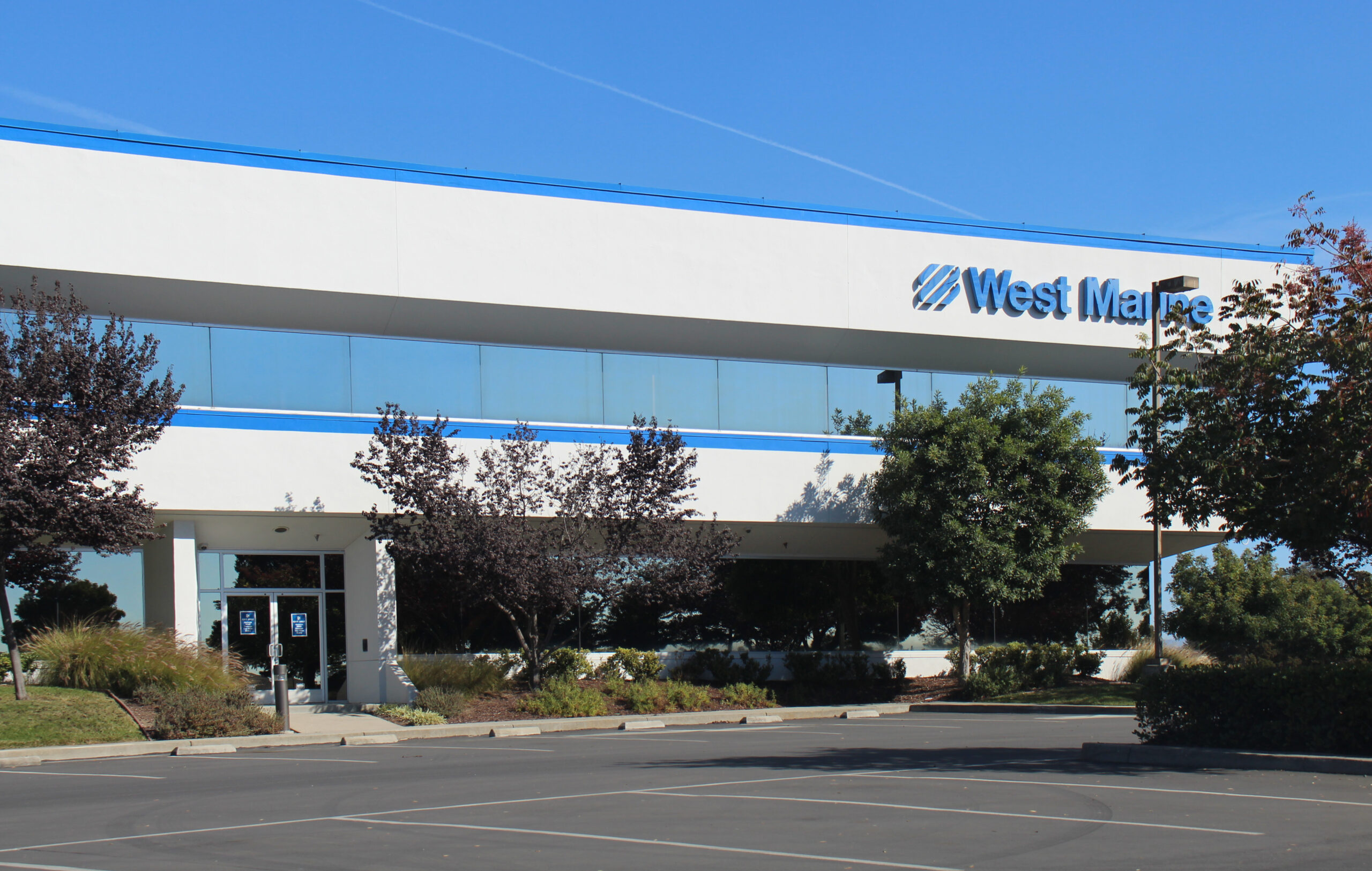
West Marine is headquartered in Fort Lauderdale, a city that understands boating better than most places in America. The waterways, marinas, yacht services, fishing charters, boat shows, and weekend dock traffic are part of the local rhythm.
That is what makes the story sting. A company rooted in one of the country’s strongest boating regions is now trimming its national footprint to survive a financial storm.
The company filed for Chapter 11 bankruptcy protection in May. That process allows a business to reorganize while it continues to operate. In plain terms, West Marine is trying to steady the ship without shutting down completely.
Customers can still shop at remaining stores, use the company’s website, and access its professional app. But for people living near a closing store, that reassurance may only go so far.
Florida’s Closure List Hits More Than One Coast
The Florida stores marked for closure include locations in Port Charlotte, Bonita Springs, Venice, Winter Haven, Jacksonville Beach, Palm Coast, Orlando, and Fernandina Beach. That list spreads across very different boating communities.
Some of those stores serve Gulf Coast boaters who deal with saltwater, fishing runs, and marina life. Others serve inland lake communities, trailer boaters, and families who may not live near the ocean but still spend weekends on the water.
Recent reporting on store closures across Florida shows that Miami-area locations are not part of this wave. Still, Florida’s boating map does not stop at Miami. A store closing in Port Charlotte or Palm Coast can affect customers who depend on quick access before a trip.
For many residents, the issue is not whether they can eventually find a part somewhere else. The issue is how far they must drive when the clock is ticking.
The Real Frustration Starts at the Dock
Boating problems rarely arrive politely. They show up when the cooler is packed, the kids are ready, the weather finally looks clear, and someone realizes the boat is not ready.
That is where a marine store becomes more than a retailer. It becomes the difference between getting on the water and losing the day.
A customer may need a fuse, a bilge pump, a life jacket, a trailer light, a fuel treatment, a rope, a switch, or a cleaning product. These are not always items people want to order and wait for. Sometimes they need them now.
With fewer nearby stores, Florida boaters may have to think differently. The old habit of “we’ll grab it on the way” may become a more expensive mistake.
Why West Marine Is Feeling the Pressure
West Marine’s restructuring did not happen in a vacuum. Specialty retailers have been squeezed by higher costs, shifting consumer habits, expensive leases, and tougher competition from online sellers.
Marine retail has its own set of problems. Products can be bulky, technical, seasonal, and costly to stock. A store needs enough inventory to be useful, but unsold inventory can become a financial drag.
Boating also depends heavily on consumer confidence. When families feel pressure from inflation, insurance bills, fuel prices, loan rates, and housing costs, they may delay upgrades or shop harder for discounts.
That matters because boating is already expensive. Owning a boat means paying for maintenance, storage, safety gear, repairs, fuel, insurance, and regular replacements. Even people who love the water may start trimming their spending.
Local Workers Lose More Than Store Hours
Store closures are often counted by location, but the human impact is counted differently. Each closing store has workers who know the local customers, the common boat problems, and the products people actually need.
Marine retail staff often do more than stand behind a register. They help customers match parts, compare gear, understand safety items, and avoid buying the wrong replacement.
That kind of local knowledge matters. A first-time boat owner may not know the difference between two fittings. A weekend angler may need quick advice before a tournament. A family preparing for hurricane season may need help choosing practical gear.
When a store closes, that expertise can disappear from the neighborhood along with the shelves.
Independent Marine Shops May Get a Second Look
West Marine’s retreat could create an opening for smaller marine retailers, marina stores, repair shops, hardware stores, and local suppliers. If they can stock the basics and offer real expertise, they may win customers who suddenly need a new go-to stop.
That will not be easy. Independent shops also face high rents, labor costs, freight costs, insurance premiums, and inventory risk. But they may have one advantage a national chain cannot always match.
They know the local water.
A small shop near a fishing community may know which parts fail most often. A marina store may understand what boaters need before a holiday weekend. A local owner may build trust by remembering customers and solving problems quickly.
In places where West Marine is leaving, that kind of personal service could become more valuable.
Shoppers Should Be Careful With Closing Sales
A closing sale can feel like a chance to save money, but boaters should slow down before loading up the cart. Discount signs can be tempting, especially on expensive marine products.
Customers should check return rules, warranty details, final sale notices, and whether the product is the right fit. Marine electronics, safety equipment, engine parts, and specialty accessories are not items people should buy blindly just because the price dropped.
The full list of closures also gives shoppers a reason to plan ahead. If a nearby store is closing, customers may want to find the next closest location, compare delivery times online, and keep basic supplies at home.
Small items can save a weekend. Extra drain plugs, fuses, dock lines, hose clamps, trailer light bulbs, batteries, cleaning supplies, and safety basics may become more important when the nearest marine store is no longer around the corner.
Fort Lauderdale Remains the Symbol of the Story

The West Marine story carries extra weight because of Fort Lauderdale. This is not a random headquarters city. It is a boating capital, a place where marine businesses help shape the local economy and culture.
That makes the restructuring feel personal to South Florida, even if Miami area stores are not closing in this wave. A Fort Lauderdale-based boating giant is having to shrink during a time when many residents already feel squeezed by rising costs and changing retail access.
Customers who want to follow the court process and company notices can check official restructuring case updates as the bankruptcy moves forward. That may be especially useful if more decisions are announced later.
For now, the company says it remains open and focused on serving customers. The harder test will be whether customers still feel served when the nearest store is farther away.
The Water Is Still There, But the Errand May Get Harder
Florida boaters are used to watching the weather. They check the sky, the tide, the radar, and the wind before heading out. Now, some may need to check elsewhere to still buy the part that keeps the trip alive.
That is the quiet frustration behind the West Marine closures. It is not only about corporate debt or court filings. It is about the family trying to salvage a Saturday, the retiree maintaining a small fishing boat, the worker at a closing store, and the local marina community adjusting to one less resource.
West Marine may survive as a leaner company. Many customers may keep shopping with it online or at the remaining stores. But in Florida, convenience is part of the boating experience. Once that convenience disappears, people feel it fast.
The next time a boat owner realizes something is missing before launch, the real impact of these closures may become clear. Not in a courtroom. Not in a press release. Right there in the driveway, with the water waiting and the nearest store suddenly farther away.